
Ivan 's blog
Welcome to the future of urban AI terminals—your personal, multilingual assistant, guide, and problem-solver, available in every neighborhood.
What Are AI Terminals?
AI terminals are interactive, voice-activated machines placed throughout city districts. These aren't just static information kiosks—they talk, listen, think, and even print maps.
They combine the power of:
- AI conversation systems (like ChatGPT)
- Geo-location technology
- Online service integration
- Multilingual support
- Transportation APIs
They’re designed for everyone—from tourists lost in translation to locals trying to find the fastest route home.
How Do They Work?
When a person approaches an AI terminal, they can simply ask:
“Where is XY Street? How do I get there now?”
The terminal responds in the user’s language:
- Speak the Directions Out Loud
— Step-by-step guidance with street names.
- Print a Paper Map
— With walking, bus, or car directions, over multiple pages if needed.
- Suggest Transportation Options
— Bus numbers, nearest stops, estimated wait time
— Option to call a taxi directly from the screen
- Hotel Availability Check
— Shows nearby hotels with real-time availability
— Offers booking or reservation links via QR codes or direct call
- Restaurant Recommendations
— Lists nearby open restaurants
— Displays menus, user reviews, and lets you book a table
- Multilingual Dialogue
— Supports voice input/output in English, Arabic, French, Russian, Chinese, etc.
- Emergency Mode
— Quickly connects with ambulance or embassy services for foreign visitors
Why These Terminals Matter for Modern Cities
SEO Benefits for Local Businesses
Each AI terminal is geo-connected to local maps, restaurants, hotels, and services. Local businesses can:
- Get listed on the terminal’s interface
- Boost visibility for tourists and city dwellers
- Receive real-time reservations or customer inquiries
Value for Tourists
These machines answer direct questions like:
“How do I get to the National Gallery?”
“Which restaurants are open right now?”
“Where is the nearest ATM?”
The answers are:
- Spoken
- Shown on screen
- Printed as maps
- Supported with follow-up suggestions
GEO Optimization Built In
Each terminal is location-sensitive. It always knows:
- Where it is installed
- What services exist in the radius
- Which streets are closest
- What traffic or weather conditions are present
Future Upgrades
In the coming years, AI terminals will:
- Integrate AR and QR technology
- Allow touchless interaction via mobile
- Connect with personal AI avatars
- Call an AI Terminal (for example, from home)
- Recommend cultural events, concerts, and exhibitions nearby
Why This Innovation Matters to the World
Tourist-friendly cities become more competitive globally.
Public transportation becomes more accessible.
Hotels and restaurants boost bookings without middlemen.
Elderly and disabled users receive voice-based, hands-free assistance.
Multilingual access levels the field for all backgrounds.
Smart AI Terminal Pod, Voice-Isolated Urban Assistant
The AI terminal pod is a compact, sound-insulated booth designed for one person (or, in extreme cases, two: couples or friends) to interact with a multilingual AI assistant privately. With dimensions of 2.2 meters in height, 2 meters in length, and 1.5 meters in width, the pod fits into tight urban spaces while offering full functionality.
Inside, users can engage in voice conversations, receive printed maps, check transport routes, reserve hotel rooms or restaurant tables, and even call a taxi—all in their language. Ideal for both tourists and residents, the booth provides a calm, efficient, and weather-resistant environment for smart urban assistance.
Final Thoughts
This new generation of AI urban terminals transforms every city into a responsive, human-centric environment. People no longer need apps, brochures, or confusing maps—they just need a friendly AI voice on the street saying:
“Hello! Where would you like to go today?”
FAQ:
Q: Can the AI terminal call a taxi for me?
A: Yes, it can connect to local taxi services and even let you choose between providers.
Q: Is the system safe for personal data?
A: Absolutely. No user data is stored unless you actively request it (e.g., to email directions to yourself).
Q: Can it help if I don’t speak the local language?
A: Yes, it answers you in your language, recognizing your language.
This article introduces the 10 most effective AI prompting frameworks, including ACDQ, and shows you how to stack frameworks for complex business and marketing scenarios. ACDQ is a custom prompt engineering framework developed by business strategists and AI practitioners to provide a clear structure for complex problem-solving. While not sourced from academic literature, ACDQ has gained traction in real-world business applications due to its balance of clarity, depth, and AI interaction logic.
Finally, we introduce a new universal prompt structure that allows users to simply describe their problem while the AI selects the most suitable framework automatically.
The Top 10 AI Prompt Frameworks for Business & Marketing
1. ACDQ – Act, Context, Deeply, Questions
Best for: Deep analysis, strategic insight, and clear recommendations.
Act: Assign a role to the AI (e.g., marketing strategist, analyst).
Context: Provide relevant background details.
Deeply: Request thoughtful, layered analysis.
Questions: Encourage AI to ask clarifying questions.
Use Case: Market entry planning.
Prompt Example:
“Act as a SaaS marketing strategist. Context: We’re launching a CRM tool for small businesses. Deeply assess our competitors and market demand. Ask questions to clarify our positioning.”
2. PROMPT – Persona, Role, Objective, Method, Parameters, Tone
Best for: Branding, marketing strategy, and campaign development.
Shapes prompt with clarity and intention across business objectives.
Use Case: Brand identity creation.
Prompt Example:
“Persona: Brand strategist. Role: Create an identity for a vegan skincare brand. Objective: Emphasize sustainability. Method: Analyze customer trends. Parameters: Focus on Gen Z. Tone: Natural and empowering.”
3. RACE – Reach, Act, Convert, Engage
Best for: Full-funnel digital marketing planning.
Maps customer journey stages and guides AI to address each.
Use Case: E-commerce campaign strategy.
Prompt Example:
“Act as a digital growth marketer. Build a RACE plan to increase online sales for a premium coffee brand, emphasizing community engagement and customer loyalty.”
4. REACT – Reason + Act
Best for: Decision-making, analysis-driven recommendations.
Encourages AI to reason logically before proposing solutions.
Use Case: Discount or pricing strategy.
Prompt Example:
“Evaluate the pros and cons of a 15% seasonal discount for our meal kit subscription. Reason through potential outcomes, then suggest a data-driven recommendation.”
5. PEEL – Point, Evidence, Explanation, Link
Best for: Persuasive writing and pitch development.
Structures arguments clearly and persuasively.
Use Case: Investor pitch copy.
Prompt Example:
“Use PEEL to write a paragraph on our AI-powered recruiting tool: State its value, back it with results, explain benefits, and connect it to company growth.”
6. IDEA – Identify, Describe, Expand, Apply
Best for: Product development, innovation, and brainstorming.
Drives creative problem-solving and scalable ideas.
Use Case: Feature innovation.
Prompt Example:
“Identify weak points in our learning platform. Describe potential new features, expand on the most useful one, and show how to apply it to improve user satisfaction.”
7. SOARA – Situation, Objective, Action, Result, Aftermath
Best for: Case studies and storytelling.
Frames real-world narratives in a strategic arc.
Use Case: Success story content.
Prompt Example:
“Write a case study using SOARA: Situation: A retail chain saw a drop in foot traffic. Objective: Boost in-store engagement. Action: Deployed AI recommendation kiosks. Result: +32% sales. Aftermath: Rolled out chain-wide.”
8. MECE – Mutually Exclusive, Collectively Exhaustive
Best for: Strategic breakdowns, market segmentation, and planning.
Ensures clarity and avoids overlap.
Use Case: Competitive landscape mapping.
Prompt Example:
“Segment the meal delivery market using MECE: Provide distinct and exhaustive customer categories based on need, location, and frequency.”
9. CRAFT – Context, Role, Action, Format, Tone
Best for: Short-form content creation.
Ideal for social media, email, or ad content.
Use Case: Social media planning.
Prompt Example:
“Context: Launching a new productivity app. Role: Content marketer. Action: Write 3 tweets. Format: 280 characters. Tone: Fun, witty, and engaging.”
10. Tree of Thoughts – Iterative Thinking Process
Best for: Solving complex, uncertain, or long-term challenges.
Encourages branching ideas and critical pathways.
Use Case: Strategic future forecasting.
Prompt Example:
“Explore AI's role in retail over the next 10 years using the Tree of Thoughts method. Propose a roadmap based on three divergent future scenarios.”
The “+” Concept: Stacking Frameworks for Better Results
Sometimes, a single framework isn’t enough. Stacking frameworks helps balance clarity with depth, guiding AI through complex tasks.
Examples of Prompt Stacking:
ACDQ + Tree of Thoughts
“Act as a startup strategist. Context: We’re expanding a fintech app in Southeast Asia. Deeply analyze user behavior and ecosystem risks using iterative reasoning. Ask clarifying questions.”
PROMPT + RACE
“Persona: Digital marketing lead. Role: Build a full-funnel campaign. Objective: Increase bookings for a travel agency. Method: Use paid + organic channels. Parameters: Target Gen Z in Europe. Tone: Adventurous.”
CRAFT + PEEL
“Context: Promoting a premium budgeting app. Role: Ad copywriter. Action: Create two LinkedIn posts using a persuasive tone and PEEL logic. Format: 300–500 characters. Tone: Smart, trustworthy.”
Stacking helps bridge the gap between creative messaging and strategic structure, generating more refined, actionable outputs.
BONUS: A Universal Prompt for Business Users
Not sure which framework to use? Let the AI decide for you.
Here’s a powerful universal prompt you can use to describe your problem naturally and let ChatGPT automatically choose the best framework (or combination of them):
Universal Business Prompt Template:
Dear ChatGPT,
I’d like to describe a business or marketing problem without using a specific framework. Please analyze the situation and select the most suitable prompt engineering method (e.g., ACDQ, RACE, PROMPT, “+” Concept (for example, PROMPT + RACE), etc.) to solve it. If needed, ask me clarifying questions and proceed accordingly.
Here is my problem:
I run a small family business selling handmade skincare products. I want to grow my customer base online but I have a limited advertising budget. Can you help me create a strategy to increase reach and sales organically?
AI Response:
"Thank you! Based on your needs, I recommend using the PROMPT + RACE framework..."
Final Thoughts
Mastering prompt engineering gives you a real strategic edge in today’s AI-powered business world. Frameworks like ACDQ, PROMPT, RACE, and Tree of Thoughts provide structured, targeted ways to get high-quality responses from AI tools like ChatGPT. Even better, stacking frameworks or using a universal prompt makes complex business challenges easier to solve.
Whether you're building a marketing plan, launching a product, or refining your content—the right prompt is the key to AI success.
Tigranes the Great: King of Kings
Tigranes II, also known as Tigranes the Great, was the most powerful Armenian king in history. Under his leadership, Armenia expanded into a regional superpower, earning him the title "King of Kings" from his contemporaries.
The Extent of His Empire
According to ancient historians such as Strabo and Plutarch, Tigranes created an empire that stretched:
- West to the Mediterranean Sea
- North to the Caucasus Mountains
- East near the Caspian Sea
- South deep into Syria and parts of Mesopotamia
At its peak, his empire bordered the Roman Republic and the Parthian Empire, controlling vast swaths of the Near East.
Did Tigranes Conquer Jerusalem?
The short answer is no — Tigranes the Great did not conquer Jerusalem. However, he did come dangerously close to it.
According to Josephus, the 1st-century Jewish historian, Tigranes invaded Syria around 83 BCE and laid siege to Antioch, the capital of the Seleucid Empire. His growing power alarmed neighboring regions, including Judea, the Jewish kingdom governed at that time by Alexander Jannaeus.
Fearing an Armenian invasion, the Jews reportedly sent emissaries and gifts to Tigranes to avoid conflict. Josephus does not describe a military campaign in Jerusalem itself, but the threat was very real.
"Tigranes, King of Armenia, came down and took Syria, and made it tributary to him."
— Josephus, Antiquities of the Jews, Book 13
This indirect reference confirms that Tigranes had significant political influence in the region, though not a physical conquest of Jerusalem.
Clarifying the Size of His Army
Josephus also mentions that Tigranes had an army of 500,000 soldiers. While this number is frequently cited, modern historians generally consider such figures to be exaggerated. Realistically, his army may have numbered 100,000 to 200,000, still a formidable force for the era.
Language and Writing During Tigranes’ Reign
Although the Armenian alphabet had not yet been invented (it would come about in the early 5th century CE by Mesrop Mashtots), the people of Tigranes’ empire communicated through several languages:
- Greek: The administrative and cultural elite often used Greek, especially for coins and official inscriptions.
- Aramaic: Widely spoken in daily life and used for commerce and local governance.
- Persian dialects: Also present in eastern parts of the empire due to interactions with the Parthians and Medes.
Armenian (proto-Armenian) was spoken among the people, but the Armenian alphabet had not yet been created.
Tigranes established the new royal capital, Tigranocerta, which became a multicultural metropolis showcasing Hellenistic architecture and Greco-Armenian administration.
The Historical Importance of Tigranes
Tigranes’ ambition and military campaigns reshaped the Near East. He stood as one of the few regional leaders capable of defying Roman and Parthian influence simultaneously.
Even though he never set foot in Jerusalem, his regional dominance brought Armenia to the forefront of ancient geopolitics. His diplomacy, conquests, and administrative reforms laid the groundwork for centuries of Armenian cultural and political identity.
Conclusion: Tigranes and Jerusalem — A Near Encounter
Classical sources confirm his invasion of Syria and the concern his military might caused among the Jewish rulers. His reign marks the zenith of Armenian influence in the ancient world.

Caged pet birds are an excellent choice if you're considering adding a colorful and intelligent companion to your home. They are cheerful, charming, and, in many cases, melodious creatures that bring life to any room.
10 popular pet bird species, including their market value, morning behavior, songs, global markets, online ordering, feeding, and daily care tips:
Let’s dive into the world of pet birds and find the perfect feathered friend for your home.
1. Budgerigar (Budgie / Parakeet)
Market Price: $20-$50
Morning Behavior: Very active and playful at sunrise.
Sound: Soft chirps, playful chatter.
Available In: USA, UK, Australia, Russia.
Feeding: Seed mix, apple, greens such as lettuce or spinach.
Daily Care: Fresh water, clean cage, toys, and time for free flight.
2. Canary
Market Price: $50-$150
Morning Behavior: Begins singing early in the morning.
Sound: Beautiful, tuneful singing (especially from males).
Available In: Spain, Belgium, Germany, Japan.
Feeding: Seeds, soft-boiled egg, and apple.
Daily Care: Requires sunlight, a clean environment, and water for bathing.
3. Lovebird
Market Price: $60-$200 (per pair)
Morning Behavior: Affectionate with their mate, very lively.
Sound: High-pitched chirps and social noises.
Available In: USA, Canada, Europe.
Feeding: Mixed seeds, fruits, leafy greens.
Daily Care: Always better in pairs, requires bonding and toys.
4. Zebra Finch
Market Price: $20-$40
Morning Behavior: Very social, enjoys chirping and moving in groups.
Sound: Light chirps, rhythmic calls.
Available In: Asia, Europe, USA.
Feeding: Finch seed mix, egg food, and fruit bits.
Daily Care: Best kept in small flocks, wide cage, and regular cleaning.
5. Cockatoo
Market Price: $800-$3,000
Morning Behavior: Loud, demands attention, and is intelligent.
Sound: Screeches with some mimicry.
Available In: Australia, USA, Western Europe.
Feeding: Nuts, pellets, and fruits.
Daily Care: Requires a large cage, daily interaction, and mental stimulation.
6. African Grey Parrot
Market Price: $1,000-$3,000
Morning Behavior: Observant, talks or imitates early sounds.
Sound: Human speech with high mimic ability.
Available In: Africa, USA, UK.
Feeding: Premium pellets, bananas, and carrots.
Daily Care: Needs socialization, mental activities, and a clean environment.
7. Kakariki (New Zealand Parakeet)
Market Price: $100-$200
Morning Behavior: Active and bouncy, loves to hop.
Sound: Mild, soft calls.
Available In: New Zealand, UK, Europe.
Feeding: Seeds, herbs, and small berries.
Daily Care: Needs space and regular movement outside the cage.
8. Eclectus Parrot
Market Price: $800-$2,500
Morning Behavior: Calm, colorful, enjoys observing surroundings.
Sound: Deep-toned chatter, can talk.
Available In: Australia, Asia, USA.
Feeding: Primarily fresh vegetables and fruits.
Daily Care: Requires a varied diet and a quiet environment.
9. Senegal Parrot
Market Price: $300-$800
Morning Behavior: Curious, often interacts with human caretakers.
Sound: Whistles and mimics household sounds.
Available In: Africa, USA, Europe.
Feeding: Seeds, fruits, and occasional cooked grains.
Daily Care: Requires daily play and attention.
10. Gouldian Finch
Market Price: $100-$300
Morning Behavior: Peaceful and chirps quietly.
Sound: Light song with soothing chirps.
Available In: Asia, Europe, Australia.
Feeding and Daily Care Overview:
Fresh Water: Daily changes are essential.
Food: Balanced seed mix combined with fruits and vegetables.
Cage Cleaning: 2-3 times a week.
Playtime: Allow birds to fly (safely) or play with toys.
Veterinary Checkups: Annually or if illness signs appear.
Where to Buy Pet Birds, Cages, and Food Online
If you're ready to bring a bird into your home, here are some trusted websites where you can order everything in one place-birds, cages, food, and accessories:
Petco - Offers a variety of pet birds, bird cages, food, and toys.
My Bird Store - This website specializes in bird food, cages, and accessories for parrots, finches, and more.
Bird Cages 4 Less - This is a great source for a wide selection of bird cages and feeding supplies.
These platforms deliver to various countries, but always check shipping restrictions for live animals before purchasing.
Final Thoughts
Whether you’re looking for a softly singing canary or a brilliantly talking African Grey, pet birds offer a wide range of personalities and sounds. With the right care, feeding, and companionship, they can become joyful family members.
In this article, we explore Armenian's classification, compare it with Greek and Hebrew, and analyze its alphabet, vocabulary, grammar, and historical significance.
Is Armenian Its Own Language Family?
Although Armenian belongs to the Indo-European family, it does not have any direct sister languages within the group. Instead, it constitutes a single-language branch, similar to Greek and Albanian, making it distinct from the larger Indo-European subgroups.
Key Facts About Armenian:
An independent branch within Indo-European, like Greek and Albanian.
A literary tradition dating back to the 5th century AD.
A unique alphabet created by Mesrop Mashtots in 405 AD.
Influences from Persian, Greek, and Semitic languages due to historical interactions.
Comparison: Armenian vs. Greek vs. Hebrew
Greek and Hebrew belong to different language families. Greek is Indo-European, while Hebrew is Semitic. Despite this, historical and cultural exchanges have led to linguistic influences and similarities in structure, phonetics, and vocabulary.
Armenian vs. Greek
Alphabet and Writing System
The Armenian alphabet was influenced by Greek but was uniquely designed by Mesrop Mashtots, incorporating elements from Greek, Pahlavi (Middle Persian), and possibly Syriac scripts.
Both Armenian and Greek use phonetic alphabets, meaning words are generally written as they are pronounced.
Grammar and Structure
Armenian retains a complex case system, comparable to Ancient Greek, whereas modern Greek has simplified its case system over time.
Greek employs articles, while Armenian expresses definiteness through suffixes.
Phonetics and Pronunciation
Armenian features more consonant clusters, making its pronunciation more complex.
Both languages emphasize syllabic stress, though Greek has a more melodic intonation.
Armenian vs. Hebrew
Alphabet and Writing System
Hebrew uses an abjad, often omitting vowels in writing, whereas Armenian has a fully phonetic script, making pronunciation more predictable.
Grammar and Structure
Armenian follows a Subject-Object-Verb (SOV) word order, whereas Hebrew has a flexible structure (VSO/SVO).
Armenian verbs conjugate similarly to other Indo-European languages, while Hebrew verbs are based on root patterns and binyanim (verb forms).
Phonetics and Pronunciation
Hebrew features guttural sounds (e.g., ח, ע), which are less prominent in Armenian.
Armenian preserves vowel harmony, a characteristic absent in Hebrew.
Vocabulary & Lexical Influence
Armenian has absorbed vocabulary from Greek, Persian, and Arabic due to cultural exchanges. While some Armenian and Greek words share common Indo-European roots, these are not loanwords but inherited terms from their Proto-Indo-European ancestry.
Religious and cultural interactions have contributed some Hebrew terms to Armenian, but the influence is more theological than linguistic. Greek and Syriac had a more significant impact on Armenian Christian terminology than Hebrew.
Epic Traditions: Armenian, Greek, and Hebrew Literature
Each of these languages carries an ancient literary tradition that reflects their civilizations’ values and histories.
Armenian Epic: "The Daredevils of Sassoun" (Սասնա Ծռեր)
Armenian: «Մայր իմ, ինչու ես վախենում, ես չեմ մեռնի, ես անմահ եմ».
English: "Mother, why do you fear? I will not die; I am immortal."
Greek Epic: "The Iliad" (Ἰλιάς)
Greek: «Μῆνιν ἄειδε, θεὰ, Πηληϊάδεω Ἀχιλῆος».
English: "Sing, O goddess, the wrath of Achilles, son of Peleus."
Hebrew Epic Tradition
It can be argued that it does not have a singular epic in the same way that Greek or Armenian cultures do, such as the Iliad or The Daredevils of Sassoun. Instead, evolved through sacred texts and rabbinic discourse rather than through a unified heroic epic.
Final Thoughts: Why Armenian Stands Apart
Despite its Indo-European roots, Armenian remains a distinct linguistic entity. Unlike Greek, which has retained its influence in philosophy and science, and Hebrew, which was revived as a modern spoken language, Armenian continues to thrive as a bridge between the ancient and modern worlds. Through its unique alphabet, rich literary heritage, and linguistic evolution, Armenian remains an invaluable link to human history and cultural continuity.
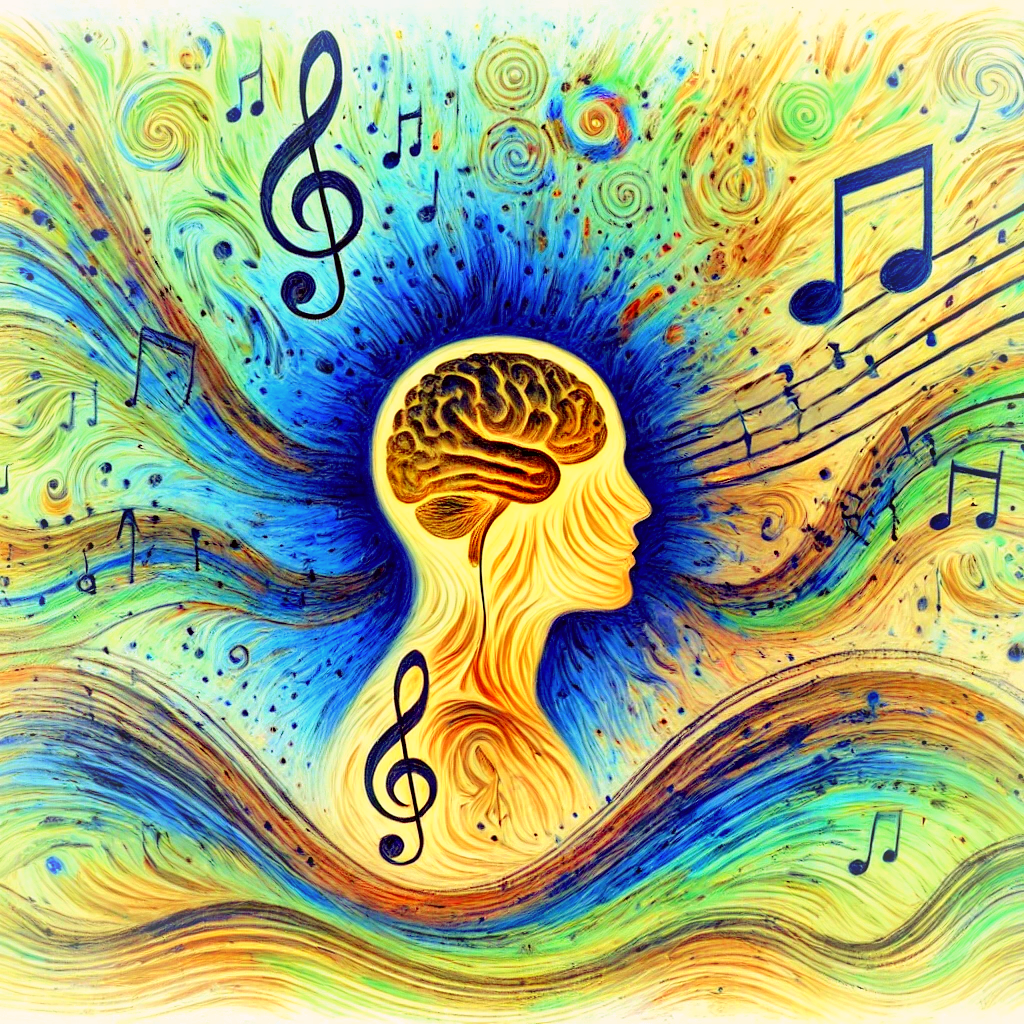
Music has long been recognized for its profound effects on human emotions, mental states, and even physical health. Specific sound frequencies, measured in Hertz (Hz), are believed to have therapeutic benefits that aid in relaxation, healing, and cognitive function. Ranging from 40 Hz to 1111 Hz, these frequencies interact with our bodies at both cellular and neurological levels, influencing our mood, sleep patterns, and even disease recovery. This article explores 15 well-known frequencies and their benefits while delving into the science behind how music affects the brain and body at varying volume levels.
Understanding Sound Frequencies and Their Effects
Sound frequencies impact the human body by interacting with brainwave activity, cellular vibrations, and physiological processes. The brain operates on different wave patterns, including Delta (0.5-4 Hz), Theta (4-8 Hz), Alpha (8-14 Hz), Beta (14-30 Hz), and Gamma (30-100 Hz). These frequencies influence relaxation, creativity, focus, and deep states of meditation.
Additionally, sound waves can resonate with water molecules, proteins, and neural pathways, creating tangible effects on bodily functions. Low, medium, and high volume levels also influence our perception and response to sound, which can either enhance or diminish music's healing properties.
How Much and When to Listen to Healing Frequencies
Morning (6 AM - 12 PM): Begin your day with energizing frequencies such as 528 Hz, 639 Hz, and 963 Hz for positivity and motivation.
Afternoon (12 PM - 6 PM): Utilize 417 Hz, 741 Hz, and 852 Hz to maintain focus and detoxify the mind from stress.
Evening (6 PM - 10 PM): Wind down with 396 Hz, 432 Hz, and 285 Hz to alleviate anxiety and prepare for relaxation.
Night (10 PM - 3 AM): Play 40 Hz, 111 Hz, and 174 Hz at low volume for deep sleep and healing.
Recommended Listening Duration
For general relaxation and healing: 3-15 minutes per frequency.
For deep meditation or specific ailments: 15-40 minutes per session.
For brainwave entrainment or cognitive enhancement: 40 Hz for at least 10 minutes daily.
For DNA repair and deep healing: 528 Hz for at least 35 minutes daily.
Avoid excessive exposure: Limit total listening time to 1-2 hours per day to prevent overstimulation.
Should Frequencies Be Listened to Separately or in Combination?
You can listen to individual frequencies for targeted effects or combine them for a holistic experience.
Headphones vs. Speakers: Which is Better?
Headphones: Ideal for binaural beats and deep meditation, as they provide direct frequency exposure to the brain.
Speakers: Suitable for filling the space with sound therapy, relaxation, and whole-body resonance.
Effect of Volume on Healing Frequencies
Low Volume (Soft Music)
Triggers the parasympathetic nervous system, reducing stress and promoting relaxation.
Enhances concentration and memory retention.
Supports meditation, deep breathing, and sleep regulation.
Medium Volume (Moderate Listening)
Balances dopamine and serotonin levels, improving mood.
Encourages physical movement and creativity.
Supports cognitive functions such as problem-solving and focus.
High Volume (Loud Music)
Stimulates adrenaline and increases heart rate.
Can be energizing but may also contribute to stress if excessive.
Overexposure may lead to hearing loss or overstimulation of the nervous system.
Famous Healing Frequencies and Their Benefits
1. 40 Hz – Cognitive Enhancement and Alzheimer’s Treatment
Stimulates gamma brainwave activity, linked to improved cognition.
Research suggests that 40 Hz can reduce amyloid plaques in Alzheimer’s patients.
Enhances focus, memory retention, and learning abilities.
2. 111 Hz – Cellular Regeneration and Meditation
Utilized in sacred music and meditation.
Believed to aid cellular healing and DNA repair.
Promotes deep relaxation and spiritual awareness.
3. 174 Hz – Pain Relief and Stress Reduction
Associated with natural pain relief and muscle relaxation.
Reduces anxiety and fosters emotional well-being.
Assists in healing tissues and alleviating headaches.
4. 285 Hz – Tissue Healing and Immune Boosting
Supports cellular repair and wound healing.
Strengthens immune system responses.
Decreases inflammation and enhances skin regeneration.
5. 396 Hz – Liberating Fear and Guilt
Facilitates the release of subconscious fears and negative emotions.
Cultivates feelings of security and confidence.
Beneficial for individuals dealing with trauma and depression.
6. 417 Hz – Facilitating Change and Breaking Negative Patterns
Cleanses negative energies and past traumas.
Encourages new beginnings and adaptability.
Balances the sacral chakra for emotional harmony.
7. 432 Hz – Natural Harmonic Tuning and Emotional Stability
Regarded as the "universal frequency" for emotional balance.
Harmonizes with the natural vibrations of the universe.
Alleviates stress, improves sleep, and promotes tranquility.
8. 440 Hz – Standard Music Tuning (Cautionary Frequency)
Employed as the standard tuning in modern music.
Some assert it induces agitation or discord in the body.
Others contend it maintains musical consistency and structure.
9. 528 Hz – DNA Repair and Heart Chakra Activation
Known as the "Miracle Frequency."
Facilitates cellular regeneration and repairs damaged DNA.
Promotes love, compassion, and positive energy.
10. 639 Hz – Harmonious Relationships and Communication
Enhances communication and interpersonal relationships.
Encourages peace and harmony within families and communities.
Balances the heart chakra for emotional well-being.
11. 741 Hz – Detoxification and Problem Solving
Cleanses the body of toxins and electromagnetic pollution.
Promotes mental clarity and problem-solving skills.
Stimulates creative thinking and awareness.
12. 852 Hz – Awakening Intuition and Higher Consciousness
Opens the third eye and enhances spiritual perception.
Increases intuition and clarity of thought.
Aids in breaking negative thought cycles.
13. 963 Hz – Pineal Gland Activation and Universal Connection
Stimulates the pineal gland for elevated states of consciousness.
Promotes enlightenment, intuition, and a connection to higher realms.
Enhances meditation experiences and spiritual awareness.
14. 999 Hz – Completion and Divine Energy
Symbolizes completion and fulfillment.
Encourages self-realization and inner peace.
Strengthens spiritual insight and divine connection.
15. 1111 Hz – Ultimate Synchronization and Manifestation
Though not a scientifically studied frequency, 1111 Hz is used in sound therapy and meditation to promote spiritual growth.
Linked with synchronicity and higher consciousness.
Boosts positive energy and manifestation abilities.
Aligns thoughts with universal frequencies for personal growth.
Conclusion: The Power of Sound Healing
Music is more than mere entertainment. It is a powerful tool for healing, emotional balance, and cognitive enhancement. Each frequency, from 40 Hz to 1111 Hz, possesses unique properties that interact with our biological systems, fostering healing and wellness. Whether employed in meditation, therapy, or everyday listening, understanding these frequencies enables us to harness the full potential of sound.

Herbs have been utilized for centuries as natural remedies, delivering remarkable health benefits. Among them, oregano (Origanum vulgare) and rosemary (Rosmarinus officinalis) stand out as two of the most potent herbs for boosting immunity, improving digestion, and enhancing overall well-being. But can they be combined in tea or meals? Absolutely! Not only are they safe to combine, but they also enhance each other’s medicinal properties.
In this article, we’ll explore the benefits of oregano and rosemary, how to use them together, and four additional powerful herbal blends that can strengthen the immune system and promote healing.
Oregano and Rosemary: The Perfect Herbal Pair
1. Oregano: The Natural Antibiotic
Oregano is a powerhouse of nutrients and compounds that combat infections and inflammation.
1. Rich in antioxidants (carvacrol, thymol, rosmarinic acid)
2. Has antibacterial and antiviral properties – effective against colds, flu, and respiratory infections
3. Supports digestion – reduces bloating, gas, and indigestion
4. Lowers blood pressure – supports heart health
5. Reduces inflammation – beneficial for arthritis and joint pain
2. Rosemary: The Brain Booster and Immune Protector
Rosemary is well known for enhancing memory, protecting against oxidative stress, and boosting circulation.
1. Enhances cognitive function – improves focus and memory
2. Protects the liver – aids in detoxification
3. Boosts the immune system – combats infections and supports respiratory health
4. Relieves stress and anxiety – has calming effects on the nervous system
5. Supports digestion – assists with bloating and acid reflux
How to Use Oregano and Rosemary Together
Oregano & Rosemary Tea Recipe
Drinking oregano and rosemary tea can provide immune support, aid digestion, and enhance mental clarity.
Ingredients
1 teaspoon dried oregano
1 teaspoon dried rosemary
1 cup hot water
Honey or lemon (optional)
Instructions
Add the herbs to a cup of hot water.
Cover and steep for 3 minutes.
Strain and enjoy warm.
This tea is beneficial during cold and flu season as it fights bacteria, clears congestion, and supports respiratory health.
Using Oregano and Rosemary in Cooking
Oregano and rosemary work wonderfully together in meals:
1. Perfect for meats – enhances the flavor of chicken, beef, and lamb
2. Great in soups and sauces – adds depth to tomato-based dishes
3. Tasty in bread and baked goods – works well in focaccia and savory biscuits
4 More Powerful Herbal Blends for Immunity and Healing
Besides oregano and rosemary, several other herbs work synergistically to enhance immune function and promote health. Here are four powerful herbal blends to try:
1. Ginger & Turmeric: The Ultimate Anti-Inflammatory Duo
This combination is excellent for reducing inflammation, easing digestion, and combating infections.
Ginger – Improves circulation, alleviates nausea, and fights colds
Turmeric – Rich in curcumin, a powerful anti-inflammatory compound
How to use:
Make ginger-turmeric tea by boiling fresh ginger slices and turmeric powder in hot water.
Add black pepper to enhance turmeric absorption.
2. Peppermint & Eucalyptus: The Respiratory Relief Blend
This duo is ideal for clearing congestion, reducing stress, and refreshing the body.
Peppermint – Aids with digestion, headaches, and sinus congestion
Eucalyptus – Opens airways and combats infections
How to use:
Inhale eucalyptus and peppermint steam for cold relief.
Drink peppermint-eucalyptus tea to soothe sore throats.
3. Chamomile & Lemon Balm: The Stress-Relieving Immunity Booster
This blend is perfect for calming the nervous system while supporting immune function.
Chamomile – Reduces stress, improves sleep, and alleviates inflammation
Lemon Balm – Boosts mood, eases anxiety and strengthens immunity
How to use:
Drink chamomile-lemon balm tea before bed for relaxation.
Use the tea as a skin tonic for its anti-inflammatory effects.
4. Thyme & Sage: The Antibacterial Defense Blend
This duo is known for fighting infections, soothing coughs, and promoting oral health.
Thyme – A natural expectorant that alleviates coughs and clears mucus
Sage – Enhances memory, combats bacteria, and improves throat health
How to use:
Make thyme-sage tea to alleviate colds and sore throats.
Gargle with thyme-sage infusion to prevent oral infections.
Conclusion: Boost Your Health with Herbal Power
Oregano and rosemary are an excellent herbal combination for immune support, digestion, and mental clarity. They offer countless health benefits when used in tea, cooking, or essential oils.
By incorporating other powerful herbal blends, such as ginger and turmeric, peppermint and eucalyptus, chamomile and lemon balm, and thyme and sage, you can naturally enhance your immune system and promote healing.
This article explores seven emerging computing technologies in the research and development phase that could reshape the AI, data storage, and cybersecurity industries in the coming years.
1. Quantum Computing: The Power of Qubits
Quantum computing leverages quantum mechanics to process information using qubits instead of classical bits. Unlike traditional bits, which can only be 0 or 1, qubits can exist in superposition, enabling them to perform multiple calculations simultaneously.
Advantages
- Exponentially faster computing power for complex problems
- Potential to break traditional cryptography methods
- Enhanced AI, drug discovery, and materials science research
Challenges
- Some quantum computers require ultra-low temperatures (~ -273°C), although room-temperature qubits are being explored
- High error rates and qubit instability
- Expensive and complex infrastructure
Major Players
- Google (Sycamore), IBM (Quantum System One), D-Wave, Rigetti Computing
2. DNA Computing: Harnessing Biological Molecules
DNA computing employs nucleotides (A, T, C, G) instead of transistors as fundamental computation units. DNA strands can perform parallel computations more efficiently than silicon-based processors, but it should not be confused with DNA storage, which focuses solely on data preservation.
Advantages
- Unmatched data storage density (1 gram of DNA = ~215 petabytes of data)
- Biocompatible and energy-efficient
- Holds potential for AI-driven biomedical applications
Challenges
- Slower processing speed compared to classical computers
- Strand degradation over time
- Expensive synthesis and sequencing processes
Applications
- Genetic engineering, personalized medicine, ultra-dense data storage
3. Neuromorphic Computing: Mimicking the Human Brain
The structure and function of the human brain inspire neuromorphic computing. Unlike deep learning, which relies on software-based neural networks, neuromorphic computing utilizes hardware-embedded artificial neurons and synapses.
Advantages
- Low energy consumption compared to GPUs and CPUs
- Faster and more adaptive AI learning capabilities
- Ideal for real-time data processing
Challenges
- Requires new software models and programming techniques
- Hardware development is still in the early stages
Major Players
- Intel (Loihi), IBM (TrueNorth), BrainChip
Potential Applications
- AI development, robotics, autonomous vehicles, real-time decision-making
4. Topological Quantum Computing: The Next Step in Quantum Stability
Traditional quantum computers face challenges with qubit instability. Topological quantum computing aims to improve quantum coherence by employing exotic particles known as anyons, which encode information more reliably.
Advantages
- More stable qubits (reduced quantum error rates)
- Longer-lasting quantum states
- Potentially scalable quantum architecture
Challenges
- Still in theoretical and early experimental stages
- Requires new fabrication techniques and materials
Major Player
- Microsoft (StationQ Project)
Applications
- Secure encryption, high-performance computing, advanced simulations
5. Ferroelectric Computing: A New Era for Memory and Processing
Ferroelectric computing uses materials that maintain electric polarization without a constant power supply, rendering them ideal for ultra-efficient memory storage and processing. Although primarily related to memory, this technology could affect overall computing efficiency.
Advantages
- High-speed, non-volatile memory (faster than current RAM and SSDs)
- Energy-efficient computing
- Potential to replace traditional DRAM and Flash storage
Challenges
- Requires further materials research
- Needs to be optimized software-hardware integration
Major Players
- MIT, Intel, Samsung
Applications
- Low-power devices, AI processing, and next-generation storage systems
6. Molecular Computing: The Future of Nano-Scale Processing
Molecular computing functions at nano and molecular levels, utilizing molecules as computational elements. It differs from DNA computing in exploring various molecular interactions beyond biological structures.
Advantages
- High-density molecular storage (potentially smaller than DNA storage)
- Ultra-low power consumption
- Can revolutionize bioinformatics and nanotechnology
Challenges
- Extremely slow processing speeds compared to traditional silicon chips
- Requires precise environmental conditions to operate
Applications
- Innovative drug delivery, synthetic biology, nano-electronics
7. Resonant Computing: The Power of Wave-Based Computation
Resonant computing is an emerging concept that does not rely on electrical charge. Instead, it utilizes waves (electromagnetic, mechanical, or phononic) to perform computations. Although not yet a fully established paradigm, it presents intriguing potential.
Advantages
- High-speed computation using frequency-based processing
- Could complement quantum and photonic computing
- Potential applications in ultra-sensitive sensors and AI inference
Challenges
- Experimental technology is still in the early stages
- Requires new hardware paradigms
Applications
- Advanced signal processing, AI accelerators, quantum-inspired computing
The Future of Computing: What Lies Ahead?
While classical computing will continue to dominate in the short term, these emerging technologies herald the next revolution in computation. Quantum, neuromorphic, and DNA computing may lead to advancements in AI, encryption, medicine, and materials science, while ferroelectric and molecular computing promise unprecedented efficiency. The potential of these technologies to coexist and optimize workloads based on efficiency, speed, and scalability is captivating and inspiring. The future of computing is closer than we think, filled with exciting possibilities.
Final Thoughts
The future of computing is closer than we think. As tech giants, research institutions, and startups heavily invest in next-generation computing, we can expect breakthroughs that will transform industries within the next decade.
What Does This Mean for You?
Staying informed about these emerging technologies is crucial for businesses, researchers, and tech enthusiasts. Concepts like quantum-safe encryption and neuromorphic AI are poised to become integral to everyday computing. The advancing technological landscape demands that we keep up with these trends to equip ourselves for success better.
The Russia-Ukraine war, which began with Russia's annexation of Crimea in 2014 and escalated into a full-scale conflict in 2022, has caused immense destruction, geopolitical instability, and economic turmoil. As the war continues, the search for viable peace solutions remains not just critical, but urgent.
This article explores potential diplomatic, military, and territorial compromise solutions backed by digital analysis, historical comparisons, and economic data. Additionally, it examines the possible consequences of not achieving peace.
2. Potential Peace Solutions
2.1 Territorial Compromises and Their Feasibility
One possible solution is a complete Russian withdrawal from all Ukrainian territory occupied since 2014. In exchange, Ukraine would make political and security concessions to ensure long-term stability.
Proposal: Russia Withdraws to Pre-2014 Borders, Ukraine Remains Neutral and Limits Strategic Weaponry
Complete Russian Military Withdrawal:
- Russian forces retreat from Crimea, Donetsk, Luhansk, Zaporizhzhia, and Kherson regions.
- Ukrainian sovereignty is restored within the internationally recognized 2013 borders.
Ukraine Declares Neutrality:
- Ukraine commits to not joining NATO and adopts a neutral security policy like Finland's before 2022.
- Ukraine could still engage in defense cooperation but without formal NATO membership.
Ukraine Limits Long-Range Missile Capabilities:
- Ukraine agrees not to develop or acquire long-range missiles capable of striking deep into Russian territory.
- Any deployment of such weaponry would require prior consultation with Russia and international security guarantors.
Resolution of Ethnic and Regional Conflicts through Civilized Dialogue:
- Ukraine guarantees the protection of Russian-speaking citizens and other ethnic minorities.
- Similar to Switzerland's canton system, autonomous or cultural self-governance models could be introduced in contested areas.
International Security Guarantees:
- Legally binding international agreements would protect Ukraine's sovereignty.
- The United Nations (UN), the European Union (EU), and the Organization for Security and Cooperation in Europe (OSCE) would act as mediators.
- This solution addresses Russia's security concerns while restoring Ukraine's territorial integrity. However, implementation depends on both sides' willingness to compromise.
2.2 Diplomatic and Military Hybrid Solutions
Achieving peace may require a combination of military deterrence and diplomatic engagement.
Alternative Peace Frameworks:
- The "Finlandization" Model
- Ukraine adopts a policy of military neutrality but retains economic and political ties with the West.
- Finland used this model during the Cold War to maintain sovereignty while avoiding NATO membership.
- A Multilateral Security Agreement
- A Ukraine-Russia-EU-US treaty ensuring non-aggression and economic cooperation.
- The Budapest Memorandum of 1994 failed so that this agreement would require stricter enforcement mechanisms.
3.2 Risk of Nuclear or Hybrid Warfare
Escalation could lead to Russia using tactical nuclear weapons, as hinted in Kremlin rhetoric. The cyber war could intensify, targeting critical infrastructure in NATO and allied nations. Western military aid to Ukraine could lead to direct NATO-Russia confrontations, increasing the risk of global conflict.
3.3 Global Economic and Political Fallout
Energy markets remain unstable, with fluctuating oil and gas prices. Food security is at risk, especially for Africa and the Middle East, which depend on Ukrainian grain exports. China's geopolitical influence grows as it mediates between Russia and the West. Military-industrial complexes in both NATO and Russia expand, leading to an arms race and increased global militarization. If the war continues without resolution, both sides risk further destruction, economic collapse, and an increasingly unpredictable international security environment.
4. Scientific and Digital Analysis
4.1 Ukraine's NATO Status and Its Impact on Peace Negotiations
As of 2024, Ukraine is not a NATO member but has "Enhanced Opportunity Partner" status, allowing close cooperation with NATO forces. While Ukraine has formally applied for NATO membership, full accession is unlikely during wartime due to Article 5, which commits NATO to defend member states in the event of an attack.
If Ukraine remains neutral and commits to non-NATO status, it could serve as a buffer state between Russia and the West, potentially easing Moscow's security concerns and opening diplomatic pathways for peace.
4.2 Data-Driven War Progression Analysis
Satellite imagery reveals changing front lines and levels of destruction. AI-based predictive models indicate that the war may persist for another 2 to 5 years if a diplomatic resolution is not reached. Economic data shows that Russia's military spending has risen by 30% during 2023-2024, while Ukraine's GDP contracted by over 29% in 2022 and faces challenges in its recovery.
4.3 Military Technology Comparisons
Russia relies on traditional artillery warfare, whereas Ukraine excels in drone warfare with NATO support. Ukraine's HIMARS missile strikes have pushed Russian forces back in critical areas, but Russia's defensive trench systems and electronic warfare capabilities have hindered Ukrainian advances. As Ukraine integrates AI-powered drones into its battlefield strategy, AI-driven defense systems are expected to play a more prominent role in future conflicts.
5. Conclusion
The most viable path to peace involves Russia withdrawing to its pre-2014 borders, Ukraine remaining neutral, and both parties agreeing to limitations on strategic weapons. This potential solution offers a glimmer of hope in an otherwise bleak situation.
If no agreement is reached, the war could devolve into a prolonged and devastating conflict with severe global repercussions. Energy crises, economic instability, militarization, and geopolitical polarization will continue to escalate, impacting not only Ukraine and Russia but also Europe, Asia, and beyond.
The most realistic solution entails a balanced approach that combines diplomatic negotiations, economic incentives, and international security guarantees. The success of this approach hinges not only on Russia and Ukraine's willingness to prioritize peace but also on the active participation of the global community.
This article is crafted for history enthusiasts, linguists, archaeologists, and curious readers intrigued by the mysteries of ancient civilizations. Dive into a comparative analysis of Egyptian and Mayan hieroglyphs, exploring their similarities, differences, and the challenges of deciphering these intricate writing systems. Whether you're a student of ancient scripts or simply fascinated by humanity's timeless quest for expression, this piece offers insights into the shared legacy and unique identities of these remarkable civilizations.
Similarities Across Hieroglyphic Systems
1. Visual Symbolism
All hieroglyphic systems employ visual symbols to convey meaning. These symbols often depict objects, animals, or human figures as literal representations or abstract ideas. For example, Egyptian hieroglyphs use images of birds, tools, and body parts, while Mayan glyphs incorporate stylized depictions of gods, animals, and celestial phenomena.
2. Dual Functionality: Phonetic and Ideographic
Hieroglyphs commonly serve dual purposes:
Phonetic symbols represent sounds or syllables.
Ideograms symbolize concepts or objects.
For instance, in Egyptian hieroglyphs, a “bee” could signify the sound “b” or represent royalty. Similarly, Mayan glyphs often combine phonetic components with logograms to form complex messages.
3. Religious and Monumental Usage
Hieroglyphs often adorned temples, tombs, and monuments, reflecting their sacred and ceremonial importance. Inscriptions like the Pyramid Texts document religious rituals and beliefs about the afterlife in Egypt. Similarly, Mayan stelae record historical events, ruler's achievements, and cosmological narratives.
Differences Between Hieroglyphic Systems
1. Structural Complexity
Egyptian Hieroglyphs: This system, which comprises over 1,000 symbols, balances phonograms, ideograms, and determinatives (contextual markers).
Mayan Hieroglyphs: With approximately 800 glyphs, they form a logographic-syllabic script requiring intricate combinations to construct meanings.
2. Writing Mediums
Egyptians inscribed hieroglyphs on stone, papyrus, and temple walls.
Mayans etched glyphs into stelae, pottery, and codices.
3. Decipherment Challenges
The ease of deciphering hieroglyphs varies:
The Rosetta Stone facilitated the understanding of Egyptian hieroglyphs by providing a trilingual inscription in Greek, Demotic, and hieroglyphic scripts.
Mayan glyphs were deciphered only in the 20th century through the work of linguists and archaeologists.
Famous Hieroglyphs and Their Translations
1. The Rosetta Stone
Discovered in 1799, the Rosetta Stone features the same text in Greek, Demotic, and Egyptian hieroglyphs. Jean-François Champollion's decipherment in 1822 unlocked the mysteries of ancient Egypt, revealing administrative decrees and religious practices.
2. The Pyramid Texts
Inscribed in the pyramids of Saqqara, these hieroglyphs are among the oldest religious texts. They detail spells and rituals to guide pharaohs to the afterlife.
3. Mayan Stelae
Stela D from Copán records the reign of 18-Rabbit, a prominent Mayan ruler. Its glyphs narrate his lineage, achievements, and astronomical alignments.
A Chronology Showing the Difficulties in Decoding Hieroglyphs Down to the Present Time: Which Hieroglyphic Symbols Have Not Been Deciphered Yet?
Undeciphered Symbols:
Egyptian Hieroglyphs: Some symbols, particularly those used for abstract ideas like emotions or more complex concepts, have resisted complete interpretation.
Maya Glyphs: Many symbols, especially those related to calendrical data, require more study to understand their meanings.
List of Undeciphered Hieroglyphs by "Names"
Egyptian Hieroglyphs:
Symbols representing abstract concepts (e.g., emotions, complex ideas)
Rare or unique glyphs used in religious contexts
Symbols found on isolated monuments not yet studied in depth
Maya Glyphs:
Symbols related to calendrical data (e.g., those used for recording dates, and agricultural cycles)
Glyphs with unclear phonetic or logographic meanings
Unstudied pottery or codices that could provide new insights
This chronology and list provide a glimpse into the challenges by scholars in decoding these ancient scripts and highlight the ongoing quest for knowledge in understanding the written legacy of our ancestors.
Revealing Ancient Voices: 15 and 12 Deciphered Sentences from Egyptian and Mayan Hieroglyphs
Egyptian Hieroglyphs:
1. “Rise, O Teti, you shall not die!” - From the Pyramid Texts, this inscription was meant to guide the deceased pharaoh through the afterlife, ensuring immortality.
2. “The king is the mighty bull, the conqueror of chaos.” - An inscription often found in temples, signifying the pharaoh’s role as a powerful deity who maintains order and combats chaos.
3. “May the gods protect this house and its people.” - Found on tombs and homes, this phrase invokes the gods to watch over the living and the deceased.
4. “Words of power are written on this wall to protect the pharaoh.” - A magical text meant to provide divine protection and ensure the king’s safety in life and death.
5. “Let the sun god Horus watch over me.” - An invocation for divine protection and guidance, reflecting the importance of the sun god in daily life and death.
6. “The goddess Hathor brings joy to the heart of the pharaoh.” - Inscribed on walls of temples and tombs, this phrase honors Hathor, goddess of love, music, and joy, and her special relationship with the king.
7. “Words of power to silence enemies and bring peace.” - Used in spells and magical texts to protect against evil and enemies, ensuring the of the deceased in the afterlife.
8. “May Osiris, god of the afterlife, welcome me into his realm.” - Found on tombs and funerary objects, this inscription expresses a desire for a favorable afterlife and acceptance by the god Osiris.
9. “The bull of the West guides the dead through the underworld.” - A reference to a god or spirit who assists in the journey through the underworld, providing protection and guidance to the deceased.
10. “The pharaoh’s name is written here in gold, signifying his eternal rule.” - Found in royal inscriptions, this sentence emphasizes the king’s divine status and his everlasting legacy.
11. “The boat of millions sails across the sky, bringing the deceased to the afterlife.” - An image and text describing the celestial journey of the dead, often associated with the sun god Ra.
12. “With these words, the pharaoh’s soul is bound to the stars.” - A poetic inscription meant to immortalize the king’s soul and elevate it to the heavens.
13. “Year after year, we transport the white stone from Tura to the pyramid of Khufu.” - This inscription, recorded by a scribe named Merer, describes the transportation of limestone from Tura quarries to Giza for casing the Great Pyramid. It provides insight into the labor and engineering processes during Khufu’s reign.
14. “The Friends of Khufu Gang.” - This phrase, painted on stones in red ink, identifies one of the labor crews who built the pyramid, showing their pride and loyalty to the king. These inscriptions reveal logistical details, the scale of the workforce, and the reverence held for Khufu during his reign.
15. “Khnum-Khufu, the Protector of Egypt, Builder of the Horizon.” - This is Khufu's full throne name, which means "Khnum protects me." Khnum was an important deity associated with creation and fertility. "Protector of Egypt": Indicates Khufu's role as the ruler and guardian of the land. "Builder of the Horizon": Refers to the Great Pyramid as the "Horizon of Khufu," a structure symbolizing the pharaoh's eternal connection to the sun god Ra and his journey to the afterlife.
Mayan Hieroglyphs:
1. “18-Rabbit, King of Copán, has ascended the throne.” - An inscription on a stela documenting the accession of a Mayan ruler, emphasizing the continuity of royal power.
2. “May the gods bless this land and its people.” - A common prayer found on stelae and other monuments, calling for prosperity and protection from the gods.
3. “The moon goddess grants favor to the people of this city.” - An invocation honoring lunar deities and their influence over time and agriculture.
4. “Let the rains bring fertility to the fields.” - A plea for agricultural abundance, often recorded to ensure successful harvests.
5. “Words of wisdom from the ancestors guide our rulers.” - Reflecting the Mayan belief in ancestral guidance, these inscriptions linked rulers to the wisdom of the past.
6. “This stela commemorates the birth of a new dynasty.” - An inscription marking the beginning of a new era or dynasty, showing the cyclical nature of Maya history.
7. “May the gods protect this ruler and his family.” - A protective prayer for the leader and his descendants, often found in inscriptions associated with new rulers.
8. “The calendar begins anew on this day.” - Signifying a new cycle in the Mayan calendar, important for agricultural planning and ritual activities.
9. “The ruler’s name is written in glyphs, marking his reign.” - Highlighting the importance of documenting the reign of a king, with his name and titles encoded in glyphs.
10. “This text records the events of the 13th k’atun, marking the end of an era.” - A reference to a significant period in the Mayan long-count calendar, often tied to monumental events.
11. “Let this sacrifice honor the gods and bring us to favor.” - A ritual offering inscription, explaining the importance of blood sacrifices to maintain cosmic order.
12. “The stars align in the sky to mark a significant event.” - An inscription linking astronomical observations to important ritual or historical events.
These sentences illustrate how hieroglyphs served not only as a means of communication but also as a medium for expressing religious beliefs, royal proclamations, and cultural narratives in ancient Egypt and the Mayan civilization.
Conclusion
The study of hieroglyphs reveals humanity’s universal desire to preserve history, express spirituality, and connect with the cosmos. While the similarities highlight shared human creativity, the differences underline the unique cultural contexts of ancient civilizations. As research continues, undeciphered hieroglyphs promise to unlock more insights into our ancestors’ lives and beliefs.
Discover the similarities and differences between Egyptian and Mayan hieroglyphs. Learn how ancient scripts were deciphered, their cultural significance, and the undeciphered mysteries that still captivate scholars today.
Archives
- All
- October 2026
- August 2026
- April 2026
- March 2026
- October 2025
- September 2025
- July 2025
- June 2025
- May 2025
- April 2025
- March 2025
- February 2025
- December 2024
- November 2024
- October 2024
- September 2024
- August 2024
- June 2024
- March 2024
- February 2024
- January 2024
- November 2023
- October 2023
- September 2023
- March 2023
- December 2022
- November 2022
- May 2022
- November 2020

Ads
SubMeet


Ads

Rose

