
SubMeet Blog Posts
Write your:
Biography, story, article or tidings.
Maximum 50.000  symbols (Depends on the browser) one post.
Maximum 10 posts per day, 100 posts per month, for one user.
We recommend using the Firefox browser to publish a post.



 Marshal
Music has long been recognized for its profound effects on human emotions, mental states, and even physical health. Specific sound frequencies, measured in Hertz (Hz), are believed to have therapeutic benefits that aid in relaxation, healing, and cognitive function. Ranging from 40 Hz to 1111 Hz, these frequencies interact with our bodies at both cellular and neurological levels, influencing our mood, sleep patterns, and even disease recovery. This article explores 15 well-known frequencies and their benefits while delving into the science behind how music affects the brain and body at varying volume levels.
Understanding Sound Frequencies and Their Effects
Sound frequencies impact the human body by interacting with brainwave activity, cellular vibrations, and physiological processes. The brain operates on different wave patterns, including Delta (0.5-4 Hz), Theta (4-8 Hz), Alpha (8-14 Hz), Beta (14-30 Hz), and Gamma (30-100 Hz). These frequencies influence relaxation, creativity, focus, and deep states of meditation.
Additionally, sound waves can resonate with water molecules, proteins, and neural pathways, creating tangible effects on bodily functions. Low, medium, and high volume levels also influence our perception and response to sound, which can either enhance or diminish music's healing properties.
How Much and When to Listen to Healing Frequencies
Morning (6 AM - 12 PM): Begin your day with energizing frequencies such as 528 Hz, 639 Hz, and 963 Hz for positivity and motivation.
Afternoon (12 PM - 6 PM): Utilize 417 Hz, 741 Hz, and 852 Hz to maintain focus and detoxify the mind from stress.
Evening (6 PM - 10 PM): Wind down with 396 Hz, 432 Hz, and 285 Hz to alleviate anxiety and prepare for relaxation.
Night (10 PM - 3 AM): Play 40 Hz, 111 Hz, and 174 Hz at low volume for deep sleep and healing.
Recommended Listening Duration
For general relaxation and healing: 3-15 minutes per frequency.
For deep meditation or specific ailments: 15-40 minutes per session.
For brainwave entrainment or cognitive enhancement: 40 Hz for at least 10 minutes daily.
For DNA repair and deep healing: 528 Hz for at least 35 minutes daily.
Avoid excessive exposure: Limit total listening time to 1-2 hours per day to prevent overstimulation.
Should Frequencies Be Listened to Separately or in Combination?
You can listen to individual frequencies for targeted effects or combine them for a holistic experience.
Headphones vs. Speakers: Which is Better?
Headphones: Ideal for binaural beats and deep meditation, as they provide direct frequency exposure to the brain.
Speakers: Suitable for filling the space with sound therapy, relaxation, and whole-body resonance.
Effect of Volume on Healing Frequencies
Low Volume (Soft Music)
Triggers the parasympathetic nervous system, reducing stress and promoting relaxation.
Enhances concentration and memory retention.
Supports meditation, deep breathing, and sleep regulation.
Medium Volume (Moderate Listening)
Balances dopamine and serotonin levels, improving mood.
Encourages physical movement and creativity.
Supports cognitive functions such as problem-solving and focus.
High Volume (Loud Music)
Stimulates adrenaline and increases heart rate.
Can be energizing but may also contribute to stress if excessive.
Overexposure may lead to hearing loss or overstimulation of the nervous system.
Famous Healing Frequencies and Their Benefits
1. 40 Hz – Cognitive Enhancement and Alzheimer’s Treatment
Stimulates gamma brainwave activity, linked to improved cognition.
Research suggests that 40 Hz can reduce amyloid plaques in Alzheimer’s patients.
Enhances focus, memory retention, and learning abilities.
2. 111 Hz – Cellular Regeneration and Meditation
Utilized in sacred music and meditation.
Believed to aid cellular healing and DNA repair.
Promotes deep relaxation and spiritual awareness.
3. 174 Hz – Pain Relief and Stress Reduction
Associated with natural pain relief and muscle relaxation.
Reduces anxiety and fosters emotional well-being.
Assists in healing tissues and alleviating headaches.
4. 285 Hz – Tissue Healing and Immune Boosting
Supports cellular repair and wound healing.
Strengthens immune system responses.
Decreases inflammation and enhances skin regeneration.
5. 396 Hz – Liberating Fear and Guilt
Facilitates the release of subconscious fears and negative emotions.
Cultivates feelings of security and confidence.
Beneficial for individuals dealing with trauma and depression.
6. 417 Hz – Facilitating Change and Breaking Negative Patterns
Cleanses negative energies and past traumas.
Encourages new beginnings and adaptability.
Balances the sacral chakra for emotional harmony.
7. 432 Hz – Natural Harmonic Tuning and Emotional Stability
Regarded as the "universal frequency" for emotional balance.
Harmonizes with the natural vibrations of the universe.
Alleviates stress, improves sleep, and promotes tranquility.
8. 440 Hz – Standard Music Tuning (Cautionary Frequency)
Employed as the standard tuning in modern music.
Some assert it induces agitation or discord in the body.
Others contend it maintains musical consistency and structure.
9. 528 Hz – DNA Repair and Heart Chakra Activation
Known as the "Miracle Frequency."
Facilitates cellular regeneration and repairs damaged DNA.
Promotes love, compassion, and positive energy.
10. 639 Hz – Harmonious Relationships and Communication
Enhances communication and interpersonal relationships.
Encourages peace and harmony within families and communities.
Balances the heart chakra for emotional well-being.
11. 741 Hz – Detoxification and Problem Solving
Cleanses the body of toxins and electromagnetic pollution.
Promotes mental clarity and problem-solving skills.
Stimulates creative thinking and awareness.
12. 852 Hz – Awakening Intuition and Higher Consciousness
Opens the third eye and enhances spiritual perception.
Increases intuition and clarity of thought.
Aids in breaking negative thought cycles.
13. 963 Hz – Pineal Gland Activation and Universal Connection
Stimulates the pineal gland for elevated states of consciousness.
Promotes enlightenment, intuition, and a connection to higher realms.
Enhances meditation experiences and spiritual awareness.
14. 999 Hz – Completion and Divine Energy
Symbolizes completion and fulfillment.
Encourages self-realization and inner peace.
Strengthens spiritual insight and divine connection.
15. 1111 Hz – Ultimate Synchronization and Manifestation
Though not a scientifically studied frequency, 1111 Hz is used in sound therapy and meditation to promote spiritual growth.
Linked with synchronicity and higher consciousness.
Boosts positive energy and manifestation abilities.
Aligns thoughts with universal frequencies for personal growth.
Conclusion: The Power of Sound Healing
Music is more than mere entertainment. It is a powerful tool for healing, emotional balance, and cognitive enhancement. Each frequency, from 40 Hz to 1111 Hz, possesses unique properties that interact with our biological systems, fostering healing and wellness. Whether employed in meditation, therapy, or everyday listening, understanding these frequencies enables us to harness the full potential of sound.
 VIP
VIP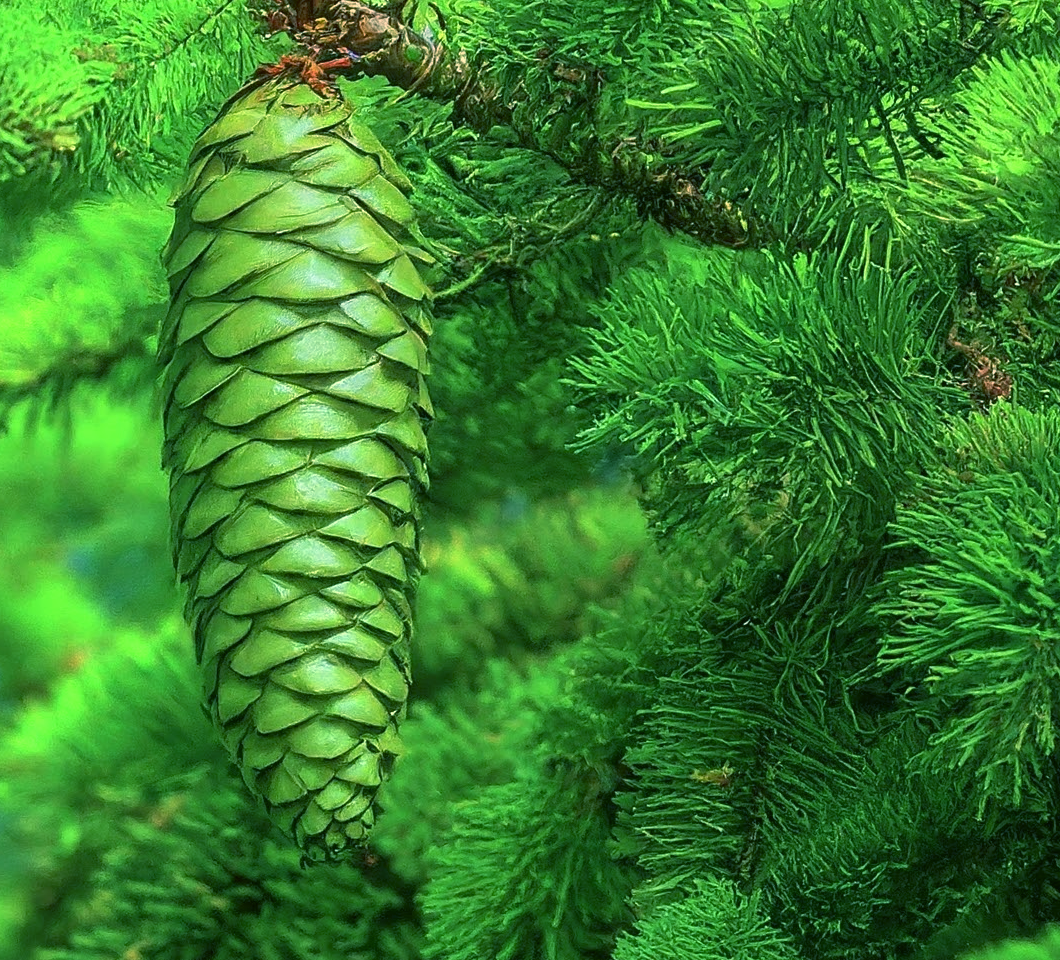
Introduction:
In the heart of serene forests, amidst the towering spruce trees, lies a hidden treasure - the green cones of spruce. While often overlooked, these vibrant cones possess a myriad of medicinal properties, offering a natural remedy for various ailments. Join us on a journey to explore the therapeutic potential of spruce green cones, from their preparation into healing concoctions to their applications in tackling common health issues.
Understanding the Medicinal Essence of Spruce Green Cones:
Spruce green cones are not just ordinary adornments of trees; they are reservoirs of bioactive compounds with remarkable health benefits. Rich in antioxidants, vitamins, and phytochemicals, these cones harbor nature's healing essence. Studies have revealed their potent anti-inflammatory, antimicrobial, and immune-boosting properties, making them invaluable in traditional medicine practices.
Harnessing the Healing Potential: Preparation of Medicines and Healing Jams:
Unlocking the healing potential of spruce green cones begins with proper preparation. To create medicinal extracts, begin by carefully harvesting young fresh green cones from healthy spruce trees during the spring or early summer months. Choose cones that are plump, vibrant in color, and free from any signs of damage or decay. The cones are then meticulously dried to preserve their therapeutic compounds. Once dried, they can be infused into various mediums such as oils, tinctures, or syrups to extract their beneficial constituents.
Here's a step-by-step guide on how to meticulously dry spruce cones to preserve their therapeutic compounds:
Once harvested, gently rinse the spruce cones under cold water to remove any dirt, debris, or insects.
Arrange the cleaned spruce cones in a single layer on a clean, dry surface, such as a baking sheet or wire rack. Ensure that the cones are spaced apart evenly to allow for adequate airflow between them.
Place the arranged spruce cones in a well-ventilated area with low humidity and indirect sunlight.
Allow the cones to air dry naturally for several days to one week, depending on the ambient conditions.
Periodically check the cones for dryness, gently touching them to assess their texture. They should feel firm and dry to the touch when fully dried.
Oven Drying (Optional):
Alternatively, you can speed up the drying process by using an oven set to a low temperature (around 200°F or 93°C) for 4-6 hours.
Place the arranged spruce cones on a baking sheet and place them in the preheated oven.
Keep the oven door slightly ajar to allow moisture to escape and prevent the cones from overheating.
Monitor the cones closely and remove them from the oven once they are completely dry.
Storing the Dried Cones:
Once the spruce cones are thoroughly dried, remove them from the drying area and let them cool to room temperature.
Store the dried cones in a clean, airtight container, such as a glass jar or resealable plastic bag.
Place the container in a cool, dark location away from sunlight and moisture to preserve the therapeutic compounds of the cones.
For those with a penchant for culinary creativity, crafting healing jams from spruce green cones offers a delectable alternative. By simmering the cones with water and sugar, their essence is infused into a flavorful jam rich in both taste and health benefits. This delightful spread not only pleases the palate but also serves as a potent therapeutic treat.
Utilization and Dosage Guidelines:
Incorporating spruce green cone medicines into your wellness routine requires a nuanced approach. Whether consumed internally or applied topically, moderation and proper dosage are key. Consultation with a healthcare professional is advised to tailor usage according to individual needs and health conditions.
For internal consumption, a recommended dosage of spruce green cone extract or jam may range from one to three teaspoons per day, depending on the intended therapeutic effect. As for topical applications, diluted extracts can be utilized in skincare formulations or as compresses to soothe inflammatory skin conditions.
Targeted Healing: Conditions Addressed by Spruce Green Cone Remedies:
The versatility of spruce green cone remedies extends to a diverse array of health concerns. From respiratory ailments such as coughs and bronchitis to musculoskeletal discomforts like arthritis and sore muscles, their anti-inflammatory and analgesic properties offer relief and support natural healing processes.
Furthermore, spruce green cones exhibit antimicrobial activity, making them valuable allies in combating infections and supporting immune function. Incorporating these remedies into holistic wellness practices can enhance overall health and vitality.
Types of Fir Cones:
Fir trees, belonging to the genus Abies, are renowned for their distinct cone structures, each harboring unique characteristics and therapeutic potential. Among the notable types of fir cones are:
Balsam Fir Cones (Abies balsamea):
Recognized by their cylindrical shape and resinous aroma, balsam fir cones are revered for their medicinal properties.
These cones contain essential oils rich in compounds like alpha-pinene and limonene, known for their anti-inflammatory and antimicrobial properties.
Extracts derived from balsam fir cones are utilized in aromatherapy to alleviate respiratory ailments and promote relaxation.
Douglas Fir Cones (Pseudotsuga menziesii):
Distinguished by their distinctive three-pronged bracts, Douglas fir cones are esteemed for their therapeutic versatility.
Rich in vitamin C and antioxidants, Douglas fir cones exhibit immune-boosting properties, aiding in the defense against infections and enhancing overall vitality.
Infusions and extracts derived from Douglas fir cones are employed in herbal medicine to support respiratory health and alleviate symptoms of colds and flu.
Grand Fir Cones (Abies grandis):
Grand fir cones, characterized by their elongated shape and resinous scales, offer a potent reservoir of medicinal compounds.
High in flavonoids and phenolic compounds, grand fir cones possess antioxidant and anti-inflammatory properties, contributing to their healing efficacy.
Decoctions and tinctures prepared from grand fir cones are utilized in traditional medicine to alleviate muscle pain, promote circulation, and soothe skin irritations.
Healing Properties of Fir Cones:
The therapeutic potential of fir cones extends beyond their aesthetic allure, encompassing a spectrum of healing properties that address various health concerns. Some of the notable healing properties include:
Respiratory Support:
Many species of fir cones contain volatile oils with expectorant and decongestant properties, making them valuable allies in promoting respiratory health.
Here are recipes for crafting spreads, ointments, and jams using fir cones, along with instructions for use, dosage, and form:
1. Fir Cone Spread:
Ingredients:
1 cup of fresh fir cones (thoroughly cleaned and dried (as described above))
1/2 cup of honey or maple syrup
Zest of one lemon (optional for added flavor)
Instructions:
In a food processor, combine the dried fir cones with honey or maple syrup and lemon zest (if using). Blend until smooth.
Transfer the mixture to a clean jar and store it in the refrigerator.
Spread this delicious fir cone spread on toast, or crackers, or use it as a sweetener in your favorite recipes.
Dosage and Form:
Enjoy 1-2 teaspoons of fir cone spread daily as a natural sweet treat.
Store the spread in a cool, dark place or refrigerate to maintain freshness.
2. Fir Cone Ointment:
Ingredients:
1 cup of fir cone oil (made by infusing fir cones in a carrier oil such as olive or coconut oil)
Infusion Process (preparation of cone oil):
Place the cleaned and dried fir cones (as described above) in a clean glass jar with a tight-fitting lid.
Pour the carrier oil of your choice over the fir cones, ensuring they are completely submerged.
Seal the jar tightly and shake it gently to ensure the fir cones are evenly coated with the oil.
Sun Infusion Method (Optional):
If desired, place the sealed jar in a sunny spot, such as a windowsill or outdoor area exposed to sunlight.
Allow the fir cones to infuse in the oil for 2-4 weeks, shaking the jar gently every few days to redistribute the ingredients.
Heat Infusion Method:
Alternatively, you can infuse the oil using heat. Place the sealed jar in a saucepan filled with water, creating a makeshift double boiler.
Heat the water over low heat, allowing the oil and fir cones to gently warm for 4-6 hours. Monitor the water level to ensure it doesn't evaporate completely.
Once infused, remove the jar from heat and let it cool to room temperature.
Straining:
After the infusion period is complete, strain the oil through a fine mesh sieve, cheesecloth, or coffee filter into a clean container.
Press the fir cones gently to extract as much oil as possible. Discard the used fir cones or compost them if desired.
2 tablespoons of beeswax pellets
Optional: a few drops of essential oils (such as lavender or eucalyptus) for added fragrance and therapeutic benefits
Instructions:
In a double boiler, gently heat the fir cone oil and beeswax pellets until the beeswax is completely melted.
Remove the mixture from the heat and stir in any optional essential oils.
Pour the melted ointment into clean, sterilized jars or tins.
Allow the ointment to cool and solidify before sealing the containers.
Dosage and Form:
Apply the fir cone ointment topically to areas of sore muscles, joint pain, or skin irritations.
Use as needed, massaging gently into the affected area until absorbed.
Store the ointment in a cool, dark place away from direct sunlight.
Inhalation of steam infused with fir cone extracts can help clear congestion, ease breathing, and soothe irritated airways, providing relief from coughs, bronchitis, and sinusitis.
Here's a step-by-step guide on how to perform inhalation of steam infused with fir cone extracts for respiratory relief:
Prepare the Fir Cone Extract:
Begin by making a concentrated infusion or extract of fir cones. You can achieve this by simmering fresh or dried fir cones in water for about 20-30 minutes.
Strain the liquid to remove any solid particles and transfer the infused liquid to a heat-resistant container.
Boil Water:
Fill a pot with clean water and bring it to a gentle boil on the stove.
Add Fir Cone Extract:
Once the water reaches a gentle boil, reduce the heat to low and carefully add a few tablespoons of the prepared fir cone extract to the pot.
Stir the mixture gently to ensure the fir cone extract is evenly distributed in the water.
Create a Tent:
While the water is still simmering, remove the pot from the heat source and place it on a stable surface.
Position your face over the pot, creating a tent with a towel draped over your head and the pot to trap the steam.
Inhale Steam:
Close your eyes and take slow, deep breaths, inhaling the steam infused with fir cone extract.
Allow the steam to penetrate your nasal passages and airways, providing relief from congestion and irritation.
Duration:
Inhale the steam for about 5-10 minutes, or until you feel relief from respiratory symptoms such as congestion, coughing, or sinus pressure.
Take breaks as needed to avoid discomfort or overheating.
Aftercare:
Once you've finished inhalation, carefully remove the towel and pot from your face.
Allow yourself to rest for a few minutes and avoid exposure to cold air or drafts immediately afterward.
Performing inhalation of steam infused with fir cone extracts can provide immediate relief from respiratory discomforts such as congestion, coughs, bronchitis, and sinusitis. Incorporate this natural remedy into your wellness routine as needed to support respiratory health and ease breathing.
Immune Enhancement:
The antioxidant-rich nature of fir cones aids in bolstering the immune system, protecting the body against oxidative stress and microbial threats.
Regular consumption of fir cone extracts or teas can fortify immune defenses, reducing the risk of infections and supporting overall well-being.
Anti-inflammatory Action:
Compounds found in fir cones exhibit anti-inflammatory effects, making them effective in alleviating pain and inflammation associated with conditions such as arthritis, rheumatism, and muscular injuries.
3. Fir Cone Jam:
Ingredients:
2 cups of fresh fir cones (thoroughly cleaned and dried (as described above))
2 cups of water
2 cups of sugar
Juice of one lemon
Instructions:
In a saucepan, combine the fir cones and water. Bring to a gentle boil, then reduce heat and simmer for about 20-30 minutes, until the fir cones have softened.
Strain the fir cone mixture through a fine mesh sieve or cheesecloth, pressing to extract as much liquid as possible.
Return the strained liquid to the saucepan and add sugar and lemon juice. Stir until the sugar has dissolved.
Bring the mixture to a rolling boil over medium-high heat, stirring occasionally, until it reaches the desired consistency (about 20-30 minutes).
Remove the jam from heat and let it cool slightly before transferring it into clean, sterilized jars.
Seal the jars and allow the jam to cool completely before storing it in the refrigerator.
Dosage and Form:
Enjoy fir cone jam spread on toast, biscuits, or as a topping for yogurt or desserts.
Consume as desired, either as a standalone treat or incorporated into your favorite recipes.
Remember to consult with a healthcare professional before using any herbal preparations, especially if you have any underlying health conditions or are pregnant or breastfeeding.
Conclusion:
In the midst of towering forests, the cones of fir trees emerge as nature's pharmacopeia, offering a treasure trove of healing compounds waiting to be discovered. From balsam to grand fir, each cone variety harbors its own unique blend of therapeutic properties, enriching our lives with their natural gifts. As we embrace the wisdom of the forest, let us harness the healing power of fir cones to nurture health, vitality, and connection to the natural world.
 VIP
VIP
Uncover the medicinal properties of popular spices like turmeric, cinnamon, ginger, and more, and learn how these flavorful ingredients can alleviate common health concerns.
In the realm of culinary delights, spices not only add a burst of flavor to dishes but also boast remarkable healing properties that have been treasured for centuries. These essential spices have been revered in traditional medicine for their ability to alleviate various health concerns, ranging from inflammatory conditions to digestive issues. Let's explore the medicinal wonders of these 61 powerhouse spices and the diseases they have been known to treat:
1 Turmeric
2 Cinnamon
3 Ginger
4 Garlic
5 Cumin
6 Paprika
7 Cayenne pepper
8 Cloves
9 Nutmeg
10 Saffron
11 Cardamom
12 Fennel seeds
13 Coriander
14 Mustard seeds
15 Fenugreek
16 Rosemary
17 Thyme
18 Oregano
19 Basil
20 Parsley
21 Dill
22 Sage
23 Tarragon
24 Mint
25 Bay leaves
26 Chili powder
27 Allspice
28 Black pepper
29 White pepper
30 Anise
31 Annatto
32 Caraway seeds
33 Celery seeds
34 Chili flakes
35 Curry powder
36 Sichuan pepper
37 Za'atar
38 Star anise
39 Asafoetida
40 Mace
41 Sumac
42 Juniper Berries
43 Epazote
44 Grains of Paradise
45 Long Pepper
46 Ajwain
47 Mahlab
48 Tamarind
49 Amchur (Mango Powder)
50 Black Cumin (Nigella Seeds)
51 Lavender
52 Holy Basil (Tulsi)
53 Ashwagandha
54 Astragalus
55 Elderberry
56 Echinacea
57 Reishi Mushroom
58 Chaga Mushroom
59 Maitake Mushroom
60 Schisandra Berry
61 Ginseng
Turmeric: Known for its potent anti-inflammatory properties, turmeric is commonly used to alleviate symptoms associated with arthritis, joint pain, and inflammatory skin conditions.
Cinnamon: This aromatic spice has been linked to improving blood sugar levels and aiding in the management of type 2 diabetes. Additionally, it may help reduce the risk of heart disease by lowering cholesterol levels.
Ginger: Renowned for its soothing effects on the digestive system, ginger can ease nausea, reduce indigestion, and alleviate motion sickness. It is also believed to have anti-inflammatory benefits for conditions such as osteoarthritis.
Garlic: With its antimicrobial and immune-boosting properties, garlic is hailed for its ability to combat common colds and flu. It is also known to support heart health by regulating blood pressure and cholesterol levels.
Cumin: Often utilized for its digestive benefits, cumin aids in promoting healthy digestion and alleviating symptoms of irritable bowel syndrome (IBS) and bloating.
Paprika: Packed with antioxidants and vitamin A, paprika supports eye health and may help reduce the risk of age-related macular degeneration and cataracts.
Cayenne Pepper: Due to its active compound capsaicin, cayenne pepper is utilized for pain relief, particularly for migraines, joint pain, and nerve-related conditions like neuropathy.
Cloves: Known for their analgesic properties, cloves can provide relief from toothaches and gum pain. They also possess antimicrobial qualities, making them effective in combating oral infections.
Nutmeg: With its calming effects, nutmeg is often used to promote relaxation and aid in improving sleep quality. Additionally, it is believed to help alleviate symptoms of anxiety and depression.
Saffron: Recognized for its mood-enhancing properties, saffron is used to alleviate symptoms of mild to moderate depression and promote emotional well-being.
Cardamom: Renowned for its digestive properties, cardamom aids in alleviating gastrointestinal issues such as indigestion, bloating, and gas. It is also believed to have antibacterial properties that promote oral health.
Fennel Seeds: With their soothing effects on the digestive system, fennel seeds are commonly used to alleviate symptoms of irritable bowel syndrome (IBS), bloating, and constipation. They also possess antimicrobial properties that support oral health.
Coriander: Known for its detoxifying properties, coriander aids in the removal of heavy metals from the body and supports healthy liver function. It is also believed to have antimicrobial benefits that help combat foodborne pathogens.
Mustard Seeds: Rich in antioxidants and minerals, mustard seeds are linked to improved heart health and reduced risk of cardiovascular diseases. They may also aid in relieving respiratory congestion and promoting healthy digestion.
Fenugreek: Often used to regulate blood sugar levels, fenugreek is beneficial for individuals with diabetes. It is also believed to enhance milk production in breastfeeding mothers and may aid in alleviating menstrual discomfort.
Rosemary: With its potent antioxidant properties, rosemary supports brain health and cognitive function. It is also utilized for its anti-inflammatory benefits and has been linked to improving digestion and circulation.
Thyme: Known for its antimicrobial and antifungal properties, thyme is commonly used to alleviate respiratory issues such as coughs, bronchitis, and chest congestion. It is also believed to support healthy immune function.
Oregano: Packed with antioxidants and antimicrobial compounds, oregano is hailed for its immune-boosting properties and its ability to combat bacterial infections. It may also aid in reducing inflammation and supporting digestion.
Basil: With its anti-inflammatory and antibacterial properties, basil is used to promote digestive health and alleviate symptoms of inflammatory bowel conditions. It is also believed to support liver function and overall detoxification.
Parsley: Rich in vitamins and minerals, parsley supports kidney health and aids in detoxification. It is also known for its diuretic properties, promoting the elimination of excess water and toxins from the body.
Dill: Known for its digestive and anti-inflammatory properties, dill is commonly used to alleviate digestive issues such as indigestion, gas, and bloating. It is also believed to have antimicrobial benefits that support oral health.
Sage: With its cognitive and mood-enhancing properties, sage is utilized to improve memory, concentration, and overall mental clarity. It is also believed to have anti-inflammatory benefits and may support oral health.
Tarragon: Recognized for its digestive and appetite-stimulating properties, tarragon is commonly used to alleviate digestive discomfort and improve appetite. It is also believed to have antibacterial properties that promote oral health.
Mint: Renowned for its soothing effects on the digestive system, mint is utilized to alleviate symptoms of indigestion, bloating, and irritable bowel syndrome (IBS). It is also known for its refreshing aroma and cooling sensation.
Bay Leaves: Packed with antioxidants and essential minerals, bay leaves are known for their immune-boosting properties and may aid in the management of diabetes by regulating blood sugar levels. They are also utilized for their anti-inflammatory benefits.
Chili Powder: With its active compound capsaicin, chili powder is utilized for its pain-relieving properties and may aid in reducing inflammation. It is also known to support metabolism and promote weight management.
Allspice: Known for its antioxidant and anti-inflammatory properties, allspice is used to promote digestive health and alleviate symptoms of indigestion and bloating. It is also believed to have antimicrobial benefits.
Black Pepper: Packed with piperine, black pepper aids in enhancing nutrient absorption and may improve digestive function. It is also known for its antioxidant properties and has been linked to improving overall gut health.
White Pepper: With its antibacterial properties, white pepper is utilized for its digestive benefits and may aid in alleviating symptoms of indigestion and bloating. It is also known for its mild, slightly tangy flavor.
Anise: Renowned for its digestive and respiratory benefits, anise is commonly used to alleviate symptoms of indigestion, gas, and coughs. It is also believed to have antimicrobial properties that support oral health.
Annatto: Rich in antioxidants and carotenoids, annatto is known for its anti-inflammatory properties and may aid in promoting heart health by lowering cholesterol levels. It is also utilized for its natural coloring properties in various dishes.
Caraway Seeds: With its digestive and antimicrobial properties, caraway seeds are commonly used to alleviate symptoms of indigestion, bloating, and gas. They are also believed to support healthy heart function and improve cholesterol levels.
Celery Seeds: Renowned for their anti-inflammatory and diuretic properties, celery seeds are utilized to promote healthy blood pressure and aid in reducing water retention. They may also support digestive health and help alleviate arthritis symptoms.
Chili Flakes: With their active compound capsaicin, chili flakes are used to enhance metabolism and promote weight management. They are also known for their pain-relieving properties and may aid in reducing inflammation.
Curry Powder: Packed with a blend of spices such as turmeric, cumin, and coriander, curry powder is known for its anti-inflammatory and digestive benefits. It is utilized to enhance the flavor of various dishes, particularly in Indian and Southeast Asian cuisines.
Sichuan Pepper: Renowned for its numbing and tingling sensation, Sichuan pepper is commonly used in Sichuan cuisine to add a unique flavor profile to dishes. It is also believed to have antibacterial properties and may aid in digestion.
Za'atar: With its rich blend of herbs such as thyme, oregano, and sumac, za'atar is known for its immune-boosting and digestive benefits. It is commonly used in Middle Eastern cuisine to flavor salads, meats, and dips.
Star Anise: With its distinct licorice-like flavor, star anise is used to promote digestive health and alleviate symptoms of indigestion and gas. It is also believed to have antibacterial properties and may aid in promoting healthy skin.
Asafoetida: Known for its digestive and anti-inflammatory properties, asafoetida is commonly used in Indian cuisine to aid in digestion and alleviate symptoms of indigestion and bloating. It is also believed to have antimicrobial benefits.
Mace: Packed with antioxidants and essential oils, mace is utilized for its anti-inflammatory and digestive benefits. It is commonly used in baking and sweet dishes to add a warm, aromatic flavor.
Sumac: Known for its antioxidant properties, sumac may help reduce oxidative stress and inflammation, potentially contributing to the prevention of chronic diseases such as heart disease and certain cancers.
Juniper Berries: Juniper berries are believed to have diuretic properties and may aid in promoting healthy kidney function. They are also utilized in traditional medicine for their potential to alleviate digestive issues such as bloating and indigestion.
Epazote: With its historical use in traditional medicine, epazote is believed to aid in alleviating digestive problems, including intestinal gas and bloating.
Grains of Paradise: Known for their anti-inflammatory properties, grains of paradise may contribute to reducing inflammation and supporting overall joint health. They are also believed to aid in digestive health and metabolism.
Long Pepper: Long pepper is utilized in traditional medicine for its potential antimicrobial properties and its role in promoting digestive health. It is also believed to have anti-inflammatory benefits.
Ajwain: Ajwain is commonly used in Ayurvedic medicine to aid in digestion, reduce flatulence, and alleviate stomach-related issues such as indigestion and bloating.
Mahlab: With its antioxidant properties, mahlab is believed to help protect cells from oxidative damage, potentially contributing to overall health and well-being.
Tamarind: Tamarind is known for its digestive benefits and is often used in traditional medicine to aid in alleviating digestive issues such as constipation and indigestion.
Amchur (Mango Powder): Amchur is known for its digestive properties and is believed to aid in alleviating acidity and promoting a healthy digestive system.
Black Cumin (Nigella Seeds): Black cumin seeds are recognized for their potential anti-inflammatory and antioxidant properties, and they are utilized in traditional medicine to support overall immune health and reduce inflammation.
Lavender: While not a spice, lavender is known for its calming and relaxing properties. It may help reduce anxiety and stress, which are often associated with depression. Lavender is commonly used in aromatherapy and as a herbal tea.
Holy Basil (Tulsi): Holy basil is considered an adaptogen, which means it may help the body adapt to stress. It is believed to have a calming effect and may help improve mood and reduce anxiety.
Ashwagandha: While primarily considered an herb, ashwagandha is utilized in Ayurvedic medicine for its stress-reducing properties. It may help improve resilience to stress and promote overall well-being.
Astragalus: While not commonly considered a spice, astragalus is used in traditional Chinese medicine for its immune-modulating effects. It is believed to support overall immune function and may help the body adapt to stress.
Elderberry: Elderberry is known for its high content of antioxidants and is often used to support the immune system, particularly during the cold and flu season. It is believed to help reduce the duration and severity of cold and flu symptoms.
Echinacea: Echinacea is recognized for its potential to enhance the immune system and reduce the risk of catching the common cold. It is often used in herbal remedies to support overall immune health.
Reishi Mushroom: Reishi mushrooms are known for their adaptogenic and immune-modulating properties. They are believed to help regulate the immune system and promote overall well-being.
Chaga Mushroom: Chaga mushrooms are rich in antioxidants and are believed to support immune function. They may help the body combat oxidative stress and promote overall health.
Maitake Mushroom: Maitake mushrooms are known for their potential to enhance the immune system. They are believed to help activate certain immune cells and support overall immune health.
Schisandra Berry: Schisandra berries are considered adaptogens and are known for their immune-supporting properties. They may help the body adapt to stress and promote overall well-being.
Ginseng: While ginseng is not typically categorized as a spice, it is utilized for its immune-modulating effects. It is believed to help enhance the body's natural defense mechanisms and promote overall vitality.
By harnessing the medicinal power of these natural wonders, you can embark on a journey toward holistic wellness and embrace a flavorful, health-conscious lifestyle.
 VIP
VIP
The Emerald is one of the world’s most precious gemstones and is instantly recognizable by its beautiful deep green hue. The name ‘Emerald’ stems from the Greek word meaning ‘green gem’. It is also known as the stone of ongoing love and success. First records about the use of Emeralds dates back further than 5000 years, where the stone was hailed for its spiritual properties. The gem was used as a defense against spells and the dark arts throughout early periods. Warding away evil spirits was a key reason many people wore Emeralds, but the stone was also regarded for its beauty, so much so that many kings, queens, and leaders used the gem when adorning themselves in jewelry.
In fact, Queen Cleopatra of Egypt is known to have been a great admirer of the stone. Egyptian Emerald mines discovered within the past century have uncovered much about how the area near the Red Sea was once a hotbed of precious Emeralds, which signified eternal youth, prosperity, and had alleged healing properties. Other civilizations, such as the Incas and Babylonians, are also believed to have held the stone in, particularly high regard. The emerald is also considered the fourth foundation of the New Jerusalem.
Emerald crystals have been used throughout history for their alleged healing properties. The gem is said to emit a green ray of energy and stimulate the heart chakra, bringing both emotional and physical benefits and assisting with mental health. The stone promotes truth, balance, and harmony, leading to greater positivity and clearer thought processes. It is this reason why many use Emerald to improve their life prospects or to help maintain stability and clarity of vision when undergoing stress and turbulent times.
The stone is renowned for its alleged ability to treat a variety of health conditions, especially concerning the heart and lungs. The gem can assist with detoxification and the treatment of infections. Those with allergies may find Emerald beneficial, especially people who often suffer from headaches and sinusitis. An Emerald eye bath is said to restore eyesight and treat poor vision. People with nervous conditions may benefit from Emerald’s soothing energy rays. The healing properties of the stone are also useful for many other conditions, such as (but not limited to): irritable bowel syndrome, eczema, stomach ulcers, and asthma.
Tag Search

Ads
SubMeet


Ads

Rose

