
SubMeet Blog Posts
Write your:
Biography, story, article or tidings.
Maximum 50.000  symbols (Depends on the browser) one post.
Maximum 10 posts per day, 100 posts per month, for one user.
We recommend using the Firefox browser to publish a post.



 Free
Dubai has become one of the most attractive destinations for entrepreneurs looking to establish an online business. With its growing digital economy, advanced logistics infrastructure, international customer base, and business-friendly regulations, the emirate offers excellent opportunities for ecommerce companies. Whether you want to sell clothing, electronics, beauty products, groceries, or digital services, understanding the company registration requirements is essential before starting operations.
For entrepreneurs planning How to Start an Ecommerce Business in Dubai, preparing the correct documentation is one of the first steps. Dubai offers mainland and free zone company formation options, each with different licensing procedures and documentation requirements. Having your passport copies, visa details, business activity information, and company formation documents ready can help make the registration process smoother. Choosing the right business structure also ensures that your ecommerce company operates within the applicable UAE regulations.
Documents Required to Open an Ecommerce Company in DubaiThe documents required depend on your chosen jurisdiction, business activity, legal structure, and shareholder nationality. However, most ecommerce business registration applications require the following documents.
1. Passport Copies of Shareholders
A clear copy of the passport is one of the primary documents required for ecommerce company registration in Dubai. Every shareholder and appointed company manager may need to submit a valid passport copy. If the business has multiple owners, passport copies of all shareholders are generally required.
2. UAE Visa or Entry Permit
Applicants who already live in the UAE may need to provide a copy of their residence visa and Emirates ID. Foreign investors applying from outside the country may be asked to provide their entry permit or relevant identification documents, depending on the licensing authority.
3. Passport-Sized Photographs
Recent passport-sized photographs of shareholders, directors, or authorised representatives may be requested during the application process. These photographs are generally used for company registration and immigration-related procedures.
4. Proposed Trade Name
You must select a unique business name for your ecommerce company. The proposed trade name should comply with Dubai's naming regulations and receive approval from the relevant licensing authority. It is advisable to prepare two or three alternative names in case your preferred option is unavailable.
5. Business Activity Details
You must clearly explain the products or services your ecommerce company intends to sell. For example, your activities may include online retail trading, electronic goods trading, fashion product sales, or digital product distribution. Selecting the correct activity ensures that your business licence covers your intended operations.
6. Business Plan
Some free zones and licensing authorities may request a business plan explaining your proposed ecommerce operations. This document can include your business model, target customers, product categories, marketing strategy, expected investment, and operational plans.
7. Memorandum of Association (MOA)
If you establish a company structure that requires an MOA, you must prepare and submit this document. It explains the company's ownership structure, shareholder responsibilities, and other important details. The MOA requirements depend on the selected legal structure.
8. Tenancy Contract or Office Address Details
Mainland businesses generally need to provide an approved business address and relevant tenancy documentation, where applicable. Free zones may offer flexi-desk, shared office, or dedicated office facilities depending on the selected package.
9. No Objection Certificate (NOC), If Required
Some applicants may need an NOC from their existing sponsor, depending on their visa status, employment arrangement, and the licensing authority's requirements. This is not a universal requirement for every ecommerce company.
Additional Documents for Corporate ShareholdersIf an existing company wants to establish an ecommerce business in Dubai, additional corporate documents may be necessary. These can include:
Certificate of Incorporation of the parent company.
Memorandum and Articles of Association.
Board resolution approving the new company formation.
Passport copies of authorised signatories.
Certificate of Good Standing, where required.
Power of Attorney authorising the appointed representative.
Foreign corporate documents may require notarisation, legalisation, UAE attestation, and Arabic translation, depending on the authority's requirements.
Mainland vs Free Zone Ecommerce Company SetupDubai provides two major options for ecommerce company formation.
A mainland ecommerce company is generally suitable for entrepreneurs who want to conduct business across the UAE market. It requires an appropriate commercial licence covering the intended ecommerce activity from the Dubai Department of Economy and Tourism.
A free zone ecommerce company is suitable for entrepreneurs interested in international trading, digital business operations, and specialised ecommerce facilities. Several free zones offer dedicated ecommerce licences and business setup packages.
However, free zone companies should check the applicable requirements before selling directly into the UAE mainland market. A local distributor or additional licensing arrangements may be necessary depending on the business model.
Steps to Register an Ecommerce Company in DubaiOnce your documents are ready, you can follow these general steps:
Select your ecommerce business activity.
Choose between mainland and free zone registration.
Decide on the legal structure and ownership arrangement.
Select and reserve your company trade name.
Submit shareholder documents and the licence application.
Obtain initial approval and any required external permissions.
Complete office or workspace requirements.
Pay the applicable registration and licensing fees.
Receive your ecommerce business licence.
After obtaining the licence, you can proceed with opening a corporate bank account, arranging a payment gateway, setting up delivery partnerships, and developing your online store.
Important Legal and Compliance RequirementsOpening an ecommerce company involves more than obtaining a business licence. Online businesses must comply with applicable UAE regulations, including consumer protection, electronic transactions, data privacy, and cybersecurity requirements.
Businesses selling regulated products may need additional approvals from the relevant government authorities. Ecommerce companies should also provide accurate product descriptions, protect customer information, and issue appropriate digital invoices.
VAT registration may also become necessary when the business meets the applicable mandatory registration threshold of AED 375,000 in taxable supplies and imports over the relevant period.
How Takween Advisory Can Help With Ecommerce Company FormationPreparing documentation and selecting the appropriate licence can be challenging, especially for foreign entrepreneurs establishing their first UAE business. Takween Advisory assists entrepreneurs with business activity selection, company registration, trade name reservation, licensing documentation, and mainland or free zone setup procedures.
With professional guidance, business owners can understand the applicable documentation requirements, select a suitable company structure, and complete the necessary registration formalities. Takween Advisory helps simplify the company formation journey so entrepreneurs can focus on developing their online stores and reaching new customers.
Frequently Asked Questions (FAQs)1. What documents are required to start an ecommerce business in Dubai?
Common documents include passport copies, UAE visa or entry permit details, passport-sized photographs, proposed trade name, business activity information, and company formation documents. Additional documents may be required depending on the jurisdiction and ownership structure.
2. Can a foreigner open an ecommerce company in Dubai?
Yes. Foreign entrepreneurs can establish ecommerce companies in Dubai through eligible mainland or free zone structures. Many activities permit 100% foreign ownership, subject to applicable regulations.
3. Do I need a trade licence to sell products online in Dubai?
Yes. Selling products through websites, mobile applications, social media, or digital marketplaces requires an appropriate business licence covering the relevant ecommerce activity.
4. Is a physical office required for an ecommerce company in Dubai?
Not necessarily. Some free zones offer flexi-desk or shared workspace options. Mainland companies must meet the relevant business address and premises requirements.
5. Can I open an ecommerce company in Dubai without living in the UAE?
Yes. Foreign investors can establish eligible companies without initially residing in the UAE. However, identification, incorporation, and immigration requirements must be fulfilled as applicable.
6. How long does it take to register an ecommerce company in Dubai?
The timeline depends on the selected jurisdiction, licence type, document readiness, and additional approvals. Straightforward applications may be completed relatively quickly, while applications requiring external permissions can take longer.
7. Do ecommerce companies in Dubai need VAT registration?
VAT registration is mandatory when taxable supplies and imports exceed AED 375,000 over the relevant period. Voluntary registration may be available once the applicable AED 187,500 threshold is met.
8. Which is better for ecommerce: mainland or free zone?
Mainland registration may suit businesses targeting customers throughout the UAE, while free zones can be attractive for international ecommerce operations and specialised business facilities. The right choice depends on your target market, activities, and operational requirements.
Conclusion
Opening an ecommerce company in Dubai offers entrepreneurs an opportunity to enter a growing digital marketplace. However, preparing the correct documents, selecting an appropriate licence, and understanding the registration requirements are essential for a successful launch. With support from Takween Advisory, entrepreneurs can navigate the company formation process and establish their ecommerce businesses with greater confidence.
FreeDubai has become one of the most attractive destinations for entrepreneurs looking to establish an online business. With its growing digital economy, advanced logistics infrastructure, international customer base, and business-friendly regulations, the emirate offers excellent opportunities for ecommerce companies. Whether you want to sell clothing, electronics, beauty products, groceries, or digital services, understanding the company registration requirements is essential before starting operations.
For entrepreneurs planning How to Start an Ecommerce Business in Dubai, preparing the correct documentation is one of the first steps. Dubai offers mainland and free zone company formation options, each with different licensing procedures and documentation requirements. Having your passport copies, visa details, business activity information, and company formation documents ready can help make the registration process smoother. Choosing the right business structure also ensures that your ecommerce company operates within the applicable UAE regulations.
Documents Required to Open an Ecommerce Company in Dubai
The documents required depend on your chosen jurisdiction, business activity, legal structure, and shareholder nationality. However, most ecommerce business registration applications require the following documents.
1. Passport Copies of Shareholders
A clear copy of the passport is one of the primary documents required for ecommerce company registration in Dubai. Every shareholder and appointed company manager may need to submit a valid passport copy. If the business has multiple owners, passport copies of all shareholders are generally required.
2. UAE Visa or Entry Permit
Applicants who already live in the UAE may need to provide a copy of their residence visa and Emirates ID. Foreign investors applying from outside the country may be asked to provide their entry permit or relevant identification documents, depending on the licensing authority.
3. Passport-Sized Photographs
Recent passport-sized photographs of shareholders, directors, or authorised representatives may be requested during the application process. These photographs are generally used for company registration and immigration-related procedures.
4. Proposed Trade Name
You must select a unique business name for your ecommerce company. The proposed trade name should comply with Dubai's naming regulations and receive approval from the relevant licensing authority. It is advisable to prepare two or three alternative names in case your preferred option is unavailable.
5. Business Activity Details
You must clearly explain the products or services your ecommerce company intends to sell. For example, your activities may include online retail trading, electronic goods trading, fashion product sales, or digital product distribution. Selecting the correct activity ensures that your business licence covers your intended operations.
6. Business Plan
Some free zones and licensing authorities may request a business plan explaining your proposed ecommerce operations. This document can include your business model, target customers, product categories, marketing strategy, expected investment, and operational plans.
7. Memorandum of Association (MOA)
If you establish a company structure that requires an MOA, you must prepare and submit this document. It explains the company's ownership structure, shareholder responsibilities, and other important details. The MOA requirements depend on the selected legal structure.
8. Tenancy Contract or Office Address Details
Mainland businesses generally need to provide an approved business address and relevant tenancy documentation, where applicable. Free zones may offer flexi-desk, shared office, or dedicated office facilities depending on the selected package.
9. No Objection Certificate (NOC), If Required
Some applicants may need an NOC from their existing sponsor, depending on their visa status, employment arrangement, and the licensing authority's requirements. This is not a universal requirement for every ecommerce company.
Additional Documents for Corporate ShareholdersIf an existing company wants to establish an ecommerce business in Dubai, additional corporate documents may be necessary. These can include:
Certificate of Incorporation of the parent company.
Memorandum and Articles of Association.
Board resolution approving the new company formation.
Passport copies of authorised signatories.
Certificate of Good Standing, where required.
Power of Attorney authorising the appointed representative.
Foreign corporate documents may require notarisation, legalisation, UAE attestation, and Arabic translation, depending on the authority's requirements.
Mainland vs Free Zone Ecommerce Company SetupDubai provides two major options for ecommerce company formation.
A mainland ecommerce company is generally suitable for entrepreneurs who want to conduct business across the UAE market. It requires an appropriate commercial licence covering the intended ecommerce activity from the Dubai Department of Economy and Tourism.
A free zone ecommerce company is suitable for entrepreneurs interested in international trading, digital business operations, and specialised ecommerce facilities. Several free zones offer dedicated ecommerce licences and business setup packages.
However, free zone companies should check the applicable requirements before selling directly into the UAE mainland market. A local distributor or additional licensing arrangements may be necessary depending on the business model.
Steps to Register an Ecommerce Company in DubaiOnce your documents are ready, you can follow these general steps:
Select your ecommerce business activity.
Choose between mainland and free zone registration.
Decide on the legal structure and ownership arrangement.
Select and reserve your company trade name.
Submit shareholder documents and the licence application.
Obtain initial approval and any required external permissions.
Complete office or workspace requirements.
Pay the applicable registration and licensing fees.
Receive your ecommerce business licence.
After obtaining the licence, you can proceed with opening a corporate bank account, arranging a payment gateway, setting up delivery partnerships, and developing your online store.
Important Legal and Compliance RequirementsOpening an ecommerce company involves more than obtaining a business licence. Online businesses must comply with applicable UAE regulations, including consumer protection, electronic transactions, data privacy, and cybersecurity requirements.
Businesses selling regulated products may need additional approvals from the relevant government authorities. Ecommerce companies should also provide accurate product descriptions, protect customer information, and issue appropriate digital invoices.
VAT registration may also become necessary when the business meets the applicable mandatory registration threshold of AED 375,000 in taxable supplies and imports over the relevant period.
How Takween Advisory Can Help With Ecommerce Company FormationPreparing documentation and selecting the appropriate licence can be challenging, especially for foreign entrepreneurs establishing their first UAE business. Takween Advisory assists entrepreneurs with business activity selection, company registration, trade name reservation, licensing documentation, and mainland or free zone setup procedures.
With professional guidance, business owners can understand the applicable documentation requirements, select a suitable company structure, and complete the necessary registration formalities. Takween Advisory helps simplify the company formation journey so entrepreneurs can focus on developing their online stores and reaching new customers.
Frequently Asked Questions (FAQs)1. What documents are required to start an ecommerce business in Dubai?
Common documents include passport copies, UAE visa or entry permit details, passport-sized photographs, proposed trade name, business activity information, and company formation documents. Additional documents may be required depending on the jurisdiction and ownership structure.
2. Can a foreigner open an ecommerce company in Dubai?
Yes. Foreign entrepreneurs can establish ecommerce companies in Dubai through eligible mainland or free zone structures. Many activities permit 100% foreign ownership, subject to applicable regulations.
3. Do I need a trade licence to sell products online in Dubai?
Yes. Selling products through websites, mobile applications, social media, or digital marketplaces requires an appropriate business licence covering the relevant ecommerce activity.
4. Is a physical office required for an ecommerce company in Dubai?
Not necessarily. Some free zones offer flexi-desk or shared workspace options. Mainland companies must meet the relevant business address and premises requirements.
5. Can I open an ecommerce company in Dubai without living in the UAE?
Yes. Foreign investors can establish eligible companies without initially residing in the UAE. However, identification, incorporation, and immigration requirements must be fulfilled as applicable.
6. How long does it take to register an ecommerce company in Dubai?
The timeline depends on the selected jurisdiction, licence type, document readiness, and additional approvals. Straightforward applications may be completed relatively quickly, while applications requiring external permissions can take longer.
7. Do ecommerce companies in Dubai need VAT registration?
VAT registration is mandatory when taxable supplies and imports exceed AED 375,000 over the relevant period. Voluntary registration may be available once the applicable AED 187,500 threshold is met.
8. Which is better for ecommerce: mainland or free zone?
Mainland registration may suit businesses targeting customers throughout the UAE, while free zones can be attractive for international ecommerce operations and specialised business facilities. The right choice depends on your target market, activities, and operational requirements.
Conclusion
Opening an ecommerce company in Dubai offers entrepreneurs an opportunity to enter a growing digital marketplace. However, preparing the correct documents, selecting an appropriate licence, and understanding the registration requirements are essential for a successful launch. With support from Takween Advisory, entrepreneurs can navigate the company formation process and establish their ecommerce businesses with greater confidence.
FreeBasketball is a sport that encourages passion, hard work, teamwork, and personal development. For young athletes, joining competitive tournaments is an exciting way to improve their skills, gain confidence, and experience the challenges of organized sports. bigtimehoops is committed to creating opportunities for youth basketball players through competitive tournaments and engaging sporting events.
Expanding Opportunities in Youth BasketballBigTimeHoops organizes basketball tournaments for boys and girls across several age divisions, including 9U through 18U. These events allow young athletes to compete against different teams, showcase their abilities, and gain valuable experience on the basketball court.
One of its featured programs is the Circuit of Champions. This tournament series brings youth basketball teams together for exciting competitions and encourages players to improve their performance throughout the season.
Participating in organized tournaments helps athletes develop important skills such as communication, coordination, teamwork, and game awareness.
Supporting Female Basketball AthletesGirls' basketball continues to grow, and providing competitive opportunities for female players is important. BigTimeHoops supports this development through its Divas of the Court tournament circuit.
This program gives girls' teams opportunities to demonstrate their talent, compete in organized events, and build confidence. It also promotes leadership, dedication, and sportsmanship among young athletes.
Creating Memorable Tournament ExperiencesSuccessful basketball tournaments require proper planning, professional management, and quality facilities. BigTimeHoops highlights certified officials, professional clock and table management, and suitable sports venues as important parts of its tournament experience.
The organization also features live-streaming opportunities and media coverage, allowing families and basketball supporters to follow the action. Photography helps capture memorable performances and important moments from tournament events.
Staying Connected With Basketball EventsBigTimeHoops provides helpful information about upcoming tournaments, event schedules, locations, and team rankings. Coaches and team organizers can explore competitions, while parents and basketball enthusiasts can stay informed about youth basketball activities.
Its online platform makes it easier for basketball communities to discover opportunities and follow competitive events.
The Value of Competitive BasketballYouth basketball is about more than scoring points or winning championships. It teaches young players how to work together, respect their opponents, manage challenges, and remain focused on improvement.
Through organized tournaments, BigTimeHoops helps athletes experience these important lessons while enjoying their passion for basketball.
ConclusionBigTimeHoops continues to encourage youth basketball participation through competitive tournaments and organized sporting opportunities. Its Circuit of Champions, Divas of the Court, and tournament-related services support players, coaches, and families.
 Free
In today's fast-paced pharmaceutical and biotech landscape, finding the right contract research and manufacturing partner can make all the difference. Chemo Dynamics, based in Sayreville, New Jersey, stands out as a reliable CRO and CMO dedicated to helping clients move from concept to market efficiently.
Chemo Dynamics offers a comprehensive range of services, including custom synthesis, process research and scale-up, analytical method development, and impurity isolation. Whether you need non-GMP or cGMP synthesis, medicinal or process chemistry support, or contract toll manufacturing, the team delivers tailored solutions that meet your specific project requirements.
What sets Chemo Dynamics apart is its commitment to personalized service. Every client receives dedicated attention, transparent communication, and performance tracking throughout the project lifecycle. The facility is equipped with modern laboratories, advanced analytical instrumentation, and reactors capable of handling small-scale through kilogram production. The company also holds a Controlled Substance License and brings specialized expertise in hydrogenation, specialty polymers, and biopolymers.
With a mission to help clients achieve faster marketplace entry with better, competitive products, Chemo Dynamics combines scientific excellence with cost-effective solutions.
Ready to discuss your next project? Contact Chemo Dynamics at (732) 721-4700 or visit www.chemodynamics.com today.
 Free
The chemical industry demands efficiency, trust, and quality at every step. eChemHub.com answers that need as a free global online trading platform built exclusively for chemicals. It brings buyers and sellers together on a single platform, supported by verified CRO/CMO partners and QC lab verification, so every transaction meets consistent quality standards.
Getting started is simple. Users enjoy free registration, unlimited listings, no upfront payments, and payment upon satisfaction. Whether you are a manufacturer with surplus inventory or a research team searching for a specific compound, eChemHub makes the process smooth and transparent. Sellers can list products without limits, while buyers gain access to a diverse global pool of chemical suppliers.
Beyond trading, eChemHub offers valuable support services. Technical consulting helps businesses solve complex challenges, while lab and plant equipment sourcing connects users with the right tools. Legal and patent assistance protects innovations, and logistics management ensures timely delivery. Quality control and product literature search round out the offerings, making eChemHub a complete solution.
Based in New Jersey, USA, eChemHub is backed by a proven GMP/CRO partner with over 50 years of experience. This foundation of reliability means confidential, hassle-free deals for every professional. Whether you want to buy chemicals or sell them, eChemHub delivers the tools, network, and confidence needed to grow your business in a competitive market.
Contact: (732) 721-4700
Website: https://www.echemhub.com/
 Free
In the rapidly evolving world of chemical research and industrial applications, finding a reliable partner for custom synthesis is essential. ChemHub has established itself as a trusted name in the field of pheromone intermediates and semiochemicals, delivering fast turnaround and innovative solutions for complex chemical projects.
With deep expertise in organic synthesis, the ChemHub team provides valuable technical feedback and dependable support tailored to each client's specific needs. Whether you are exploring new research opportunities or scaling existing processes, their experienced professionals work closely with you to understand requirements and deliver efficient, high-quality results. Most semiochemicals and intermediates are completed within 3-4 months, ensuring projects stay on track.
ChemHub combines speed, innovation, and technical excellence to support research and industrial applications worldwide. The team is committed to building long-term partnerships through transparent communication and consistent quality. From initial consultation to final delivery, ChemHub ensures a smooth and reliable experience for every client.
If you are looking for custom pheromone intermediates or semiochemicals, ChemHub is ready to assist. Contact them today at (732) 721-4700 or visit https://chemhub.com/ to discuss your requirements and discover how they can bring your projects to life.
 Free
In today's fast-paced automobile market, visibility and speed are everything. ZenLitePro is a powerful Facebook Marketplace automation tool designed specifically for automobile sellers, dealerships, and resellers who want to streamline their vehicle listings, boost exposure, and increase conversions.
ZenLitePro allows you to bulk post vehicle listings daily, auto-delete sold inventory, and manage multiple Facebook accounts securely with residential proxy support. Whether you sell cars, trucks, boats, trailers, or heavy equipment, ZenLitePro gives you a serious edge over manual posting methods. The tool adapts to Facebook's interface changes and ensures each listing is compliant and optimized for maximum visibility.
One of the standout features is the new ZenLite AutoLister, which automatically scrapes vehicle details from any dealership website and auto-fills them into Facebook Marketplace listings in seconds. No more manual typing or copy-pasting—just one click and your listing is ready to publish.
ZenLitePro also offers one-click posting automation, effortless one-click deletion, flexible licensing, and simple integrated or manual inventory management. It supports multi-user team functionality with role-based access and universal compatibility across Windows devices.
Whether you are a solo seller listing a few vehicles or a large dealership network managing thousands of listings, ZenLitePro scales with your business. Start your 15-day free trial today and grow your automobile business effortlessly.
Contact: (877) 848-2216
Website: https://www.zenlitepro.com/
 Free
Most people start planning the Everest Base Camp trek with one question: How much will it cost? The honest answer is that the total can vary widely. An Indian trekker flying from Kolkata in October, sharing a guide, and eating dal bhat may spend around ₹80,000. Someone flying from Bengaluru during peak season, choosing upgraded accommodation, and returning by helicopter could spend more than ₹2.5 lakh.
Both trekkers can experience the spectacular Himalayan landscape. What differs is the number of decisions they make along the way.
This guide breaks down the everest base camp trek cost from India, from flights out of your city to the tip you give your guide in Lukla. It is written for Indian trekkers, with costs in rupees, permit considerations for Indian passport holders, and practical advice for planning around Indian leave calendars and booking habits.
All figures are estimates. Prices vary by season, exchange rates, and trekking operator, so confirm important details before making payments.
The Short Answer: Three Everest Base Camp Trek Budget LevelsIf you only read one section, start here.
Lean budget: ₹80,000–₹1,00,000. Book flights early, travel in a group, share a porter, rent equipment, and keep food choices simple.
Comfortable budget: ₹1,10,000–₹1,60,000. Hire a guide, choose decent lodges, carry less luggage, and maintain a buffer for weather delays.
Premium budget: ₹1,70,000–₹2,50,000 or more. Choose a full-service package, upgraded rooms where available, additional acclimatisation days, or a helicopter return.
Many first-time Indian trekkers may find the comfortable budget a practical middle ground. It offers room for essential services and unexpected expenses without paying for luxury you may not need at high altitude.
Everest Base Camp Trek Cost Breakdown from IndiaExpenseApproximate Cost (₹)Return flight from India to Kathmandu10,000–25,000Return flight to Lukla30,000–38,000Trekking permits2,200–3,000Teahouse accommodation for 11 nights9,000–25,000Food and drinks on the trail22,000–35,000Licensed guide, including tip24,000–40,000Porter (optional)17,000–25,000Travel insurance3,500–8,000Kathmandu accommodation and transfers4,000–12,000Gear rental or purchase3,000–25,000Charging, Wi-Fi, showers, and extras5,000–12,000These are indicative ranges, not a guaranteed package price. Check whether your operator's quotation includes flights, permits, meals, accommodation, guide services, porter services, and airport transfers.
1. Flights from India to KathmanduAirfare is one of the expenses you can influence most through early planning. Delhi and Kolkata can be convenient departure points, while flights from Mumbai, Hyderabad, Chennai, and Bengaluru may cost more depending on connections and dates.
Fares often rise around busy travel periods. A return ticket that costs approximately ₹12,000 during a quieter month may rise to ₹25,000 during Diwali week or early October. April can offer another option for spring trekking, although demand remains significant.
Money-saving tip: Aim to book flights around 10–12 weeks before a spring or autumn trip. Compare different departure dates and avoid relying on last-minute discounts.
2. The Lukla Flight and the Ramechhap ConnectionMost trekkers fly to Lukla to avoid a long approach on foot from the road network. Although the flight is short, it can be a substantial part of the budget.
Two factors deserve particular attention.
Ramechhap DeparturesDuring some periods, flights to Lukla operate from Ramechhap (Manthali) rather than Kathmandu. Reaching the airport involves a road transfer and may require an additional overnight stay.
Check your flight departure airport carefully and confirm whether the transfer and accommodation are included in your package.
Weather-Related Flight DelaysWeather around Lukla can disrupt flights. Keep one or two buffer days in your itinerary, where possible, and avoid scheduling your international departure for the same day as your return flight from Lukla.
An extra night in Kathmandu may cost a few thousand rupees, while changing an international ticket can be considerably more expensive.
3. Everest Base Camp Trek Permits: What Indian Trekkers PayThe Everest region has permit requirements that trekkers should confirm before departure. Two commonly discussed charges are the Sagarmatha National Park entry fee and the Khumbu Pasang Lhamu Rural Municipality permit.
The estimated combined cost in this guide is ₹2,200–₹3,000. The actual amount depends on the applicable fees and exchange rate, so verify the current charges with your operator or the relevant authorities.
Permits may be obtained at designated checkpoints or offices along the route, depending on the permit and current arrangements. Your guide or trekking agency can usually help coordinate the process.
Keep these points in mind:
TIMS card: Confirm current Everest-region requirements before paying for a TIMS card, as local permit arrangements differ from those used on some other Nepal trekking routes.
Nepal visa for Indian citizens: Indian citizens generally do not need a visa to enter Nepal. Carry valid, accepted identification and check the current entry requirements before travelling.
Permit fees: Ask for an itemised breakdown so you know which charges are included in your package.
A guide can make your trek easier to manage by helping with navigation, permits, checkpoints, pacing, and decisions when conditions change. Confirm current guide requirements with your operator before departure, as regulations and local enforcement can change.
A guide may cost around ₹2,000–₹3,000 per day. Across a 12-day itinerary, the total may be approximately ₹24,000–₹40,000, depending on the arrangement and whether tips are included.
Why Hire a Guide?A knowledgeable guide does more than lead the way. They can monitor how you are coping with altitude, help you recognise warning signs, and advise when to slow down or descend. These responsibilities are particularly important on a trek where altitude is a major risk.
Is Hiring a Porter Worth It?A porter carries trekking luggage, with weight limits depending on the operator and arrangement. Sharing a porter between two trekkers can reduce costs.
A porter may be particularly helpful if you are new to high-altitude trekking or want to conserve energy during long walking days. Confirm the porter’s weight limit, insurance, and working conditions with your operator.
Guide and Porter TipsTipping is common in the Khumbu region. A suggested benchmark in this guide is NPR 3,000–5,000 each for a guide and porter on a 12-day trek, adjusted for service quality and group size. Confirm a reasonable amount with your operator before departure.
5. Teahouse Accommodation and Food CostsOn the Everest Base Camp trek, you generally stay in family-run teahouses rather than tents. Rooms are often simple, with twin beds, shared bathrooms, and limited heating. The dining room, usually warmed by a stove, becomes a gathering place in the evening.
Teahouse AccommodationRoom rates tend to rise with altitude. Lodges at lower elevations may be relatively inexpensive, while accommodation around Lobuche and Gorak Shep can cost more.
Some lodges offer lower room rates when guests purchase meals there. Ask about the arrangement before booking and budget for both accommodation and food.
Food and Drinks on the TrailFood becomes more expensive as supplies must be carried farther into the mountains. A meal at Gorak Shep can cost substantially more than the same type of meal in Lukla.
Dal bhat is a popular choice because it is filling and often includes refills. Western options such as pizza and pasta are also available at some lodges, but they may be expensive at higher elevations.
Consider packing lightweight snacks from India, such as energy bars, roasted chana, and electrolyte sachets. These can be useful when your appetite decreases at altitude.
Drinking Water CostsBottled water can become expensive at higher elevations. A suitable water filter or purifier can help reduce costs, provided you use it according to its instructions and follow safe water-treatment practices.
6. Travel Insurance for the Everest Base Camp TrekTravel insurance is not an expense to minimise at the cost of safety. Helicopter evacuation from the Khumbu can cost a very large amount without suitable coverage, and serious altitude illness may require urgent assistance.
Before buying a policy, check four important details:
Altitude limit: Confirm that the policy covers the maximum altitude on your itinerary, including Kala Patthar if you plan to visit it.
Emergency evacuation: Check whether helicopter rescue and transport to a hospital are covered.
Altitude-related illness: Verify coverage for altitude sickness and related medical emergencies.
Travel disruption: Check whether flight delays, cancellations, or trip interruption are covered.
A suitable policy may cost around ₹3,500–₹8,000, depending on the insurer, duration, and coverage. Read the exclusions carefully before purchasing.
7. Trekking Gear: Rent, Borrow, or Buy?Equipment can quietly increase your total Everest Base Camp trek cost. Buying a jacket, sleeping bag, trekking boots, poles, and multiple layers from scratch can cost more than ₹25,000.
A practical approach is to divide your equipment into three groups.
Buy Personal EssentialsConsider buying well-fitting trekking boots, socks, base layers, a headlamp, sunglasses, and personal medication. Boots should be broken in before the trek.
Rent in KathmanduDepending on availability and quality, you may be able to rent a down jacket, a suitably rated sleeping bag, and trekking poles.
Borrow Suitable EquipmentDaypacks, rain jackets, and gloves may be borrowed from friends if they fit properly and are in good condition.
Ask your trekking operator which items are provided. Some packages include a duffel bag or sleeping bag, which can help reduce your expenses.
8. Hidden Costs of the Everest Base Camp TrekExtra expenses are easy to overlook when comparing headline package prices. Common examples include:
Hot showers, device charging, and Wi-Fi, especially at higher elevations.
Additional nights in Kathmandu after delayed or cancelled flights.
Snacks, soft drinks, and chocolate at higher trail prices.
Celebration meals and souvenirs.
Laundry, repairs, or replacement equipment.
Additional rest days if altitude or weather affects your itinerary.
Set aside a contingency of around 10–15% of your estimated budget. If you do not need to spend it, that is a good outcome.
9. How Your Itinerary Affects Your SpendingA standard Everest Base Camp trek often takes around 12–14 days, depending on the itinerary, acclimatisation plan, and travel arrangements.
Trekking stageOvernight stopApproximate altitudeFly to Lukla and walk to PhakdingPhakding2,610 mPhakding to Namche BazaarNamche Bazaar3,440 mAcclimatisation dayNamche Bazaar3,440 mNamche to TengbocheTengboche3,860 mTengboche to DingbocheDingboche4,410 mAcclimatisation dayDingboche4,410 mDingboche to LobucheLobuche4,940 mLobuche to Gorak Shep and Everest Base CampGorak Shep5,164 mKala Patthar sunrise and descentPheriche4,240 mEverest Base Camp is approximately 5,364 m above sea level, while Kala Patthar reaches around 5,545 m and is a common high point for trekkers.
Acclimatisation days are essential parts of a sensible itinerary, not optional luxuries. Cutting them to save money can increase the risk of altitude illness and disrupt the entire trek.
10. How the Season Affects Trek CostsThe main trekking windows are March to May and late September to November. These periods often offer favourable trekking conditions, although weather remains unpredictable.
Spring: March to MaySpring is popular with trekkers and climbers. Demand can affect flight prices and room availability, so early booking is useful.
Autumn: Late September to NovemberAutumn is another popular season, with October often seeing high demand. Book flights and accommodation early where possible.
Winter and MonsoonWinter can be quieter and less expensive, but temperatures at altitude can be extremely cold. The monsoon brings rain, cloud, and possible landslide disruptions.
If your dates are flexible, compare prices in April and the second half of November. Conditions and availability vary each year, so check current forecasts and local advice before making a decision.
11. Practical Ways to Reduce Your Everest Base Camp Trek CostYou can manage your budget without compromising safety by planning carefully.
Book flights early: Airfare can make a significant difference to your total spending.
Travel in a group: Sharing eligible guide and porter expenses can reduce the cost per person.
Keep dates flexible: Shifting your trip by several days may help you find better fares.
Rent selected equipment: Avoid buying expensive items you may only use once.
Bring suitable snacks: Lightweight snacks and a safe water-treatment system can help manage trail expenses.
Compare itemised quotes: Check whether permits, airport transfers, meals, accommodation, and Lukla flights are included.
Keep a contingency fund: Weather delays and additional nights can increase your spending.
Do not compromise on safety: Suitable insurance, acclimatisation days, and qualified support are not good places to cut costs.
The 2 PM rule is a turnaround guideline associated with Everest summit attempts. If climbers have not reached the summit by a predetermined cutoff, often around 1–2 PM, they turn back even if the summit appears close. Individual teams may set an earlier cutoff depending on conditions and their plan.
The reasons are straightforward:
Daylight: Descending from the summit takes hours, and a late descent can continue into darkness.
Oxygen: Climbers using supplemental oxygen have carefully planned supplies, and delays can create additional risks.
Weather: Afternoon conditions can deteriorate, increasing exposure to wind and storms.
Decision-making: Extreme altitude and fatigue can impair judgement and make it harder to recognise when to stop.
The rule is widely discussed in connection with the 1996 Everest disaster, when climbers were caught in severe weather after delays and other contributing factors.
You are not climbing Everest on the Everest Base Camp trek, but the principle still applies. Set realistic turnaround times for Kala Patthar and other high points. If symptoms worsen, particularly with confusion or unsteady walking, descend and seek appropriate help. Your health matters more than reaching a viewpoint.
13. Should You Plan the Trek Yourself or Use an Operator?It is possible to arrange parts of the trek independently, but savings may be smaller than expected once you account for guides, permits, transport coordination, and possible disruptions.
A reliable operator can be especially helpful when plans change because of a cancelled Lukla flight, illness, or a missed connection.
When comparing companies, look for one that:
Works with qualified local guides in Nepal.
Explains inclusions and exclusions clearly.
Provides an itemised quotation.
Has a practical plan for flight disruptions and emergencies.
Communicates clearly about permits, equipment, accommodation, and meals.
TrekYaari, a Delhi-based adventure company, helps Indian trekkers plan routes in India and Nepal and works with guides on the Nepal side.
Before booking, ask for an itemised quote so you can compare the full expected cost rather than only the advertised package price.
Frequently Asked Questions About Everest Base Camp Trek Cost1. What is the average Everest Base Camp trek cost from India?Many guided itineraries may cost around ₹1,10,000–₹1,60,000 per person, while a carefully planned lean budget may start around ₹80,000. The final amount depends on flights, season, services, and personal spending.
2. Do Indians need a visa for Nepal?Indian citizens generally do not need a visa to enter Nepal. Carry an accepted identity document and confirm the latest entry requirements before travelling.
3. Is a TIMS card required for the Everest Base Camp trek?Permit arrangements in the Everest region differ from those on some other Nepal trekking routes. Confirm the current requirements with your operator or the relevant authorities before paying for a TIMS card.
4. How many days are needed for the Everest Base Camp trek from India?Plan approximately 12–14 days from Kathmandu, depending on the itinerary. Include acclimatisation days and a buffer for possible flight delays.
5. Is the Everest Base Camp trek difficult?The trek is generally considered moderate to strenuous. Technical climbing is not normally required, but altitude, long walking days, and changing weather make fitness, acclimatisation, and preparation essential.
6. When is the best time to do the Everest Base Camp trek?The main trekking windows are March to May and late September to November. Conditions vary each year, so check current weather and local guidance before travelling.
Plan Your Everest Base Camp Trek with TrekYaariThe numbers are only the beginning. Turning your budget into a well-organised trek is where the right team can make a difference.
Share your travel dates, departure city, and budget with TrekYaari to discuss an itemised plan for your Everest Base Camp adventure.
Toll-free: 1800 889 1805
WhatsApp: +91 93103 36919
Email:info@trekyaari.com
Official Website: www.trekyaari.com
Free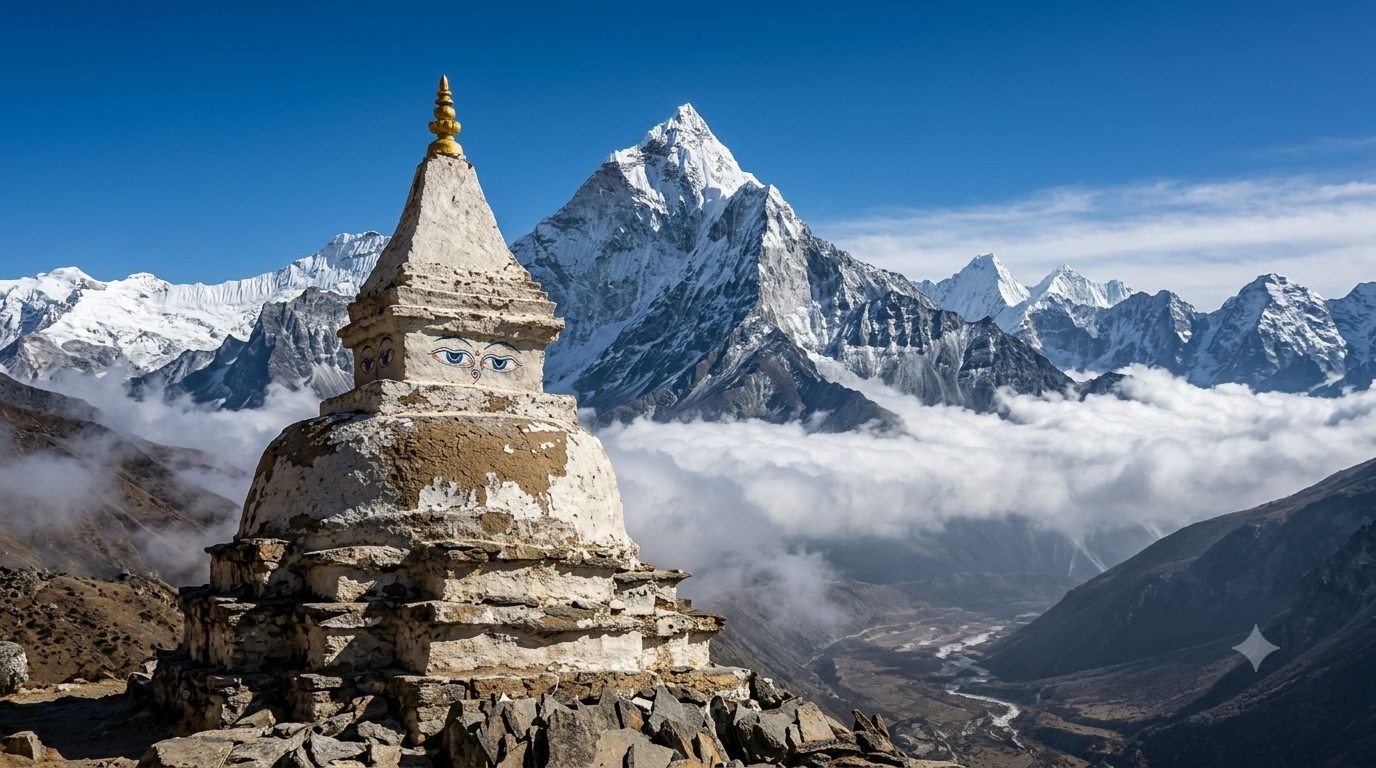
If you are a climber planning your next big Himalayan adventure, choosing between Ama Dablam and Manaslu can feel challenging. Both mountains offer extraordinary experiences, but they test climbers in very different ways.
Ama Dablam pushes technical skills on rock, snow, and ice, while Manaslu takes climbers into the demanding environment above 8,000 metres.
Understanding the differences in height, route difficulty, acclimatisation requirements, physical preparation, and mountain risks is essential before choosing either expedition.
The comparison of ama dablam vs manaslu is not simply about deciding which mountain is harder. It is about understanding which challenge best matches your experience and long-term mountaineering goals.
For Indian climbers, the right choice depends on whether the priority is developing technical climbing skills or preparing for the extreme altitude of an eight-thousander.
Ama Dablam vs Manaslu: Understanding the Two MountainsAlthough both Ama Dablam and Manaslu are located in Nepal, their elevations, climbing styles, and primary challenges are very different.
Ama Dablam: A Challenge for Technical ClimbersAma Dablam rises to approximately 6,812 metres in Nepal's Khumbu region. Its distinctive pyramid-shaped summit and steep ridges make it one of the most recognisable mountains in the Himalayas.
The normal route follows the Southwest Ridge, featuring rock sections, steep snow and ice, fixed ropes, and exposed ridges. Climbers must be comfortable using mountaineering equipment while wearing climbing boots, gloves, and a heavy backpack.
One of Ama Dablam's notable challenges is the Yellow Tower, a steep rock section that requires confidence when moving on fixed ropes. Other exposed sections demand balance, concentration, and efficient movement.
Although Ama Dablam is shorter than Manaslu, its technical demands should not be underestimated.
Best suited for: Climbers with previous experience on rock, snow, ice, and fixed ropes who want to develop their technical mountaineering abilities.
Manaslu: An Expedition Above 8,000 MetresManaslu rises to approximately 8,163 metres in the Nepalese Himalayas. As one of the world's 14 traditionally recognised independent eight-thousanders, Manaslu presents a significantly greater altitude challenge than Ama Dablam.
The normal climbing route involves glacier travel, snow slopes, fixed ropes, high-altitude camps, and a carefully planned acclimatisation schedule. Climbers must manage their energy throughout the expedition while adapting to decreasing oxygen availability.
The challenge is not simply reaching the summit. Climbers must maintain their physical and mental strength in an environment where extreme cold, exhaustion, altitude illness, and changing weather can become serious concerns.
Best suited for: Experienced high-altitude mountaineers preparing for the physical, mental, and logistical demands of climbing an eight-thousander.
Key Differences Between Ama Dablam and ManasluThe following comparison highlights the main differences between these two Himalayan mountains.
FactorAma DablamManasluHeight6,812 metres8,163 metresMountain categoryTechnical Himalayan peakEight-thousanderMain challengeTechnical climbing and exposureExtreme altitude and expedition enduranceTypical terrainSteep rock, snow, ice, and exposed ridgesSnow slopes, glaciers, and high-altitude terrainSkills requiredStrong rock and ice climbing skillsGlacier travel, fixed-rope skills, and high-altitude experienceSupplemental oxygenUsually climbed without supplemental oxygenSupplemental oxygen is used by some climbersPhysical demandsTechnical climbing and careful descentsLong expedition days, acclimatisation, and sustained high-altitude effortPreparationTechnical climbing experiencePrevious high-altitude expedition experienceRoute conditions, expedition logistics, oxygen use, and technical requirements can vary depending on the season and operator. Neither mountain should be attempted without appropriate experience and preparation.
Which Mountain Is Harder: Ama Dablam or Manaslu?The answer depends on what you mean by difficult.
Ama Dablam is generally more technically demanding along its normal route. Its exposed ridges, rock sections, and mixed rock-and-ice climbing require climbers to use equipment confidently at altitude. A climber with excellent endurance but limited rock and ice experience may struggle on Ama Dablam.
Manaslu presents a different challenge. At over 8,000 metres, the body experiences significant physiological stress. Climbers must manage reduced oxygen availability, prolonged exposure to cold, fatigue, and the demands of a lengthy expedition.
The technical difficulty of Manaslu's route is only one part of the challenge. Avalanches, crevasses, weather, and decision-making at altitude also affect the climb.
The key difference is that Ama Dablam places greater emphasis on technical climbing, while Manaslu places greater emphasis on high-altitude endurance and expedition management.
Neither mountain is automatically easier or safer for every climber. Your previous experience, technical abilities, and response to altitude can significantly influence how difficult each expedition feels.
Is Manaslu Harder Than Everest?This is an important question for climbers considering the world's highest mountains.
Manaslu is often considered less technically demanding than Everest on their respective normal routes, but that does not make it an easy expedition. Both mountains rise above 8,000 metres and expose climbers to serious altitude-related risks.
Everest stands at approximately 8,849 metres, while Manaslu reaches approximately 8,163 metres. Everest's greater elevation means less available oxygen near the summit and greater demands on climbers operating in the extreme-altitude zone.
However, comparing mountains by elevation alone does not tell the whole story.
Manaslu has serious hazards, including avalanches, crevasses, severe weather, and the physical strain of climbing above 8,000 metres.
Even a carefully designed acclimatisation schedule cannot eliminate the risk of altitude illness.
Everest presents additional challenges, including the Khumbu Icefall on the standard South Col route, high-altitude camps, and the demanding final ascent.
So, is Manaslu harder than Everest? Everest is generally the greater overall challenge because of its higher altitude and the complexity of its logistics and route.
However, conditions, experience, and expedition planning can make either mountain extremely demanding.
For climbers, the more useful question is whether they have enough high-altitude experience to prepare responsibly for either expedition.
Which Mountain Should Indian Climbers Try First?The choice between Ama Dablam and Manaslu should be based on your climbing experience rather than the reputation of either mountain.
Choose Ama Dablam First If You Want to Develop Technical Climbing SkillsAma Dablam may be an appropriate objective for climbers who already have high-altitude experience and want to improve their technical climbing abilities.
Before considering the expedition, you should be comfortable with:
Moving on rock and ice while wearing mountaineering boots.
Using ascenders, descenders, harnesses, and fixed ropes.
Navigating exposed ridges and narrow sections.
Descending technical terrain while carrying equipment.
Staying focused when tired, cold, and at altitude.
Previous mountain experience can help you prepare, but climbing a less technical mountain does not automatically mean you are ready for Ama Dablam.
If you are still developing your technical climbing abilities, gain additional experience and training before attempting this route.
Choose Manaslu First If You Have Extensive High-Altitude ExperienceManaslu may be a suitable next objective for climbers who have completed demanding high-altitude expeditions and understand how their bodies respond to reduced oxygen availability.
Good preparation includes:
Experience on high-altitude mountains.
Strong endurance for consecutive days of climbing.
An understanding of acclimatisation and the warning signs of altitude illness.
Experience with glacier travel and fixed-rope systems.
The ability to make sound decisions when conditions deteriorate.
Manaslu should not be treated as an easy option simply because its normal route may be less technically demanding than Ama Dablam in certain sections.
Climbing an eight-thousander requires extensive preparation, appropriate professional support, and the willingness to turn around when necessary.
Physical Training and Preparation for Both MountainsPhysical fitness is essential for both expeditions. Your training should reflect the specific demands of each mountain.
Training for Ama DablamFocus on building strength, endurance, balance, and technical climbing skills.
Your preparation can include:
Hiking uphill with a backpack.
Strength training for the legs, core, and upper body.
Regular rock and ice climbing practice.
Practising crampon use, rope techniques, and controlled descents.
Exercises that improve balance, coordination, and confidence on exposed terrain.
Technical training should be conducted under qualified supervision. Reading about rope systems is not a substitute for learning to use them in real climbing situations.
Training for ManasluFor Manaslu, build the strength and endurance required for extended expeditions and repeated climbing sessions at high altitude.
Focus on:
Long hikes and uphill endurance sessions.
Aerobic conditioning and muscular strength.
Training with a backpack appropriate for your expedition.
Practising sustained physical effort over consecutive days.
Learning about acclimatisation, hydration, nutrition, and altitude-illness symptoms.
No training programme can guarantee successful acclimatisation. Good fitness helps with physical performance, but it cannot eliminate altitude-related risks.
Best Time to Climb Ama Dablam and ManasluAutumn is a popular climbing season for both Ama Dablam and Manaslu, but the best dates depend on snowfall, weather, route conditions, and your expedition operator's schedule.
Ama Dablam is commonly climbed in autumn after the monsoon season. Expedition teams plan their summit attempts around weather forecasts and the condition of the Southwest Ridge.
Manaslu also attracts autumn expeditions. Climbers must pay close attention to snowfall, avalanche conditions, wind, and the safety of the route between camps.
Spring may also offer climbing opportunities, depending on the mountain and prevailing conditions. Do not assume that the same season will provide identical conditions on both peaks.
Before booking, review the acclimatisation schedule, expedition duration, guide qualifications, equipment arrangements, and emergency evacuation procedures.
Safety Tips for Indian ClimbersBoth mountains demand careful planning and respect for the risks associated with Himalayan mountaineering.
1. Acclimatise GraduallyFollow a suitable acclimatisation plan and report symptoms of altitude illness promptly. Never ignore worsening symptoms to continue towards the summit.
2. Understand the RouteLearn about glaciers, crevasses, fixed ropes, exposed sections, and other hazards before beginning the expedition.
3. Check Your Expedition TeamReview guide qualifications, the team's experience, communication arrangements, emergency procedures, and equipment standards.
4. Monitor Weather and Snow ConditionsHimalayan weather can change rapidly. Pay attention to forecasts, wind conditions, and snow stability throughout the expedition.
5. Plan Your DescentReaching the summit is only part of the climb. Returning safely requires sufficient energy, time, and careful decision-making.
6. Be Prepared to Turn AroundAbandoning a summit attempt can be the safest and most responsible decision when conditions become dangerous.
7. Choose Your Operator CarefullyBe honest about your previous climbing experience and choose an expedition that matches your abilities. Professional support is important, but no guide or operator can eliminate every mountain risk.
Final Thoughts: Ama Dablam vs ManasluThe decision between Ama Dablam and Manaslu depends on the skills you want to develop and the type of challenge you are prepared to undertake.
Choose Ama Dablam if you have a strong technical background and want to test yourself on steep rock, snow, ice, and exposed ridges.
Choose Manaslu if you have substantial high-altitude experience and are prepared for the physical and mental demands of climbing above 8,000 metres.
Neither mountain should be selected simply because it is popular or considered a stepping stone towards a more famous summit. Your experience, technical skills, acclimatisation history, and ability to manage risk matter far more than a mountain's reputation.
The best expedition is not necessarily the highest or most difficult one. It is the one that matches your abilities, offers an appropriate challenge, and gives you the best opportunity to return safely.
Frequently Asked Questions1. Is Ama Dablam harder than Manaslu?Ama Dablam is generally more technically demanding along its normal route because of steep rock, ice, exposed sections, and fixed-rope climbing. Manaslu presents a greater altitude challenge because its summit is above 8,000 metres. Overall difficulty depends on the climber's experience and abilities.
2. Is Manaslu harder than Everest?Manaslu is often considered less technically demanding than Everest on the normal routes, but both mountains involve serious high-altitude risks. Everest's greater elevation and complex route logistics generally make it the more demanding overall objective, although conditions and individual experience can affect the comparison.
3. Can a beginner climb Ama Dablam?Ama Dablam is not a suitable first mountain for most beginners. Climbers should have previous experience with rock and ice climbing, fixed ropes, technical equipment, and high-altitude conditions before considering the expedition.
4. Should I climb Manaslu before Everest?Manaslu can form part of a climber's progression towards Everest, but completing Manaslu does not automatically mean someone is ready for Everest.
Previous time at altitude, technical abilities, fitness, decision-making, and familiarity with the intended route must all be considered.
5. Which mountain is taller: Ama Dablam or Manaslu?Manaslu is taller, standing at approximately 8,163 metres. Ama Dablam reaches approximately 6,812 metres.
6. Which mountain is better for Indian climbers?Neither mountain is the best choice for everyone.
Ama Dablam may suit climbers seeking a technically demanding objective, while Manaslu may suit experienced mountaineers preparing for an eight-thousander. The right choice depends on your experience, training, technical skills, and altitude history.
Plan Your Himalayan Expedition CarefullyBefore deciding between Ama Dablam and Manaslu, assess your current abilities, consult qualified mountaineering professionals, and choose an expedition that matches your preparation.
Explore the differences between these two Himalayan mountains, evaluate the skills each requires, and plan your next climb with realistic expectations.
Trekyaari Ready to take the next step in your mountaineering journey? Explore Himalayan climbing expeditions with and start planning your next mountain adventure.
 Marshal
Let’s explore 12 essential organs, 6 vital biological substances, and the fascinating connection between the heart and the brain. For each organ and substance, we will suggest one fruit or vegetable as part of a healthy diet, making the information easier to remember without becoming overwhelmed by too many details.
🫀 12 Essential Organs
🧠 1. Brain
The brain controls thinking, memory, movement, emotions, and sensory perception.
🫐 Nutritional support: blueberries.
❤️ 2. Heart
The heart pumps blood throughout the body, delivering oxygen and nutrients to tissues.
🍎 Nutritional support: pomegranate.
🫁 3. Lungs
The lungs enable the exchange of oxygen and carbon dioxide, helping supply the body with the oxygen it needs.
🍏 Nutritional support: apples.
🧪 4. Liver
The liver processes nutrients, produces bile, participates in metabolism, and helps transform and eliminate many substances from the body.
🥬 Nutritional support: beetroot.
🫘 5. Kidneys
The kidneys filter the blood, regulate fluid and electrolyte balance, and help control blood pressure.
🍒 Nutritional support: cranberries.
🥣 6. Stomach
With the help of stomach acid and digestive enzymes, the stomach processes food and begins the digestion of proteins.
🥬 Nutritional support: cabbage.
🌿 7. Intestines
The intestines absorb nutrients and water, support the gut microbiome, and help eliminate undigested waste.
🍌 Nutritional support: bananas.
🩸 8. Pancreas
The pancreas produces digestive enzymes and hormones, including insulin, which helps regulate blood glucose levels.
🥗 Nutritional support: spinach.
🛡️ 9. Spleen
The spleen filters the blood, removes old blood cells, and plays an important role in immune defense.
🍠 Nutritional support: sweet potatoes.
⚡ 10. Adrenal Glands
The adrenal glands produce hormones such as cortisol and adrenaline, which help regulate the body's response to stress and support other essential functions.
🥑 Nutritional support: avocados.
🦋 11. Thyroid Gland
The thyroid gland produces hormones that regulate metabolism, energy use, and body temperature.
🧄 Nutritional support: garlic.
✨ 12. Skin
The skin is the body's largest organ. It protects us from external influences, helps regulate body temperature, and provides sensory information.
🍅 Nutritional support: tomatoes.
💧 Six Vital Biological Substances
These six biological substances and tissues contribute to the transport of materials, the maintenance of internal balance, and the body's essential functions.
🩸 1. Blood
Blood transports oxygen, nutrients, hormones, and metabolic waste products throughout the body.
🍇 Nutritional support: grapes.
🦴 2. Bone Marrow
Bone marrow is a tissue found inside many bones. It produces red blood cells, white blood cells, and platelets.
🥦 Nutritional support: broccoli.
💚 3. Lymph
Lymph transports immune cells and helps return excess fluid from body tissues to the bloodstream.
🍋 Nutritional support: lemons.
🧠 4. Cerebrospinal Fluid
Cerebrospinal fluid surrounds the brain and spinal cord, cushions them against mechanical impact, and supports the normal functioning of the central nervous system.
🍉 Nutritional support: watermelon.
📨 5. Hormones
Hormones are chemical messengers that regulate metabolism, growth, reproduction, sleep, and many other biological processes.
🥕 Nutritional support: carrots.
💧 6. Interstitial Fluid
Interstitial fluid surrounds the body's tissue cells and enables the exchange of nutrients, oxygen, and metabolic waste products.
🥒 Nutritional support: cucumbers.
🌱 The main idea: Human health depends on the cooperation of many body systems, not on a single food or individual organ.
🤝 The Connection Between the Heart and the Brain
The heart has its own network of nerve cells, known as the intrinsic cardiac nervous system. This network regulates heart function and communicates with the brain. For this reason, the heart is sometimes called the “second brain.”
🧠 Approximately 40,000 neurons. These neurons process sensory signals and help regulate cardiac activity.
🔄 Two-way communication. The heart and brain constantly exchange signals. Signals traveling from the heart to the brain can influence brain functions.
⚡ Some popular accounts claim that the heart's electrical field is approximately 60 times stronger than the brain's and that its magnetic field is up to 5,000 times stronger. They also suggest the heart's field can extend beyond the body, potentially reaching 1.5 to 2 meters, and can be detected with specialized equipment.
❤️ A deeper insight: The heart and brain are not competitors. They are essential parts of one biological system, and their interaction influences our physical and emotional state.
🌟 Conclusion: Small Habits, An Extraordinary Body
The human body is an extraordinary system of organs, tissues, fluids, and signals. Its health depends on the cooperation of these systems, a balanced diet, regular physical activity, and sufficient sleep.
Tag Search
Tags

Ads
SubMeet


Ads

Rose

