
SubMeet Blog Posts
Write your:
Biography, story, article or tidings.
Maximum 50.000  symbols (Depends on the browser) one post.
Maximum 10 posts per day, 100 posts per month, for one user.
We recommend using the Firefox browser to publish a post.



 Free
Most people start planning the Everest Base Camp trek with one question: How much will it cost? The honest answer is that the total can vary widely. An Indian trekker flying from Kolkata in October, sharing a guide, and eating dal bhat may spend around ₹80,000. Someone flying from Bengaluru during peak season, choosing upgraded accommodation, and returning by helicopter could spend more than ₹2.5 lakh.
Both trekkers can experience the spectacular Himalayan landscape. What differs is the number of decisions they make along the way.
This guide breaks down the everest base camp trek cost from India, from flights out of your city to the tip you give your guide in Lukla. It is written for Indian trekkers, with costs in rupees, permit considerations for Indian passport holders, and practical advice for planning around Indian leave calendars and booking habits.
All figures are estimates. Prices vary by season, exchange rates, and trekking operator, so confirm important details before making payments.
The Short Answer: Three Everest Base Camp Trek Budget LevelsIf you only read one section, start here.
Lean budget: ₹80,000–₹1,00,000. Book flights early, travel in a group, share a porter, rent equipment, and keep food choices simple.
Comfortable budget: ₹1,10,000–₹1,60,000. Hire a guide, choose decent lodges, carry less luggage, and maintain a buffer for weather delays.
Premium budget: ₹1,70,000–₹2,50,000 or more. Choose a full-service package, upgraded rooms where available, additional acclimatisation days, or a helicopter return.
Many first-time Indian trekkers may find the comfortable budget a practical middle ground. It offers room for essential services and unexpected expenses without paying for luxury you may not need at high altitude.
Everest Base Camp Trek Cost Breakdown from IndiaExpenseApproximate Cost (₹)Return flight from India to Kathmandu10,000–25,000Return flight to Lukla30,000–38,000Trekking permits2,200–3,000Teahouse accommodation for 11 nights9,000–25,000Food and drinks on the trail22,000–35,000Licensed guide, including tip24,000–40,000Porter (optional)17,000–25,000Travel insurance3,500–8,000Kathmandu accommodation and transfers4,000–12,000Gear rental or purchase3,000–25,000Charging, Wi-Fi, showers, and extras5,000–12,000These are indicative ranges, not a guaranteed package price. Check whether your operator's quotation includes flights, permits, meals, accommodation, guide services, porter services, and airport transfers.
1. Flights from India to KathmanduAirfare is one of the expenses you can influence most through early planning. Delhi and Kolkata can be convenient departure points, while flights from Mumbai, Hyderabad, Chennai, and Bengaluru may cost more depending on connections and dates.
Fares often rise around busy travel periods. A return ticket that costs approximately ₹12,000 during a quieter month may rise to ₹25,000 during Diwali week or early October. April can offer another option for spring trekking, although demand remains significant.
Money-saving tip: Aim to book flights around 10–12 weeks before a spring or autumn trip. Compare different departure dates and avoid relying on last-minute discounts.
2. The Lukla Flight and the Ramechhap ConnectionMost trekkers fly to Lukla to avoid a long approach on foot from the road network. Although the flight is short, it can be a substantial part of the budget.
Two factors deserve particular attention.
Ramechhap DeparturesDuring some periods, flights to Lukla operate from Ramechhap (Manthali) rather than Kathmandu. Reaching the airport involves a road transfer and may require an additional overnight stay.
Check your flight departure airport carefully and confirm whether the transfer and accommodation are included in your package.
Weather-Related Flight DelaysWeather around Lukla can disrupt flights. Keep one or two buffer days in your itinerary, where possible, and avoid scheduling your international departure for the same day as your return flight from Lukla.
An extra night in Kathmandu may cost a few thousand rupees, while changing an international ticket can be considerably more expensive.
3. Everest Base Camp Trek Permits: What Indian Trekkers PayThe Everest region has permit requirements that trekkers should confirm before departure. Two commonly discussed charges are the Sagarmatha National Park entry fee and the Khumbu Pasang Lhamu Rural Municipality permit.
The estimated combined cost in this guide is ₹2,200–₹3,000. The actual amount depends on the applicable fees and exchange rate, so verify the current charges with your operator or the relevant authorities.
Permits may be obtained at designated checkpoints or offices along the route, depending on the permit and current arrangements. Your guide or trekking agency can usually help coordinate the process.
Keep these points in mind:
TIMS card: Confirm current Everest-region requirements before paying for a TIMS card, as local permit arrangements differ from those used on some other Nepal trekking routes.
Nepal visa for Indian citizens: Indian citizens generally do not need a visa to enter Nepal. Carry valid, accepted identification and check the current entry requirements before travelling.
Permit fees: Ask for an itemised breakdown so you know which charges are included in your package.
A guide can make your trek easier to manage by helping with navigation, permits, checkpoints, pacing, and decisions when conditions change. Confirm current guide requirements with your operator before departure, as regulations and local enforcement can change.
A guide may cost around ₹2,000–₹3,000 per day. Across a 12-day itinerary, the total may be approximately ₹24,000–₹40,000, depending on the arrangement and whether tips are included.
Why Hire a Guide?A knowledgeable guide does more than lead the way. They can monitor how you are coping with altitude, help you recognise warning signs, and advise when to slow down or descend. These responsibilities are particularly important on a trek where altitude is a major risk.
Is Hiring a Porter Worth It?A porter carries trekking luggage, with weight limits depending on the operator and arrangement. Sharing a porter between two trekkers can reduce costs.
A porter may be particularly helpful if you are new to high-altitude trekking or want to conserve energy during long walking days. Confirm the porter’s weight limit, insurance, and working conditions with your operator.
Guide and Porter TipsTipping is common in the Khumbu region. A suggested benchmark in this guide is NPR 3,000–5,000 each for a guide and porter on a 12-day trek, adjusted for service quality and group size. Confirm a reasonable amount with your operator before departure.
5. Teahouse Accommodation and Food CostsOn the Everest Base Camp trek, you generally stay in family-run teahouses rather than tents. Rooms are often simple, with twin beds, shared bathrooms, and limited heating. The dining room, usually warmed by a stove, becomes a gathering place in the evening.
Teahouse AccommodationRoom rates tend to rise with altitude. Lodges at lower elevations may be relatively inexpensive, while accommodation around Lobuche and Gorak Shep can cost more.
Some lodges offer lower room rates when guests purchase meals there. Ask about the arrangement before booking and budget for both accommodation and food.
Food and Drinks on the TrailFood becomes more expensive as supplies must be carried farther into the mountains. A meal at Gorak Shep can cost substantially more than the same type of meal in Lukla.
Dal bhat is a popular choice because it is filling and often includes refills. Western options such as pizza and pasta are also available at some lodges, but they may be expensive at higher elevations.
Consider packing lightweight snacks from India, such as energy bars, roasted chana, and electrolyte sachets. These can be useful when your appetite decreases at altitude.
Drinking Water CostsBottled water can become expensive at higher elevations. A suitable water filter or purifier can help reduce costs, provided you use it according to its instructions and follow safe water-treatment practices.
6. Travel Insurance for the Everest Base Camp TrekTravel insurance is not an expense to minimise at the cost of safety. Helicopter evacuation from the Khumbu can cost a very large amount without suitable coverage, and serious altitude illness may require urgent assistance.
Before buying a policy, check four important details:
Altitude limit: Confirm that the policy covers the maximum altitude on your itinerary, including Kala Patthar if you plan to visit it.
Emergency evacuation: Check whether helicopter rescue and transport to a hospital are covered.
Altitude-related illness: Verify coverage for altitude sickness and related medical emergencies.
Travel disruption: Check whether flight delays, cancellations, or trip interruption are covered.
A suitable policy may cost around ₹3,500–₹8,000, depending on the insurer, duration, and coverage. Read the exclusions carefully before purchasing.
7. Trekking Gear: Rent, Borrow, or Buy?Equipment can quietly increase your total Everest Base Camp trek cost. Buying a jacket, sleeping bag, trekking boots, poles, and multiple layers from scratch can cost more than ₹25,000.
A practical approach is to divide your equipment into three groups.
Buy Personal EssentialsConsider buying well-fitting trekking boots, socks, base layers, a headlamp, sunglasses, and personal medication. Boots should be broken in before the trek.
Rent in KathmanduDepending on availability and quality, you may be able to rent a down jacket, a suitably rated sleeping bag, and trekking poles.
Borrow Suitable EquipmentDaypacks, rain jackets, and gloves may be borrowed from friends if they fit properly and are in good condition.
Ask your trekking operator which items are provided. Some packages include a duffel bag or sleeping bag, which can help reduce your expenses.
8. Hidden Costs of the Everest Base Camp TrekExtra expenses are easy to overlook when comparing headline package prices. Common examples include:
Hot showers, device charging, and Wi-Fi, especially at higher elevations.
Additional nights in Kathmandu after delayed or cancelled flights.
Snacks, soft drinks, and chocolate at higher trail prices.
Celebration meals and souvenirs.
Laundry, repairs, or replacement equipment.
Additional rest days if altitude or weather affects your itinerary.
Set aside a contingency of around 10–15% of your estimated budget. If you do not need to spend it, that is a good outcome.
9. How Your Itinerary Affects Your SpendingA standard Everest Base Camp trek often takes around 12–14 days, depending on the itinerary, acclimatisation plan, and travel arrangements.
Trekking stageOvernight stopApproximate altitudeFly to Lukla and walk to PhakdingPhakding2,610 mPhakding to Namche BazaarNamche Bazaar3,440 mAcclimatisation dayNamche Bazaar3,440 mNamche to TengbocheTengboche3,860 mTengboche to DingbocheDingboche4,410 mAcclimatisation dayDingboche4,410 mDingboche to LobucheLobuche4,940 mLobuche to Gorak Shep and Everest Base CampGorak Shep5,164 mKala Patthar sunrise and descentPheriche4,240 mEverest Base Camp is approximately 5,364 m above sea level, while Kala Patthar reaches around 5,545 m and is a common high point for trekkers.
Acclimatisation days are essential parts of a sensible itinerary, not optional luxuries. Cutting them to save money can increase the risk of altitude illness and disrupt the entire trek.
10. How the Season Affects Trek CostsThe main trekking windows are March to May and late September to November. These periods often offer favourable trekking conditions, although weather remains unpredictable.
Spring: March to MaySpring is popular with trekkers and climbers. Demand can affect flight prices and room availability, so early booking is useful.
Autumn: Late September to NovemberAutumn is another popular season, with October often seeing high demand. Book flights and accommodation early where possible.
Winter and MonsoonWinter can be quieter and less expensive, but temperatures at altitude can be extremely cold. The monsoon brings rain, cloud, and possible landslide disruptions.
If your dates are flexible, compare prices in April and the second half of November. Conditions and availability vary each year, so check current forecasts and local advice before making a decision.
11. Practical Ways to Reduce Your Everest Base Camp Trek CostYou can manage your budget without compromising safety by planning carefully.
Book flights early: Airfare can make a significant difference to your total spending.
Travel in a group: Sharing eligible guide and porter expenses can reduce the cost per person.
Keep dates flexible: Shifting your trip by several days may help you find better fares.
Rent selected equipment: Avoid buying expensive items you may only use once.
Bring suitable snacks: Lightweight snacks and a safe water-treatment system can help manage trail expenses.
Compare itemised quotes: Check whether permits, airport transfers, meals, accommodation, and Lukla flights are included.
Keep a contingency fund: Weather delays and additional nights can increase your spending.
Do not compromise on safety: Suitable insurance, acclimatisation days, and qualified support are not good places to cut costs.
The 2 PM rule is a turnaround guideline associated with Everest summit attempts. If climbers have not reached the summit by a predetermined cutoff, often around 1–2 PM, they turn back even if the summit appears close. Individual teams may set an earlier cutoff depending on conditions and their plan.
The reasons are straightforward:
Daylight: Descending from the summit takes hours, and a late descent can continue into darkness.
Oxygen: Climbers using supplemental oxygen have carefully planned supplies, and delays can create additional risks.
Weather: Afternoon conditions can deteriorate, increasing exposure to wind and storms.
Decision-making: Extreme altitude and fatigue can impair judgement and make it harder to recognise when to stop.
The rule is widely discussed in connection with the 1996 Everest disaster, when climbers were caught in severe weather after delays and other contributing factors.
You are not climbing Everest on the Everest Base Camp trek, but the principle still applies. Set realistic turnaround times for Kala Patthar and other high points. If symptoms worsen, particularly with confusion or unsteady walking, descend and seek appropriate help. Your health matters more than reaching a viewpoint.
13. Should You Plan the Trek Yourself or Use an Operator?It is possible to arrange parts of the trek independently, but savings may be smaller than expected once you account for guides, permits, transport coordination, and possible disruptions.
A reliable operator can be especially helpful when plans change because of a cancelled Lukla flight, illness, or a missed connection.
When comparing companies, look for one that:
Works with qualified local guides in Nepal.
Explains inclusions and exclusions clearly.
Provides an itemised quotation.
Has a practical plan for flight disruptions and emergencies.
Communicates clearly about permits, equipment, accommodation, and meals.
TrekYaari, a Delhi-based adventure company, helps Indian trekkers plan routes in India and Nepal and works with guides on the Nepal side.
Before booking, ask for an itemised quote so you can compare the full expected cost rather than only the advertised package price.
Frequently Asked Questions About Everest Base Camp Trek Cost1. What is the average Everest Base Camp trek cost from India?Many guided itineraries may cost around ₹1,10,000–₹1,60,000 per person, while a carefully planned lean budget may start around ₹80,000. The final amount depends on flights, season, services, and personal spending.
2. Do Indians need a visa for Nepal?Indian citizens generally do not need a visa to enter Nepal. Carry an accepted identity document and confirm the latest entry requirements before travelling.
3. Is a TIMS card required for the Everest Base Camp trek?Permit arrangements in the Everest region differ from those on some other Nepal trekking routes. Confirm the current requirements with your operator or the relevant authorities before paying for a TIMS card.
4. How many days are needed for the Everest Base Camp trek from India?Plan approximately 12–14 days from Kathmandu, depending on the itinerary. Include acclimatisation days and a buffer for possible flight delays.
5. Is the Everest Base Camp trek difficult?The trek is generally considered moderate to strenuous. Technical climbing is not normally required, but altitude, long walking days, and changing weather make fitness, acclimatisation, and preparation essential.
6. When is the best time to do the Everest Base Camp trek?The main trekking windows are March to May and late September to November. Conditions vary each year, so check current weather and local guidance before travelling.
Plan Your Everest Base Camp Trek with TrekYaariThe numbers are only the beginning. Turning your budget into a well-organised trek is where the right team can make a difference.
Share your travel dates, departure city, and budget with TrekYaari to discuss an itemised plan for your Everest Base Camp adventure.
Toll-free: 1800 889 1805
WhatsApp: +91 93103 36919
Email:info@trekyaari.com
Official Website: www.trekyaari.com
Free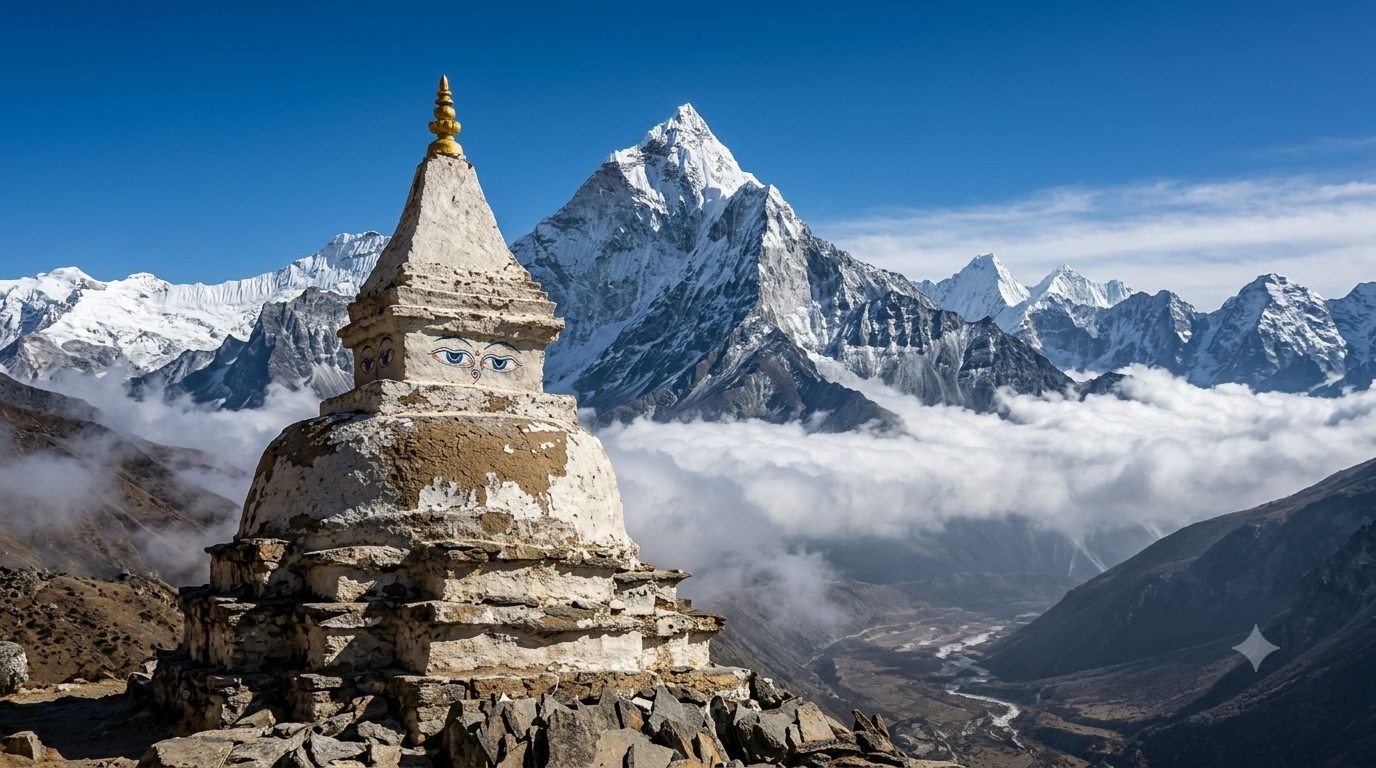
If you are a climber planning your next big Himalayan adventure, choosing between Ama Dablam and Manaslu can feel challenging. Both mountains offer extraordinary experiences, but they test climbers in very different ways.
Ama Dablam pushes technical skills on rock, snow, and ice, while Manaslu takes climbers into the demanding environment above 8,000 metres.
Understanding the differences in height, route difficulty, acclimatisation requirements, physical preparation, and mountain risks is essential before choosing either expedition.
The comparison of ama dablam vs manaslu is not simply about deciding which mountain is harder. It is about understanding which challenge best matches your experience and long-term mountaineering goals.
For Indian climbers, the right choice depends on whether the priority is developing technical climbing skills or preparing for the extreme altitude of an eight-thousander.
Ama Dablam vs Manaslu: Understanding the Two MountainsAlthough both Ama Dablam and Manaslu are located in Nepal, their elevations, climbing styles, and primary challenges are very different.
Ama Dablam: A Challenge for Technical ClimbersAma Dablam rises to approximately 6,812 metres in Nepal's Khumbu region. Its distinctive pyramid-shaped summit and steep ridges make it one of the most recognisable mountains in the Himalayas.
The normal route follows the Southwest Ridge, featuring rock sections, steep snow and ice, fixed ropes, and exposed ridges. Climbers must be comfortable using mountaineering equipment while wearing climbing boots, gloves, and a heavy backpack.
One of Ama Dablam's notable challenges is the Yellow Tower, a steep rock section that requires confidence when moving on fixed ropes. Other exposed sections demand balance, concentration, and efficient movement.
Although Ama Dablam is shorter than Manaslu, its technical demands should not be underestimated.
Best suited for: Climbers with previous experience on rock, snow, ice, and fixed ropes who want to develop their technical mountaineering abilities.
Manaslu: An Expedition Above 8,000 MetresManaslu rises to approximately 8,163 metres in the Nepalese Himalayas. As one of the world's 14 traditionally recognised independent eight-thousanders, Manaslu presents a significantly greater altitude challenge than Ama Dablam.
The normal climbing route involves glacier travel, snow slopes, fixed ropes, high-altitude camps, and a carefully planned acclimatisation schedule. Climbers must manage their energy throughout the expedition while adapting to decreasing oxygen availability.
The challenge is not simply reaching the summit. Climbers must maintain their physical and mental strength in an environment where extreme cold, exhaustion, altitude illness, and changing weather can become serious concerns.
Best suited for: Experienced high-altitude mountaineers preparing for the physical, mental, and logistical demands of climbing an eight-thousander.
Key Differences Between Ama Dablam and ManasluThe following comparison highlights the main differences between these two Himalayan mountains.
FactorAma DablamManasluHeight6,812 metres8,163 metresMountain categoryTechnical Himalayan peakEight-thousanderMain challengeTechnical climbing and exposureExtreme altitude and expedition enduranceTypical terrainSteep rock, snow, ice, and exposed ridgesSnow slopes, glaciers, and high-altitude terrainSkills requiredStrong rock and ice climbing skillsGlacier travel, fixed-rope skills, and high-altitude experienceSupplemental oxygenUsually climbed without supplemental oxygenSupplemental oxygen is used by some climbersPhysical demandsTechnical climbing and careful descentsLong expedition days, acclimatisation, and sustained high-altitude effortPreparationTechnical climbing experiencePrevious high-altitude expedition experienceRoute conditions, expedition logistics, oxygen use, and technical requirements can vary depending on the season and operator. Neither mountain should be attempted without appropriate experience and preparation.
Which Mountain Is Harder: Ama Dablam or Manaslu?The answer depends on what you mean by difficult.
Ama Dablam is generally more technically demanding along its normal route. Its exposed ridges, rock sections, and mixed rock-and-ice climbing require climbers to use equipment confidently at altitude. A climber with excellent endurance but limited rock and ice experience may struggle on Ama Dablam.
Manaslu presents a different challenge. At over 8,000 metres, the body experiences significant physiological stress. Climbers must manage reduced oxygen availability, prolonged exposure to cold, fatigue, and the demands of a lengthy expedition.
The technical difficulty of Manaslu's route is only one part of the challenge. Avalanches, crevasses, weather, and decision-making at altitude also affect the climb.
The key difference is that Ama Dablam places greater emphasis on technical climbing, while Manaslu places greater emphasis on high-altitude endurance and expedition management.
Neither mountain is automatically easier or safer for every climber. Your previous experience, technical abilities, and response to altitude can significantly influence how difficult each expedition feels.
Is Manaslu Harder Than Everest?This is an important question for climbers considering the world's highest mountains.
Manaslu is often considered less technically demanding than Everest on their respective normal routes, but that does not make it an easy expedition. Both mountains rise above 8,000 metres and expose climbers to serious altitude-related risks.
Everest stands at approximately 8,849 metres, while Manaslu reaches approximately 8,163 metres. Everest's greater elevation means less available oxygen near the summit and greater demands on climbers operating in the extreme-altitude zone.
However, comparing mountains by elevation alone does not tell the whole story.
Manaslu has serious hazards, including avalanches, crevasses, severe weather, and the physical strain of climbing above 8,000 metres.
Even a carefully designed acclimatisation schedule cannot eliminate the risk of altitude illness.
Everest presents additional challenges, including the Khumbu Icefall on the standard South Col route, high-altitude camps, and the demanding final ascent.
So, is Manaslu harder than Everest? Everest is generally the greater overall challenge because of its higher altitude and the complexity of its logistics and route.
However, conditions, experience, and expedition planning can make either mountain extremely demanding.
For climbers, the more useful question is whether they have enough high-altitude experience to prepare responsibly for either expedition.
Which Mountain Should Indian Climbers Try First?The choice between Ama Dablam and Manaslu should be based on your climbing experience rather than the reputation of either mountain.
Choose Ama Dablam First If You Want to Develop Technical Climbing SkillsAma Dablam may be an appropriate objective for climbers who already have high-altitude experience and want to improve their technical climbing abilities.
Before considering the expedition, you should be comfortable with:
Moving on rock and ice while wearing mountaineering boots.
Using ascenders, descenders, harnesses, and fixed ropes.
Navigating exposed ridges and narrow sections.
Descending technical terrain while carrying equipment.
Staying focused when tired, cold, and at altitude.
Previous mountain experience can help you prepare, but climbing a less technical mountain does not automatically mean you are ready for Ama Dablam.
If you are still developing your technical climbing abilities, gain additional experience and training before attempting this route.
Choose Manaslu First If You Have Extensive High-Altitude ExperienceManaslu may be a suitable next objective for climbers who have completed demanding high-altitude expeditions and understand how their bodies respond to reduced oxygen availability.
Good preparation includes:
Experience on high-altitude mountains.
Strong endurance for consecutive days of climbing.
An understanding of acclimatisation and the warning signs of altitude illness.
Experience with glacier travel and fixed-rope systems.
The ability to make sound decisions when conditions deteriorate.
Manaslu should not be treated as an easy option simply because its normal route may be less technically demanding than Ama Dablam in certain sections.
Climbing an eight-thousander requires extensive preparation, appropriate professional support, and the willingness to turn around when necessary.
Physical Training and Preparation for Both MountainsPhysical fitness is essential for both expeditions. Your training should reflect the specific demands of each mountain.
Training for Ama DablamFocus on building strength, endurance, balance, and technical climbing skills.
Your preparation can include:
Hiking uphill with a backpack.
Strength training for the legs, core, and upper body.
Regular rock and ice climbing practice.
Practising crampon use, rope techniques, and controlled descents.
Exercises that improve balance, coordination, and confidence on exposed terrain.
Technical training should be conducted under qualified supervision. Reading about rope systems is not a substitute for learning to use them in real climbing situations.
Training for ManasluFor Manaslu, build the strength and endurance required for extended expeditions and repeated climbing sessions at high altitude.
Focus on:
Long hikes and uphill endurance sessions.
Aerobic conditioning and muscular strength.
Training with a backpack appropriate for your expedition.
Practising sustained physical effort over consecutive days.
Learning about acclimatisation, hydration, nutrition, and altitude-illness symptoms.
No training programme can guarantee successful acclimatisation. Good fitness helps with physical performance, but it cannot eliminate altitude-related risks.
Best Time to Climb Ama Dablam and ManasluAutumn is a popular climbing season for both Ama Dablam and Manaslu, but the best dates depend on snowfall, weather, route conditions, and your expedition operator's schedule.
Ama Dablam is commonly climbed in autumn after the monsoon season. Expedition teams plan their summit attempts around weather forecasts and the condition of the Southwest Ridge.
Manaslu also attracts autumn expeditions. Climbers must pay close attention to snowfall, avalanche conditions, wind, and the safety of the route between camps.
Spring may also offer climbing opportunities, depending on the mountain and prevailing conditions. Do not assume that the same season will provide identical conditions on both peaks.
Before booking, review the acclimatisation schedule, expedition duration, guide qualifications, equipment arrangements, and emergency evacuation procedures.
Safety Tips for Indian ClimbersBoth mountains demand careful planning and respect for the risks associated with Himalayan mountaineering.
1. Acclimatise GraduallyFollow a suitable acclimatisation plan and report symptoms of altitude illness promptly. Never ignore worsening symptoms to continue towards the summit.
2. Understand the RouteLearn about glaciers, crevasses, fixed ropes, exposed sections, and other hazards before beginning the expedition.
3. Check Your Expedition TeamReview guide qualifications, the team's experience, communication arrangements, emergency procedures, and equipment standards.
4. Monitor Weather and Snow ConditionsHimalayan weather can change rapidly. Pay attention to forecasts, wind conditions, and snow stability throughout the expedition.
5. Plan Your DescentReaching the summit is only part of the climb. Returning safely requires sufficient energy, time, and careful decision-making.
6. Be Prepared to Turn AroundAbandoning a summit attempt can be the safest and most responsible decision when conditions become dangerous.
7. Choose Your Operator CarefullyBe honest about your previous climbing experience and choose an expedition that matches your abilities. Professional support is important, but no guide or operator can eliminate every mountain risk.
Final Thoughts: Ama Dablam vs ManasluThe decision between Ama Dablam and Manaslu depends on the skills you want to develop and the type of challenge you are prepared to undertake.
Choose Ama Dablam if you have a strong technical background and want to test yourself on steep rock, snow, ice, and exposed ridges.
Choose Manaslu if you have substantial high-altitude experience and are prepared for the physical and mental demands of climbing above 8,000 metres.
Neither mountain should be selected simply because it is popular or considered a stepping stone towards a more famous summit. Your experience, technical skills, acclimatisation history, and ability to manage risk matter far more than a mountain's reputation.
The best expedition is not necessarily the highest or most difficult one. It is the one that matches your abilities, offers an appropriate challenge, and gives you the best opportunity to return safely.
Frequently Asked Questions1. Is Ama Dablam harder than Manaslu?Ama Dablam is generally more technically demanding along its normal route because of steep rock, ice, exposed sections, and fixed-rope climbing. Manaslu presents a greater altitude challenge because its summit is above 8,000 metres. Overall difficulty depends on the climber's experience and abilities.
2. Is Manaslu harder than Everest?Manaslu is often considered less technically demanding than Everest on the normal routes, but both mountains involve serious high-altitude risks. Everest's greater elevation and complex route logistics generally make it the more demanding overall objective, although conditions and individual experience can affect the comparison.
3. Can a beginner climb Ama Dablam?Ama Dablam is not a suitable first mountain for most beginners. Climbers should have previous experience with rock and ice climbing, fixed ropes, technical equipment, and high-altitude conditions before considering the expedition.
4. Should I climb Manaslu before Everest?Manaslu can form part of a climber's progression towards Everest, but completing Manaslu does not automatically mean someone is ready for Everest.
Previous time at altitude, technical abilities, fitness, decision-making, and familiarity with the intended route must all be considered.
5. Which mountain is taller: Ama Dablam or Manaslu?Manaslu is taller, standing at approximately 8,163 metres. Ama Dablam reaches approximately 6,812 metres.
6. Which mountain is better for Indian climbers?Neither mountain is the best choice for everyone.
Ama Dablam may suit climbers seeking a technically demanding objective, while Manaslu may suit experienced mountaineers preparing for an eight-thousander. The right choice depends on your experience, training, technical skills, and altitude history.
Plan Your Himalayan Expedition CarefullyBefore deciding between Ama Dablam and Manaslu, assess your current abilities, consult qualified mountaineering professionals, and choose an expedition that matches your preparation.
Explore the differences between these two Himalayan mountains, evaluate the skills each requires, and plan your next climb with realistic expectations.
Trekyaari Ready to take the next step in your mountaineering journey? Explore Himalayan climbing expeditions with and start planning your next mountain adventure.
 Marshal
Let’s explore 12 essential organs, 6 vital biological substances, and the fascinating connection between the heart and the brain. For each organ and substance, we will suggest one fruit or vegetable as part of a healthy diet, making the information easier to remember without becoming overwhelmed by too many details.
🫀 12 Essential Organs
🧠 1. Brain
The brain controls thinking, memory, movement, emotions, and sensory perception.
🫐 Nutritional support: blueberries.
❤️ 2. Heart
The heart pumps blood throughout the body, delivering oxygen and nutrients to tissues.
🍎 Nutritional support: pomegranate.
🫁 3. Lungs
The lungs enable the exchange of oxygen and carbon dioxide, helping supply the body with the oxygen it needs.
🍏 Nutritional support: apples.
🧪 4. Liver
The liver processes nutrients, produces bile, participates in metabolism, and helps transform and eliminate many substances from the body.
🥬 Nutritional support: beetroot.
🫘 5. Kidneys
The kidneys filter the blood, regulate fluid and electrolyte balance, and help control blood pressure.
🍒 Nutritional support: cranberries.
🥣 6. Stomach
With the help of stomach acid and digestive enzymes, the stomach processes food and begins the digestion of proteins.
🥬 Nutritional support: cabbage.
🌿 7. Intestines
The intestines absorb nutrients and water, support the gut microbiome, and help eliminate undigested waste.
🍌 Nutritional support: bananas.
🩸 8. Pancreas
The pancreas produces digestive enzymes and hormones, including insulin, which helps regulate blood glucose levels.
🥗 Nutritional support: spinach.
🛡️ 9. Spleen
The spleen filters the blood, removes old blood cells, and plays an important role in immune defense.
🍠 Nutritional support: sweet potatoes.
⚡ 10. Adrenal Glands
The adrenal glands produce hormones such as cortisol and adrenaline, which help regulate the body's response to stress and support other essential functions.
🥑 Nutritional support: avocados.
🦋 11. Thyroid Gland
The thyroid gland produces hormones that regulate metabolism, energy use, and body temperature.
🧄 Nutritional support: garlic.
✨ 12. Skin
The skin is the body's largest organ. It protects us from external influences, helps regulate body temperature, and provides sensory information.
🍅 Nutritional support: tomatoes.
💧 Six Vital Biological Substances
These six biological substances and tissues contribute to the transport of materials, the maintenance of internal balance, and the body's essential functions.
🩸 1. Blood
Blood transports oxygen, nutrients, hormones, and metabolic waste products throughout the body.
🍇 Nutritional support: grapes.
🦴 2. Bone Marrow
Bone marrow is a tissue found inside many bones. It produces red blood cells, white blood cells, and platelets.
🥦 Nutritional support: broccoli.
💚 3. Lymph
Lymph transports immune cells and helps return excess fluid from body tissues to the bloodstream.
🍋 Nutritional support: lemons.
🧠 4. Cerebrospinal Fluid
Cerebrospinal fluid surrounds the brain and spinal cord, cushions them against mechanical impact, and supports the normal functioning of the central nervous system.
🍉 Nutritional support: watermelon.
📨 5. Hormones
Hormones are chemical messengers that regulate metabolism, growth, reproduction, sleep, and many other biological processes.
🥕 Nutritional support: carrots.
💧 6. Interstitial Fluid
Interstitial fluid surrounds the body's tissue cells and enables the exchange of nutrients, oxygen, and metabolic waste products.
🥒 Nutritional support: cucumbers.
🌱 The main idea: Human health depends on the cooperation of many body systems, not on a single food or individual organ.
🤝 The Connection Between the Heart and the Brain
The heart has its own network of nerve cells, known as the intrinsic cardiac nervous system. This network regulates heart function and communicates with the brain. For this reason, the heart is sometimes called the “second brain.”
🧠 Approximately 40,000 neurons. These neurons process sensory signals and help regulate cardiac activity.
🔄 Two-way communication. The heart and brain constantly exchange signals. Signals traveling from the heart to the brain can influence brain functions.
⚡ Some popular accounts claim that the heart's electrical field is approximately 60 times stronger than the brain's and that its magnetic field is up to 5,000 times stronger. They also suggest the heart's field can extend beyond the body, potentially reaching 1.5 to 2 meters, and can be detected with specialized equipment.
❤️ A deeper insight: The heart and brain are not competitors. They are essential parts of one biological system, and their interaction influences our physical and emotional state.
🌟 Conclusion: Small Habits, An Extraordinary Body
The human body is an extraordinary system of organs, tissues, fluids, and signals. Its health depends on the cooperation of these systems, a balanced diet, regular physical activity, and sufficient sleep.
 Free
Decentralized prediction markets allow traders to buy and sell shares based on verifiable world events. Every contract settles at either one dollar or zero dollars once the outcome occurs.
Canadian traders track liquidity depth, open interest, and payout mechanics on
Share prices on the platform sit between one cent and ninety-nine cents. The current price reflects the market probability calculated by traders backing their predictions with real capital.
Buying 500 shares at 32 cents costs 160 dollars upfront. If the event resolves in your favor, the protocol pays out 500 dollars, leaving 340 dollars in net profit.
You do not have to hold a position until the final resolution date. Selling shares back into the order book locks in gains whenever incoming news pushes the contract price upward.
Order Execution and Market DepthHigh-volume markets process large orders with minimal spread between the bid and ask prices. These liquid order books guarantee that trades fill instantly at the displayed price.
Thin markets present wider spreads and sudden slippage on standard market orders. Placing limit orders allows you to secure positions at your target price without overpaying during rapid price swings.
Smart contract settlement removes counterparty risk entirely. When the market clears, payouts unlock automatically without account freezes or manual approval from a support desk.
Legal Status in CanadaProvincial regulators manage domestic commercial wagering across Canada. Ontario runs a commercial model through the Alcohol and Gaming Commission of Ontario, while other provinces operate crown corporations.
Decentralized prediction protocols run globally on public blockchain networks outside the domestic banking system. Canadian participants trade using self-custodial software wallets funded with USDC stablecoins.
Tax Rules for Digital AssetsThe Canada Revenue Agency treats digital asset transactions under capital gains rules. Traders must calculate the difference between the purchase cost and the sale value of their outcome shares.
Every closed trade and network transaction fee requires a clear record. Keeping a detailed log simplifies annual filing and ensures compliance with current CRA guidelines for digital assets.
Oracle Verification via UMASettlement relies on decentralized oracle networks rather than private platform managers. The UMA protocol uses an optimistic consensus model with a dispute window for validators to review the reported outcome.
If no validator disputes the result during the window, the smart contract unlocks the collateral automatically. Funds transfer straight into connected Web3 wallets without withdrawal fees or administrative delays.
FreeThe biggest change is the world itself. Familiar locations now lead into new adventures, while previously unused paths open up entirely new areas.
One major example is the Redridge Mountains, where a previously dead-end path now leads to the River Glades. The zone introduces new storylines, factions, enemies, and exploration opportunities for both Alliance and Horde players.
Other zones also receive additional quests and rewards, giving players more reasons to explore instead of rushing straight toward maximum level.
2. Four New Zones Make Leveling Feel FreshForever puts discovery at the center of progression. New and reworked zones are designed to make leveling feel less predictable, with hidden locations, returning factions, and new threats appearing throughout Azeroth.
Hyjal becomes particularly important, serving as the final stage of the leveling journey and the location of the game's new raid content. Players will encounter a mixed Horde and Alliance camp there, forcing former enemies into an uneasy alliance to survive.
3. Skyborne Adds a New Playable RaceThe Skyborne, also known as the Shen’dorei, are Forever's new playable race. Their culture and abilities are closely connected to the sky, elements, and spiritual forces.
Their signature racial ability, Walk on Air, allows them to turn falls into controlled glides. It is designed primarily for exploration while making dangerous drops much less punishing.
Skyborne characters can also join either the Horde or Alliance, giving players additional freedom when creating new characters.
4. New Class Combinations and Reworked AbilitiesForever also expands character customization through new race and class combinations, including:
Dwarf Shamans
Gnome Priests
Human Hunters
Orc Mages
Troll Warlocks
Forsaken Paladins
Every class is receiving adjustments designed to make its specializations more viable while preserving their original identity. Players can therefore expect familiar classes to play differently without completely losing what made them recognizable.
5. New Dungeons and Raids Extend the EndgameGroup content starts much earlier, with dungeons beginning around level 15. Across the leveling journey, players will encounter both new and reimagined dungeons before reaching the endgame.
Raid design is also shifting toward smaller groups. Most raids support 10 or 20 players, while Onyxia's Lair remains available for 40 players at launch.
The major new addition is Barrow Deeps, an eight-boss raid beneath Mount Hyjal that expands one of Azeroth's most recognizable locations. Alongside another new raid, it gives guilds fresh challenges after reaching max level.
6. MMOEXP Gives WoW Forever Players an Extra BoostFor players looking to save time while preparing for their adventures, MMOEXP provides a convenient way to get more resources for progression. Whether you're leveling a new character, preparing for dungeon content, or getting ready for endgame activities, having enough gold can make the journey smoother.
Use the discount code pizza at MMOEXP to receive 8% off, with the discount available for lifetime use. That makes it a useful option for players who expect to keep playing and building their characters over the long term.
7. Final: Forever Is a New Take on Classic AzerothWorld of Warcraft: Forever is essentially a new take on classic Azeroth rather than a replacement for it. More quests, new zones, the Skyborne race, expanded class combinations, and new dungeon and raid content give players a reason to experience the world from the beginning again. As progression continues, players can also use WOW Gold to help manage the costs and opportunities that come with exploring this reimagined Azeroth.
WoW Forever,WoW Forever New Zones,WoW Forever Skyborne,WoW Forever New Raids
FreeFashion has a way of becoming part of our daily language. What we wear can influence how we feel, how we present ourselves, and even how comfortable we are throughout the day. That is where Selah Clothing can fit naturally into a modern wardrobe. Rather than treating clothing as something reserved for special occasions, today’s fashion is increasingly about finding pieces that work across different moments of life. A good outfit should feel easy to wear while still reflecting personality, confidence, and individual taste. The appeal of contemporary fashion lies in this balance: clothing can be practical without looking ordinary, expressive without becoming excessive, and comfortable without sacrificing style. When these qualities come together, getting dressed becomes less complicated and much more enjoyable.
Clothing That Feels PersonalPersonal style does not have to follow every trend that appears on social media or in fashion magazines. In fact, some of the most memorable wardrobes are built around simple choices that genuinely suit the person wearing them. Colors, silhouettes, fabrics, and small details can all contribute to a recognizable style. Some people prefer understated outfits that can move easily from one setting to another, while others enjoy making a statement through distinctive designs. Neither approach is better; the important thing is finding clothing that feels authentic.
A thoughtful wardrobe also makes everyday decisions easier. Instead of having a closet filled with pieces that rarely get worn, people can focus on versatile items that complement one another. A well-chosen top can become part of a relaxed weekend outfit, a polished daytime look, or a layered ensemble for a cooler evening. Similarly, a dependable pair of trousers, a comfortable outer layer, or a carefully designed dress can provide several styling possibilities without requiring an entirely new wardrobe.
The Appeal of Selah ClothingFor shoppers exploring Selah Clothing, the attraction can be understood through the broader movement toward fashion that combines appearance with everyday usability. Modern consumers often want garments that look considered but still feel natural. They are looking for pieces that can accompany them through ordinary routines rather than clothing that only works for a photograph or a particular event.
This shift has changed the way people think about fashion. Instead of buying something simply because it is popular for a season, shoppers are becoming more interested in whether a garment fits their lifestyle. Does it work with pieces they already own? Can it be styled in different ways? Is it comfortable enough for extended wear? Does its design reflect their personality? These questions can make shopping more intentional and help create a wardrobe that feels cohesive.
Another important part of modern clothing is confidence. The right garment does not necessarily need to be dramatic. Sometimes a clean cut, an appealing texture, or a flattering shape is enough to make an outfit feel complete. Clothing can quietly support someone's confidence without becoming the entire focus of their appearance.
Building a Versatile WardrobeA versatile wardrobe begins with understanding what is actually worn in everyday life. Someone who spends most of the week in casual settings may have little need for highly formal garments, while someone working in a professional environment may prioritize polished separates. The goal is not to own everything. It is to own pieces that make sense together.
Neutral shades can provide a strong foundation because they are easy to combine with brighter colors and distinctive accessories. At the same time, a wardrobe should not become so predictable that it loses personality. A patterned piece, an unusual texture, or a favorite color can introduce character without making an outfit difficult to style.
Layering is another simple way to increase flexibility. A lightweight shirt can work on its own during warmer weather and underneath a jacket or sweater when temperatures fall. Dresses can be paired with different footwear and outer layers to create entirely different impressions. Even small changes, such as switching accessories, can make a familiar outfit feel fresh.
Style Beyond Seasonal TrendsFashion trends can be enjoyable, but they can also move quickly. A design that dominates one season may become less visible a few months later. For this reason, many people are beginning to approach trends selectively. Instead of rebuilding their wardrobes whenever fashion changes, they introduce a few current details while keeping reliable pieces that already suit them.
This approach can also encourage more thoughtful consumption. When clothing is selected because it genuinely fits someone's preferences, it is more likely to become a regular part of their wardrobe. The result can be a smaller but more useful collection of garments.
Timeless style does not mean wearing the same thing forever. It means understanding which design elements remain appealing even when trends change. Simple proportions, wearable colors, quality-looking finishes, and comfortable shapes can provide a foundation that allows occasional experimentation without creating unnecessary clutter.
Making Everyday Outfits More InterestingOne of the easiest ways to improve an outfit is to pay attention to small details. Accessories can change the character of a basic look, while different footwear can shift an outfit from relaxed to refined. A carefully selected bag, scarf, jacket, or piece of jewelry can add personality without requiring a complete change of clothing. Selah
Texture can be equally important. Combining smooth and structured fabrics can create visual depth, while lightweight and heavier layers can make an outfit more suitable for changing weather. These details are subtle, but they often make a significant difference in how an overall look comes together.
The best part is that personal style does not require expert knowledge. Experimentation is often more useful than following a strict set of fashion rules. Trying different combinations can reveal preferences that might not have been obvious at first. Over time, these discoveries naturally become part of an individual's signature style.
A More Relaxed Approach to FashionThere is something refreshing about clothing that does not demand too much effort. Busy routines leave little room for complicated styling, which is why practical fashion has become increasingly relevant. People want garments that can be put on quickly, feel comfortable during long days, and still look presentable when plans change.
This does not mean sacrificing creativity. On the contrary, simplicity can provide more opportunities to experiment. A straightforward outfit can become more distinctive through color combinations, accessories, layering, or a carefully selected statement piece.
The modern wardrobe is ultimately about flexibility. Clothing should adapt to the person rather than forcing the person to adapt to the clothing. When pieces fit naturally into daily routines, fashion becomes less stressful and more enjoyable.
Finding Your Own Definition of StyleThere is no universal formula for dressing well. Personal style develops through experience, experimentation, and an understanding of what feels right. Some people discover their preferences gradually, while others have a strong sense of style from the beginning. Both approaches are perfectly natural.
What matters most is wearing clothing with a sense of intention. That can mean choosing a comfortable outfit for a busy day, selecting a favorite color because it lifts the mood, or finding a distinctive piece that expresses individuality. Fashion becomes meaningful when it connects with real life.
For anyone exploring selah clothing, the wider lesson is that modern fashion can be both expressive and practical. A wardrobe does not need to be enormous to feel complete. With thoughtful choices, versatile garments, and a willingness to experiment, everyday clothing can become a simple but powerful form of self-expression.
The Everyday Value of Good StyleUltimately, clothing is about more than appearances. It accompanies people through work, travel, celebrations, quiet weekends, and ordinary moments that often become the most memorable parts of life. The best wardrobe is not necessarily the one filled with the most garments. It is the one that makes its owner feel comfortable, confident, and prepared.
As fashion continues to evolve, the emphasis on individuality and versatility is likely to remain important. People are increasingly interested in pieces that feel authentic rather than disposable. They want clothing that can work with their routines and still leave room for personality.
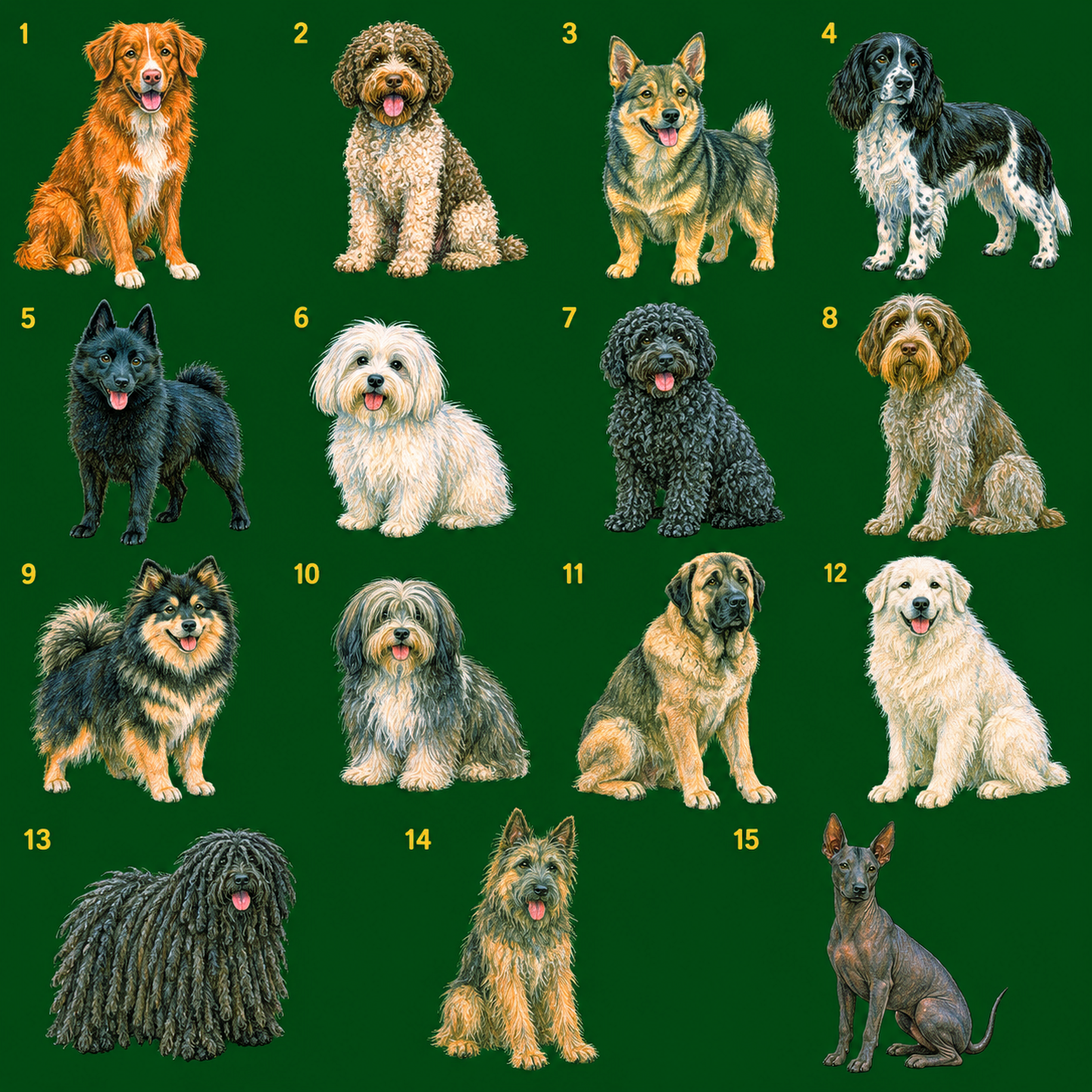
MarshalIn this article, we will get acquainted with 15 interesting dog breeds, and talk about their suitability for different lifestyles, care requirements, physical activity, possible challenges, and approximate prices. At the end, we will also discuss how to choose a healthy, genuinely purebred dog. 🐶
1. Nova Scotia Duck Tolling Retriever
Approximate price: $1,200–$2,500 USD
Temperament: playful, intelligent, energetic, and fond of water. This breed was developed to assist in hunting waterfowl.
Not suitable for: people who are away from home all day and can offer the dog only short walks.
2. Lagotto Romagnolo
Approximate price: €1,500–€2,800
Temperament: intelligent, curious, hardworking, and eager to learn. This breed is known for its ability to search for truffles.
Suitable for: people who love nature, scent games, and mental activities with their dog.
Not suitable for: people who want a dog that requires absolutely no grooming.
3. Swedish Vallhund
Approximate price: €1,000–€2,000
Temperament: energetic, intelligent, attentive, and hardworking. Despite its small size, this breed has the energy characteristic of a herding dog.
Suitable for: active families, people who enjoy walks, and those who want a small but resilient dog.
Not suitable for: people who want a quiet apartment dog with minimal activity requirements.
4. Stabyhoun
Approximate price: €1,200–€2,000
Temperament: loyal, attentive, usually calm at home, but active outdoors.
Suitable for: families who love nature, long walks, and outdoor recreation.
Not suitable for: people who want the dog to spend most of its time sitting in the yard without activities.
5. Schipperke
Approximate price: €900–€1,800
Temperament: small, energetic, confident, and alert. It often behaves as if it were a much larger dog.
Suitable for: people who live in small apartments but are ready to spend regular time engaging with their dog.
Not suitable for: people who want a calm, unobtrusive, and quiet dog.
6. Coton de Tulear
Approximate price: €1,200–€2,500
Temperament: friendly, playful, affectionate, and inclined to form a close bond with people. The historical homeland of the breed is Madagascar.
Suitable for: people living in apartments, couples, and families who want a small companion dog.
Not suitable for: people who are frequently away from home or do not want to take care of the coat.
7. Barbet
Approximate price: €1,200–€2,200
Temperament: friendly, intelligent, fond of water, and hardworking.
Suitable for: active families and people who enjoy water activities.
Not suitable for: people who do not want to deal with coat care or prefer a dog that requires very little exercise.
8. Spinone Italiano
Approximate price: €1,200–€2,200
Temperament: patient, kind, gentle, and attached to its family.
Suitable for: families who want a large, friendly companion and can provide regular walks.
Not suitable for: people who have a very small apartment and cannot provide long walks.
9. Finnish Lapphund
Approximate price: €1,200–€2,000
Temperament: friendly, intelligent, sensitive, and usually well adapted as a family dog.
Suitable for: families, including those with children, as well as people living in cold climates.
Not suitable for: people who do not want to brush the dog regularly or have difficulty tolerating hair in the home.
10. Tibetan Terrier
Approximate price: $1,000–$2,000 USD
Temperament: intelligent, sensitive, attached to its family, and often cautious around strangers.
Suitable for: a single person, couple, or family that wants a medium sized companion with regular walks.
Not suitable for: people who want a dog requiring minimal care or who leave the animal alone for long hours.
11. Armenian Gampr
Approximate price: $200–$800 USD, if offered for sale
Temperament: powerful, independent, resilient, and possessing a pronounced instinct to protect its territory.
Suitable for: rural homes, people involved in livestock farming, and experienced owners with large properties.
Not suitable for: people living in small apartments, those with little time to spend with a dog, or people without experience managing large dogs.
When choosing a Gampr, lineage, the temperament of the parents, health, and the reliability of the breeder are important. Give preference to responsible breeders who work with recognized specialists or organizations involved in preserving the breed.
12. Kuvasz
Approximate price: €1,000–€2,000
Temperament: loyal, independent, alert, and protective.
Suitable for: homes with large properties and experienced owners who understand the characteristics of guardian dogs.
Not suitable for: people who want a dog that immediately welcomes all guests in a friendly manner or who cannot provide a secure fence.
13. Puli
Approximate price: €1,000–€1,800
Temperament: energetic, intelligent, alert, and hardworking herding dog.
Suitable for: active families and people who want to teach their dog various tasks.
Not suitable for: people who do not want to maintain the coat or prefer a calm, less active dog.
14. Berger Picard
Approximate price: €1,300–€2,200
Temperament: hardworking, intelligent, active, and independent.
Suitable for: nature loving families and experienced owners who are ready for regular exercise and training.
Not suitable for: people with a sedentary lifestyle who want to limit the dog to only short walks.
15. Xoloitzcuintli (Xolo)
Approximate price: $1,500–$3,000 USD
Temperament: attentive, loyal, often calm, and attached to its family. Both hairless and short coated varieties are found, as well as several size varieties.
Suitable for: people who appreciate dogs with a unique appearance and are ready to pay special attention to skin care.
Not suitable for: people who want a dog whose skin requires almost no care or who cannot provide weather appropriate protection.
How to Choose the Right Breed and Avoid Buying a Mixed Breed
Start with your lifestyle. How much time do you have for walks? Do you have a yard, small children, or other animals? Are you ready to brush the dog regularly and pay veterinary expenses?
Check the pedigree documents. Ask whether the dog is registered with a recognized canine organization, for example, an FCI member national organization. Pedigree documents confirm registered ancestry, but by themselves they do not guarantee health or temperament.
Meet the puppy's mother and, if possible, the father. Observe their health, behavior, and attitude toward people. Also check the environment in which the puppies are being raised.
Ask for the parents' health examination results. The list depends on the breed. For some breeds, examinations of the hip and elbow joints, eyes, heart, or hereditary diseases are important.
Do not take a puppy at an excessively young age. In many countries, the usual minimum age is eight weeks, but local laws and the requirements of a particular breed or breeder may differ. Check that vaccination, parasite treatment, and veterinary records are available.
Beware of suspicious sellers. If a seller refuses to show the puppy's living conditions, does not provide documents, pressures you to make a payment, or constantly offers puppies that are immediately available without asking questions, it is better not to rush.
Consider a DNA test as an additional tool. Some tests can assess breed ancestry or certain hereditary risks, but they do not replace official pedigree documents or a veterinary examination.
💰 Also Remember the Long Term Costs
The cost of a dog is not limited to the purchase price. Over the years, you will need to pay for food, vaccinations, preventive treatment, supplies, training, and sometimes professional grooming or expensive medical treatment.
A low price does not always mean there is a problem, just as a high price does not guarantee a healthy dog. What matters are the documents, health examinations, the condition of the parents, and the breeder's responsibility.
Final Thought
The best dog does not necessarily have to be the most popular, the most expensive, or the most beautiful. It is the dog whose physical, mental, and social needs correspond to your actual capabilities.
FreeThe growing demand for compact, efficient, and high-performance electronic devices has accelerated the development of advanced power management technologies. Power Supply In Package And Power Supply On Chip (PwrSoC) are emerging solutions designed to improve power delivery efficiency, reduce system size, and enhance performance in applications such as consumer electronics, automotive systems, telecommunications, and data centers.
Power Supply in Package integrates multiple power management components, including voltage regulators, inductors, capacitors, and semiconductor devices, within a single package. This approach minimizes the space required for external components while improving electrical performance. PSiP technology enables shorter power paths, lower energy losses, and faster response times, making it suitable for compact devices such as smartphones, wearable electronics, and advanced computing systems.
 Free
The expansion across the Mohali-Chandigarh urban corridor—stretching from Sector 102A near the Airport Road/Banur-Kharar Highway to Sector 21 in New Chandigarh—has made Jubilee Group one of the region's top real estate developers.
Whether you are looking for high-rise towers, low-rise floors, commercial suites, or strategic residential investments, here is a comprehensive breakdown of four flagship projects: Jubilee Elvira, Avelia Terraces, Jubilee Denvox, and Jubilee Imperia.
Jubilee Elvira: High-Rise Luxury Apartments (Sector 102A, Mohali)- Property Type: High-rise residential towers (~20 to 29 floors) constructed using Mivan shuttering technology for structural durability.
- Density & Layout: Low-density design with only 4 units per floor across ~6 acres, ensuring all units are 4-sided corner apartments with multi-directional sunlight and cross-ventilation.
- Configurations: 3 BHK (~1,870 sq. ft.) and 3 BHK + Store/Servant Room (~2,180 sq. ft.).
- Target Buyer: Families seeking gated community security, scenic elevated views, and integrated high-rise living.
- Indicative Pricing: Starting around ₹1.35 Cr+.
- Property Type: Low-rise Stilt + 4 luxury builder floors constructed on generous 250 sq. yd. plot footprints.
- Layout & Size: Expansive 3 BHK residences featuring ~2,250 sq. ft. super area (~1,235 sq. ft. carpet area + 235 sq. ft. wide balconies).
- Key Advantages: Dedicated auto-passenger elevators, Vastu-compliant floor layouts, stilt parking, and private roof access for top-floor units.
- Target Buyer: Buyers prioritizing privacy, fewer neighbors per plot, plot ownership feel, or private terrace entertainment setups.
- Indicative Pricing: Ranging from ₹1.63 Cr to ₹1.65 Cr+.
- Property Type: Next-gen commercial hub featuring Grade-A corporate office suites and high-street retail zones.
- Scale & Design: Integrated within the 52-acre Jubilee Techyards township, featuring an iconic G+26 floor office tower spanning ~6,40,000 sq. ft., designed by Gian P. Mathur.
- Retail & Corporate Infrastructure: Ground & 1st-floor high-street retail spaces with highway frontage, access-controlled lobbies, double-height entry corridors, and centralized HVAC provisions.
- Target Investor: IT firms, startups, corporate tenants, and investors seeking strong rental yields near GMADA IT City and Amity University.
- Indicative Pricing: Commercial base entry starting around ₹1.22 Cr+.
- Property Type: Premium gated multi-story residential towers.
- Configuration Options: Tailored residential floor plates featuring efficiently designed 2 BHK (~1,340 sq. ft.) and 3 BHK (~1,870 sq. ft.) layouts.
- Community Features: Complete 24x7 gated security, multi-level basement/stilt parking, clubhouse, themed green gardens, swimming pool, and athletic courts (badminton/gym).
- Target Buyer: End-users and investors looking for an accessible entry point into Jubilee Group's residential portfolio near northern Chandigarh and New Chandigarh connectivity corridors.
- Key Advantage: Focuses on functional unit layouts and lower maintenance footprints while maintaining full access to luxury township amenities.
- Choose Jubilee Elvira if you want high-rise luxury, corner-unit views, and Mivan construction within the Techyards ecosystem in Sector 102A.
- Choose Avelia Terraces if you prefer low-rise builder floor living, private terrace rights, and greater carpet space.
- Choose Jubilee Denvox if your focus is commercial real estate, corporate headquarters, or high-yield rental returns.
- Choose Jubilee Imperia if you want efficient 2 BHK/3 BHK residential layouts with full clubhouse amenities.
FreeOpus One by GB Realty is an ultra-luxury residential address located in Eco City Phase 2, Mullanpur (New Chandigarh). Designed for low-density, high-privacy living, the high-rise development brings together five-star amenities, advanced structural engineering, and panoramic views of the Shivalik range.
Master Plan & Structural Highlights- Gated Campus: Spread over 8.75 acres, dedicating a major portion of the footprint to open landscapes.
- Vertical Scale: Comprises 11 Opus one Apartments rising 29 to 33 storeys, forming one of the tallest residential silhouettes in New Chandigarh.
- Low-Density Privacy: Formatted with only 2 to 3 apartments per floor/lobby to reduce common-area traffic and ensure fast elevator access.
- Construction & Craftsmanship: Built with Mivan formwork shuttering for superior structural integrity. Interiors for show residences showcase collaboration with Hirsch Bedner Associates (HBA), incorporating Italian marble, onyx accents, teakwood veneer finishes, and smart automation systems.
- Spacious Residences: Includes 3 BHK, 4 BHK, 5 BHK, and top-tier 6 BHK penthouse floor plans starting from approximately ~3,300 sq. ft.
- Buyer Payment Structures: Offers staggered, construction-linked builder payment schedules.
- Regulatory Approval: Fully compliant under Punjab RERA (PBRERA-SAS81-PR1267).
Houses over 70 lifestyle, fitness, and outdoor facilities inside the complex:
- Leisure & Community: Multi-level clubhouse, private home theater, banquet hall, and resident lounges.
- Sports & Wellness: Temperature-controlled infinity pool, modern fitness center, yoga zone, and outdoor sports courts.
- Green Spaces: Zen gardens, children's play zones, and dedicated walking loops.
Situated inside Eco City Phase 2 with quick connections across the Chandigarh Capital Region:
- Airport Corridor: Direct reach via the PR-7 Airport Road for smooth transit to Chandigarh International Airport.
- Institutional Proximity: Located minutes away from Medicity Hospital, PGIMER, Punjab University, and main access corridors leading into central Chandigarh and Mohali.
Tag Search
Tags

Ads
SubMeet


Ads

Rose

