
SubMeet Blog Posts
Write your:
Biography, story, article or tidings.
Maximum 50.000  symbols (Depends on the browser) one post.
Maximum 10 posts per day, 100 posts per month, for one user.
We recommend using the Firefox browser to publish a post.



 Marshal
Eating "healthy" shouldn't feel like solving a chemistry exam. 😅 Your body is not a machine you can run on random fuel, it's more like a living ecosystem. Give it variety and it thrives. Starve it or push extreme diets and it quietly starts shutting down non-essential systems first (hair, hormones, mood, immunity… you know, the usual suspects).
This simple, realistic 7-day plan is designed for adults ages 18 to 60+ who want to meet their daily nutritional needs without obsessing over calories or risking their long-term health. Think of it as a roadmap, not a rulebook. 🗺️
📊 Daily Nutritional Targets Covered
Protein: 60,90 g
Fiber: 25,35 g
Calcium: ~700,1100 mg
Magnesium: 300+ mg
Potassium: ~3000,4000 mg
Iron, zinc & selenium: adequate daily amounts
Carbohydrates (bread)
No repeated daily menus ✅
🍽️ What a Healthy Daily Plate Should Actually Look Like
A balanced day doesn't need to be complicated. It usually includes:
A protein source (eggs, fish, meat, dairy, or legumes)
Whole carbohydrates (bread, rice, potatoes, or oats)
Plenty of vegetables and fruit
Healthy fats (nuts, olive oil, seeds)
Calcium-rich foods
Fiber from plants
Here's a simple way to think about it: bread is your fuel ⛽, protein is your building material 🧱, and vegetables are the maintenance crew keeping everything running smoothly. 🔧
📅 7-Day Meal Plan (Non-Repeating)
You can make substitutions between days and food groups, and, if necessary, double or triple the daily portion. You can also add dark chocolate, cocoa, teas, coffee, quality pastries, or other foods.
Day 1 ☀️
Breakfast
3-egg omelet with spinach and cheese (½ large plate), 1 slice whole-grain bread, 1 apple 🍎
Lunch
Grilled chicken breast (~180 g), cooked rice (1 cup), large mixed salad (full plate) 🥗
Dinner
Hummus (~150 g, about a medium bowl), 2 slices of bread, fresh vegetables 🥙
Snack
Yogurt (200 g) + a small handful of walnuts 🌰
Day 2 ☀️
Breakfast
Oatmeal (~70 g dry oats) with milk, banana, and nuts 🍌
Lunch
Baked salmon (~170 g), 2 medium potatoes, broccoli (½ plate) 🐟
Dinner
Lentil soup (large bowl), 1 slice bread 🍲
Snack
Cottage cheese (200 g) + berries 🫐
Day 3 ☀️
Breakfast
Greek yogurt (250 g) + fruit + seeds 🍓
Lunch
Beef stew (~180 g meat), vegetables (almost full plate), 1 slice bread 🥩
Dinner
Hummus (~180 g), pita or 2 slices bread, carrot & cucumber sticks 🥕🥒
Snack
Orange + a handful of almonds 🍊
Day 4 ☀️
Breakfast
2 boiled eggs, ½ avocado, 2 slices of bread 🥑🥚
Lunch
Turkey (~170 g), buckwheat (1 cup), large salad 🦃
Dinner
Bean stew (large bowl), 1 slice bread 🫘
Snack
Kefir (250 ml) + nuts 🥛
Day 5 ☀️
Breakfast
Oat pancakes (2,3 pieces), yogurt + berries 🥞
Lunch
Grilled fish (~180 g), quinoa (1 cup), vegetables (½,1 plate) 🐠
Dinner
Hummus (~150 g), 2 slices bread, tomato & cucumber 🍅🥒
Snack
Apple + 1 tbsp peanut butter 🍎🥜
Day 6 ☀️
Breakfast
Cottage cheese (250 g), a small drizzle of honey + nuts 🍯
Lunch
Chicken pasta (large plate) with tomato sauce 🍝
Dinner
Vegetable omelet (3 eggs), 1 slice bread 🍳
Snack
Banana + yogurt 🍌
Day 7 ☀️
Breakfast
Yogurt + oats + fruit 🫐
Lunch
Lamb stew (~170 g meat), vegetables (large plate), 1 slice bread 🍖
Dinner
Chickpea salad (large bowl) with olive oil, 1 slice bread 🫘🫒
Snack
Kefir + 2,3 dates 🌴
What's in Your Food? Key Nutrients at a Glance
🥚 Eggs - Protein, Vitamin D, Selenium, Zinc, B12
🍞 Whole-grain bread - Carbohydrates, Fiber, Magnesium, B Vitamins
🐟 Salmon / Fish - Protein, Omega-3, Vitamin D, Selenium, Iodine
🍗 Chicken / Turkey - Protein, Zinc, B6, Phosphorus
🥩 Beef / Lamb - Protein, Iron, Zinc, B12, Magnesium
🫘 Lentils / Beans / Chickpeas - Fiber, Plant Protein, Iron, Potassium, Folate, Magnesium
🫙 Hummus - Fiber, Plant Protein, Iron, Calcium, Magnesium, Healthy Fats
🥛 Yogurt / Kefir / Cottage Cheese - Calcium, Protein, Probiotics, B12, Phosphorus
🧀 Cheese - Calcium, Protein, Vitamin K2, Zinc
🥑 Avocado - Healthy Fats, Potassium, Magnesium, Fiber, Vitamin E
🌾 Oats / Oatmeal - Fiber, Carbohydrates, Magnesium, Iron, B Vitamins
🍚 Rice / Buckwheat / Quinoa - Carbohydrates, Magnesium, Fiber, Iron
🥦 Broccoli / Vegetables (mixed) - Fiber, Vitamin C, Potassium, Folate, Calcium
🥕 Carrots - Beta-carotene (Vitamin A), Fiber, Potassium
🍅 Tomatoes - Vitamin C, Potassium, Lycopene, Fiber
🥒 Cucumber - Water, Vitamin K, Potassium
🍌 Banana - Potassium, Carbohydrates, Vitamin B6, Magnesium
🍎 Apple / Orange / Berries - Vitamin C, Fiber, Antioxidants, Potassium
🫐 Berries - Antioxidants, Vitamin C, Fiber, Manganese
🌰 Walnuts / Almonds / Nuts - Healthy Fats, Omega-3, Magnesium, Vitamin E, Protein
🥜 Peanut Butter - Protein, Healthy Fats, Magnesium, Potassium, Fiber
🫒 Olive Oil - Healthy Fats (Omega-9), Vitamin E, Antioxidants
🍯 Honey - Natural Sugars, Trace Antioxidants
🌴 Dates - Potassium, Fiber, Natural Sugars, Magnesium, Iron
🥔 Potatoes - Potassium, Carbohydrates, Vitamin C, B6, Fiber
🔬 Nutrition Needs by Age (18,60+)
Understanding what your body needs at different life stages can make a huge difference in how you feel and function day to day.
Ages 18,30 🚀
Metabolism is typically faster and energy needs are higher. Protein becomes essential for supporting muscle growth, hormones, and brain function, especially if you're active or under stress.
Ages 30,45 💼
Busy jobs and sedentary habits increase nutrient demand in surprising ways. Fiber, magnesium, and omega-3 fats become especially important during this phase to maintain energy levels and reduce inflammation.
Ages 45,60+ 🛡️
Muscle mass naturally starts to decline. Calcium, vitamin D, protein, and potassium become your best allies for protecting bones, heart health, and long-term mobility.
Age 60+ 🌿
Protein needs often increase relative to body weight. Since appetite may decrease with age, nutrient density matters more than ever. Every meal counts.
⚠️ A Serious Word About Rapid Weight Loss Diets
Crash dieting might look encouraging in the mirror for a few weeks. Biologically, it's closer to controlled starvation.
Here's what extreme food restriction actually does to your body:
💪 Muscle loss (not just fat, unfortunately)
🧬 Hormonal disruption
🐢 Slower metabolism
🥗 Nutrient deficiencies
💇 Hair loss, fatigue, and dizziness
🪨 Gallstones (especially with very rapid weight loss)
🦴 Bone density loss (particularly dangerous after 40)
If weight loss is your goal, a moderate calorie deficit with adequate protein and micronutrients is far safer, more sustainable, and honestly far more effective long-term than eliminating entire food groups.
✅ Why This Plan Actually Works
It's not a gimmick. It works because it brings together the right combination of foods in a way that your body recognizes and responds to:
✔️ Animal + plant protein for complete amino acid coverage
✔️ Whole carbohydrates (including bread!) to fuel your brain and muscles
✔️ Legumes and hummus for fiber and essential minerals
✔️ Dairy or alternatives for calcium
✔️ Vegetables for potassium and micronutrients
✔️ Healthy fats for nutrient absorption and hormone balance
In short: this isn't a "diet." It's a sustainable eating pattern you can actually live with. 🙌
💬 Final Thought
Health is not built by one perfect meal, but by repeated reasonable ones. The human body is astonishingly resilient, and if you stop fighting it and start feeding it intelligently, it will reward you in ways that go far beyond the number on the scale.
Food is not just calories. It's information, structure, and repair material, delivered three times a day. 🍽️ Treat it that way, and everything changes.
Marshal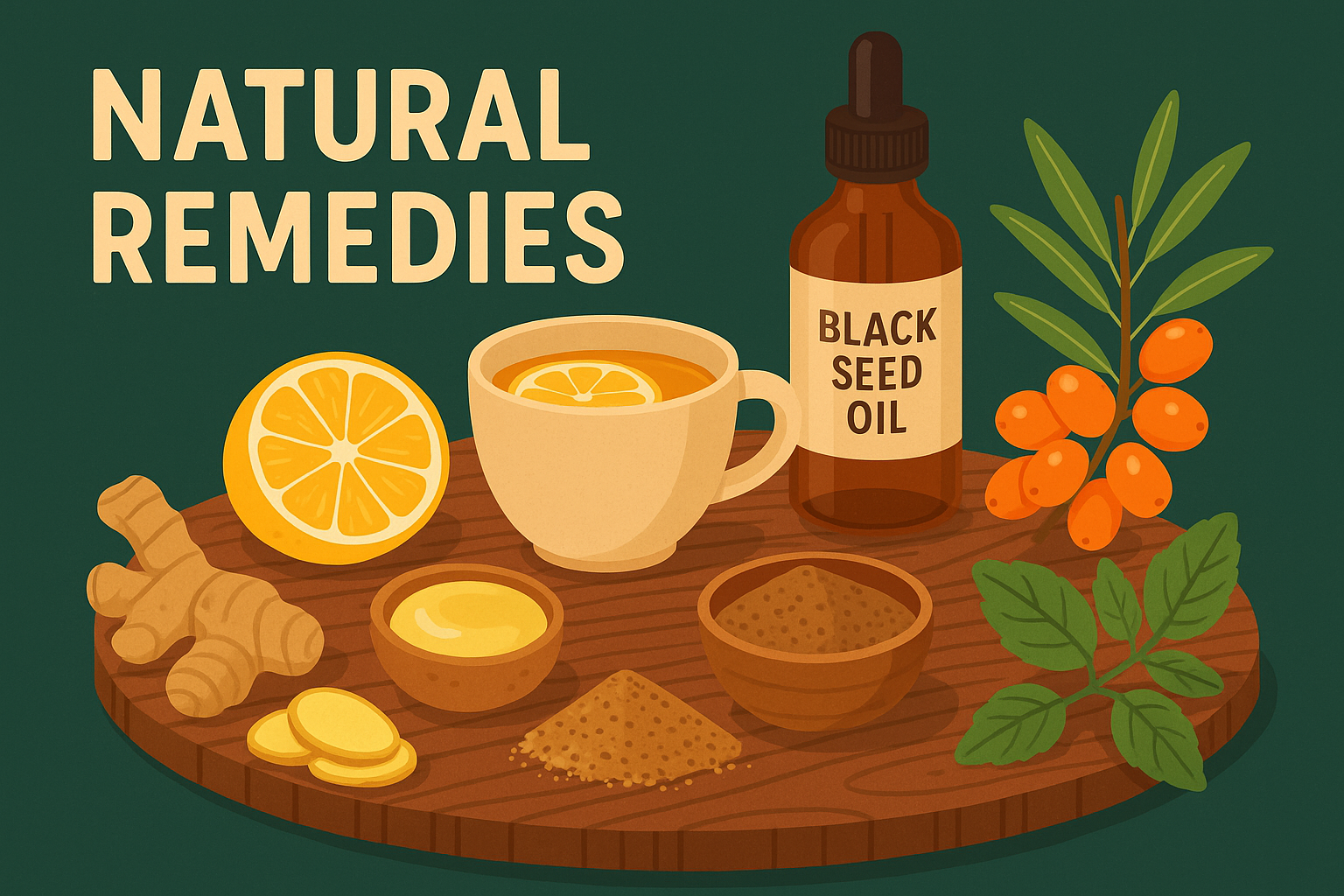
Introduction
In the evolving landscape of natural healthcare, a balanced approach that blends traditional wisdom and modern evidence offers powerful yet gentle support for overall well-being. This guide presents a selection of “mixed natural remedies”, a curated blend of herbs, essential oils, and spices chosen for their complementary effects on the body’s renewal, resilience, and natural detoxification.
Rotating and refreshing your use of natural remedies every few weeks helps stimulate the body’s adaptive systems, encouraging cellular repair and long-term vitality.
1. Respiratory Health and Cough Relief
Honey and Lemon Elixir
Ingredients:
1 tablespoon raw (natural) honey
Juice of ½ fresh lemon
8 oz warm (not boiling) water
How it works: Honey soothes irritated airways, while lemon provides vitamin C and mild antimicrobial action.
Dosage: 2–3 cups daily for up to one week during acute cough episodes, with 1–2 days of rest before resuming if needed.
Herbal Teas for Respiratory Support
Ginger Tea: Reduces throat irritation and inflammation. (1 cup, twice daily)
Peppermint Tea: Menthol opens airways and relieves congestion. (1 cup daily)
Thyme Tea: Contains thymol, powerful against respiratory microbes. (1 cup, 2–3 times weekly)
Eucalyptus Tea: Helps break down mucus; best for productive coughs.
Tulsi (Holy Basil): An expectorant and immune-modulator. (1 cup twice daily)
2. Immune System Support and Body Renewal
Daily and Weekly Refresh Plan
Alternate between immune-boosting herbs weekly to keep the body responsive:
Week 1: Black seed oil + ginger tea
Week 2: Sea buckthorn oil + tulsi tea
Week 3: Cumin and honey blend
Pause: Take 2–3 days off every third week to allow metabolic balance.
Core Immune Nutrients and Their Functions
Vitamin C: Lemon, sea buckthorn; Supports white blood cells and acts as an antioxidant.
Vitamin D: Sea buckthorn, sunlight; Regulates the immune system and promotes bone health.
Zinc: Black seed oil (Nigella sativa), cumin; Provides antiviral effects and aids in wound healing.
Selenium: Sea buckthorn, black seed; Supports thyroid function and offers oxidative protection.
Vitamin B6 (Pyridoxine): Ground cumin; Essential for the nervous system and neurotransmitter production.
Iron: Cumin, sea buckthorn; Supports oxygen transport and energy production.
Black Seed (Nigella sativa) Oil
Main compounds: Thymoquinone, nigellone, zinc, selenium
Function: Regulates immune response, reduces inflammation, supports respiratory and skin health
Dosage: 1 tsp daily with meals; 5 days on, 2 days off
Ground Black Seed (Nigella sativa)
In addition to black seed oil, ground black seed (also known as Nigella sativa powder) offers a potent yet balanced form of natural support. When the seeds are freshly ground, they retain their essential oils, vitamins, and minerals such as zinc, selenium, and B vitamins.
Benefits:
Supports respiratory and digestive function
Enhances immune response and metabolic balance
Contains thymoquinone, a compound with strong antioxidant and anti-inflammatory effects
Provides vitamin B6 (pyridoxine) and magnesium, both crucial for nervous system stability and mental clarity
Suggested use: Take ¼ teaspoon of freshly ground black seed once or twice daily, preferably with honey or warm water, or a small pinch (⅛–¼ teaspoon) over salads, soups, or stews just before serving, or mix into yogurt, hummus, or olive oil dips for extra aroma and immune support.
Dosage: 10–14 days of use followed by a 3-day break helps maintain potency and avoid overuse.
Sea Buckthorn (Hippophae rhamnoides) Oil
Rich in: Vitamins A, C, E, K, D; omega 3-6-7-9 fatty acids
Function: Strengthens cell membranes, promotes skin and heart health
Dosage: 1–2 tsp daily for 2 weeks, followed by a 3-day rest
3. Cumin: The Spice of Energy and Mental Focus
Ground Cumin (Cuminum cyminum)
Cumin is more than a culinary spice; it’s a gentle neurotonic, stimulating mental clarity and supporting the nervous system.
Bioactive compounds: Iron, manganese, pyridoxine (B6), riboflavin (B2)
Pyridoxine (B6): Vital for nerve cell communication and serotonin synthesis
Manganese and iron: Boost oxygen delivery to brain cells
How to use:
Daily: ½ tsp ground cumin in meals or tea (once or twice a day)
Weekly pattern: 5 days use, 2 days rest
Traditional use: Enhances memory, focus, and digestion.
White Cumin (Jeera Safed)
White cumin (a lighter variety of Cuminum cyminum) is milder in flavor but rich in magnesium, phosphorus, calcium, and B vitamins.
Benefits:
Strengthens the nervous and muscular systems
Improves digestive enzyme secretion
Helps maintain stable blood pressure and calm alertness
Suggested use: Add ½ tsp ground white cumin to soups or yogurt daily for 1 week; take a 2-day break before repeating.
4. Nervous System and Cognitive Health
Tulsi (Holy Basil) Tea
An adaptogenic herb that stabilizes stress hormones (cortisol) and promotes mental clarity.
Dosage: 1 cup morning and evening for 10 days, followed by a 3-day break.
Cumin and Honey Tonic
Combine ½ tsp ground cumin with 1 tsp raw honey.
Purpose: Enhances circulation to the brain and supports neurotransmitter balance.
Use: Once daily in the morning for 7 days; rest 2 days.
Sea Buckthorn Oil for Brain Renewal
Omega-3 and vitamin E protect neurons against oxidative stress and maintain membrane integrity.
Use: 1 tsp daily for 14 days, pause 5 days.
5. Fever and Headache Relief (Gentle Natural Support)
Apple Cider Vinegar Compress: 1 part vinegar: 4 parts cool water. Apply to the forehead for 10–15 minutes.
Peppermint or Ginger Tea: 1 cup up to 3 times daily during fever.
Caution: Seek medical help for fevers > 38.4 °C or persistent headache.
6. Best Practices for Safe Use
Rotate herbs every 2–3 weeks to maintain sensitivity and prevent overexposure.
Use organic, cold-pressed oils and freshly ground spices to preserve nutrients.
Store oils in dark glass bottles away from sunlight.
Take short breaks between cycles to allow the body’s natural systems to reset.
Special Tips: Synergistic Natural Combinations
Combining certain herbs and spices enhances their bioactive potential, providing gentle, preventive support for the body. These blends can be used both for wellness maintenance and as supportive therapy during recovery or seasonal fatigue.
1. Ground Cumin + White Cumin
Sprinkle equal parts of both (about ¼ teaspoon total) over cooked vegetables, soups, or rice.
This combination balances digestion, strengthens the nervous system, and supports mental focus.
White cumin softens the stronger, peppery tone of dark cumin, creating a pleasant aroma and smoother taste.
2. Ground Black Seed + Honey
Mix ¼ teaspoon ground black seed with 1 teaspoon raw honey. Take once daily in the morning on an empty stomach.
This blend supports respiratory health, strengthens immunity, and provides natural antioxidants for cell renewal.
3. Sea Buckthorn + Ginger Tea
Add 1 teaspoon sea buckthorn oil (or fresh berries) to a cup of warm ginger tea. Drink once daily.
This combination enhances circulation, supports the skin and brain, and provides a daily vitamin-rich tonic.
4. Black Seed Oil + Tulsi (Holy Basil) Tea
Take 1 teaspoon black seed oil with or after a cup of tulsi tea.
It calms inflammation, improves breathing, and balances the immune and nervous systems simultaneously.
5. Cumin + Lemon + Olive Oil Mix
Combine ½ teaspoon ground cumin, juice of half a lemon, and 1 teaspoon olive oil.
Use it as a dressing on salads or lentils three times a week.
This formula supports liver detoxification, digestion, and gentle daily renewal.
Usage Rhythm:
For preventive wellness, use one of these combinations daily and rotate every 5–7 days.
Take a 2–3 day break after each full week to allow the body to reset and maintain sensitivity to natural compounds.
Conclusion
Natural remedies, when used cyclically and thoughtfully, can refresh the body and sharpen the mind. Black seed oil strengthens immunity; sea buckthorn renews cells; cumin awakens clarity; tulsi calms the nerves. Together, they form a living dialogue between traditional wisdom and modern evidence, a path not to replace medicine, but to revitalize the body’s natural rhythm of healing and renewal.
Marshal
Health Benefits of Purple Basil, Garlic, Cloves, Oregano, Rosemary, and Rose Tea
Discover the incredible healing powers of purple basil, garlic, cloves, oregano, rosemary, and rose tea—six natural ingredients that have been used for centuries across different cultures for their medicinal properties. From improving digestion and reducing stress to boosting heart health and fighting microbes and parasites, these herbs and spices deserve a spot in your daily wellness routine.
In this article, you’ll explore their scientifically supported benefits, compare their effectiveness, and learn how to incorporate them into teas and recipes to maximize their health benefits.
Health Benefits of Each Ingredient
1. Purple Basil (Tulsi / Ocimum sanctum)
Known as Tulsi in Ayurvedic medicine, purple basil is rich in antioxidants like eugenol and ursolic acid.
Key Benefits:
Digestive Support: Stimulates digestive enzymes, reduces bloating, and soothes the stomach.
Stress Relief: Acts as a natural adaptogen—lowering cortisol and promoting mental balance.
Heart Health: Improves circulation and reduces oxidative stress on blood vessels.
Liver & Kidneys: Protects liver cells and acts as a gentle diuretic.
Antimicrobial: Fights bacteria (Staphylococcus aureus) and fungi (Candida albicans).
2. Garlic (Allium sativum)
Garlic is a potent medicinal food because of allicin—its primary sulfur compound.
Key Benefits:
Digestive Support: Aids digestion but may cause irritation in sensitive stomachs.
Stress Reduction: Indirectly lowers stress through reducing inflammation.
Heart: Lowers blood pressure, reduces cholesterol, and boosts circulation.
Liver & Kidneys: Enhances detox pathways and shields against oxidative damage.
Antimicrobial/Antiparasitic: Effective against E. coli, Candida, and Giardia.
3. Cloves (Syzygium aromaticum)
Cloves are rich in eugenol, providing powerful aromatic and therapeutic effects.
Key Benefits:
Digestive Comfort: Relieves gas and encourages enzyme flow.
Stress Relief: Mildly sedative via aroma and chemical compounds.
Heart: Supports circulation and helps maintain healthy cholesterol levels.
Liver: Acts as a liver-protective antioxidant.
Antiparasitic: Targets parasite eggs and fungi.
4. Oregano (Origanum vulgare)
A staple in Mediterranean diets, oregano contains potent oils like carvacrol and thymol.
Key Benefits:
Digestive Support: Reduces bloating and calms intestinal irritation.
Heart & Liver: Rich in antioxidants supporting cardiovascular and liver health.
Kidneys: Acts as a natural diuretic to help prevent UTIs.
Antimicrobial: Highly effective against Salmonella, Listeria, and Candida.
5. Rosemary (Rosmarinus officinalis)
Rosemary enhances focus and overall wellness with rosmarinic acid and carnosol.
Key Benefits:
Digestive Aid: Eases indigestion and gas.
Stress & Mental Clarity: Boosts alertness while providing a mild calming effect.
Heart: Improves blood flow and reduces inflammation.
Liver & Kidneys: Protects organs from toxins and oxidative stress.
6. Rose Tea (Rosa canina / Rosa damascena)
Delicate and fragrant, rose tea is packed with vitamin C and bioflavonoids.
Key Benefits:
Digestive Relief: Eases bowel movements, especially with rose hips.
Stress Reduction: Aromatherapeutic and calming.
Heart: Supports capillary and blood vessel health.
Liver & Kidneys: Offers mild detoxifying and diuretic effects.
Top Recipes to Harness Their Healing Power
Recipe 1: Immune-Boosting Herbal Tea
Ingredients:
0.5 tsp dried purple basil (Tulsi)
2–3 whole cloves
0.5 tsp dried oregano
0.5 tsp dried rosemary
0.5 tsp dried rose petals or 1 tbsp rose hips
1 cup boiling water (temperature ~ 90 °C)
Optional: 1 tsp raw honey
Instructions:
Combine herbs and cloves in a teapot or heat-safe mug.
Pour boiling water and steep for 3–5 minutes.
Strain and add honey if desired.
Drink in the evening to unwind and help digestion (it is recommended to drink tea at 50-55 °C (and even coffee, or meals, snacks), as oral cavity heartburn is harmful). Also, take breaks; your body will remind you. For example, after drinking tea for three days, take a two-day break (breaks are also an important part of treatment).
Benefits:
Supports relaxation, digestion, immunity, and gentle antimicrobial effects.
Note: Avoid adding fresh garlic to the tea; instead, consume 1–2 raw cloves daily for maximum antiparasitic and immune benefits.
Recipe 2: Garlic-Herb Roasted Chicken
Ingredients (4 servings):
1 whole chicken or 4 thighs
4 garlic cloves, minced
1 tbsp dried purple basil
1 tbsp dried oregano
1 tbsp dried rosemary
2 tbsp olive oil
1 tsp salt, ½ tsp black pepper
1 lemon, juiced
Optional: ¼ tsp ground cloves
Instructions:
Preheat oven to 375°F (190°C).
Mix garlic, herbs, oil, lemon, salt, and pepper.
Rub over chicken; marinate for 15–30 minutes if possible.
Bake for 1–1.5 hours until golden and internal temperature reaches 165°F (74°C).
Rest for 10 minutes before serving.
Benefits:
This dish promotes heart and liver health, digestion, and immunity—ideal for a nutritious dinner.
Recipe 3: Aromatic Herbal Rice
Ingredients (4 servings):
1 cup basmati rice
2 cups water or vegetable broth
½ tsp dried oregano
½ tsp rosemary
¼ tsp ground cloves
1 garlic clove, minced
½ tsp salt
Optional: 1 tbsp chopped purple basil or rose petals (for garnish)
Instructions:
Rinse rice until the water runs clear.
Sauté garlic in a little olive oil.
Add rice, water, herbs, and salt. Bring to a boil.
Cover, reduce heat, and simmer for 15 minutes.
Garnish with herbs or petals.
Benefits:
A tasty, antioxidant-rich side dish that pairs well with proteins and vegetables.
Conclusion: Let Nature Nourish You
Integrating these natural remedies into your meals and teas is a powerful way to support digestion, manage stress, and protect vital organs. Garlic, purple basil, cloves, oregano, rosemary, and rose tea each offer unique benefits, and when used together, they create a holistic shield for your body and mind.
Whether you sip a warm herbal tea or enjoy a hearty garlic-herb chicken, these ingredients invite health, balance, and resilience into your daily life.
Marshal
Herbs have been utilized for centuries as natural remedies, delivering remarkable health benefits. Among them, oregano (Origanum vulgare) and rosemary (Rosmarinus officinalis) stand out as two of the most potent herbs for boosting immunity, improving digestion, and enhancing overall well-being. But can they be combined in tea or meals? Absolutely! Not only are they safe to combine, but they also enhance each other’s medicinal properties.
In this article, we’ll explore the benefits of oregano and rosemary, how to use them together, and four additional powerful herbal blends that can strengthen the immune system and promote healing.
Oregano and Rosemary: The Perfect Herbal Pair
1. Oregano: The Natural Antibiotic
Oregano is a powerhouse of nutrients and compounds that combat infections and inflammation.
1. Rich in antioxidants (carvacrol, thymol, rosmarinic acid)
2. Has antibacterial and antiviral properties – effective against colds, flu, and respiratory infections
3. Supports digestion – reduces bloating, gas, and indigestion
4. Lowers blood pressure – supports heart health
5. Reduces inflammation – beneficial for arthritis and joint pain
2. Rosemary: The Brain Booster and Immune Protector
Rosemary is well known for enhancing memory, protecting against oxidative stress, and boosting circulation.
1. Enhances cognitive function – improves focus and memory
2. Protects the liver – aids in detoxification
3. Boosts the immune system – combats infections and supports respiratory health
4. Relieves stress and anxiety – has calming effects on the nervous system
5. Supports digestion – assists with bloating and acid reflux
How to Use Oregano and Rosemary Together
Oregano & Rosemary Tea Recipe
Drinking oregano and rosemary tea can provide immune support, aid digestion, and enhance mental clarity.
Ingredients
1 teaspoon dried oregano
1 teaspoon dried rosemary
1 cup hot water
Honey or lemon (optional)
Instructions
Add the herbs to a cup of hot water.
Cover and steep for 3 minutes.
Strain and enjoy warm.
This tea is beneficial during cold and flu season as it fights bacteria, clears congestion, and supports respiratory health.
Using Oregano and Rosemary in Cooking
Oregano and rosemary work wonderfully together in meals:
1. Perfect for meats – enhances the flavor of chicken, beef, and lamb
2. Great in soups and sauces – adds depth to tomato-based dishes
3. Tasty in bread and baked goods – works well in focaccia and savory biscuits
4 More Powerful Herbal Blends for Immunity and Healing
Besides oregano and rosemary, several other herbs work synergistically to enhance immune function and promote health. Here are four powerful herbal blends to try:
1. Ginger & Turmeric: The Ultimate Anti-Inflammatory Duo
This combination is excellent for reducing inflammation, easing digestion, and combating infections.
Ginger – Improves circulation, alleviates nausea, and fights colds
Turmeric – Rich in curcumin, a powerful anti-inflammatory compound
How to use:
Make ginger-turmeric tea by boiling fresh ginger slices and turmeric powder in hot water.
Add black pepper to enhance turmeric absorption.
2. Peppermint & Eucalyptus: The Respiratory Relief Blend
This duo is ideal for clearing congestion, reducing stress, and refreshing the body.
Peppermint – Aids with digestion, headaches, and sinus congestion
Eucalyptus – Opens airways and combats infections
How to use:
Inhale eucalyptus and peppermint steam for cold relief.
Drink peppermint-eucalyptus tea to soothe sore throats.
3. Chamomile & Lemon Balm: The Stress-Relieving Immunity Booster
This blend is perfect for calming the nervous system while supporting immune function.
Chamomile – Reduces stress, improves sleep, and alleviates inflammation
Lemon Balm – Boosts mood, eases anxiety and strengthens immunity
How to use:
Drink chamomile-lemon balm tea before bed for relaxation.
Use the tea as a skin tonic for its anti-inflammatory effects.
4. Thyme & Sage: The Antibacterial Defense Blend
This duo is known for fighting infections, soothing coughs, and promoting oral health.
Thyme – A natural expectorant that alleviates coughs and clears mucus
Sage – Enhances memory, combats bacteria, and improves throat health
How to use:
Make thyme-sage tea to alleviate colds and sore throats.
Gargle with thyme-sage infusion to prevent oral infections.
Conclusion: Boost Your Health with Herbal Power
Oregano and rosemary are an excellent herbal combination for immune support, digestion, and mental clarity. They offer countless health benefits when used in tea, cooking, or essential oils.
By incorporating other powerful herbal blends, such as ginger and turmeric, peppermint and eucalyptus, chamomile and lemon balm, and thyme and sage, you can naturally enhance your immune system and promote healing.
 VIP
VIP
Combining cinnamon with cocoa or coffee offers more than a flavor boost; it creates a powerful health-enhancing blend filled with antioxidants, essential vitamins, and minerals. In this article, we’ll dive into the benefits of these combinations, when and how they should be consumed, and tips on preparing them for the best results.
Cinnamon with Cocoa and Milk: A Soothing and Health-Boosting Night Drink
Health Benefits
Mixing cinnamon with cocoa (and milk) is not only delicious but also provides several health benefits:
Rich in Antioxidants:
Cocoa contains flavonoids, powerful antioxidants that fight oxidative stress and inflammation. Combined with cinnamon’s polyphenols, this blend offers a strong dose of antioxidants to help protect against cellular damage.
Heart Health:
Both cinnamon and cocoa can improve heart health by reducing LDL (bad) cholesterol, increasing HDL (good) cholesterol, and improving blood flow. This combination may help reduce the risk of heart disease.
Mood Booster:
Cocoa stimulates the release of endorphins and serotonin, enhancing mood and reducing stress. Cinnamon’s comforting aroma can further amplify these effects, making this drink ideal for relaxation.
Blood Sugar Regulation:
Cinnamon can help regulate blood sugar levels by improving insulin sensitivity, making it a great addition for people watching their sugar intake.
Anti-Inflammatory Properties:
Cinnamon and cocoa both contain compounds that reduce inflammation, which can be beneficial for people with arthritis or other inflammatory conditions.
Vitamins and Microelements
Cocoa: Contains iron, magnesium, potassium, and a range of B vitamins.
Cinnamon: Provides manganese, calcium, iron, and fiber.
Milk: Adds calcium, vitamin D, protein, and vitamin B12.
Preparation and Suggested Portions
Ingredients:
1 cup of milk (dairy or plant-based)
1 tablespoon of unsweetened cocoa powder
½ teaspoon of cinnamon
Optional: a teaspoon of sugar for sweetness
Method:
Heat the milk in a saucepan until warm.
Add cocoa powder and cinnamon, whisking until fully mixed.
Sweeten with sugar if desired.
Pour into a mug and enjoy!
Daily Portion and Timing:
Daily Portion: 1 cup per day is sufficient to enjoy the health benefits.
Best Time to Drink: Evening or about 1-2 hours before bedtime. This soothing drink can help you relax and unwind, promoting a restful night’s sleep.
Cinnamon with Instant Coffee: A Morning Power Boost
Health Benefits
Adding cinnamon to coffee enhances its benefits and adds a range of health-boosting properties:
Enhanced Cognitive Function:
The caffeine in coffee improves mental alertness and focus, while cinnamon may further support brain health by protecting neurons from oxidative damage. Together, they make a great morning pick-me-up for cognitive support.
Improved Metabolism:
Both coffee and cinnamon have thermogenic properties, meaning they can increase metabolism and support calorie burning. Cinnamon also helps regulate blood sugar, making this blend useful for weight management.
Antioxidant Power:
Coffee is rich in antioxidants, and adding cinnamon gives it a boost with polyphenols, which combat oxidative stress and inflammation.
Antimicrobial Properties:
Cinnamon has natural antibacterial and antifungal properties, which may support oral health and reduce harmful bacteria.
Digestive Support:
Cinnamon can help reduce bloating and stimulate digestion. When combined with coffee, it may lessen coffee’s potential acidic effect on the stomach, especially if consumed in moderation.
Vitamins and Microelements
Coffee: Contains small amounts of magnesium, potassium, and B vitamins.
Cinnamon: Adds manganese, calcium, iron, and fiber.
Preparation and Suggested Portions
Ingredients:
1 cup of instant coffee (brewed to your preference)
¼ teaspoon of ground cinnamon
Optional: 1 teaspoon of sugar to balance the bitterness and enhance flavor
Method:
Brew your instant coffee as usual.
Stir in the cinnamon and sugar, then mix well.
Enjoy immediately for a flavorful, health-boosting morning drink.
Daily Portion and Timing:
Daily Portion: 1 cup per day is enough for most people to experience the benefits without overstimulating the body.
Best Time to Drink: Morning or afternoon. The caffeine from coffee, combined with cinnamon’s energy-boosting effects, is best enjoyed early in the day to prevent sleep disruption.
Key Differences and Tips
Timing:
Cinnamon Cocoa with Milk: Best in the evening, as it promotes relaxation.
Cinnamon Coffee: Best in the morning, as it provides a stimulating energy boost.
Portion Sizes:
Stick to 1 cup of each per day to avoid overstimulation (from coffee) or too many calories (from cocoa with milk).
Quality Matters:
For optimal health benefits, choose high-quality cocoa powder (unsweetened and preferably dark) and Ceylon cinnamon, as it contains less coumarin than Cassia cinnamon.
Sugar Control:
Use minimal sugar to maximize health benefits without unnecessary sugar intake.
Conclusion
Mixing cinnamon with cocoa and coffee provides powerful health benefits due to their complementary properties. While cinnamon-cocoa milk can be enjoyed as a relaxing, antioxidant-rich bedtime drink, cinnamon coffee makes a perfect morning boost for cognitive function and metabolism. Both combinations deliver essential vitamins and minerals, helping with everything from blood sugar regulation to improved mood and digestion.
Try these recipes, and enjoy the health and flavor benefits of adding cinnamon to your cocoa and coffee routine!
 Moder
ModerHow Oxygen Supports Brain Function and Thinking
The human brain is an incredibly energy-demanding organ, consuming about 20% of the body's oxygen supply. Oxygen plays a critical role in brain health and cognitive processes in several ways:
Energy Production for Brain Cells
Neurons (brain cells) rely heavily on oxygen to produce ATP (adenosine triphosphate), the molecule responsible for energy transfer within cells. Oxygen is essential for producing ATP through a process known as cellular respiration. ATP powers all brain functions, from processing information to maintaining focus and memory. Without sufficient oxygen, the brain's ability to think and process information slows down, leading to brain fog, fatigue, and diminished cognitive performance.
Neurotransmitter Production
Oxygen is essential for synthesizing neurotransmitters-the chemical messengers that transmit signals between neurons. These neurotransmitters, including dopamine, serotonin, and norepinephrine, regulate mood, focus, memory, and problem-solving abilities. Adequate oxygen levels help the brain produce these chemicals, crucial for keeping mental processes sharp and stable.
Waste Removal and Detoxification
Just as oxygen enables brain cells to create energy, it also helps remove waste byproducts like carbon dioxide. This waste-removal process prevents toxins from accumulating in brain tissues, which could otherwise interfere with cognitive performance and mental clarity. When neurons are active, they create waste like carbon dioxide. This waste needs to be removed quickly to maintain brain efficiency and prevent cognitive disruptions.
Prevention of Hypoxia
Hypoxia, or low oxygen levels, can have immediate and severe effects on the brain, including confusion, difficulty concentrating, and impaired judgment. Even slight reductions in oxygen can affect mental performance, highlighting the importance of consistently high oxygen levels for optimal cognitive function.
Can Love, Friendship, and Good Memories Help Bring Oxygen to the Brain?
Interestingly, positive emotions and social connections may also contribute to better oxygen flow to the brain. Here’s how:
Stress Reduction
Positive emotions from love, friendship, and cherished memories help reduce stress and anxiety, which are known to constrict blood vessels and reduce oxygen flow. When we feel connected and happy, our body releases endorphins and oxytocin (often called the “love hormone”), which help relax blood vessels and improve circulation, enabling better oxygen delivery to the brain.
Improved Heart Health
Engaging in strong relationships has been shown to improve cardiovascular health. Healthier hearts pump blood more efficiently, ensuring that oxygen-rich blood reaches all parts of the body, including the brain. Studies have found that individuals with strong social connections tend to have lower blood pressure, which is beneficial for oxygen flow and overall brain health.
Enhanced Breathing from Positive Emotions
Emotions like love and joy often promote deeper, slower breathing. When we are calm, happy, or experiencing a positive memory, our breathing rate tends to slow, naturally allowing more oxygen to enter our lungs. This increase in oxygen intake directly benefits brain cells, as more oxygen enters the bloodstream and reaches the brain.
Memory Recall and Mental Engagement
Positive memories can stimulate the brain, creating a state of mental engagement that keeps cognitive processes active. When you think about good times or recall cherished moments, your brain becomes more alert and focused, which can lead to improved blood flow to the brain. This process is similar to how mental exercises or stimulating activities keep the brain engaged and encourage circulation.
How to Foster a Healthy Brain with Oxygen-Rich Habits
If you’re looking to support your brain health and increase oxygen flow, consider incorporating these habits into your daily routine:
Regular Exercise
Physical activity-whether it is yoga, walking, or aerobic exercise-increases oxygen flow to the brain. Exercise strengthens the cardiovascular system, ensuring more efficient oxygen delivery to all body parts.
Build Strong Relationships
Spend time with loved ones, nurture friendships, and invest in your social life. Building strong, positive relationships reduces stress and may even help improve circulation, benefiting both heart health and brain function.
Practice Deep Breathing
Practicing deep breathing exercises, whether through yoga, meditation or simply mindful breathing, can significantly increase oxygen intake and help clear the mind.
Engage in Positive Thinking and Memory Recall
Take a few moments each day to think about happy experiences or cherish memories. This practice can not only lift your mood but may also stimulate your brain and improve blood flow.
Eat Oxygen-Rich Foods
While the air we breathe is the primary source of oxygen, certain foods like leafy greens, citrus fruits, and high-antioxidant foods (berries, dark chocolate, pomegranate, tomatoes, artichokes, turmeric, nuts, seeds, red grapes, and red wine) help improve circulation and support brain function.
Final Thoughts: The Mind-Body Connection of Oxygen and Mental Clarity
In summary, oxygen is vital for mental clarity, focus, and overall brain health. While yoga and physical exercise are excellent ways to boost oxygen flow, love, friendship, and good memories also play significant roles in supporting brain function. By reducing stress, promoting relaxation, and encouraging healthy circulation, positive social connections and emotions can indeed serve as alternatives to structured practices like yoga. Embracing these connections and memories may not only enrich our lives but also provide a subtle yet profound benefit to our cognitive well-being.
So, while yoga remains a powerful tool, love, friendship, and good memories can also fuel a well-oxygenated, high-performing brain, proving that mental wellness is as much about emotional connections as it is about physical practices.
Moder
White wine may not be as potent as red wine in terms of antioxidant content, but it offers a variety of benefits that make it a healthy choice when consumed responsibly.
1. Heart Health Benefits
White wine contains flavonoids, which are natural compounds that promote heart health. Flavonoids help improve blood vessel function, raise good cholesterol (HDL), and reduce the buildup of bad cholesterol (LDL). Studies have shown that while red wine may be more effective in reducing the risk of heart disease, moderate consumption of white wine can still provide cardiovascular benefits.
How Much to Drink: One small glass (100 ml) per day for women and a small glass (150 ml) per day for men can promote heart health while staying within safe consumption limits (use about a month and a week break, you can repeat if necessary). During this time, you should not consume any other type of alcohol, be it weak or strong.
2. Supports Respiratory Health
One surprising benefit of white wine is its potential positive impact on lung function. Research suggests that white wine may help improve respiratory health, particularly in individuals suffering from asthma or chronic obstructive pulmonary disease (COPD). The antioxidants found in white wine may reduce inflammation and improve lung capacity.
Useful For: Individuals looking to support their respiratory health can consider white wine as part of a balanced lifestyle, but they should always consult with their healthcare provider for personalized advice.
3. Lower Caloric Intake
For those who are mindful of their weight or calorie consumption, white wine offers a lighter option compared to red wine. White wine typically has fewer calories per glass, making it a better choice for those who want to enjoy a drink without excessive calorie intake.
Calorie Content: A standard glass of white wine contains around 120-130 calories, while red wine can have 125-150 calories or more.
4. Anti-inflammatory Properties
White wine contains antioxidants that have anti-inflammatory effects. Inflammation is a root cause of many chronic diseases, including heart disease, arthritis, and autoimmune disorders. Drinking white wine in moderation may help reduce inflammation in the body, contributing to overall well-being.
Best Use: When trying to reduce inflammation or manage chronic inflammatory conditions, a moderate amount of white wine can be an enjoyable addition to your health regimen.
5. Improved Digestion
The acidity in white wine can aid in digestion, making it a great complement to meals. The acids in wine can help stimulate the production of gastric juices, which support the breakdown of food. This digestive boost is particularly useful when consuming heavier meals.
How It Helps: Light consumption of white wine may assist in better digestion, especially when paired with foods rich in protein or fat.
6. Mental Health and Relaxation
Moderate consumption of white wine has a calming effect, helping to reduce stress and anxiety. White wine can act as a mild relaxant, potentially improving mental well-being and promoting better sleep. This makes it useful for individuals who experience stress and are looking for a way to unwind at the end of the day.
Vitamins, Minerals, and Nutrients in White Wine
White wine contains small amounts of vitamins and minerals that can contribute to your daily nutrient intake. While it's not a major source of nutrition, understanding what it does contain helps you make better dietary choices.
1. Vitamins in White Wine
White wine contains several B vitamins, which are essential for energy metabolism and maintaining brain health.
These include
Vitamin B2 (Riboflavin): Important for energy production and cell function.
Vitamin B6: Supports brain function, helps with neurotransmitter production, and contributes to immune health.
Vitamin B3 (Niacin): Aids in digestive health and supports skin and nerve function.
Folate (Vitamin B9): Although in trace amounts, folate is essential for cell growth and the formation of DNA.
2. Minerals in White Wine
Though the mineral content in white wine is low, it does provide trace amounts of important elements such as:
Potassium: Essential for heart and muscle function, potassium in white wine helps in maintaining healthy blood pressure.
Calcium: Supports bone health, though the amount in white wine is minimal.
Magnesium: Helps with muscle function, nerve transmission, and immune system support.
Phosphorus: Contributes to strong bones and teeth, and plays a role in the body’s energy production.
Iron: Although found in small amounts, iron is important for oxygen transport in the blood.
3. Antioxidants in White Wine
White wine contains antioxidants like flavonoids, which are known for their ability to neutralize free radicals that cause cellular damage. Though white wine contains fewer antioxidants than red wine, it still offers:
Flavonoids: These powerful antioxidants may help protect cells from oxidative stress and reduce the risk of chronic diseases.
Tartaric and Malic Acids: Found in white wine, these organic acids also offer antioxidant benefits and help with digestion.
Best White Wine Brands, Bottles, Prices, and Where to Buy Them
White wine enthusiasts know that the right bottle can offer not only a great taste experience but also a few surprising health benefits.
Famous white wine brands, popular bottles, their prices, and where you can buy them in different countries
Famous White Wine Brands and Bottles by Country
1. France
France is home to some of the world’s finest white wines, especially from regions like Burgundy, Alsace, and Loire Valley.
# Domaine Leflaive Puligny-Montrachet
Type: Chardonnay
Price: $150 - $300 per bottle
Description: Known for its depth, complexity, and rich citrus notes.
Where to Buy: Available in fine wine stores and online retailers such as Wine.com and Millésima.
# Domaine Zind-Humbrecht Riesling
Type: Riesling (Alsace)
Price: $40 - $80 per bottle
Description: Famous for its minerality and balanced acidity.
Where to Buy: Available at Wine-Searcher or directly from Domaine Zind-Humbrecht’s website.
2. Italy
Italy is known for its crisp, refreshing white wines from regions like Veneto, Tuscany, and Sicily.
# Antinori Cervaro della Sala
Type: Chardonnay, Grechetto blend
Price: $50 - $70 per bottle
Description: A refined and structured wine with a hint of oak and tropical fruit.
Where to Buy: Widely available in Europe and the US through Vinfolio, Vivino, and specialty wine stores.
# Pieropan Soave Classico
Type: Garganega
Price: $15 - $30 per bottle
Description: Known for its fresh, zesty flavor with almond and citrus notes.
Where to Buy: Found at Total Wine, Wine.com, and Vivino.
3. USA
The United States, particularly California and Oregon, produces some outstanding white wines, especially Chardonnay and Sauvignon Blanc.
# Rombauer Vineyards Chardonnay
Type: Chardonnay (Napa Valley)
Price: $40 - $50 per bottle
Description: Rich and creamy with flavors of peach, vanilla, and butter.
Where to Buy: Available in most U.S. wine stores such as Total Wine and Wine.com.
# Eyrie Vineyards Pinot Gris
Type: Pinot Gris (Oregon)
Price: $20 - $30 per bottle
Description: Crisp and clean with notes of pear, lemon, and melon.
Where to Buy: Available at Eyrie Vineyards’ online shop and Wine-Searcher.
4. Australia
Australian white wines, particularly from the regions of Margaret River and Barossa Valley, are becoming increasingly popular for their high quality.
# Leeuwin Estate Art Series Chardonnay
Type: Chardonnay (Margaret River)
Price: $90 - $120 per bottle
Description: Full-bodied with intense citrus and tropical fruit flavors.
Where to Buy: Available through Wine-Searcher, Vivino, and Dan Murphy’s.
# Pewsey Vale Eden Valley Riesling
Type: Riesling
Price: $20 - $30 per bottle
Description: Elegant and dry with crisp green apple and lime notes.
Where to Buy: Sold in most Australian wine shops and internationally via Wine.com and Total Wine.
5. Germany
Germany is renowned for its exceptional Rieslings, especially from the Mosel and Rheingau regions.
# Dr. Loosen Riesling Kabinett
Type: Riesling (Mosel)
Price: $15 - $25 per bottle
Description: A light, off-dry Riesling with floral and fruity notes of peach and apple.
Where to Buy: Available at Wine.com, Vivino, and Wine-Searcher.
# Joh. Jos. Prüm Wehlener Sonnenuhr Riesling Spätlese
Type: Riesling
Price: $50 - $100 per bottle
Description: Known for its perfect balance of sweetness and acidity with rich stone fruit flavors.
Where to Buy: Available through Vivino and specialty retailers like Sotheby's Wine.
6. New Zealand
New Zealand is famous for its Sauvignon Blanc, which has garnered a global reputation for its unique flavor profile.
# Cloudy Bay Sauvignon Blanc
Type: Sauvignon Blanc (Marlborough)
Price: $30 - $40 per bottle
Description: Fresh and vibrant with flavors of lime, grapefruit, and tropical fruit.
Where to Buy: Available at Total Wine, Vivino, and Wine-Searcher.
# Greywacke Sauvignon Blanc
Type: Sauvignon Blanc
Price: $25 - $35 per bottle
Description: Offers flavors of passion fruit, melon, and herbs, with a crisp finish.
Where to Buy: Sold online via Wine-Searcher, Wine.com, and local wine shops.
7. Armenia
Armenia, with its ancient winemaking history, is becoming well-known globally for its unique and high-quality wines. Armenian white wines, often crafted from indigenous grape varieties, are gaining attention for their rich flavors and cultural heritage.
Zorah Wines
Zorah is one of Armenia’s leading wineries, known for its dedication to reviving indigenous Armenian grapes and using ancient winemaking techniques.
# Zorah Voski
Type: Voskehat, Garandmak (Indigenous grapes)
Price: $35 - $50 per bottle
Description: This wine is a blend of native Armenian grape varieties. It is rich, and mineral-driven, with notes of pear, white flowers, and stone fruit.
Where to Buy: Available internationally at wine stores and online at Wine-Searcher and Vivino.
Karas Wines
Karas Wines has established itself as one of the most popular Armenian wine producers, focusing on innovation and sustainability.
# Karas White Wine
Type: Chardonnay, Kangun, Rkatsiteli blend
Price: $15 - $25 per bottle
Description: A fresh and vibrant wine with citrus and floral notes, balanced with a crisp finish.
Where to Buy: Available in Armenia and internationally through Vivino, Wine.com, and local wine shops that specialize in Armenian wines.
Armenia Wine Company
One of the largest wineries in Armenia, Armenia Wine Company combines tradition and modern technology to produce high-quality wines.
# Armenia Wine Co. Takar White Dry
Type: Kangun, Rkatsiteli
Price: $10 - $20 per bottle
Description: This wine offers a floral bouquet with a crisp and fruity palate, making it an easy-drinking choice for any occasion.
Where to Buy: Available in Armenian wine shops and exported to various countries through Wine-Searcher and Total Wine.
Trinity Canyon Vineyards
Trinity Canyon is a boutique winery nestled in the Armenian highlands. The winery is focused on organic farming and creating small-batch, artisanal wines.
# Trinity White Dry
Type: Voskehat
Price: $20 - $35 per bottle
Description: This organic wine is light and refreshing, with citrus, green apple, and mineral notes. It pairs well with seafood and light dishes.
Where to Buy: Available at Wine-Searcher and Vivino. It is also sold directly from the winery and through select wine distributors.
Van Ardi
Van Ardi is a boutique winery focused on producing high-quality wines from indigenous grapes. It’s one of the newer players on the Armenian wine scene but has quickly gained recognition.
# Van Ardi White Wine
Type: Kangun
Price: $15 - $25 per bottle
Description: A well-balanced wine with fruity aromas and a touch of minerality, perfect for pairing with a variety of dishes.
Where to Buy: Available in Armenia and exported to select regions via Vivino and local wine retailers.
Keush Origins
Keush is known for its sparkling wines made using the traditional method from high-altitude vineyards in Armenia.
# Keush Origins Blanc de Blancs
Type: Voskehat, Khatouni (sparkling wine)
Price: $20 - $30 per bottle
Description: A crisp, refreshing sparkling wine with notes of green apple, pear, and citrus, perfect for celebrations or pairing with lighter meals.
Where to Buy: Available through Vivino, Wine-Searcher, and specialty wine stores in Armenia and abroad.
Conclusion
The Role of White Wine in a Healthy Lifestyle
While white wine is not as rich in health-boosting compounds as red wine, it still offers several benefits when consumed in moderation. Its lower calorie count, potential to support heart and lung health, anti-inflammatory properties, and role in digestion make it a good choice for those looking to enjoy an occasional glass while being mindful of their health.
Incorporate white wine responsibly into your diet, and enjoy its subtle benefits for both body and mind. Always consult with your healthcare provider if you have any concerns about alcohol consumption, particularly if you have underlying health conditions.
Marshal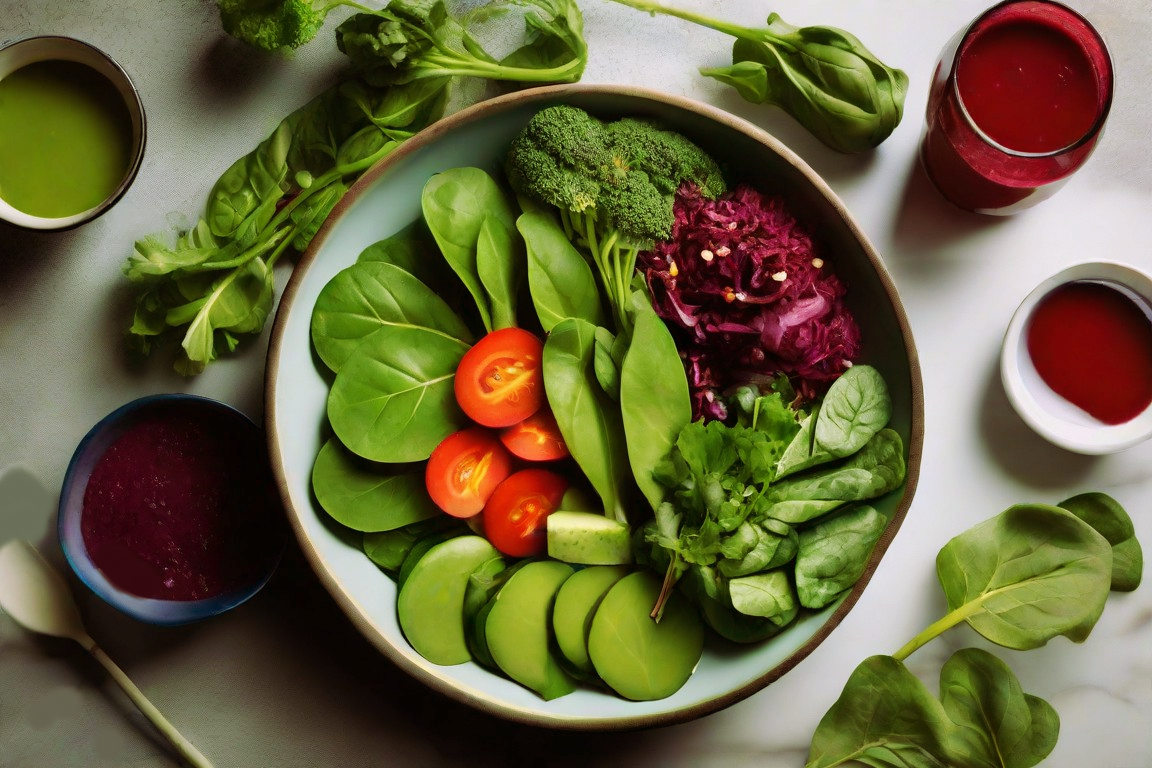
When it comes to maintaining a balanced diet, lunch plays a crucial role in sustaining your energy and nourishing your body throughout the day. Incorporating fresh vegetables and greens into your lunch can provide an array of vitamins, minerals, and healing properties that promote overall health. In this article, we’ll explore the ten best fresh vegetables and greens to eat at lunch, their nutrient profiles, and how they can support your well-being.
1. Spinach: A Powerhouse of Nutrients
Vitamins and Microelements: Vitamin A, C, K, Folate, Iron, Calcium, Magnesium
Healing Properties:
Anemia Support: Spinach is rich in iron, essential for preventing and treating anemia.
Bone Strength: Packed with calcium and vitamin K, it promotes bone density and health.
Heart Health: Nitrates and antioxidants help reduce blood pressure and support cardiovascular function.
Adding spinach to salads, wraps, or smoothies is an easy way to enhance your lunch with these health benefits.
2. Kale: The Super Green
Vitamins and Microelements: Vitamin A, C, K, B6, Manganese, Potassium, Copper
Healing Properties:
Inflammation Reduction: Kale is loaded with antioxidants, which help reduce chronic inflammation.
Vision Protection: Vitamin A and lutein in kale are essential for eye health and reducing the risk of macular degeneration.
Detoxification: Kale’s high fiber content aids digestion and promotes detoxification.
Include kale in salads, stir-fries, or as a crispy snack to enjoy its full range of health benefits.
3. Basil: A Flavorful Herb with Healing Powers
Vitamins and Microelements: Vitamin K, A, C, Calcium, Iron, Manganese
Healing Properties:
Respiratory Relief: Basil's anti-inflammatory properties can help manage conditions like asthma and bronchitis.
Digestive Support: Known for easing indigestion and bloating, basil supports digestive health.
Antibacterial Defense: Basil is a natural antibacterial agent, helping your body fight infections.
Sprinkle fresh basil on sandwiches, salads, or pasta for a burst of flavor and nutrients.
4. Arugula: A Peppery Boost for Bone Health
Vitamins and Microelements: Vitamin K, A, Folate, Calcium, Potassium
Healing Properties:
Bone Health: High in vitamin K and calcium, arugula supports bone formation and prevents osteoporosis.
Blood Pressure Regulation: Its potassium content helps regulate blood pressure, promoting heart health.
Cancer Prevention: Arugula contains glucosinolates, which may help prevent certain cancers.
Arugula is perfect in salads, wraps, or as a topping on pizzas for a nutritious lunch addition.
5. Watercress: A Nutrient-Dense Superfood
Vitamins and Microelements: Vitamin A, C, K, Calcium, Iron
Healing Properties:
Cardiovascular Health: Watercress is rich in nitrates, which help reduce blood pressure and improve heart function.
Cancer Protection: Compounds in watercress may inhibit carcinogen activation, offering cancer protection.
Healthy Skin: Vitamin C in watercress boosts collagen production, keeping your skin youthful.
Toss watercress into salads or use it as a fresh garnish to elevate your meal’s nutritional value.
6. Parsley: A Versatile Herb for Bone and Immune Health
Vitamins and Microelements: Vitamin K, C, A, Folate, Iron
Healing Properties:
Kidney Health: Parsley acts as a natural diuretic, supporting kidney function and detoxification.
Bone Strength: High in vitamin K, it helps with bone health and repair.
Immune Boost: Vitamin C content enhances the immune system and protects against colds and infections.
Use parsley as a garnish for soups, salads, or sandwiches to add both flavor and nutritional benefits.
7. Swiss Chard: A Rainbow of Benefits
Vitamins and Microelements: Vitamin A, C, K, Magnesium, Iron, Potassium
Healing Properties:
Blood Sugar Regulation: Swiss chard contains compounds that may help regulate blood sugar, making it beneficial for those managing diabetes.
Heart Health: The potassium in chard supports healthy blood pressure levels.
Bone Strength: Vitamin K and calcium contribute to bone strength and health.
Add Swiss chard to sautéed dishes or fresh salads to boost both flavor and nutrition at lunch.
8. Cilantro: A Herb with Detoxifying Properties
Vitamins and Microelements: Vitamin K, A, C, Folate, Potassium
Healing Properties:
Digestive Aid: Cilantro is known for its ability to alleviate indigestion and bloating.
Detoxification: Cilantro can help the body rid itself of heavy metals like mercury and lead.
Anti-inflammatory Benefits: Cilantro reduces inflammation, which may help with arthritis and other inflammatory conditions.
Incorporate cilantro into salsas, salads, or grain bowls to take advantage of its detoxifying properties.
9. Beet Greens: A Nutrient-Rich Topper
Vitamins and Microelements: Vitamin A, C, K, Potassium, Magnesium, Calcium
Healing Properties:
Eye Health: The high levels of beta-carotene and lutein support good vision.
Bone Health: Beet greens are rich in calcium and magnesium, important for maintaining strong bones.
Blood Pressure Support: Potassium helps lower blood pressure, promoting heart health.
Beet greens can be used in smoothies, stir-fries, or salads to provide a nutrient-dense boost to your meal.
10. Dandelion Greens: A Bitter Herb with Healing Potential
Vitamins and Microelements: Vitamin A, C, K, Iron, Calcium, Magnesium
Healing Properties:
Liver Detoxification: Dandelion greens support liver health and promote detoxification.
Digestive Health: Acting as a natural diuretic, dandelion greens help improve digestion and reduce bloating.
Bone Health: Vitamin K and calcium content support bone density and strength.
Dandelion greens can be added to salads, sautéed, or used in herbal teas to take advantage of their detoxifying properties.
Conclusion
Incorporating these nutrient-packed vegetables and greens into your lunch can significantly boost your health. From promoting bone strength and detoxifying your body to protecting your heart and improving digestion, these ten fresh vegetables and greens are essential additions to your daily diet. Whether you choose to add them to salads, wraps, or smoothies, each of these foods brings unique benefits that help keep your body nourished and functioning optimally.
By choosing these superfoods for your lunch, you’re not only enhancing flavor but also taking proactive steps toward better overall health.
 Free
Free

There's an entanglement between health and happiness. Healthy living can reduce the risk of mental and physical diseases. Additionally, it helps reduce stress levels and enhance self-reflection.
Embarking on a wellness journey isn't easy, but there are rewards. The blogs on this site can give you inspiration and provide information that will aid in the journey.
Well + Good
Take care to nourish your body by eating healthy foods, exercise regularly, manage stress, and prioritize self-care. It's not necessary to be stressed or unhappy. require a lot of effort However, it will require the commitment of.
Blogs on wellness are a wonderful tool for living a healthy life. They have recipes, workouts makeup tips, workouts, and more. You can find it all here. healthy living for your family or DIY existence, there's one specifically for you.
Calm
Calm is an app for meditation that can help people reduce anxiety, stress, and help them sleep better. It provides breathing exercises, soft sounds and sleep stories. Also, there is a massive library of content based on mindfulness.
The users have reported they have found that Calm offers a handful of issues for example, unresponsive customer care as well as auto-renewals without warning. Additionally, the app's appearance might not please everyone. It is available for a trial period to those that want to test the application.
MyFitnessPal
MyFitnessPal is an app which can help you monitor your food, exercise and water consumption for achieving your health goals. It is a massive population and an inventory of more than 11 million recipes submitted by its users.
It can also keep track of the foods and recipes that you enter often. This makes recording your entries faster and simpler. It also tracks workouts for cardio, strength training and yoga.
Jessica Slaughter
The benefits of feeding your body with healthy nutrition, exercising regularly controlling stress, as well as prioritizing your own health can lead to your optimal health and satisfaction. The wellness blogs will provide important tips and sources to keep you on track.
ACE Fitness blog offers accessible exercise routines you can complete at home. Their nutrition blogs also provide tips on eating for people who are vegetarian or are planning to be.
Be More With Less
embarking on a fitness journey can be an intimidating undertaking, but if you have the best knowledge and mindset you'll achieve maximum health and happiness. In addition to eating wholesome food and doing mindfulness exercises, there are numerous ways to focus on your overall health.
Keep up with the latest fitness trends by logging on to these top blogs! No matter if you want to stay active, try new recipes and clear your mind, these sites have all your tips and tricks that you'll need. Better is to get redirected here or visit our official website to know about Entertainment Blog.
Blogilates
Are you looking to do a few healthy tweaks or completely transform your lifestyle the wellness websites can assist. These sites offer expert advice on everything from exercise to nutrition to mental health and satisfaction.
As an example, the Blogilates weightless arm workout tones and strengthens the arms the use of no equipment. The pea protein contained in Ho's POP Pilates protein powder is an ideal fit for vegetarians as well as vegans.
Fitting It All In
With so many responsibilities at hand, it's simple for students at college not to prioritize their health. place in the background. Fortunately, there are several sites on wellness and health which can assist them in staying active and fit.
Healthline gives timely, helpful stories on topics such as the importance of nutrition and fitness as well as sleep and managing stress. It is an essential blog in order to be informed about the new trends in health and wellness.
DailyOM
If you're trying to build muscle or try out new dishes, or simply relax the wellness blogs will help you reach those goals in terms of health and happiness. They offer step-by-step exercises, diet advice and training classes for fitness to help you get healthier.
DailyOM is a website that is a source of happiness. They have also been mentioned in multiple articles regarding their spam email.
Bites of Wellness
Being a college student you may be tempted to neglect your health and let it take an off. However, it's important that you take care of yourself! These blogs on wellness can help to keep on track with your goals for health.
This blog is packed with healthy recipes along with at-home workouts and fitness tips for everyone including athletes and high school students. Furthermore, you'll find trendy news articles that range from the latest nutrition trends to natural cosmetics to trendy fitness.
Balanced Life
An active and healthy lifestyle is vital to your physical, mental and emotional health. From eating healthy foods to exercising regularly, maintaining a well-balanced lifestyle can help to feel healthier and be happier.
It's difficult to find balance in your schedule, but it's well worth your time and effort. By developing healthy habits, you can be more productive and organized while feeling less overwhelmed and stressed.
MarshalThe Rise of Electric Vehicles and Health Concerns
Electric vehicles are powered by large battery packs and electric motors, which generate electromagnetic fields (EMFs). EMFs are invisible areas of energy that are produced by electrically charged objects. While EMFs are present in many aspects of modern life-ranging from household appliances to power lines—their potential effects on human health, particularly at higher levels, have been a subject of debate for decades.
Understanding Electromagnetic Fields (EMFs)
1. What Are EMFs?
Electromagnetic fields are generated by electric currents and can be classified into two types: low-frequency (non-ionizing) and high-frequency (ionizing). Electric vehicles predominantly produce low-frequency, non-ionizing EMFs, which are also emitted by many everyday electronic devices. However, the concern with EVs is that the proximity to powerful battery packs and electric motors might expose passengers to higher levels of EMFs over extended periods.
2. How Do EMFs Affect Human Health?
There is ongoing research into the effects of EMFs on human health. Some studies suggest that long-term exposure to high levels of EMFs might be associated with health issues such as headaches, fatigue, stress, and even more severe conditions like certain types of cancer. However, the evidence remains inconclusive, and the health risks of low-frequency EMFs, such as those emitted by electric vehicles, are still under investigation.
Health Risks Associated with Electric Vehicles
1. Exposure to EMFs in Electric Vehicles
One of the primary concerns regarding electric vehicles is the continuous exposure to EMFs during driving. Passengers and drivers are in close proximity to the vehicle's battery pack, electric motor, and associated wiring, which can produce varying levels of EMFs. While the levels of EMFs in EVs are generally within international safety standards, the cumulative exposure over time has raised questions about potential long-term health effects.
2. Potential Biological Effects
Some studies have explored the biological effects of EMFs on humans, with mixed results. For instance, EMFs have been shown to cause biological changes at the cellular level in laboratory settings, such as alterations in cell membrane permeability and DNA damage. However, translating these findings to real-world scenarios, like sitting in an electric vehicle, is challenging, and more research is needed to establish any direct links between EV-related EMFs and health problems.
3. Psychological Impact
Beyond the physical effects, there is also a psychological aspect to consider. The constant awareness of being surrounded by EMFs can lead to anxiety or stress in some individuals, particularly those who are more sensitive to environmental factors. This psychological stress could potentially contribute to health issues, even if the EMFs themselves are within safe limits.
What Is Being Done to Address These Concerns?
Given the growing adoption of electric vehicles, it is crucial to address potential health concerns to ensure public confidence in this technology. Various measures are being taken to mitigate the risks associated with EMFs in electric vehicles.
1. Adhering to Safety Standards
Manufacturers of electric vehicles are required to adhere to international safety standards for EMF exposure, such as those set by the International Commission on Non-Ionizing Radiation Protection (ICNIRP) and the Institute of Electrical and Electronics Engineers (IEEE). These standards are designed to ensure that EMF levels in vehicles remain within safe limits, minimizing potential health risks.
2. Shielding and Design Innovations
To reduce EMF exposure, automakers are incorporating shielding and design innovations into their vehicles. For example, the placement of battery packs and wiring systems can be optimized to reduce EMF levels within the passenger cabin. Additionally, shielding materials are used to block or redirect EMFs away from occupants. These design considerations are essential for minimizing potential health risks while maintaining vehicle performance.
3. Ongoing Research and Monitoring
The potential health effects of EMFs in electric vehicles are an active area of research. Various studies are being conducted to assess the long-term impact of EMF exposure from EVs on human health. These studies involve monitoring EMF levels in different vehicle models, evaluating exposure scenarios, and conducting epidemiological research to identify any correlations between EMF exposure and health outcomes. Governments, health organizations, and academic institutions are all involved in this ongoing effort to ensure that electric vehicles are safe for consumers.
Has This Issue Been Fully Studied?
The question of whether electric vehicles pose a significant health risk due to EMF exposure is still being explored. While current research suggests that the EMF levels in electric vehicles are within safety limits, the long-term effects of exposure remain uncertain. The scientific community is divided on the issue, with some researchers advocating for more stringent safety measures and others suggesting that the risks are minimal.
1. The State of Current Research
Numerous studies have been conducted to investigate the health effects of EMFs, but the results have been inconclusive. Some studies have found associations between EMF exposure and various health issues, while others have found no significant effects. The complexity of EMF interactions with biological systems, combined with the variability in individual susceptibility, makes it difficult to draw definitive conclusions.
2. The Need for Longitudinal Studies
One of the main challenges in studying the health effects of EMFs from electric vehicles is the need for long-term, longitudinal studies. These studies would track individuals over extended periods to determine whether prolonged exposure to EMFs from EVs has any adverse health effects. Such research is crucial for providing a clearer understanding of the potential risks and informing future safety standards and regulations.
3. Regulatory and Public Health Implications
As the adoption of electric vehicles continues to grow, regulatory bodies may need to revisit and update safety standards based on emerging research. Public health campaigns could also play a role in educating consumers about EMF exposure and its potential effects, helping to alleviate concerns and promote informed decision-making.
Conclusion
While electric vehicles offer numerous environmental and economic benefits, it is important to consider the potential health risks associated with EMF exposure. Although current evidence suggests that EMF levels in electric vehicles are within safe limits, the long-term effects of this exposure are not yet fully understood. Ongoing research, adherence to safety standards, and innovations in vehicle design are all critical in ensuring that electric vehicles remain safe for consumers.
As the scientific community continues to study this issue, consumers should stay informed and weigh the potential risks and benefits when considering an electric vehicle. By remaining vigilant and supporting further research, we can ensure that the transition to electric transportation is not only environmentally friendly but also safe for human health.
Tag Search

Ads
SubMeet


Ads

Rose

