
SubMeet Blog Posts
Write your:
Biography, story, article or tidings.
Maximum 50.000  symbols (Depends on the browser) one post.
Maximum 10 posts per day, 100 posts per month, for one user.
We recommend using the Firefox browser to publish a post.



 Moder
Moder
The New Year is a time of joy and togetherness, and the festive table plays a central role in bringing loved ones together. In Armenia, the New Year’s table is more than just a feast; it symbolizes abundance, tradition, and hospitality. Here’s how you can decorate your table with traditional Armenian dishes, pastries, fruits, and drinks while making it appealing to guests from any culture.
1. Traditional Armenian Dishes to Anchor the Table
The centerpiece of an Armenian New Year’s table is its savory dishes. These options not only please the palate but also add a touch of cultural heritage to the décor:
Tolma (Stuffed Cabbage or Grape Leaves): This traditional dish, served in ornate dishes, represents the warmth of family gatherings.
Khashlama is a hearty beef or lamb stew paired with root vegetables, served in clay pots for an authentic rustic look.
Grilled Kebabs (Khorovats): Perfectly grilled meats presented on skewers or platters add flair to the table.
2. Pastries for Sweetness and Charm
Armenian pastries bring sweetness and a festive aroma to the table.
Gata (Sweet Pastry Bread): A decorative gata loaf is delicious and often inscribed with intricate patterns that symbolize good luck.
Pakhlava (Baklava): Cut into diamond shapes and decorated with pistachios, pakhlava is a must-have.
Chorek (Sweet Bread): A braided bread sprinkled with sesame seeds or sugar completes the pastry selection.
3. Seasonal Fruits for Elegance and Symbolism
Fruits are a cornerstone of the Armenian New Year table, signifying health and prosperity.
Pomegranates: Known as the symbol of Armenia, pomegranates add a pop of red to the table while representing fertility and life.
Dried Fruits: Dried apricots, plums, and figs arranged in wooden trays offer natural sweetness.
Fresh Citrus Fruits: Oranges and tangerines bring brightness and energy, often arranged in decorative bowls.
4. Drinks to Toast the Occasion
Armenian Brandy: Known worldwide, a bottle of aged Armenian cognac is an elegant addition to the table.
Homemade Wine: Displayed in crystal decanters, it adds a personal touch.
Compote: A sweet fruit-based drink, typically made with apricots or cherries, offers a non-alcoholic option.
5. Table Decoration Ideas for All Cultures
Even if you’re not Armenian, these ideas can inspire your New Year’s celebration:
Use embroidered tablecloths or runners with traditional patterns.
Include candles or small lanterns for a warm glow.
Arrange evergreen branches or pinecones for a seasonal touch.
Place small gifts or handwritten notes on each guest’s plate to enhance the festive spirit.
Why SubMeet Inspires Connection During New Year’s Festivities
This Armenian-inspired guide reflects SubMeet’s mission to celebrate cultural connections and unite people. On SubMeet, you can share your New Year’s table photos, organize celebrations with friends, or find inspiration for your next cultural event.
Moder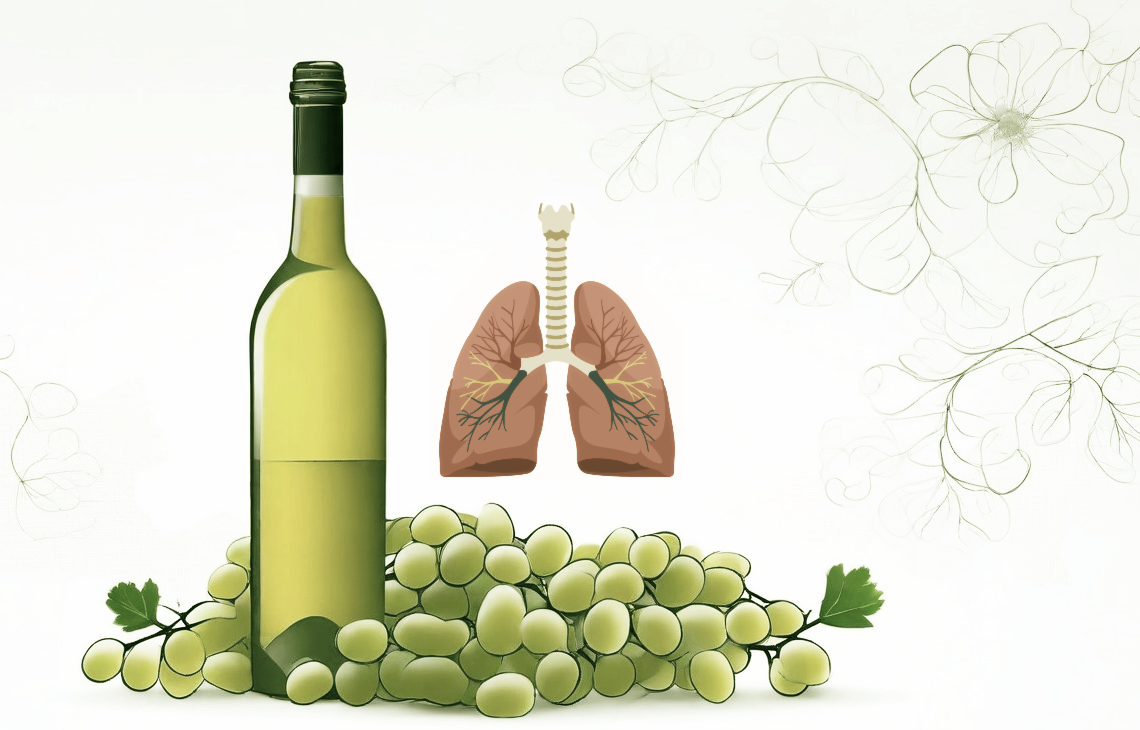
White wine may not be as potent as red wine in terms of antioxidant content, but it offers a variety of benefits that make it a healthy choice when consumed responsibly.
1. Heart Health Benefits
White wine contains flavonoids, which are natural compounds that promote heart health. Flavonoids help improve blood vessel function, raise good cholesterol (HDL), and reduce the buildup of bad cholesterol (LDL). Studies have shown that while red wine may be more effective in reducing the risk of heart disease, moderate consumption of white wine can still provide cardiovascular benefits.
How Much to Drink: One small glass (100 ml) per day for women and a small glass (150 ml) per day for men can promote heart health while staying within safe consumption limits (use about a month and a week break, you can repeat if necessary). During this time, you should not consume any other type of alcohol, be it weak or strong.
2. Supports Respiratory Health
One surprising benefit of white wine is its potential positive impact on lung function. Research suggests that white wine may help improve respiratory health, particularly in individuals suffering from asthma or chronic obstructive pulmonary disease (COPD). The antioxidants found in white wine may reduce inflammation and improve lung capacity.
Useful For: Individuals looking to support their respiratory health can consider white wine as part of a balanced lifestyle, but they should always consult with their healthcare provider for personalized advice.
3. Lower Caloric Intake
For those who are mindful of their weight or calorie consumption, white wine offers a lighter option compared to red wine. White wine typically has fewer calories per glass, making it a better choice for those who want to enjoy a drink without excessive calorie intake.
Calorie Content: A standard glass of white wine contains around 120-130 calories, while red wine can have 125-150 calories or more.
4. Anti-inflammatory Properties
White wine contains antioxidants that have anti-inflammatory effects. Inflammation is a root cause of many chronic diseases, including heart disease, arthritis, and autoimmune disorders. Drinking white wine in moderation may help reduce inflammation in the body, contributing to overall well-being.
Best Use: When trying to reduce inflammation or manage chronic inflammatory conditions, a moderate amount of white wine can be an enjoyable addition to your health regimen.
5. Improved Digestion
The acidity in white wine can aid in digestion, making it a great complement to meals. The acids in wine can help stimulate the production of gastric juices, which support the breakdown of food. This digestive boost is particularly useful when consuming heavier meals.
How It Helps: Light consumption of white wine may assist in better digestion, especially when paired with foods rich in protein or fat.
6. Mental Health and Relaxation
Moderate consumption of white wine has a calming effect, helping to reduce stress and anxiety. White wine can act as a mild relaxant, potentially improving mental well-being and promoting better sleep. This makes it useful for individuals who experience stress and are looking for a way to unwind at the end of the day.
Vitamins, Minerals, and Nutrients in White Wine
White wine contains small amounts of vitamins and minerals that can contribute to your daily nutrient intake. While it's not a major source of nutrition, understanding what it does contain helps you make better dietary choices.
1. Vitamins in White Wine
White wine contains several B vitamins, which are essential for energy metabolism and maintaining brain health.
These include
Vitamin B2 (Riboflavin): Important for energy production and cell function.
Vitamin B6: Supports brain function, helps with neurotransmitter production, and contributes to immune health.
Vitamin B3 (Niacin): Aids in digestive health and supports skin and nerve function.
Folate (Vitamin B9): Although in trace amounts, folate is essential for cell growth and the formation of DNA.
2. Minerals in White Wine
Though the mineral content in white wine is low, it does provide trace amounts of important elements such as:
Potassium: Essential for heart and muscle function, potassium in white wine helps in maintaining healthy blood pressure.
Calcium: Supports bone health, though the amount in white wine is minimal.
Magnesium: Helps with muscle function, nerve transmission, and immune system support.
Phosphorus: Contributes to strong bones and teeth, and plays a role in the body’s energy production.
Iron: Although found in small amounts, iron is important for oxygen transport in the blood.
3. Antioxidants in White Wine
White wine contains antioxidants like flavonoids, which are known for their ability to neutralize free radicals that cause cellular damage. Though white wine contains fewer antioxidants than red wine, it still offers:
Flavonoids: These powerful antioxidants may help protect cells from oxidative stress and reduce the risk of chronic diseases.
Tartaric and Malic Acids: Found in white wine, these organic acids also offer antioxidant benefits and help with digestion.
Best White Wine Brands, Bottles, Prices, and Where to Buy Them
White wine enthusiasts know that the right bottle can offer not only a great taste experience but also a few surprising health benefits.
Famous white wine brands, popular bottles, their prices, and where you can buy them in different countries
Famous White Wine Brands and Bottles by Country
1. France
France is home to some of the world’s finest white wines, especially from regions like Burgundy, Alsace, and Loire Valley.
# Domaine Leflaive Puligny-Montrachet
Type: Chardonnay
Price: $150 - $300 per bottle
Description: Known for its depth, complexity, and rich citrus notes.
Where to Buy: Available in fine wine stores and online retailers such as Wine.com and Millésima.
# Domaine Zind-Humbrecht Riesling
Type: Riesling (Alsace)
Price: $40 - $80 per bottle
Description: Famous for its minerality and balanced acidity.
Where to Buy: Available at Wine-Searcher or directly from Domaine Zind-Humbrecht’s website.
2. Italy
Italy is known for its crisp, refreshing white wines from regions like Veneto, Tuscany, and Sicily.
# Antinori Cervaro della Sala
Type: Chardonnay, Grechetto blend
Price: $50 - $70 per bottle
Description: A refined and structured wine with a hint of oak and tropical fruit.
Where to Buy: Widely available in Europe and the US through Vinfolio, Vivino, and specialty wine stores.
# Pieropan Soave Classico
Type: Garganega
Price: $15 - $30 per bottle
Description: Known for its fresh, zesty flavor with almond and citrus notes.
Where to Buy: Found at Total Wine, Wine.com, and Vivino.
3. USA
The United States, particularly California and Oregon, produces some outstanding white wines, especially Chardonnay and Sauvignon Blanc.
# Rombauer Vineyards Chardonnay
Type: Chardonnay (Napa Valley)
Price: $40 - $50 per bottle
Description: Rich and creamy with flavors of peach, vanilla, and butter.
Where to Buy: Available in most U.S. wine stores such as Total Wine and Wine.com.
# Eyrie Vineyards Pinot Gris
Type: Pinot Gris (Oregon)
Price: $20 - $30 per bottle
Description: Crisp and clean with notes of pear, lemon, and melon.
Where to Buy: Available at Eyrie Vineyards’ online shop and Wine-Searcher.
4. Australia
Australian white wines, particularly from the regions of Margaret River and Barossa Valley, are becoming increasingly popular for their high quality.
# Leeuwin Estate Art Series Chardonnay
Type: Chardonnay (Margaret River)
Price: $90 - $120 per bottle
Description: Full-bodied with intense citrus and tropical fruit flavors.
Where to Buy: Available through Wine-Searcher, Vivino, and Dan Murphy’s.
# Pewsey Vale Eden Valley Riesling
Type: Riesling
Price: $20 - $30 per bottle
Description: Elegant and dry with crisp green apple and lime notes.
Where to Buy: Sold in most Australian wine shops and internationally via Wine.com and Total Wine.
5. Germany
Germany is renowned for its exceptional Rieslings, especially from the Mosel and Rheingau regions.
# Dr. Loosen Riesling Kabinett
Type: Riesling (Mosel)
Price: $15 - $25 per bottle
Description: A light, off-dry Riesling with floral and fruity notes of peach and apple.
Where to Buy: Available at Wine.com, Vivino, and Wine-Searcher.
# Joh. Jos. Prüm Wehlener Sonnenuhr Riesling Spätlese
Type: Riesling
Price: $50 - $100 per bottle
Description: Known for its perfect balance of sweetness and acidity with rich stone fruit flavors.
Where to Buy: Available through Vivino and specialty retailers like Sotheby's Wine.
6. New Zealand
New Zealand is famous for its Sauvignon Blanc, which has garnered a global reputation for its unique flavor profile.
# Cloudy Bay Sauvignon Blanc
Type: Sauvignon Blanc (Marlborough)
Price: $30 - $40 per bottle
Description: Fresh and vibrant with flavors of lime, grapefruit, and tropical fruit.
Where to Buy: Available at Total Wine, Vivino, and Wine-Searcher.
# Greywacke Sauvignon Blanc
Type: Sauvignon Blanc
Price: $25 - $35 per bottle
Description: Offers flavors of passion fruit, melon, and herbs, with a crisp finish.
Where to Buy: Sold online via Wine-Searcher, Wine.com, and local wine shops.
7. Armenia
Armenia, with its ancient winemaking history, is becoming well-known globally for its unique and high-quality wines. Armenian white wines, often crafted from indigenous grape varieties, are gaining attention for their rich flavors and cultural heritage.
Zorah Wines
Zorah is one of Armenia’s leading wineries, known for its dedication to reviving indigenous Armenian grapes and using ancient winemaking techniques.
# Zorah Voski
Type: Voskehat, Garandmak (Indigenous grapes)
Price: $35 - $50 per bottle
Description: This wine is a blend of native Armenian grape varieties. It is rich, and mineral-driven, with notes of pear, white flowers, and stone fruit.
Where to Buy: Available internationally at wine stores and online at Wine-Searcher and Vivino.
Karas Wines
Karas Wines has established itself as one of the most popular Armenian wine producers, focusing on innovation and sustainability.
# Karas White Wine
Type: Chardonnay, Kangun, Rkatsiteli blend
Price: $15 - $25 per bottle
Description: A fresh and vibrant wine with citrus and floral notes, balanced with a crisp finish.
Where to Buy: Available in Armenia and internationally through Vivino, Wine.com, and local wine shops that specialize in Armenian wines.
Armenia Wine Company
One of the largest wineries in Armenia, Armenia Wine Company combines tradition and modern technology to produce high-quality wines.
# Armenia Wine Co. Takar White Dry
Type: Kangun, Rkatsiteli
Price: $10 - $20 per bottle
Description: This wine offers a floral bouquet with a crisp and fruity palate, making it an easy-drinking choice for any occasion.
Where to Buy: Available in Armenian wine shops and exported to various countries through Wine-Searcher and Total Wine.
Trinity Canyon Vineyards
Trinity Canyon is a boutique winery nestled in the Armenian highlands. The winery is focused on organic farming and creating small-batch, artisanal wines.
# Trinity White Dry
Type: Voskehat
Price: $20 - $35 per bottle
Description: This organic wine is light and refreshing, with citrus, green apple, and mineral notes. It pairs well with seafood and light dishes.
Where to Buy: Available at Wine-Searcher and Vivino. It is also sold directly from the winery and through select wine distributors.
Van Ardi
Van Ardi is a boutique winery focused on producing high-quality wines from indigenous grapes. It’s one of the newer players on the Armenian wine scene but has quickly gained recognition.
# Van Ardi White Wine
Type: Kangun
Price: $15 - $25 per bottle
Description: A well-balanced wine with fruity aromas and a touch of minerality, perfect for pairing with a variety of dishes.
Where to Buy: Available in Armenia and exported to select regions via Vivino and local wine retailers.
Keush Origins
Keush is known for its sparkling wines made using the traditional method from high-altitude vineyards in Armenia.
# Keush Origins Blanc de Blancs
Type: Voskehat, Khatouni (sparkling wine)
Price: $20 - $30 per bottle
Description: A crisp, refreshing sparkling wine with notes of green apple, pear, and citrus, perfect for celebrations or pairing with lighter meals.
Where to Buy: Available through Vivino, Wine-Searcher, and specialty wine stores in Armenia and abroad.
Conclusion
The Role of White Wine in a Healthy Lifestyle
While white wine is not as rich in health-boosting compounds as red wine, it still offers several benefits when consumed in moderation. Its lower calorie count, potential to support heart and lung health, anti-inflammatory properties, and role in digestion make it a good choice for those looking to enjoy an occasional glass while being mindful of their health.
Incorporate white wine responsibly into your diet, and enjoy its subtle benefits for both body and mind. Always consult with your healthcare provider if you have any concerns about alcohol consumption, particularly if you have underlying health conditions.
 Marshal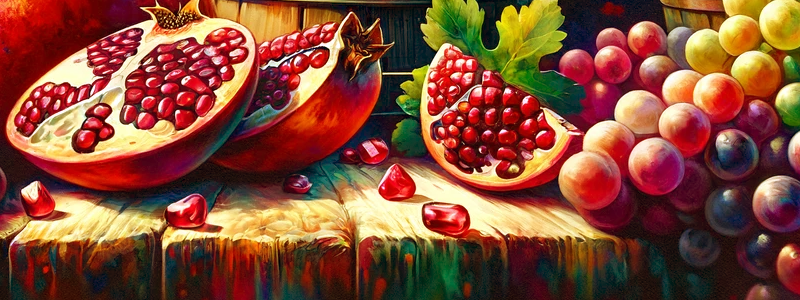
Introduction
Embarking on the journey of home wine-making is both a science and an art. This article delves into the intricate process of crafting wine from different grape varieties and pomegranates, integrating global traditions and modern techniques.
Understanding Wine Yeast and Its Preparation
Before diving into wine production, it's crucial to understand wine yeast, a pivotal component in winemaking. Wine yeast is a type of yeast specifically cultivated for fermenting grape juice into wine. Its role is to convert the sugars in the grape juice into alcohol and CO2 through fermentation.
Crafting Natural Wine Yeast: A Guide to Making Homemade Raisins for Winemaking
1. Selecting Your Grapes: The Foundation of Natural Yeast
Start with organic grapes to ensure your homemade raisins are free from pesticides and chemicals. The grape variety can align with your wine preferences, offering a personalized touch to your winemaking process.
2. Gentle Preparation: Preserving the Natural Yeast
Rinse the grapes gently to maintain the integrity of the natural yeast on their skins. Removing them from their stems ensures an even drying process.
3. The Art of Drying: Sun-Dried for Perfection
Sun drying is the traditional method for making raisins. Spread the grapes on a clean surface and let them bask in the sun, turning them occasionally for uniform drying. A thin net or cheesecloth can be used for protection against insects and dust.
4. Alternative Drying Methods: Oven and Dehydrator Techniques
An oven set to the lowest temperature or a food dehydrator can be used in climates not conducive to sun drying. Ensure proper air circulation to mimic the natural drying process.
5. Identifying Dryness: The Transition to Raisins
When shriveled, darker, and not juicy, your grapes have transformed into raisins with intact, slightly sticky skins.
6. Storage Solutions: Preserving Your Homemade Raisins
Store your raisins in an airtight container in a cool, dry place, ready for winemaking.
7. Using Your Raisins in Winemaking: Natural Yeast Activation
Rehydrate your homemade raisins in warm water (leave in not-too-hot water for about an hour, then drain the water, drain the raisins, and let them dry for about an hour) before adding them to your wine must. This activates the natural yeasts and prepares them for fermentation.
8. Quantity Guidelines: Perfecting the Balance
A general rule of thumb is to use about 1 cup of homemade raisins per gallon (3.78 liters) of wine must, ensuring enough natural yeast for effective fermentation.
Embracing Tradition in Modern Winemaking
Using homemade raisins as a natural yeast source is a nod to traditional winemaking practices. While the results may vary compared to commercial yeasts, this method adds a unique, personal touch to your homemade wine, connecting you to the age-old art of winemaking.
Optimizing Grape and Pomegranate Juice Quality: The Role of Stems and Peels in Juicing
When crafting the perfect grape or pomegranate juice, the details matter. A common question among juice enthusiasts and amateur winemakers is whether to include grape stems and pomegranate peels in the juicing process.
Understanding the Impact of Grape Stems in Juicing
Grape stems, often called tails, contain tannins and other compounds that can significantly affect the taste of grape juice. Tannins and Bitterness: Tannins in grape stems can lead to a bitter and astringent flavor, which might be undesirable in grape juice. Selective Use in Winemaking: While some winemakers include stems in red wine fermentation for added complexity and structure, they are typically not crushed along with the grapes. For white wines and grape juices, stems are usually removed to avoid imparting any bitterness.
The Role of Pomegranate Peels in Juice Quality
Unlike the arils, which are the juicy, edible pomegranate seeds, the peels are not commonly used in juicing due to their flavor profile. Avoiding Bitterness: Pomegranate peels are known for their bitter taste, which can overshadow the natural sweetness and tartness of the arils. Effective Juicing Techniques: To extract the best flavor, separate the arils from the peel and membrane using a water bowl before crushing or pressing for juice.
Flavor Preservation: Excluding stems and peels during juicing ensures a high-quality beverage, rich in natural flavors and devoid of unwanted bitterness. Experimentation with Caution: If you're experimenting with incorporating stems or peels, consider starting with small batches to gauge the impact on flavor.
Grape Winemaking: Varieties and Processes
Grape wine can vary greatly depending on the grape variety used. Here's a step-by-step guide tailored to different grape types:
Selecting Grapes: Choose high-quality, ripe grapes. Popular varieties include Cabernet Sauvignon, Merlot, and Chardonnay, each offering unique flavor profiles.
Crushing and Destemming: This process releases the juice from the grapes. For red wines, keep the skins during fermentation for color. For white wines, remove the skins. In Italy and France, grapes were historically crushed by foot. Modern home winemakers use mechanical crushers.
Fermentation: Add the prepared wine yeast to the grape juice. Fermentation times vary - red wines generally ferment for longer than white wines. Fermentation usually takes about one to two weeks. Monitor the temperature and sugar levels. The ideal fermentation temperature is between 68°F and 72°F.
Pressing: After fermentation, separate the solids from the liquid. For red wines, this happens post-fermentation, while for white wines, it occurs pre-fermentation.
Aging and Bottling: Age the wine in barrels or bottles. Aging periods differ, with some wines benefiting from longer aging. After aging (1-2 weeks), wine sediment may remain in the container (it is better if the container is glass: a carboy or demijohn), pour clear wine from above the container using a special hose (final bottling); a hose that is not intended for technical purposes.
Pomegranate Winemaking: A Unique Twist
Pomegranate wine, while less traditional, offers a unique and flavorful experience:
Preparing Pomegranates: Choose ripe pomegranates. Juice the fruit, ensuring you remove any seeds or pith.
Fermentation: Like grape wine, add activated wine yeast to the pomegranate juice (using homemade raisins as a natural yeast). Ferment at a controlled temperature for about two weeks.
Aging: Pomegranate wine generally requires less aging than grape wine. Taste periodically to determine the suitable aging period.
Fermenting grape wine in containers is a crucial part of the winemaking process. The choice of container can significantly affect the wine's flavor, aroma, and overall quality. Here's a guide on how to ferment wine in various types of containers:
Types of Fermentation Containers
Stainless Steel Tanks
Usage: Common in commercial and modern wineries for both primary and secondary fermentation. Advantages: Easy to clean, resistant to oxidation, and doesn't impart additional flavors to the wine. Considerations: They're inert and don't contribute to aging like oak barrels.
Oak Barrels
Usage: Traditional choice for fermenting and aging wine, especially reds. Advantages: Oak imparts complex flavors and tannins to the wine, aiding its development. Considerations: The type of oak, the size of the barrel, and its age can influence the wine's flavor.
Glass Carboys or Demijohns
Usage: Popular among home winemakers for smaller batches. Advantages: Non-reactive, easy to clean, and allows visual fermentation monitoring. Considerations: They are fragile and need protection from light.
Covering Method
Loose Lid or Cloth Covering: For open containers, you can use a loose-fitting lid or cover it with a clean, breathable cloth, like muslin or cheesecloth. This allows carbon dioxide to escape while keeping out insects, dust, and other contaminants.
Securing the Cloth: If using a cloth, tie it around the container's rim with a rubber band or string to ensure it stays in place.
The frequency of stirring the wine (with a wooden stick)
Purpose of Stirring: In wine fermentation, stirring is essential to submerge the "cap" - the layer of skins and solids that rise to the top. This helps in extracting color, flavor, and tannins from the skin.
Frequency: Wine must be typically stirred one to three times a day. The exact frequency can vary based on the winemaker's preference and the specific stage of fermentation.
Gentle Stirring: Stir gently to avoid excessive oxygenation, which can lead to unwanted oxidation.
Assessment: The need for stirring also depends on how the fermentation progresses. If the fermentation is vigorous, less stirring might be needed.
Post-Fermentation: Once fermentation slows down or stops (usually signaled by a decrease in bubbling or foaming), stirring should be reduced or stopped to minimize oxygen exposure. After each stirring, wash the wooden stick with clean water and place it in a clean and slightly elevated position on two sticks in a parallel (horizontally, not vertically) position.
Temperature Range: Yeast activity is influenced by temperature, with different strains exhibiting optimal fermentation ranges. Generally, for most wine yeast strains, the ideal temperature range falls between 60°F to 75°F (15°C to 24°C), and lighting is not in direct sunlight.
When it comes to storing ready-made wine, proper storage conditions are essential to maintain its quality and aging potential. Here's a guide to storing wine, covering containers, lighting, and location:
Container: For individual bottles, select dark-colored glass bottles, preferably green or amber. Ensure that the bottles are sealed with a tight-fitting cork or screw cap to prevent oxidation and maintain freshness. If storing larger quantities of wine, consider using stainless steel tanks or oak barrels.
Lighting: Wine should be stored in a dark environment. If lighting is necessary for visibility, use low-intensity, incandescent lighting sparingly or install dimmer switches to control brightness.
Location: The ideal storage location for wine is a cool, dark, and vibration-free space with consistent temperature and humidity levels. Temperature fluctuations can negatively impact wine aging, so aim to store wine at a stable temperature between 45°F to 65°F (7°C to 18°C). Additionally, maintain relative humidity levels between 50% to 80% to prevent cork drying and oxidation.
Storage Position: Store wine bottles horizontally to keep the cork moist and in contact with the wine, which helps to prevent air from entering the bottle and causing oxidation. However, if the wine has a screw cap or synthetic cork closure, storing bottles vertically is acceptable.
Ventilation: Adequate ventilation is crucial to prevent musty odors and mold growth in storage areas. Ensure proper air circulation by avoiding overcrowding and allowing space between wine bottles or storage racks. Consider installing a ventilation system or using dehumidifiers in humid climates to maintain optimal storage conditions.
International Perspectives and Traditions
Wine-making has rich traditions across the world. In France, winemaking is an art passed down through generations, focusing on grape varieties like Pinot Noir and Sauvignon Blanc. Italy is renowned for its diverse grape types, from Sangiovese to Nebbiolo. Meanwhile, pomegranate wine is a specialty in Middle Eastern countries, reflecting a blend of ancient practices and local fruit varieties. While less common than grape wine, pomegranate is a traditional beverage in countries like Armenia and Israel.
Conclusion
Creating wine at home is rewarding and blends tradition with personal taste. Whether working with different grape varieties or exploring the exotic flavors of pomegranate, each batch of homemade wine is a testament to the winemaker's skill and the rich heritage of winemaking. Remember, the key to successful winemaking lies in understanding the ingredients, respecting the process, and embracing the journey of learning and discovery.
Tag Search

Ads
SubMeet


Ads

Rose

