
SubMeet Blog Posts
Write your:
Biography, story, article or tidings.
Maximum 50.000  symbols (Depends on the browser) one post.
Maximum 10 posts per day, 100 posts per month, for one user.
We recommend using the Firefox browser to publish a post.



 Admin
Admin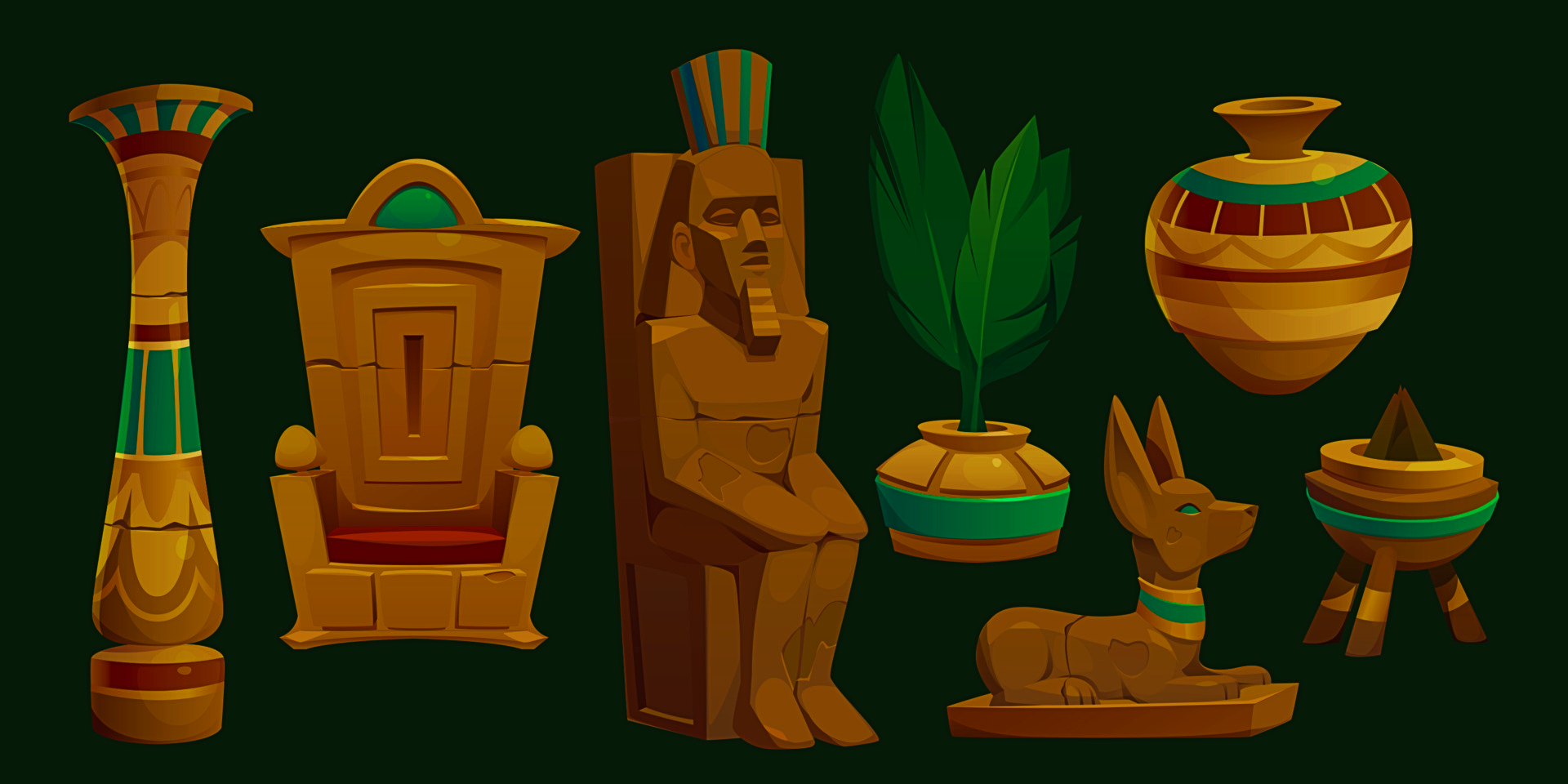
Epic Novel: Discovery of an Ancient Treasure
The Nile
The year was 2035. Under the relentless African sun, the White Nile shimmered, yet its depths promised a cool respite that Sarah couldn't resist. As a seasoned diver driven by adventure, she devoted her days to unraveling the river's mysteries. By her side was Tom, a novice swimmer who opted for the security of the sandy bank, offering unwavering encouragement from above the water's surface.
The Nile, a lifeline coursing through the heart of South Sudan, teemed with secrets. Days along the Nile were marked by the rhythm of Sarah's dives. Equipped with a powerful underwater flashlight, she delved into the murky depths, searching for remnants of a past whispered. Her fascination lay not only in potential treasure but in the ingenuity of ancient civilizations, and the stories that artifacts and ruins could tell.
On a hot afternoon, Sarah's usual routine was interrupted. While diving eight meters deep, she noticed a strange rock formation (from where a rock about forty meters high protruded along the river, covered with soil and vegetation) and saw something unusual in her flashlight beam. There was a flicker, a subtle distortion hinting at an opening below the riverbed. Intrigued, she felt a surge of curiosity. This wasn't just a natural crevice; it seemed intentionally placed.
The next day, Sarah came back with a newfound resolve. Tom nervously observed from the shore as she stepped into the water, her diving equipment shining in the sunlight. Gradually, she descended, meter by meter. Eventually, the entrance to the tunnel emerged—a water-filled passage cunningly hidden behind a veil of foliage. With a blend of apprehension and anticipation, Sarah proceeded along its twisting route.
The tunnel opened into a breathtaking scene: an air-filled cavern revealed a crystal-clear pool, and the chamber (chambers) lacked lighting. Yet, the air remained fresh, a testament to a sophisticated ventilation system – winding "chimneys" carved into the rock likely channeled fresh oxygen from the outside world. Sarah had stumbled upon a treasure trove of a different kind. Not the gold or jewels of legend, but something far more valuable – a glimpse into the ingenuity and craftsmanship of an ancient people.
Pharaoh's Ingenious Deception
In the chronicles of the time, Pharaoh's cunning knew no limits. To him, the treasures hidden within this sanctuary weren't merely riches and authority symbols; they represented a heritage to protect at any expense. Understanding the relentless greed of potential looters, he crafted a plan so daring, so shrewd, that its reverberations would endure across epochs.
The story started with the building of the Pyramids in Giza – massive structures that fascinated people worldwide. However, these impressive monuments had a double role. While they attracted numerous admirers and scholars from distant places, they also functioned as a distraction, masking the real whereabouts of the Pharaoh's most valuable treasures.
As people gazed in awe at the Pyramids, the architects working for the Pharaoh labored in secrecy, constructing the Castle of Treasures with a single entrance, an entrance which located under the waters of the Nile. They understood the immense value and sanctity of the treasures they protected, unwilling to let them fall into the wrong hands.
And so, with the precision of master craftsmen, they constructed a hidden castle, all designed to thwart would-be intruders. Meanwhile, the Pyramids stood as a beacon, drawing attention away from the Castle of Treasures of Pharaoh's power.
As Sarah delved deeper into the mysteries of this concealed world, she couldn't help but be amazed by the breadth of Pharaoh's deceit. It spoke volumes of his foresight, his readiness to do whatever it took to safeguard what he cherished the most.
Yet, even as she admired his cunning, Sarah couldn't shake the feeling of unease that gnawed at her soul. For in uncovering Pharaoh's treasures, she had stumbled upon a legacy fraught with both wonder and peril, a legacy that would forever alter the course of her destiny.
Sarah was overcome with a profound sense of awe and reverence. It wasn't merely a treasure trove before her; it was a gateway to the past, a gentle echo from a distant era. In that moment, she silently pledged herself to its safeguarding. This hidden marvel, untouched by the passage of time, would become her charge. She understood that revealing it could invite unwanted scrutiny, perhaps even lead to the desecration of this sacred site. Yet, the discovery kindled a fierce determination within her, a longing to unravel the tales engraved upon the weathered stones.
The River's Rhythm
The Nile, the lifeblood of the region, held a rhythm as old as time itself. Its waters swelled during the flood season, a testament to the raw power of nature. Sarah, her senses now attuned to the river's secrets, learned to read these subtle shifts.
With this realization came a deeper understanding of the ancient engineers' brilliance. The pool of the Castle of Treasures had been designed with an ingenious backup height. As the Nile surged, water would "flow" into the backup height of the pool (through the tunnel), the water's level rising in the pool, safeguarding the precious treasures within chambers (which were located on the upper level of the pool). Stone steps rose around the walls of the pool, facilitating access.
The Castle of Treasures (in the rock next to the river) had become a place where the weight of the world slipped away, replaced by an awe-filled silence. It was the stories etched on the walls, the intricate carvings and faded hieroglyphs that whispered tales of love, loss, and the relentless march of time, that captivated her.
Whispers in the Stone
As Sarah pressed on with her secret investigation of the concealed chamber, her thoughts raced to decipher the enigmatic origins of its creation. The vast scale of the endeavor, the meticulous detail evident in the carvings, and the cleverly designed ventilation system all hinted at a meticulously crafted scheme executed with remarkable expertise.
In her imagination, she pictured the scene from millennia ago vividly: not only workers, but also architects, engineers, and artisans all gathering at this hidden location. They accomplished their task by utilizing the force of the river. With remarkable skill, they redirected its flow, steering its waters away from their designated area. Once released from the river's grasp, they commenced their labor, meticulously sculpting the unyielding rock and crafting a tunnel.
The tunnel was their lifeline, a conduit through which flowed not just air, but supplies and the determined spirit of an entire workforce. Slowly, painstakingly, it took shape, its path winding through the depths of the earth like a serpent seeking the sun. With each passing day, the builders ascended, widening the passage, carving out the crystalline pool – the heart of the treasure house – and the spacious rooms that would become repositories of unimaginable wealth.
But Sarah's fascination didn't end with the structure itself. It was the absence of soot or burn marks on the ceilings that hinted at a forgotten technology. How had the builders illuminated their workspace? Were there ancient light sources, fueled by some long-lost knowledge, that history had yet to rediscover?
A Pharaoh's Legacy
In the concealed sanctuary nestled beneath the Nile's embrace, Sarah discovered herself engulfed by the resplendent inheritance of a Pharaoh lost to time. Every chamber within the treasure trove gleamed with its unique essence, unveiling treasures surpassing the imagination of tomb plunderers and fortune seekers.
Gold, the eternal symbol of power and wealth, gleamed abundantly. Intricate necklaces, adorned with lapis lazuli and turquoise, and exquisitely crafted bracelets set with fiery carnelians, along with rings of hammered gold, seemed to resonate with the craftsmanship of skilled artisans. Golden vessels, created for practical and ceremonial use, depicted scenes of daily life and mythical battles with breathtaking artistry.
Precious gemstones, collected from the far corners of the known world, glittered in the dim light filtering through the vents.
Emeralds, their deep green hues reminiscent of fertile valleys, lay nestled next to shimmering sapphires that mirrored the ever-changing sky above.
Rubies, like drops of solidified blood, whispered tales of passion and sacrifice.
In the various rooms, Sarah came across sizable sacks and jars brimming with raw gems. Opals, shimmering with colorful flashes, spilled out like a rainbow trapped in stone. Clusters of amethyst, their deep purple hues hinting at enigmatic depths, were scattered in disarray. It seemed as though the very earth had revealed its most valuable treasures within this concealed sanctuary.
But the Castle of Treasures held more than just inanimate objects. Tapestries of vibrant colors adorned some walls, their threads whispering stories of heroism, love, and the intricate tapestry of courtly life.
In one room, Sarah discovered a collection of intricately carved musical instruments – lyres, harps, and flutes – their melodies silenced by time, yet somehow still alive within the stone walls.
With each stride, Sarah sensed a stronger bond with history. This wasn't merely a trove of treasures; it embodied the essence of an epoch, a tribute to the everlasting force of human ingenuity and aspiration. The riches of the Pharaoh, meticulously shielded from time's erosion, now silently acknowledged her existence.
Embracing Wealth and Responsibility
As Sarah emerged from the hidden depths of the House of Treasures, she carried with her a burden unlike any other. In her hands, she held a backpack heavy with gold and precious stones – treasures that could transform her and Tom's lives in an instant.
With a blend of awe and excitement, Sarah unzipped the backpack, revealing the dazzling treasures concealed within the depths of the House of Treasures. Gold coins sparkled alongside vivid gemstones, offering a glimpse of a life filled with luxury and abundance beyond their wildest dreams.
Sarah and Tom shared a meaningful look, feeling their hearts quicken with excitement. They grasped the significance of the secret they now possessed and the duty it bestowed upon them. Yet, they also saw the potential in these treasures, not only for their own benefit but for bringing about positive change in the world.
Sarah and Tom made a silent vow to use their newfound riches not only to fulfill their desires but also to uplift those in need. They pledged to support charitable causes, to invest in projects that would benefit their community, and to spread kindness and generosity wherever they went.
In the years that followed, Sarah and Tom embraced their newfound wealth with gratitude and humility. They lived lives of abundance, traveling the world, pursuing their passions, and enjoying the fruits of their labor. But they never forgot the promise they had made to keep the secret of the House of Treasures hidden from the world.
Instead, they used their wealth as a force for good, channeling their resources into philanthropic endeavors that touched the lives of countless individuals. They funded schools, hospitals, and orphanages, providing opportunities for those less fortunate to thrive and succeed. They supported environmental initiatives, working to preserve the natural beauty of the world for future generations to enjoy.
As they looked back on their journey, Sarah and Tom knew that they had found true fulfillment – not just in their prosperous life but in the knowledge that they had used their wealth to make a difference in the world. And in doing so, they honored the legacy of Pharaoh's treasures, ensuring that its secrets remained hidden, even as its riches touched the lives of many.
 Marshal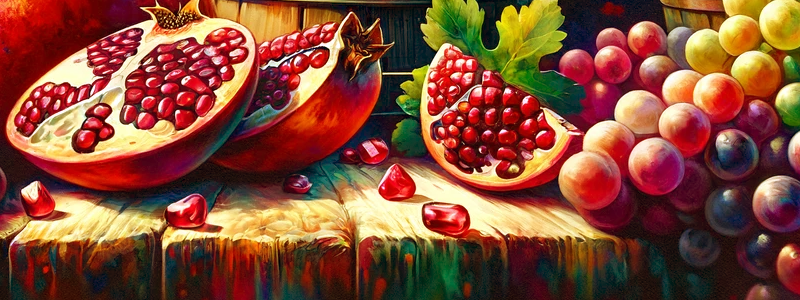
Introduction
Embarking on the journey of home wine-making is both a science and an art. This article delves into the intricate process of crafting wine from different grape varieties and pomegranates, integrating global traditions and modern techniques.
Understanding Wine Yeast and Its Preparation
Before diving into wine production, it's crucial to understand wine yeast, a pivotal component in winemaking. Wine yeast is a type of yeast specifically cultivated for fermenting grape juice into wine. Its role is to convert the sugars in the grape juice into alcohol and CO2 through fermentation.
Crafting Natural Wine Yeast: A Guide to Making Homemade Raisins for Winemaking
1. Selecting Your Grapes: The Foundation of Natural Yeast
Start with organic grapes to ensure your homemade raisins are free from pesticides and chemicals. The grape variety can align with your wine preferences, offering a personalized touch to your winemaking process.
2. Gentle Preparation: Preserving the Natural Yeast
Rinse the grapes gently to maintain the integrity of the natural yeast on their skins. Removing them from their stems ensures an even drying process.
3. The Art of Drying: Sun-Dried for Perfection
Sun drying is the traditional method for making raisins. Spread the grapes on a clean surface and let them bask in the sun, turning them occasionally for uniform drying. A thin net or cheesecloth can be used for protection against insects and dust.
4. Alternative Drying Methods: Oven and Dehydrator Techniques
An oven set to the lowest temperature or a food dehydrator can be used in climates not conducive to sun drying. Ensure proper air circulation to mimic the natural drying process.
5. Identifying Dryness: The Transition to Raisins
When shriveled, darker, and not juicy, your grapes have transformed into raisins with intact, slightly sticky skins.
6. Storage Solutions: Preserving Your Homemade Raisins
Store your raisins in an airtight container in a cool, dry place, ready for winemaking.
7. Using Your Raisins in Winemaking: Natural Yeast Activation
Rehydrate your homemade raisins in warm water (leave in not-too-hot water for about an hour, then drain the water, drain the raisins, and let them dry for about an hour) before adding them to your wine must. This activates the natural yeasts and prepares them for fermentation.
8. Quantity Guidelines: Perfecting the Balance
A general rule of thumb is to use about 1 cup of homemade raisins per gallon (3.78 liters) of wine must, ensuring enough natural yeast for effective fermentation.
Embracing Tradition in Modern Winemaking
Using homemade raisins as a natural yeast source is a nod to traditional winemaking practices. While the results may vary compared to commercial yeasts, this method adds a unique, personal touch to your homemade wine, connecting you to the age-old art of winemaking.
Optimizing Grape and Pomegranate Juice Quality: The Role of Stems and Peels in Juicing
When crafting the perfect grape or pomegranate juice, the details matter. A common question among juice enthusiasts and amateur winemakers is whether to include grape stems and pomegranate peels in the juicing process.
Understanding the Impact of Grape Stems in Juicing
Grape stems, often called tails, contain tannins and other compounds that can significantly affect the taste of grape juice. Tannins and Bitterness: Tannins in grape stems can lead to a bitter and astringent flavor, which might be undesirable in grape juice. Selective Use in Winemaking: While some winemakers include stems in red wine fermentation for added complexity and structure, they are typically not crushed along with the grapes. For white wines and grape juices, stems are usually removed to avoid imparting any bitterness.
The Role of Pomegranate Peels in Juice Quality
Unlike the arils, which are the juicy, edible pomegranate seeds, the peels are not commonly used in juicing due to their flavor profile. Avoiding Bitterness: Pomegranate peels are known for their bitter taste, which can overshadow the natural sweetness and tartness of the arils. Effective Juicing Techniques: To extract the best flavor, separate the arils from the peel and membrane using a water bowl before crushing or pressing for juice.
Flavor Preservation: Excluding stems and peels during juicing ensures a high-quality beverage, rich in natural flavors and devoid of unwanted bitterness. Experimentation with Caution: If you're experimenting with incorporating stems or peels, consider starting with small batches to gauge the impact on flavor.
Grape Winemaking: Varieties and Processes
Grape wine can vary greatly depending on the grape variety used. Here's a step-by-step guide tailored to different grape types:
Selecting Grapes: Choose high-quality, ripe grapes. Popular varieties include Cabernet Sauvignon, Merlot, and Chardonnay, each offering unique flavor profiles.
Crushing and Destemming: This process releases the juice from the grapes. For red wines, keep the skins during fermentation for color. For white wines, remove the skins. In Italy and France, grapes were historically crushed by foot. Modern home winemakers use mechanical crushers.
Fermentation: Add the prepared wine yeast to the grape juice. Fermentation times vary - red wines generally ferment for longer than white wines. Fermentation usually takes about one to two weeks. Monitor the temperature and sugar levels. The ideal fermentation temperature is between 68°F and 72°F.
Pressing: After fermentation, separate the solids from the liquid. For red wines, this happens post-fermentation, while for white wines, it occurs pre-fermentation.
Aging and Bottling: Age the wine in barrels or bottles. Aging periods differ, with some wines benefiting from longer aging. After aging (1-2 weeks), wine sediment may remain in the container (it is better if the container is glass: a carboy or demijohn), pour clear wine from above the container using a special hose (final bottling); a hose that is not intended for technical purposes.
Pomegranate Winemaking: A Unique Twist
Pomegranate wine, while less traditional, offers a unique and flavorful experience:
Preparing Pomegranates: Choose ripe pomegranates. Juice the fruit, ensuring you remove any seeds or pith.
Fermentation: Like grape wine, add activated wine yeast to the pomegranate juice (using homemade raisins as a natural yeast). Ferment at a controlled temperature for about two weeks.
Aging: Pomegranate wine generally requires less aging than grape wine. Taste periodically to determine the suitable aging period.
Fermenting grape wine in containers is a crucial part of the winemaking process. The choice of container can significantly affect the wine's flavor, aroma, and overall quality. Here's a guide on how to ferment wine in various types of containers:
Types of Fermentation Containers
Stainless Steel Tanks
Usage: Common in commercial and modern wineries for both primary and secondary fermentation. Advantages: Easy to clean, resistant to oxidation, and doesn't impart additional flavors to the wine. Considerations: They're inert and don't contribute to aging like oak barrels.
Oak Barrels
Usage: Traditional choice for fermenting and aging wine, especially reds. Advantages: Oak imparts complex flavors and tannins to the wine, aiding its development. Considerations: The type of oak, the size of the barrel, and its age can influence the wine's flavor.
Glass Carboys or Demijohns
Usage: Popular among home winemakers for smaller batches. Advantages: Non-reactive, easy to clean, and allows visual fermentation monitoring. Considerations: They are fragile and need protection from light.
Covering Method
Loose Lid or Cloth Covering: For open containers, you can use a loose-fitting lid or cover it with a clean, breathable cloth, like muslin or cheesecloth. This allows carbon dioxide to escape while keeping out insects, dust, and other contaminants.
Securing the Cloth: If using a cloth, tie it around the container's rim with a rubber band or string to ensure it stays in place.
The frequency of stirring the wine (with a wooden stick)
Purpose of Stirring: In wine fermentation, stirring is essential to submerge the "cap" - the layer of skins and solids that rise to the top. This helps in extracting color, flavor, and tannins from the skin.
Frequency: Wine must be typically stirred one to three times a day. The exact frequency can vary based on the winemaker's preference and the specific stage of fermentation.
Gentle Stirring: Stir gently to avoid excessive oxygenation, which can lead to unwanted oxidation.
Assessment: The need for stirring also depends on how the fermentation progresses. If the fermentation is vigorous, less stirring might be needed.
Post-Fermentation: Once fermentation slows down or stops (usually signaled by a decrease in bubbling or foaming), stirring should be reduced or stopped to minimize oxygen exposure. After each stirring, wash the wooden stick with clean water and place it in a clean and slightly elevated position on two sticks in a parallel (horizontally, not vertically) position.
Temperature Range: Yeast activity is influenced by temperature, with different strains exhibiting optimal fermentation ranges. Generally, for most wine yeast strains, the ideal temperature range falls between 60°F to 75°F (15°C to 24°C), and lighting is not in direct sunlight.
When it comes to storing ready-made wine, proper storage conditions are essential to maintain its quality and aging potential. Here's a guide to storing wine, covering containers, lighting, and location:
Container: For individual bottles, select dark-colored glass bottles, preferably green or amber. Ensure that the bottles are sealed with a tight-fitting cork or screw cap to prevent oxidation and maintain freshness. If storing larger quantities of wine, consider using stainless steel tanks or oak barrels.
Lighting: Wine should be stored in a dark environment. If lighting is necessary for visibility, use low-intensity, incandescent lighting sparingly or install dimmer switches to control brightness.
Location: The ideal storage location for wine is a cool, dark, and vibration-free space with consistent temperature and humidity levels. Temperature fluctuations can negatively impact wine aging, so aim to store wine at a stable temperature between 45°F to 65°F (7°C to 18°C). Additionally, maintain relative humidity levels between 50% to 80% to prevent cork drying and oxidation.
Storage Position: Store wine bottles horizontally to keep the cork moist and in contact with the wine, which helps to prevent air from entering the bottle and causing oxidation. However, if the wine has a screw cap or synthetic cork closure, storing bottles vertically is acceptable.
Ventilation: Adequate ventilation is crucial to prevent musty odors and mold growth in storage areas. Ensure proper air circulation by avoiding overcrowding and allowing space between wine bottles or storage racks. Consider installing a ventilation system or using dehumidifiers in humid climates to maintain optimal storage conditions.
International Perspectives and Traditions
Wine-making has rich traditions across the world. In France, winemaking is an art passed down through generations, focusing on grape varieties like Pinot Noir and Sauvignon Blanc. Italy is renowned for its diverse grape types, from Sangiovese to Nebbiolo. Meanwhile, pomegranate wine is a specialty in Middle Eastern countries, reflecting a blend of ancient practices and local fruit varieties. While less common than grape wine, pomegranate is a traditional beverage in countries like Armenia and Israel.
Conclusion
Creating wine at home is rewarding and blends tradition with personal taste. Whether working with different grape varieties or exploring the exotic flavors of pomegranate, each batch of homemade wine is a testament to the winemaker's skill and the rich heritage of winemaking. Remember, the key to successful winemaking lies in understanding the ingredients, respecting the process, and embracing the journey of learning and discovery.
Tag Search
Tags

Ads
SubMeet


Ads

Rose

