
SubMeet Blog Posts
Write your:
Biography, story, article or tidings.
Maximum 50.000  symbols (Depends on the browser) one post.
Maximum 10 posts per day, 100 posts per month, for one user.
We recommend using the Firefox browser to publish a post.



 Marshal
Eating "healthy" shouldn't feel like solving a chemistry exam. 😅 Your body is not a machine you can run on random fuel, it's more like a living ecosystem. Give it variety and it thrives. Starve it or push extreme diets and it quietly starts shutting down non-essential systems first (hair, hormones, mood, immunity… you know, the usual suspects).
This simple, realistic 7-day plan is designed for adults ages 18 to 60+ who want to meet their daily nutritional needs without obsessing over calories or risking their long-term health. Think of it as a roadmap, not a rulebook. 🗺️
📊 Daily Nutritional Targets Covered
Protein: 60,90 g
Fiber: 25,35 g
Calcium: ~700,1100 mg
Magnesium: 300+ mg
Potassium: ~3000,4000 mg
Iron, zinc & selenium: adequate daily amounts
Carbohydrates (bread)
No repeated daily menus ✅
🍽️ What a Healthy Daily Plate Should Actually Look Like
A balanced day doesn't need to be complicated. It usually includes:
A protein source (eggs, fish, meat, dairy, or legumes)
Whole carbohydrates (bread, rice, potatoes, or oats)
Plenty of vegetables and fruit
Healthy fats (nuts, olive oil, seeds)
Calcium-rich foods
Fiber from plants
Here's a simple way to think about it: bread is your fuel ⛽, protein is your building material 🧱, and vegetables are the maintenance crew keeping everything running smoothly. 🔧
📅 7-Day Meal Plan (Non-Repeating)
You can make substitutions between days and food groups, and, if necessary, double or triple the daily portion. You can also add dark chocolate, cocoa, teas, coffee, quality pastries, or other foods.
Day 1 ☀️
Breakfast
3-egg omelet with spinach and cheese (½ large plate), 1 slice whole-grain bread, 1 apple 🍎
Lunch
Grilled chicken breast (~180 g), cooked rice (1 cup), large mixed salad (full plate) 🥗
Dinner
Hummus (~150 g, about a medium bowl), 2 slices of bread, fresh vegetables 🥙
Snack
Yogurt (200 g) + a small handful of walnuts 🌰
Day 2 ☀️
Breakfast
Oatmeal (~70 g dry oats) with milk, banana, and nuts 🍌
Lunch
Baked salmon (~170 g), 2 medium potatoes, broccoli (½ plate) 🐟
Dinner
Lentil soup (large bowl), 1 slice bread 🍲
Snack
Cottage cheese (200 g) + berries 🫐
Day 3 ☀️
Breakfast
Greek yogurt (250 g) + fruit + seeds 🍓
Lunch
Beef stew (~180 g meat), vegetables (almost full plate), 1 slice bread 🥩
Dinner
Hummus (~180 g), pita or 2 slices bread, carrot & cucumber sticks 🥕🥒
Snack
Orange + a handful of almonds 🍊
Day 4 ☀️
Breakfast
2 boiled eggs, ½ avocado, 2 slices of bread 🥑🥚
Lunch
Turkey (~170 g), buckwheat (1 cup), large salad 🦃
Dinner
Bean stew (large bowl), 1 slice bread 🫘
Snack
Kefir (250 ml) + nuts 🥛
Day 5 ☀️
Breakfast
Oat pancakes (2,3 pieces), yogurt + berries 🥞
Lunch
Grilled fish (~180 g), quinoa (1 cup), vegetables (½,1 plate) 🐠
Dinner
Hummus (~150 g), 2 slices bread, tomato & cucumber 🍅🥒
Snack
Apple + 1 tbsp peanut butter 🍎🥜
Day 6 ☀️
Breakfast
Cottage cheese (250 g), a small drizzle of honey + nuts 🍯
Lunch
Chicken pasta (large plate) with tomato sauce 🍝
Dinner
Vegetable omelet (3 eggs), 1 slice bread 🍳
Snack
Banana + yogurt 🍌
Day 7 ☀️
Breakfast
Yogurt + oats + fruit 🫐
Lunch
Lamb stew (~170 g meat), vegetables (large plate), 1 slice bread 🍖
Dinner
Chickpea salad (large bowl) with olive oil, 1 slice bread 🫘🫒
Snack
Kefir + 2,3 dates 🌴
What's in Your Food? Key Nutrients at a Glance
🥚 Eggs - Protein, Vitamin D, Selenium, Zinc, B12
🍞 Whole-grain bread - Carbohydrates, Fiber, Magnesium, B Vitamins
🐟 Salmon / Fish - Protein, Omega-3, Vitamin D, Selenium, Iodine
🍗 Chicken / Turkey - Protein, Zinc, B6, Phosphorus
🥩 Beef / Lamb - Protein, Iron, Zinc, B12, Magnesium
🫘 Lentils / Beans / Chickpeas - Fiber, Plant Protein, Iron, Potassium, Folate, Magnesium
🫙 Hummus - Fiber, Plant Protein, Iron, Calcium, Magnesium, Healthy Fats
🥛 Yogurt / Kefir / Cottage Cheese - Calcium, Protein, Probiotics, B12, Phosphorus
🧀 Cheese - Calcium, Protein, Vitamin K2, Zinc
🥑 Avocado - Healthy Fats, Potassium, Magnesium, Fiber, Vitamin E
🌾 Oats / Oatmeal - Fiber, Carbohydrates, Magnesium, Iron, B Vitamins
🍚 Rice / Buckwheat / Quinoa - Carbohydrates, Magnesium, Fiber, Iron
🥦 Broccoli / Vegetables (mixed) - Fiber, Vitamin C, Potassium, Folate, Calcium
🥕 Carrots - Beta-carotene (Vitamin A), Fiber, Potassium
🍅 Tomatoes - Vitamin C, Potassium, Lycopene, Fiber
🥒 Cucumber - Water, Vitamin K, Potassium
🍌 Banana - Potassium, Carbohydrates, Vitamin B6, Magnesium
🍎 Apple / Orange / Berries - Vitamin C, Fiber, Antioxidants, Potassium
🫐 Berries - Antioxidants, Vitamin C, Fiber, Manganese
🌰 Walnuts / Almonds / Nuts - Healthy Fats, Omega-3, Magnesium, Vitamin E, Protein
🥜 Peanut Butter - Protein, Healthy Fats, Magnesium, Potassium, Fiber
🫒 Olive Oil - Healthy Fats (Omega-9), Vitamin E, Antioxidants
🍯 Honey - Natural Sugars, Trace Antioxidants
🌴 Dates - Potassium, Fiber, Natural Sugars, Magnesium, Iron
🥔 Potatoes - Potassium, Carbohydrates, Vitamin C, B6, Fiber
🔬 Nutrition Needs by Age (18,60+)
Understanding what your body needs at different life stages can make a huge difference in how you feel and function day to day.
Ages 18,30 🚀
Metabolism is typically faster and energy needs are higher. Protein becomes essential for supporting muscle growth, hormones, and brain function, especially if you're active or under stress.
Ages 30,45 💼
Busy jobs and sedentary habits increase nutrient demand in surprising ways. Fiber, magnesium, and omega-3 fats become especially important during this phase to maintain energy levels and reduce inflammation.
Ages 45,60+ 🛡️
Muscle mass naturally starts to decline. Calcium, vitamin D, protein, and potassium become your best allies for protecting bones, heart health, and long-term mobility.
Age 60+ 🌿
Protein needs often increase relative to body weight. Since appetite may decrease with age, nutrient density matters more than ever. Every meal counts.
⚠️ A Serious Word About Rapid Weight Loss Diets
Crash dieting might look encouraging in the mirror for a few weeks. Biologically, it's closer to controlled starvation.
Here's what extreme food restriction actually does to your body:
💪 Muscle loss (not just fat, unfortunately)
🧬 Hormonal disruption
🐢 Slower metabolism
🥗 Nutrient deficiencies
💇 Hair loss, fatigue, and dizziness
🪨 Gallstones (especially with very rapid weight loss)
🦴 Bone density loss (particularly dangerous after 40)
If weight loss is your goal, a moderate calorie deficit with adequate protein and micronutrients is far safer, more sustainable, and honestly far more effective long-term than eliminating entire food groups.
✅ Why This Plan Actually Works
It's not a gimmick. It works because it brings together the right combination of foods in a way that your body recognizes and responds to:
✔️ Animal + plant protein for complete amino acid coverage
✔️ Whole carbohydrates (including bread!) to fuel your brain and muscles
✔️ Legumes and hummus for fiber and essential minerals
✔️ Dairy or alternatives for calcium
✔️ Vegetables for potassium and micronutrients
✔️ Healthy fats for nutrient absorption and hormone balance
In short: this isn't a "diet." It's a sustainable eating pattern you can actually live with. 🙌
💬 Final Thought
Health is not built by one perfect meal, but by repeated reasonable ones. The human body is astonishingly resilient, and if you stop fighting it and start feeding it intelligently, it will reward you in ways that go far beyond the number on the scale.
Food is not just calories. It's information, structure, and repair material, delivered three times a day. 🍽️ Treat it that way, and everything changes.
 Business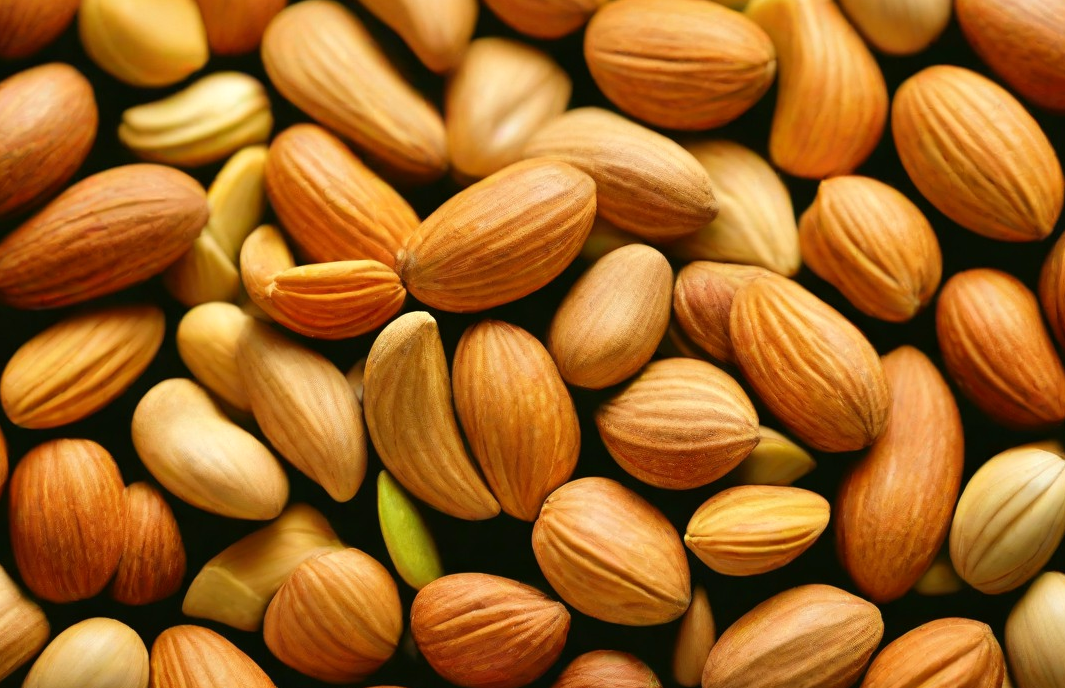
In the bustling rhythm of modern life, ensuring our bodies receive the essential nutrients they need can often take a backseat. However, maintaining optimal levels of magnesium and calcium is crucial for overall health and well-being. These minerals play vital roles in various bodily functions, from supporting bone health to regulating muscle and nerve function. In this comprehensive guide, we'll explore the best foods and beverages to incorporate into your daily or weekly diet to keep your magnesium and calcium levels in check, all while managing sugar intake.
Understanding Magnesium, Calcium, and Sugar:
Before diving into the dietary recommendations, let's first understand the roles these nutrients play in the body:
Magnesium: Often referred to as nature's relaxant, magnesium is involved in over 300 biochemical reactions in the body. It supports muscle and nerve function, helps regulate blood sugar levels, and contributes to bone health.
Calcium: Famously known for its role in building and maintaining strong bones and teeth, calcium also plays a crucial role in muscle function, nerve signaling, and blood clotting.
Sugar: While sugar can provide a quick energy boost, consuming too much of it can lead to various health issues, including weight gain, diabetes, and cardiovascular problems. Opting for foods with manageable sugar levels is essential for overall health.
Balancing Magnesium and Calcium in Your Diet:
Leafy Greens: Incorporating leafy greens such as spinach, kale, Swiss chard, collard greens, and broccoli into your meals can significantly boost your magnesium intake. These vegetables are not only low in sugar but also rich in other essential nutrients like vitamins A, C, and K. Aim to include a generous portion of leafy greens in your daily salads, stir-fries, or smoothies.
Nuts and Seeds: Snack on magnesium-rich nuts and seeds like almonds, cashews, pumpkin seeds, and sunflower seeds throughout the day. These crunchy delights not only provide a satisfying dose of magnesium but also offer healthy fats and protein to keep you feeling full and energized.
Whole Grains: Opt for whole grains like quinoa, brown rice, oats, and barley to add magnesium and calcium to your diet. Swap refined grains for their whole grain counterparts to ensure you're getting the maximum nutritional benefit without the added sugars often found in processed foods.
Legumes: Beans, lentils, and chickpeas are excellent sources of both magnesium and calcium. Incorporate them into soups, stews, salads, or bean-based dips for a hearty and nutritious meal option.
Dairy and Dairy Alternatives: If you consume dairy, include calcium-rich options like milk, yogurt, and cheese in your diet. For those following a plant-based diet, fortified dairy alternatives like almond milk, soy milk, and oat milk can provide a comparable amount of calcium.
Green Flowering Plants Rich in Magnesium:
When it comes to green flowering plants, several species stand out for their magnesium content in various forms:
Spinach: Whether enjoyed raw in salads, cooked in soups, or blended into smoothies, spinach is a powerhouse of magnesium, providing approximately 79 milligrams per cup of cooked spinach.
Kale: This nutrient-dense leafy green offers around 20 milligrams of magnesium per cup of raw kale. Enjoy it sautéed as a side dish or massaged with dressing for a flavorful salad.
Broccoli: With about 33 milligrams of magnesium per cup of cooked broccoli, this cruciferous vegetable is a versatile addition to any meal. Steam it, roast it, or enjoy it raw with your favorite dip for a crunchy snack.
Collard Greens: Just one cup of cooked collard greens contains approximately 52 milligrams of magnesium. Try braising them with garlic and olive oil for a tasty side dish packed with nutrients.
Swiss Chard: This vibrant green vegetable offers around 29 milligrams of magnesium per cooked cup. Sauté it with onions and bell peppers or add it to omelets for a nutritious boost.
Incorporating these magnesium-rich green flowering plants into your diet can help ensure you're meeting your daily nutritional needs while enjoying a variety of delicious and healthful foods.
In conclusion, maintaining a balanced diet that includes magnesium and calcium-rich foods is essential for overall health and well-being. By incorporating leafy greens, nuts, seeds, whole grains, legumes, and dairy or dairy alternatives into your meals, you can support your body's needs while managing sugar intake. Additionally, including magnesium-rich green flowering plants like spinach, kale, broccoli, collard greens, and Swiss chard can further enhance your nutrient intake and contribute to your overall health goals.
Optimal Nutrient Intake Schedule: Balancing Magnesium and Calcium in Your Diet
Daily Nutrient Intake Schedule:
Breakfast (7:00 AM - 9:00 AM):
Start your day with a magnesium and calcium-rich breakfast by incorporating leafy greens such as spinach or kale into your meal. Enjoy a spinach and feta omelet with a side of whole grain toast for a nutritious start to your morning.
Mid-Morning Snack (10:30 AM - 11:30 AM):
Keep your energy levels up with a handful of magnesium-rich nuts like almonds or cashews. Pair them with a piece of fruit like an apple or a handful of berries for a balanced snack.
Lunch (12:30 PM - 2:00 PM):
Include magnesium and calcium-rich foods like beans or lentils in your midday meal. Enjoy a quinoa salad with mixed vegetables and chickpeas dressed with a tahini-lemon dressing for a satisfying and nutritious lunch option.
Afternoon Snack (3:30 PM - 4:30 PM):
Boost your magnesium intake with a snack of raw broccoli or carrot sticks paired with hummus. The combination of crunchy vegetables and protein-packed hummus will keep you feeling full and energized until dinner.
Dinner (6:30 PM - 8:00 PM):
End your day with a magnesium and calcium-rich dinner featuring green flowering plants like collard greens or Swiss chard. Enjoy a stir-fry with tofu, bell peppers, and bok choy served over brown rice for a flavorful and nutritious meal.
Weekly Nutrient Intake Schedule:
Meal Prep Sunday:
Dedicate some time on Sundays to meal prep magnesium and calcium-rich dishes for the week ahead. Cook batches of leafy greens, whole grains, and legumes to incorporate into your daily meals for easy and convenient access to these essential nutrients.
Grocery Shopping Wednesday:
Make a trip to the grocery store mid-week to replenish your supply of magnesium-rich nuts, seeds, and dairy or dairy alternatives. Stock up on almonds, pumpkin seeds, and fortified almond milk to ensure you have plenty of nutritious options on hand for snacks and meals.
Recipe Experimentation Friday:
Use Fridays as an opportunity to try out new recipes featuring green flowering plants rich in magnesium. Explore different cooking methods and flavor combinations to keep your meals exciting and enjoyable while meeting your nutritional needs.
By following this daily and weekly nutrient intake schedule, you can ensure you're getting an adequate amount of magnesium and calcium in your diet while managing sugar intake and supporting overall health and well-being.
Beware of These Foods: Factors That Can Affect Magnesium and Calcium Levels
Maintaining optimal levels of magnesium and calcium is essential for overall health and well-being. However, certain foods and lifestyle factors can either neutralize or damage these essential minerals in the body. Understanding these factors can help you make informed choices to support your nutritional goals. Here are some foods and habits to be cautious of:
1. High-Sodium Foods (Salty foods):
Consuming excessive amounts of sodium can lead to increased excretion of both magnesium and calcium through the urine. Processed foods, canned soups, fast food, and salty snacks are common culprits high in sodium. Limiting intake of these foods can help preserve magnesium and calcium levels in the body.
2. Carbonated Beverages:
Many carbonated beverages, including sodas and certain flavored sparkling waters, contain phosphoric acid, which can interfere with the absorption of calcium in the body. Additionally, the caffeine content in some sodas can increase urinary excretion of calcium, further depleting levels over time.
3. Excessive Alcohol Consumption:
Alcohol interferes with the absorption of magnesium and calcium in the intestines and can also increase urinary excretion of these minerals. Chronic alcohol consumption can lead to deficiencies in both magnesium and calcium, impacting bone health and overall well-being.
4. High-Caffeine Foods and Beverages:
While moderate caffeine consumption is generally considered safe, excessive intake can interfere with the body's ability to absorb calcium. Coffee, tea, energy drinks, and certain pre-workout supplements are common sources of caffeine that may impact calcium levels if consumed in large quantities.
5. Refined Sugars and Processed Foods:
Diets high in refined sugars and processed foods have been associated with lower magnesium and calcium levels in the body. These foods often lack essential nutrients and may contribute to imbalances in mineral metabolism. Opting for whole, nutrient-dense foods can help support optimal magnesium and calcium levels.
6. High-Protein Diets:
While protein is important for overall health, excessively high-protein diets can increase urinary excretion of calcium and may lead to negative calcium balance over time. Balancing protein intake with adequate consumption of magnesium and calcium-rich foods is key for maintaining optimal mineral levels.
By being mindful of these factors and making conscious choices to limit or avoid foods and habits that can impact magnesium and calcium levels, you can support your body's nutritional needs and promote long-term health and well-being.
Tag Search

Ads
SubMeet


Ads

Rose

