
SubMeet Blog Posts
Write your:
Biography, story, article or tidings.
Maximum 50.000  symbols (Depends on the browser) one post.
Maximum 10 posts per day, 100 posts per month, for one user.
We recommend using the Firefox browser to publish a post.



 VIP
VIP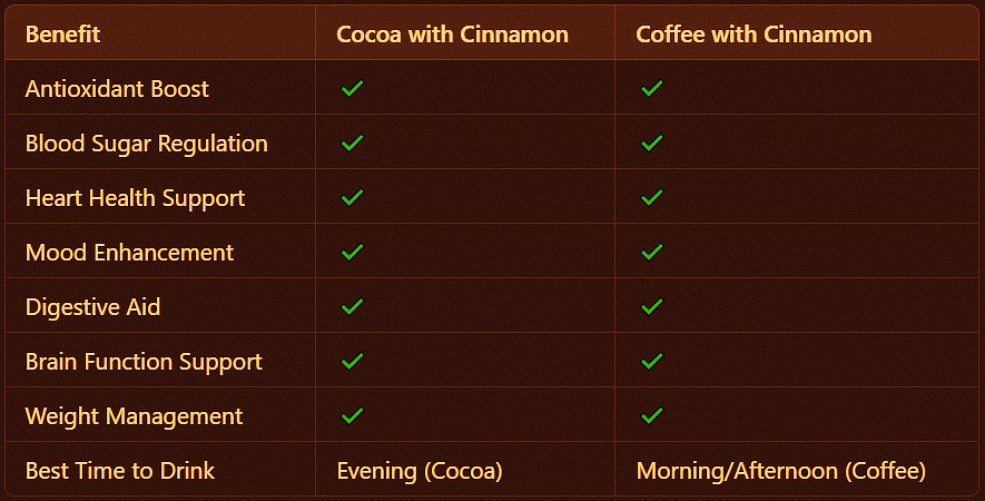
Combining cinnamon with cocoa or coffee offers more than a flavor boost; it creates a powerful health-enhancing blend filled with antioxidants, essential vitamins, and minerals. In this article, we’ll dive into the benefits of these combinations, when and how they should be consumed, and tips on preparing them for the best results.
Cinnamon with Cocoa and Milk: A Soothing and Health-Boosting Night Drink
Health Benefits
Mixing cinnamon with cocoa (and milk) is not only delicious but also provides several health benefits:
Rich in Antioxidants:
Cocoa contains flavonoids, powerful antioxidants that fight oxidative stress and inflammation. Combined with cinnamon’s polyphenols, this blend offers a strong dose of antioxidants to help protect against cellular damage.
Heart Health:
Both cinnamon and cocoa can improve heart health by reducing LDL (bad) cholesterol, increasing HDL (good) cholesterol, and improving blood flow. This combination may help reduce the risk of heart disease.
Mood Booster:
Cocoa stimulates the release of endorphins and serotonin, enhancing mood and reducing stress. Cinnamon’s comforting aroma can further amplify these effects, making this drink ideal for relaxation.
Blood Sugar Regulation:
Cinnamon can help regulate blood sugar levels by improving insulin sensitivity, making it a great addition for people watching their sugar intake.
Anti-Inflammatory Properties:
Cinnamon and cocoa both contain compounds that reduce inflammation, which can be beneficial for people with arthritis or other inflammatory conditions.
Vitamins and Microelements
Cocoa: Contains iron, magnesium, potassium, and a range of B vitamins.
Cinnamon: Provides manganese, calcium, iron, and fiber.
Milk: Adds calcium, vitamin D, protein, and vitamin B12.
Preparation and Suggested Portions
Ingredients:
1 cup of milk (dairy or plant-based)
1 tablespoon of unsweetened cocoa powder
½ teaspoon of cinnamon
Optional: a teaspoon of sugar for sweetness
Method:
Heat the milk in a saucepan until warm.
Add cocoa powder and cinnamon, whisking until fully mixed.
Sweeten with sugar if desired.
Pour into a mug and enjoy!
Daily Portion and Timing:
Daily Portion: 1 cup per day is sufficient to enjoy the health benefits.
Best Time to Drink: Evening or about 1-2 hours before bedtime. This soothing drink can help you relax and unwind, promoting a restful night’s sleep.
Cinnamon with Instant Coffee: A Morning Power Boost
Health Benefits
Adding cinnamon to coffee enhances its benefits and adds a range of health-boosting properties:
Enhanced Cognitive Function:
The caffeine in coffee improves mental alertness and focus, while cinnamon may further support brain health by protecting neurons from oxidative damage. Together, they make a great morning pick-me-up for cognitive support.
Improved Metabolism:
Both coffee and cinnamon have thermogenic properties, meaning they can increase metabolism and support calorie burning. Cinnamon also helps regulate blood sugar, making this blend useful for weight management.
Antioxidant Power:
Coffee is rich in antioxidants, and adding cinnamon gives it a boost with polyphenols, which combat oxidative stress and inflammation.
Antimicrobial Properties:
Cinnamon has natural antibacterial and antifungal properties, which may support oral health and reduce harmful bacteria.
Digestive Support:
Cinnamon can help reduce bloating and stimulate digestion. When combined with coffee, it may lessen coffee’s potential acidic effect on the stomach, especially if consumed in moderation.
Vitamins and Microelements
Coffee: Contains small amounts of magnesium, potassium, and B vitamins.
Cinnamon: Adds manganese, calcium, iron, and fiber.
Preparation and Suggested Portions
Ingredients:
1 cup of instant coffee (brewed to your preference)
¼ teaspoon of ground cinnamon
Optional: 1 teaspoon of sugar to balance the bitterness and enhance flavor
Method:
Brew your instant coffee as usual.
Stir in the cinnamon and sugar, then mix well.
Enjoy immediately for a flavorful, health-boosting morning drink.
Daily Portion and Timing:
Daily Portion: 1 cup per day is enough for most people to experience the benefits without overstimulating the body.
Best Time to Drink: Morning or afternoon. The caffeine from coffee, combined with cinnamon’s energy-boosting effects, is best enjoyed early in the day to prevent sleep disruption.
Key Differences and Tips
Timing:
Cinnamon Cocoa with Milk: Best in the evening, as it promotes relaxation.
Cinnamon Coffee: Best in the morning, as it provides a stimulating energy boost.
Portion Sizes:
Stick to 1 cup of each per day to avoid overstimulation (from coffee) or too many calories (from cocoa with milk).
Quality Matters:
For optimal health benefits, choose high-quality cocoa powder (unsweetened and preferably dark) and Ceylon cinnamon, as it contains less coumarin than Cassia cinnamon.
Sugar Control:
Use minimal sugar to maximize health benefits without unnecessary sugar intake.
Conclusion
Mixing cinnamon with cocoa and coffee provides powerful health benefits due to their complementary properties. While cinnamon-cocoa milk can be enjoyed as a relaxing, antioxidant-rich bedtime drink, cinnamon coffee makes a perfect morning boost for cognitive function and metabolism. Both combinations deliver essential vitamins and minerals, helping with everything from blood sugar regulation to improved mood and digestion.
Try these recipes, and enjoy the health and flavor benefits of adding cinnamon to your cocoa and coffee routine!
 Marshal
Understanding Mood Swings and Fatigue
Mood Swings are characterized by rapid and intense changes in mood. These can range from feelings of happiness and energy to sudden irritability or sadness.
Causes of mood swings can include:
Stress: Prolonged stress can disrupt hormonal balance, leading to mood fluctuations.
Sleep Deprivation: Lack of adequate sleep impacts mood regulation, making one more susceptible to emotional changes.
Hormonal Changes: Particularly in women, hormonal fluctuations due to menstrual cycles, pregnancy, or menopause can cause mood swings.
Diet: Poor nutrition, especially diets lacking in essential nutrients, can affect brain function and mood stability.
Fatigue is a persistent feeling of tiredness or exhaustion that can be physical, mental, or both. Mental fatigue, in particular, can lead to difficulties in concentration, memory issues, and a general feeling overwhelmed.
Common causes include:
Overwork: Long hours at work without adequate rest can lead to burnout.
Sleep Issues: Poor quality or insufficient sleep is a primary cause of fatigue.
Nutritional Deficiencies: Lack of essential vitamins and minerals can impair energy production and lead to fatigue.
Chronic Stress: Continuous stress depletes the body’s energy reserves and can cause both physical and mental fatigue.
Safe Self-Care Strategies for Alleviating Mood Swings and Fatigue
Prioritize Sleep
Sleep Hygiene: Establish a regular sleep schedule, create a calming bedtime routine, and ensure your sleep environment is comfortable and free from distractions. Aim for 7-9 hours of quality sleep each night.
Relaxation Techniques: Practices such as deep breathing, meditation, or listening to calming music before bed can help improve sleep quality and reduce mood swings.
Balanced Nutrition
Healthy Diet: Consume a diet rich in whole foods, including fruits, vegetables, lean proteins, and whole grains. Avoid excessive sugar and processed foods, which can cause energy crashes and mood instability.
Stay Hydrated: Dehydration can lead to fatigue and irritability. Ensure you’re drinking enough water throughout the day.
Regular Physical Activity
Exercise: Engaging in regular physical activity, even moderate exercise like walking or yoga, can boost energy levels, improve mood, and reduce stress. Exercise releases endorphins, which are natural mood lifters.
Mindfulness and Stress Management
Mindfulness Practices: Techniques such as mindfulness meditation can help manage stress and improve emotional regulation, reducing the frequency and intensity of mood swings.
Time Management: Prioritizing tasks and taking regular breaks can help prevent burnout and mental fatigue.
Supplements and Vitamins for Mood Swings and Fatigue
Vitamin B Complex: B vitamins, especially B6, B9, and B12, are essential for brain function and energy production. Deficiencies can lead to fatigue and mood disorders. Nature’s Bounty Super B-Complex and Garden of Life Vitamin B Complex are trusted options.
Magnesium: Magnesium plays a crucial role in energy production and the regulation of mood. It helps calm the nervous system and is often recommended for anxiety and stress-related mood swings. Natural Vitality Calm Magnesium and Doctor's Best High Absorption Magnesium are widely used supplements.
Adaptogens (Ashwagandha, Rhodiola): Adaptogenic herbs like ashwagandha and rhodiola help the body adapt to stress and balance cortisol levels, which can reduce fatigue and stabilize mood. Himalaya Organic Ashwagandha and Gaia Herbs Rhodiola Rosea are popular adaptogen supplements.
5-HTP: This supplement supports serotonin production, which can help improve mood and reduce symptoms of depression. Natrol 5-HTP and Doctor’s Best 5-HTP are commonly recommended for mood support.
Ginseng: Known for its energy-boosting properties, ginseng can help combat fatigue and improve mental clarity. Korean Red Ginseng and Nature’s Answer American Ginseng are well-regarded brands.
Safe Self-Medication: A Balanced Approach
While self-medication can offer relief, it's important to approach it with caution.
Here are some guidelines to ensure safety:
Consult Reliable Sources: Research supplements and vitamins from reputable sources and consult with a pharmacist if unsure.
Start Slow: Begin with lower doses to see how your body reacts before gradually increasing as needed.
Monitor Symptoms: Keep track of how you feel after starting a new supplement. If you experience any adverse effects, discontinue use and seek medical advice.
Avoid Interactions: Be aware of potential interactions with other medications you may be taking. Certain supplements can interact with prescription medications, altering their effectiveness or causing harmful effects.
Don’t Overuse: Supplements should complement a healthy lifestyle, not replace it. Overuse can lead to imbalances or side effects.
Conclusion
Mood swings and fatigue, while often distressing, are to some extent a normal part of life. It's important to treat these experiences with calmness and understanding rather than panic. Recognizing that such fluctuations can happen to anyone is the first step toward effective management. Complexes and inherited disorders can also play a significant role in exacerbating these symptoms, so it’s crucial to address underlying psychological factors as part of the healing process.
Patience is key when managing mood swings and fatigue. The desire for a quick fix is natural, but rushing through self-care strategies or overloading on supplements can lead to disappointment or even harm. Instead, focus on gradually finding and creating favorable conditions that suit your unique needs. This might involve experimenting with different lifestyle changes, mindfulness practices, or nutritional adjustments until you discover what works best for you. Remember, true healing often takes time, and a thoughtful, personalized approach will yield the most sustainable results. By embracing this process with patience and self-compassion, you not only alleviate symptoms but also build a stronger foundation for long-term mental and physical well-being.
Tag Search

Ads
SubMeet


Ads

Rose

