
SubMeet Blog Posts
Write your:
Biography, story, article or tidings.
Maximum 50.000  symbols (Depends on the browser) one post.
Maximum 10 posts per day, 100 posts per month, for one user.
We recommend using the Firefox browser to publish a post.



 Marshal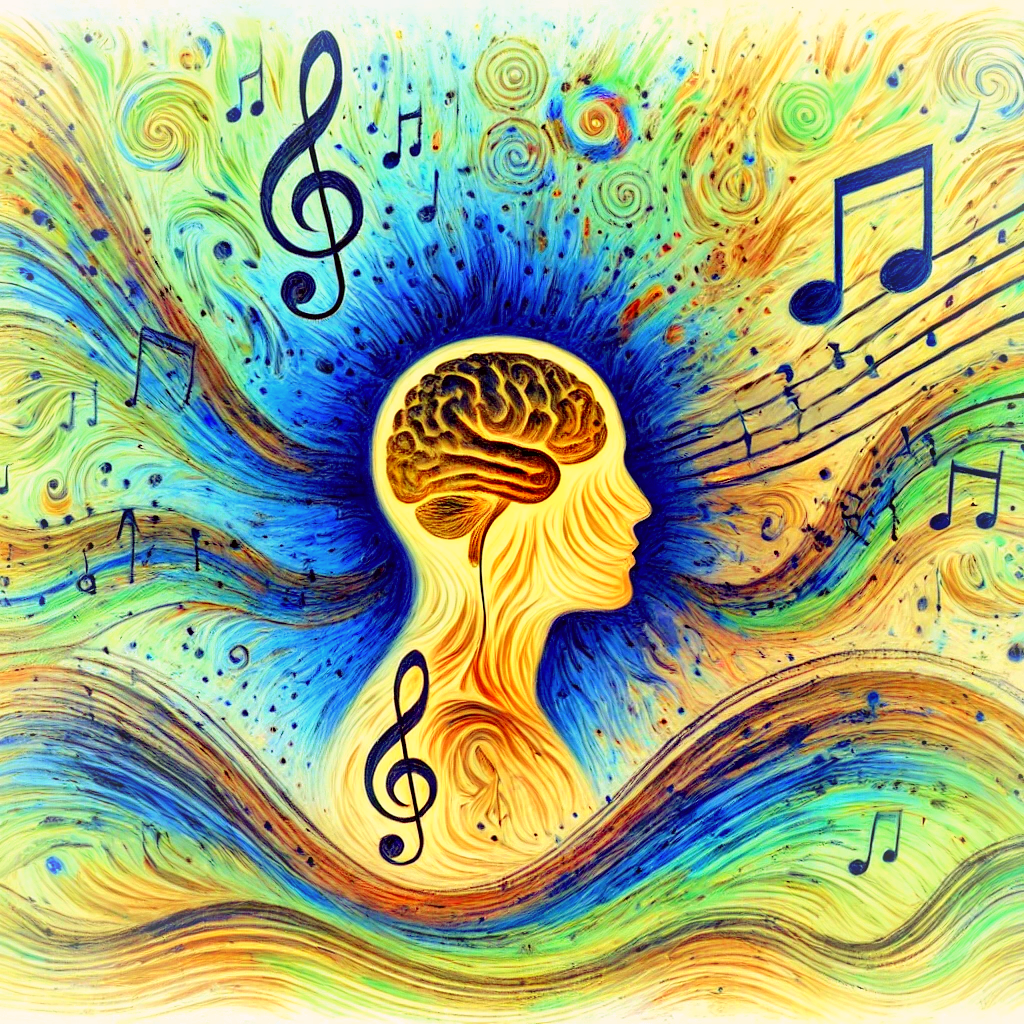
Music has long been recognized for its profound effects on human emotions, mental states, and even physical health. Specific sound frequencies, measured in Hertz (Hz), are believed to have therapeutic benefits that aid in relaxation, healing, and cognitive function. Ranging from 40 Hz to 1111 Hz, these frequencies interact with our bodies at both cellular and neurological levels, influencing our mood, sleep patterns, and even disease recovery. This article explores 15 well-known frequencies and their benefits while delving into the science behind how music affects the brain and body at varying volume levels.
Understanding Sound Frequencies and Their Effects
Sound frequencies impact the human body by interacting with brainwave activity, cellular vibrations, and physiological processes. The brain operates on different wave patterns, including Delta (0.5-4 Hz), Theta (4-8 Hz), Alpha (8-14 Hz), Beta (14-30 Hz), and Gamma (30-100 Hz). These frequencies influence relaxation, creativity, focus, and deep states of meditation.
Additionally, sound waves can resonate with water molecules, proteins, and neural pathways, creating tangible effects on bodily functions. Low, medium, and high volume levels also influence our perception and response to sound, which can either enhance or diminish music's healing properties.
How Much and When to Listen to Healing Frequencies
Morning (6 AM - 12 PM): Begin your day with energizing frequencies such as 528 Hz, 639 Hz, and 963 Hz for positivity and motivation.
Afternoon (12 PM - 6 PM): Utilize 417 Hz, 741 Hz, and 852 Hz to maintain focus and detoxify the mind from stress.
Evening (6 PM - 10 PM): Wind down with 396 Hz, 432 Hz, and 285 Hz to alleviate anxiety and prepare for relaxation.
Night (10 PM - 3 AM): Play 40 Hz, 111 Hz, and 174 Hz at low volume for deep sleep and healing.
Recommended Listening Duration
For general relaxation and healing: 3-15 minutes per frequency.
For deep meditation or specific ailments: 15-40 minutes per session.
For brainwave entrainment or cognitive enhancement: 40 Hz for at least 10 minutes daily.
For DNA repair and deep healing: 528 Hz for at least 35 minutes daily.
Avoid excessive exposure: Limit total listening time to 1-2 hours per day to prevent overstimulation.
Should Frequencies Be Listened to Separately or in Combination?
You can listen to individual frequencies for targeted effects or combine them for a holistic experience.
Headphones vs. Speakers: Which is Better?
Headphones: Ideal for binaural beats and deep meditation, as they provide direct frequency exposure to the brain.
Speakers: Suitable for filling the space with sound therapy, relaxation, and whole-body resonance.
Effect of Volume on Healing Frequencies
Low Volume (Soft Music)
Triggers the parasympathetic nervous system, reducing stress and promoting relaxation.
Enhances concentration and memory retention.
Supports meditation, deep breathing, and sleep regulation.
Medium Volume (Moderate Listening)
Balances dopamine and serotonin levels, improving mood.
Encourages physical movement and creativity.
Supports cognitive functions such as problem-solving and focus.
High Volume (Loud Music)
Stimulates adrenaline and increases heart rate.
Can be energizing but may also contribute to stress if excessive.
Overexposure may lead to hearing loss or overstimulation of the nervous system.
Famous Healing Frequencies and Their Benefits
1. 40 Hz – Cognitive Enhancement and Alzheimer’s Treatment
Stimulates gamma brainwave activity, linked to improved cognition.
Research suggests that 40 Hz can reduce amyloid plaques in Alzheimer’s patients.
Enhances focus, memory retention, and learning abilities.
2. 111 Hz – Cellular Regeneration and Meditation
Utilized in sacred music and meditation.
Believed to aid cellular healing and DNA repair.
Promotes deep relaxation and spiritual awareness.
3. 174 Hz – Pain Relief and Stress Reduction
Associated with natural pain relief and muscle relaxation.
Reduces anxiety and fosters emotional well-being.
Assists in healing tissues and alleviating headaches.
4. 285 Hz – Tissue Healing and Immune Boosting
Supports cellular repair and wound healing.
Strengthens immune system responses.
Decreases inflammation and enhances skin regeneration.
5. 396 Hz – Liberating Fear and Guilt
Facilitates the release of subconscious fears and negative emotions.
Cultivates feelings of security and confidence.
Beneficial for individuals dealing with trauma and depression.
6. 417 Hz – Facilitating Change and Breaking Negative Patterns
Cleanses negative energies and past traumas.
Encourages new beginnings and adaptability.
Balances the sacral chakra for emotional harmony.
7. 432 Hz – Natural Harmonic Tuning and Emotional Stability
Regarded as the "universal frequency" for emotional balance.
Harmonizes with the natural vibrations of the universe.
Alleviates stress, improves sleep, and promotes tranquility.
8. 440 Hz – Standard Music Tuning (Cautionary Frequency)
Employed as the standard tuning in modern music.
Some assert it induces agitation or discord in the body.
Others contend it maintains musical consistency and structure.
9. 528 Hz – DNA Repair and Heart Chakra Activation
Known as the "Miracle Frequency."
Facilitates cellular regeneration and repairs damaged DNA.
Promotes love, compassion, and positive energy.
10. 639 Hz – Harmonious Relationships and Communication
Enhances communication and interpersonal relationships.
Encourages peace and harmony within families and communities.
Balances the heart chakra for emotional well-being.
11. 741 Hz – Detoxification and Problem Solving
Cleanses the body of toxins and electromagnetic pollution.
Promotes mental clarity and problem-solving skills.
Stimulates creative thinking and awareness.
12. 852 Hz – Awakening Intuition and Higher Consciousness
Opens the third eye and enhances spiritual perception.
Increases intuition and clarity of thought.
Aids in breaking negative thought cycles.
13. 963 Hz – Pineal Gland Activation and Universal Connection
Stimulates the pineal gland for elevated states of consciousness.
Promotes enlightenment, intuition, and a connection to higher realms.
Enhances meditation experiences and spiritual awareness.
14. 999 Hz – Completion and Divine Energy
Symbolizes completion and fulfillment.
Encourages self-realization and inner peace.
Strengthens spiritual insight and divine connection.
15. 1111 Hz – Ultimate Synchronization and Manifestation
Though not a scientifically studied frequency, 1111 Hz is used in sound therapy and meditation to promote spiritual growth.
Linked with synchronicity and higher consciousness.
Boosts positive energy and manifestation abilities.
Aligns thoughts with universal frequencies for personal growth.
Conclusion: The Power of Sound Healing
Music is more than mere entertainment. It is a powerful tool for healing, emotional balance, and cognitive enhancement. Each frequency, from 40 Hz to 1111 Hz, possesses unique properties that interact with our biological systems, fostering healing and wellness. Whether employed in meditation, therapy, or everyday listening, understanding these frequencies enables us to harness the full potential of sound.
 Moder
ModerHow Oxygen Supports Brain Function and Thinking
The human brain is an incredibly energy-demanding organ, consuming about 20% of the body's oxygen supply. Oxygen plays a critical role in brain health and cognitive processes in several ways:
Energy Production for Brain Cells
Neurons (brain cells) rely heavily on oxygen to produce ATP (adenosine triphosphate), the molecule responsible for energy transfer within cells. Oxygen is essential for producing ATP through a process known as cellular respiration. ATP powers all brain functions, from processing information to maintaining focus and memory. Without sufficient oxygen, the brain's ability to think and process information slows down, leading to brain fog, fatigue, and diminished cognitive performance.
Neurotransmitter Production
Oxygen is essential for synthesizing neurotransmitters-the chemical messengers that transmit signals between neurons. These neurotransmitters, including dopamine, serotonin, and norepinephrine, regulate mood, focus, memory, and problem-solving abilities. Adequate oxygen levels help the brain produce these chemicals, crucial for keeping mental processes sharp and stable.
Waste Removal and Detoxification
Just as oxygen enables brain cells to create energy, it also helps remove waste byproducts like carbon dioxide. This waste-removal process prevents toxins from accumulating in brain tissues, which could otherwise interfere with cognitive performance and mental clarity. When neurons are active, they create waste like carbon dioxide. This waste needs to be removed quickly to maintain brain efficiency and prevent cognitive disruptions.
Prevention of Hypoxia
Hypoxia, or low oxygen levels, can have immediate and severe effects on the brain, including confusion, difficulty concentrating, and impaired judgment. Even slight reductions in oxygen can affect mental performance, highlighting the importance of consistently high oxygen levels for optimal cognitive function.
Can Love, Friendship, and Good Memories Help Bring Oxygen to the Brain?
Interestingly, positive emotions and social connections may also contribute to better oxygen flow to the brain. Here’s how:
Stress Reduction
Positive emotions from love, friendship, and cherished memories help reduce stress and anxiety, which are known to constrict blood vessels and reduce oxygen flow. When we feel connected and happy, our body releases endorphins and oxytocin (often called the “love hormone”), which help relax blood vessels and improve circulation, enabling better oxygen delivery to the brain.
Improved Heart Health
Engaging in strong relationships has been shown to improve cardiovascular health. Healthier hearts pump blood more efficiently, ensuring that oxygen-rich blood reaches all parts of the body, including the brain. Studies have found that individuals with strong social connections tend to have lower blood pressure, which is beneficial for oxygen flow and overall brain health.
Enhanced Breathing from Positive Emotions
Emotions like love and joy often promote deeper, slower breathing. When we are calm, happy, or experiencing a positive memory, our breathing rate tends to slow, naturally allowing more oxygen to enter our lungs. This increase in oxygen intake directly benefits brain cells, as more oxygen enters the bloodstream and reaches the brain.
Memory Recall and Mental Engagement
Positive memories can stimulate the brain, creating a state of mental engagement that keeps cognitive processes active. When you think about good times or recall cherished moments, your brain becomes more alert and focused, which can lead to improved blood flow to the brain. This process is similar to how mental exercises or stimulating activities keep the brain engaged and encourage circulation.
How to Foster a Healthy Brain with Oxygen-Rich Habits
If you’re looking to support your brain health and increase oxygen flow, consider incorporating these habits into your daily routine:
Regular Exercise
Physical activity-whether it is yoga, walking, or aerobic exercise-increases oxygen flow to the brain. Exercise strengthens the cardiovascular system, ensuring more efficient oxygen delivery to all body parts.
Build Strong Relationships
Spend time with loved ones, nurture friendships, and invest in your social life. Building strong, positive relationships reduces stress and may even help improve circulation, benefiting both heart health and brain function.
Practice Deep Breathing
Practicing deep breathing exercises, whether through yoga, meditation or simply mindful breathing, can significantly increase oxygen intake and help clear the mind.
Engage in Positive Thinking and Memory Recall
Take a few moments each day to think about happy experiences or cherish memories. This practice can not only lift your mood but may also stimulate your brain and improve blood flow.
Eat Oxygen-Rich Foods
While the air we breathe is the primary source of oxygen, certain foods like leafy greens, citrus fruits, and high-antioxidant foods (berries, dark chocolate, pomegranate, tomatoes, artichokes, turmeric, nuts, seeds, red grapes, and red wine) help improve circulation and support brain function.
Final Thoughts: The Mind-Body Connection of Oxygen and Mental Clarity
In summary, oxygen is vital for mental clarity, focus, and overall brain health. While yoga and physical exercise are excellent ways to boost oxygen flow, love, friendship, and good memories also play significant roles in supporting brain function. By reducing stress, promoting relaxation, and encouraging healthy circulation, positive social connections and emotions can indeed serve as alternatives to structured practices like yoga. Embracing these connections and memories may not only enrich our lives but also provide a subtle yet profound benefit to our cognitive well-being.
So, while yoga remains a powerful tool, love, friendship, and good memories can also fuel a well-oxygenated, high-performing brain, proving that mental wellness is as much about emotional connections as it is about physical practices.
Tag Search

Ads
SubMeet


Ads

Rose

