
SubMeet Blog Posts
Write your:
Biography, story, article or tidings.
Maximum 50.000  symbols (Depends on the browser) one post.
Maximum 10 posts per day, 100 posts per month, for one user.
We recommend using the Firefox browser to publish a post.



 Marshal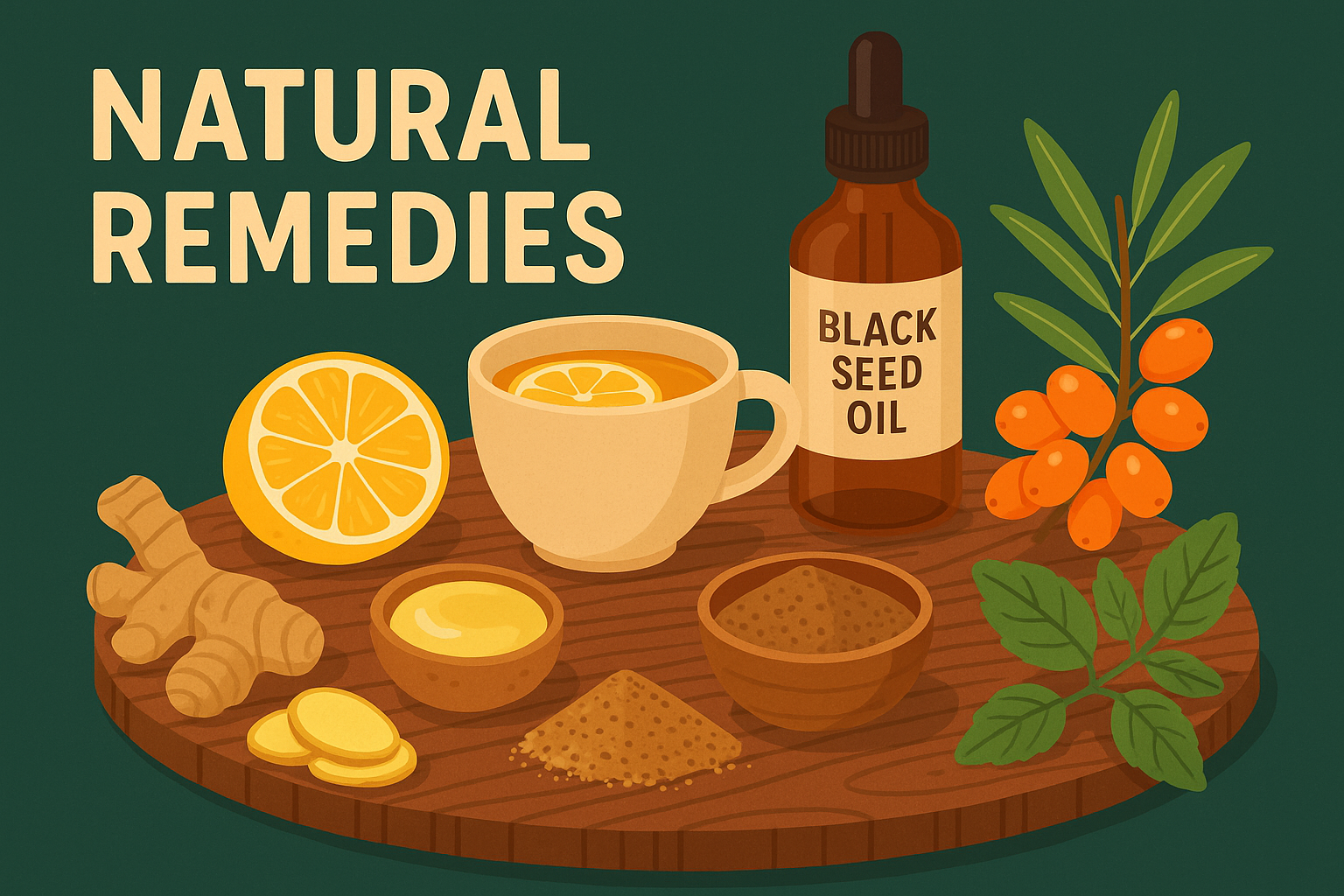
Introduction
In the evolving landscape of natural healthcare, a balanced approach that blends traditional wisdom and modern evidence offers powerful yet gentle support for overall well-being. This guide presents a selection of “mixed natural remedies”, a curated blend of herbs, essential oils, and spices chosen for their complementary effects on the body’s renewal, resilience, and natural detoxification.
Rotating and refreshing your use of natural remedies every few weeks helps stimulate the body’s adaptive systems, encouraging cellular repair and long-term vitality.
1. Respiratory Health and Cough Relief
Honey and Lemon Elixir
Ingredients:
1 tablespoon raw (natural) honey
Juice of ½ fresh lemon
8 oz warm (not boiling) water
How it works: Honey soothes irritated airways, while lemon provides vitamin C and mild antimicrobial action.
Dosage: 2–3 cups daily for up to one week during acute cough episodes, with 1–2 days of rest before resuming if needed.
Herbal Teas for Respiratory Support
Ginger Tea: Reduces throat irritation and inflammation. (1 cup, twice daily)
Peppermint Tea: Menthol opens airways and relieves congestion. (1 cup daily)
Thyme Tea: Contains thymol, powerful against respiratory microbes. (1 cup, 2–3 times weekly)
Eucalyptus Tea: Helps break down mucus; best for productive coughs.
Tulsi (Holy Basil): An expectorant and immune-modulator. (1 cup twice daily)
2. Immune System Support and Body Renewal
Daily and Weekly Refresh Plan
Alternate between immune-boosting herbs weekly to keep the body responsive:
Week 1: Black seed oil + ginger tea
Week 2: Sea buckthorn oil + tulsi tea
Week 3: Cumin and honey blend
Pause: Take 2–3 days off every third week to allow metabolic balance.
Core Immune Nutrients and Their Functions
Vitamin C: Lemon, sea buckthorn; Supports white blood cells and acts as an antioxidant.
Vitamin D: Sea buckthorn, sunlight; Regulates the immune system and promotes bone health.
Zinc: Black seed oil (Nigella sativa), cumin; Provides antiviral effects and aids in wound healing.
Selenium: Sea buckthorn, black seed; Supports thyroid function and offers oxidative protection.
Vitamin B6 (Pyridoxine): Ground cumin; Essential for the nervous system and neurotransmitter production.
Iron: Cumin, sea buckthorn; Supports oxygen transport and energy production.
Black Seed (Nigella sativa) Oil
Main compounds: Thymoquinone, nigellone, zinc, selenium
Function: Regulates immune response, reduces inflammation, supports respiratory and skin health
Dosage: 1 tsp daily with meals; 5 days on, 2 days off
Ground Black Seed (Nigella sativa)
In addition to black seed oil, ground black seed (also known as Nigella sativa powder) offers a potent yet balanced form of natural support. When the seeds are freshly ground, they retain their essential oils, vitamins, and minerals such as zinc, selenium, and B vitamins.
Benefits:
Supports respiratory and digestive function
Enhances immune response and metabolic balance
Contains thymoquinone, a compound with strong antioxidant and anti-inflammatory effects
Provides vitamin B6 (pyridoxine) and magnesium, both crucial for nervous system stability and mental clarity
Suggested use: Take ¼ teaspoon of freshly ground black seed once or twice daily, preferably with honey or warm water, or a small pinch (⅛–¼ teaspoon) over salads, soups, or stews just before serving, or mix into yogurt, hummus, or olive oil dips for extra aroma and immune support.
Dosage: 10–14 days of use followed by a 3-day break helps maintain potency and avoid overuse.
Sea Buckthorn (Hippophae rhamnoides) Oil
Rich in: Vitamins A, C, E, K, D; omega 3-6-7-9 fatty acids
Function: Strengthens cell membranes, promotes skin and heart health
Dosage: 1–2 tsp daily for 2 weeks, followed by a 3-day rest
3. Cumin: The Spice of Energy and Mental Focus
Ground Cumin (Cuminum cyminum)
Cumin is more than a culinary spice; it’s a gentle neurotonic, stimulating mental clarity and supporting the nervous system.
Bioactive compounds: Iron, manganese, pyridoxine (B6), riboflavin (B2)
Pyridoxine (B6): Vital for nerve cell communication and serotonin synthesis
Manganese and iron: Boost oxygen delivery to brain cells
How to use:
Daily: ½ tsp ground cumin in meals or tea (once or twice a day)
Weekly pattern: 5 days use, 2 days rest
Traditional use: Enhances memory, focus, and digestion.
White Cumin (Jeera Safed)
White cumin (a lighter variety of Cuminum cyminum) is milder in flavor but rich in magnesium, phosphorus, calcium, and B vitamins.
Benefits:
Strengthens the nervous and muscular systems
Improves digestive enzyme secretion
Helps maintain stable blood pressure and calm alertness
Suggested use: Add ½ tsp ground white cumin to soups or yogurt daily for 1 week; take a 2-day break before repeating.
4. Nervous System and Cognitive Health
Tulsi (Holy Basil) Tea
An adaptogenic herb that stabilizes stress hormones (cortisol) and promotes mental clarity.
Dosage: 1 cup morning and evening for 10 days, followed by a 3-day break.
Cumin and Honey Tonic
Combine ½ tsp ground cumin with 1 tsp raw honey.
Purpose: Enhances circulation to the brain and supports neurotransmitter balance.
Use: Once daily in the morning for 7 days; rest 2 days.
Sea Buckthorn Oil for Brain Renewal
Omega-3 and vitamin E protect neurons against oxidative stress and maintain membrane integrity.
Use: 1 tsp daily for 14 days, pause 5 days.
5. Fever and Headache Relief (Gentle Natural Support)
Apple Cider Vinegar Compress: 1 part vinegar: 4 parts cool water. Apply to the forehead for 10–15 minutes.
Peppermint or Ginger Tea: 1 cup up to 3 times daily during fever.
Caution: Seek medical help for fevers > 38.4 °C or persistent headache.
6. Best Practices for Safe Use
Rotate herbs every 2–3 weeks to maintain sensitivity and prevent overexposure.
Use organic, cold-pressed oils and freshly ground spices to preserve nutrients.
Store oils in dark glass bottles away from sunlight.
Take short breaks between cycles to allow the body’s natural systems to reset.
Special Tips: Synergistic Natural Combinations
Combining certain herbs and spices enhances their bioactive potential, providing gentle, preventive support for the body. These blends can be used both for wellness maintenance and as supportive therapy during recovery or seasonal fatigue.
1. Ground Cumin + White Cumin
Sprinkle equal parts of both (about ¼ teaspoon total) over cooked vegetables, soups, or rice.
This combination balances digestion, strengthens the nervous system, and supports mental focus.
White cumin softens the stronger, peppery tone of dark cumin, creating a pleasant aroma and smoother taste.
2. Ground Black Seed + Honey
Mix ¼ teaspoon ground black seed with 1 teaspoon raw honey. Take once daily in the morning on an empty stomach.
This blend supports respiratory health, strengthens immunity, and provides natural antioxidants for cell renewal.
3. Sea Buckthorn + Ginger Tea
Add 1 teaspoon sea buckthorn oil (or fresh berries) to a cup of warm ginger tea. Drink once daily.
This combination enhances circulation, supports the skin and brain, and provides a daily vitamin-rich tonic.
4. Black Seed Oil + Tulsi (Holy Basil) Tea
Take 1 teaspoon black seed oil with or after a cup of tulsi tea.
It calms inflammation, improves breathing, and balances the immune and nervous systems simultaneously.
5. Cumin + Lemon + Olive Oil Mix
Combine ½ teaspoon ground cumin, juice of half a lemon, and 1 teaspoon olive oil.
Use it as a dressing on salads or lentils three times a week.
This formula supports liver detoxification, digestion, and gentle daily renewal.
Usage Rhythm:
For preventive wellness, use one of these combinations daily and rotate every 5–7 days.
Take a 2–3 day break after each full week to allow the body to reset and maintain sensitivity to natural compounds.
Conclusion
Natural remedies, when used cyclically and thoughtfully, can refresh the body and sharpen the mind. Black seed oil strengthens immunity; sea buckthorn renews cells; cumin awakens clarity; tulsi calms the nerves. Together, they form a living dialogue between traditional wisdom and modern evidence, a path not to replace medicine, but to revitalize the body’s natural rhythm of healing and renewal.
Marshal
Herbs have been utilized for centuries as natural remedies, delivering remarkable health benefits. Among them, oregano (Origanum vulgare) and rosemary (Rosmarinus officinalis) stand out as two of the most potent herbs for boosting immunity, improving digestion, and enhancing overall well-being. But can they be combined in tea or meals? Absolutely! Not only are they safe to combine, but they also enhance each other’s medicinal properties.
In this article, we’ll explore the benefits of oregano and rosemary, how to use them together, and four additional powerful herbal blends that can strengthen the immune system and promote healing.
Oregano and Rosemary: The Perfect Herbal Pair
1. Oregano: The Natural Antibiotic
Oregano is a powerhouse of nutrients and compounds that combat infections and inflammation.
1. Rich in antioxidants (carvacrol, thymol, rosmarinic acid)
2. Has antibacterial and antiviral properties – effective against colds, flu, and respiratory infections
3. Supports digestion – reduces bloating, gas, and indigestion
4. Lowers blood pressure – supports heart health
5. Reduces inflammation – beneficial for arthritis and joint pain
2. Rosemary: The Brain Booster and Immune Protector
Rosemary is well known for enhancing memory, protecting against oxidative stress, and boosting circulation.
1. Enhances cognitive function – improves focus and memory
2. Protects the liver – aids in detoxification
3. Boosts the immune system – combats infections and supports respiratory health
4. Relieves stress and anxiety – has calming effects on the nervous system
5. Supports digestion – assists with bloating and acid reflux
How to Use Oregano and Rosemary Together
Oregano & Rosemary Tea Recipe
Drinking oregano and rosemary tea can provide immune support, aid digestion, and enhance mental clarity.
Ingredients
1 teaspoon dried oregano
1 teaspoon dried rosemary
1 cup hot water
Honey or lemon (optional)
Instructions
Add the herbs to a cup of hot water.
Cover and steep for 3 minutes.
Strain and enjoy warm.
This tea is beneficial during cold and flu season as it fights bacteria, clears congestion, and supports respiratory health.
Using Oregano and Rosemary in Cooking
Oregano and rosemary work wonderfully together in meals:
1. Perfect for meats – enhances the flavor of chicken, beef, and lamb
2. Great in soups and sauces – adds depth to tomato-based dishes
3. Tasty in bread and baked goods – works well in focaccia and savory biscuits
4 More Powerful Herbal Blends for Immunity and Healing
Besides oregano and rosemary, several other herbs work synergistically to enhance immune function and promote health. Here are four powerful herbal blends to try:
1. Ginger & Turmeric: The Ultimate Anti-Inflammatory Duo
This combination is excellent for reducing inflammation, easing digestion, and combating infections.
Ginger – Improves circulation, alleviates nausea, and fights colds
Turmeric – Rich in curcumin, a powerful anti-inflammatory compound
How to use:
Make ginger-turmeric tea by boiling fresh ginger slices and turmeric powder in hot water.
Add black pepper to enhance turmeric absorption.
2. Peppermint & Eucalyptus: The Respiratory Relief Blend
This duo is ideal for clearing congestion, reducing stress, and refreshing the body.
Peppermint – Aids with digestion, headaches, and sinus congestion
Eucalyptus – Opens airways and combats infections
How to use:
Inhale eucalyptus and peppermint steam for cold relief.
Drink peppermint-eucalyptus tea to soothe sore throats.
3. Chamomile & Lemon Balm: The Stress-Relieving Immunity Booster
This blend is perfect for calming the nervous system while supporting immune function.
Chamomile – Reduces stress, improves sleep, and alleviates inflammation
Lemon Balm – Boosts mood, eases anxiety and strengthens immunity
How to use:
Drink chamomile-lemon balm tea before bed for relaxation.
Use the tea as a skin tonic for its anti-inflammatory effects.
4. Thyme & Sage: The Antibacterial Defense Blend
This duo is known for fighting infections, soothing coughs, and promoting oral health.
Thyme – A natural expectorant that alleviates coughs and clears mucus
Sage – Enhances memory, combats bacteria, and improves throat health
How to use:
Make thyme-sage tea to alleviate colds and sore throats.
Gargle with thyme-sage infusion to prevent oral infections.
Conclusion: Boost Your Health with Herbal Power
Oregano and rosemary are an excellent herbal combination for immune support, digestion, and mental clarity. They offer countless health benefits when used in tea, cooking, or essential oils.
By incorporating other powerful herbal blends, such as ginger and turmeric, peppermint and eucalyptus, chamomile and lemon balm, and thyme and sage, you can naturally enhance your immune system and promote healing.
Marshal1) Types of Teas and Herbs
2) Prices and Place of Cultivation
3) Lists of disease treatments
4) Recommended non-risky daily doses
5) Taking breaks from drinking tea and herbs
6) Some additional teas and herbs
7) Teas and herbs that help fight worms
8) Teas and herbs against sexual arousal
Types of Teas and Herbs
Before we dive into the details, let's explore the various types of teas and herbs that grace our cups and kitchens:
1. Green Tea
Green tea, originating from China, is cherished worldwide for its numerous health benefits. It is rich in antioxidants, particularly catechins, which help boost metabolism and aid in weight loss. Green tea comes in many varieties, such as matcha, sencha, and jasmine.
2. Black Tea
Black tea, known for its robust flavor, is a staple in many cultures. Popular varieties include Assam, Darjeeling, and Earl Grey. It contains caffeine, providing an energy boost, and offers antioxidants that support heart health.
3. Herbal Tea
Herbal teas encompass a wide range of infusions, each with its unique flavor and health benefits. Chamomile soothes stress and aids sleep, while peppermint alleviates digestive issues. Other popular herbal teas include ginger, hibiscus, and rooibos.
4. White Tea
White tea is a delicate and lightly processed variety, known for its subtle flavor. It is rich in antioxidants and is believed to have anti-aging properties. White teas include Silver Needle and White Peony.
5. Oolong Tea
Oolong tea falls between green and black tea in terms of oxidation levels. It is favored for its complex flavor profile and potential metabolism-boosting properties. Examples include Tie Guan Yin and Da Hong Pao.
6. Pu-erh Tea
Pu-erh tea, hailing from Yunnan, China, is aged and fermented, which gives it a unique earthy flavor. It is believed to aid digestion, reduce cholesterol levels, and support weight loss.
7. Ayurvedic Herbs
Ayurvedic herbs, such as ashwagandha, tulsi (holy basil), and Triphala, have been used for centuries in traditional Indian medicine. They offer a wide range of health benefits, from stress reduction to immune system support.
Prices and Place of Cultivation
The price and place of cultivation of teas and herbs can vary significantly, depending on factors like rarity, quality, and geographical region.
1. Tea Prices
Tea prices can range from affordable to luxurious. Generally, the rarest and most exquisite teas come with a higher price tag. For example, high-quality matcha or aged pu-erh tea can be quite expensive. On the other hand, basic varieties of green, black, or herbal teas are readily available at affordable prices.
2. Tea Cultivation
Tea is grown in several countries across the world, with each region imparting unique flavors and characteristics to the tea leaves. Some of the notable tea-producing regions include:
China: Known as the birthplace of tea, China cultivates a wide variety of teas, including green, black, oolong, and white tea.
India: India is famous for its black teas like Assam and Darjeeling, along with a growing market for green and herbal teas.
Japan: Renowned for its matcha and sencha green teas, Japan has a distinct tea culture steeped in tradition.
Taiwan: Taiwan produces high-quality oolong teas, such as Tie Guan Yin and Dong Ding.
Sri Lanka (Ceylon): Ceylon tea is celebrated for its bold and brisk black tea varieties.
Kenya: Known for its robust black teas, Kenya is one of Africa's leading tea producers.
3. Herb Prices and Cultivation
The prices and places of cultivation of herbs can vary widely as well. Some herbs are grown in specific regions, while others thrive in various climates.
Chamomile: Chamomile is commonly grown in Europe, particularly in countries like Germany and Egypt. It is reasonably priced due to its widespread cultivation.
Ginger: Ginger is cultivated in tropical regions like India, China, and Jamaica. It is generally affordable and widely available.
Ashwagandha: This Ayurvedic herb is primarily grown in India, where it has been cultivated for centuries. Prices can vary depending on the quality and form (powder, capsules, etc.).
Hibiscus: Hibiscus is grown in various countries with warm climates, including Egypt, Sudan, and Mexico. It is moderately priced and used in herbal teas and as a flavoring agent.
Lists of disease treatments:
Green Tea
1. Weight Management: Green tea, particularly its active compound EGCG, may aid in weight loss by boosting metabolism and fat oxidation.
2. Heart Disease: Regular consumption of green tea may help reduce the risk of heart disease by improving cholesterol levels and promoting cardiovascular health.
3. Type 2 Diabetes: Green tea may assist in regulating blood sugar levels, which can benefit individuals with type 2 diabetes.
4. Cancer Prevention: Some studies suggest that the antioxidants in green tea may help prevent certain types of cancer, including breast, prostate, and colorectal cancer.
Oolong Tea
1. Weight Management: Oolong tea has been associated with weight management by increasing fat oxidation and potentially aiding in weight loss efforts.
2. Diabetes Management: Oolong tea may help regulate blood sugar levels, making it a potential complementary treatment for type 2 diabetes.
3. Heart Health: The consumption of oolong tea has been linked to improved heart health, including reduced risk factors for heart disease.
Pu-erh Tea
1. Digestive Health: Pu-erh tea is believed to aid digestion and promote gastrointestinal health, potentially helping with issues like indigestion and bloating.
2. Weight Management: Some studies suggest that pu-erh tea may assist in weight loss by enhancing fat metabolism and digestion.
3. Cholesterol Reduction: Regular consumption of pu-erh tea may help lower cholesterol levels, which can benefit heart health.
Chamomile
1. Stress and Anxiety: Chamomile is well-known for its calming properties and is often used to reduce stress and anxiety.
2. Sleep Disorders: Chamomile tea can improve sleep quality and help with insomnia or sleep disturbances.
3. Digestive Disorders: It may alleviate gastrointestinal issues such as indigestion, bloating, and irritable bowel syndrome (IBS).
4. Skin Conditions: Topical application of chamomile may help soothe skin conditions like eczema and psoriasis.
Peppermint
1. Digestive Disorders: Peppermint tea is effective in relieving digestive problems, including indigestion, bloating, and irritable bowel syndrome (IBS).
2. Headaches and Migraines: The menthol in peppermint can help alleviate headaches and migraines when used as a topical oil or tea.
3. Respiratory Conditions: Peppermint tea may provide relief from respiratory issues like congestion and sinusitis.
Ashwagandha
1. Stress Management: Ashwagandha is an adaptogenic herb known for its stress-reducing properties and its ability to support the adrenal glands.
2. Anxiety and Depression: It may help reduce symptoms of anxiety and depression by promoting a sense of calm and well-being.
3. Cognitive Function: Ashwagandha can enhance cognitive function, memory, and concentration.
4. Immune Support: It may strengthen the immune system, helping the body defend against infections and illnesses.
Tulsi (Holy Basil)
1. Stress Reduction: Tulsi is an adaptogenic herb that helps the body adapt to stress and reduce its harmful effects.
2. Respiratory Health: It may assist in managing respiratory conditions like asthma and bronchitis.
3. Immune Support: Tulsi can enhance immune function and aid in fighting infections.
4. Diabetes Management: Some studies suggest that tulsi may help regulate blood sugar levels in individuals with diabetes.
Recommended non-risky daily doses for each of the teas and herbs mentioned:
Green Tea
Tea Bags or Loose Leaves: 2-3 cups per day (providing approximately 200-300 mg of catechins)
Matcha Green Tea: 1-2 cups per day (providing about 70-140 mg of EGCG)
Oolong Tea
Tea Bags or Loose Leaves: 2-3 cups per day (standard serving size, approximately 200-300 mg of tea polyphenols)
Pu-erh Tea
Tea Bags or Loose Leaves: 2-3 cups per day (standard serving size, approximately 200-300 mg of tea polyphenols)
Chamomile
Dried Flowers: 1-4 cups per day (using 1-2 teaspoons of dried chamomile flowers per cup)
Peppermint
Dried Leaves: 1-2 cups per day (using 1-2 teaspoons of dried peppermint leaves per cup)
Ashwagandha
Powder: 300-500 mg of ashwagandha root extract, 1-2 times per day
Capsules: Follow the manufacturer's recommended dosage, typically 1-2 capsules daily
Tulsi (Holy Basil)
Dried Leaves: 1-2 cups per day (using 1-2 teaspoons of dried tulsi leaves per cup)
Tulsi Extract or Tincture: Follow the manufacturer's recommended dosage, typically 1-2 mL per day
Please note the following important considerations:
These recommended doses are general guidelines and can vary based on factors such as individual tolerance, specific health goals, and the concentration of active compounds in the product.
If you are pregnant, nursing, or have underlying health conditions or concerns, it's essential to consult with a healthcare professional before incorporating these teas and herbs into your daily routine.
Be cautious about potential interactions with medications or existing health conditions. Some teas and herbs may interact with certain drugs or exacerbate specific medical conditions, so seek professional guidance if you have any doubts.
Taking breaks from drinking tea and herbs is generally not necessary for most people when consumed in moderation and as part of a balanced diet. However, there are a few considerations to keep in mind:
1. Caffeinated Teas: If you regularly consume caffeinated teas like green tea or black tea, it's a good idea to be mindful of your overall caffeine intake. Excessive caffeine consumption can lead to issues like insomnia, restlessness, and increased heart rate. If you notice any adverse effects, consider reducing your caffeine intake or switching to caffeine-free herbal teas for a period.
2. Herbs with Specific Effects: Some herbs, like medicinal herbs used for specific purposes or under the guidance of an herbalist, may be recommended for short-term use or in cycles. For example, adaptogenic herbs like ashwagandha and rhodiola may be used for a few weeks to help the body adapt to stress, followed by a break.
3. Variety and Balance: To maximize the benefits of different teas and herbs, you can rotate them in your daily routine. This not only prevents potential overconsumption of specific compounds but also provides a wider range of nutrients and phytochemicals.
4. Individual Tolerance: Everyone's body responds differently to substances, including teas and herbs. If you notice any adverse effects or discomfort, it's essential to listen to your body and adjust your consumption accordingly. If you have any underlying health conditions or concerns, consult with a healthcare professional.
5. Tea and Herb Quality: The quality of teas and herbs can vary. Choosing high-quality products from reputable sources can ensure that you are getting the intended benefits without unwanted contaminants. Poor-quality products may necessitate breaks to avoid potential issues.
In summary, while breaks from consuming teas and herbs are not usually required, it's essential to consume them in moderation, be aware of individual tolerance, and consider your overall health and well-being. If you have specific concerns or questions about the consumption of teas and herbs, it's advisable to seek guidance from a healthcare professional or herbalist who can provide personalized recommendations.
Let's explore some additional teas and herbs:
Fruit Teas
Fruit teas, often referred to as herbal fruit infusions, offer a delightful burst of flavor and a variety of potential health benefits. These teas are typically caffeine-free and are made from a blend of dried fruits, herbs, and spices. Some popular fruit teas include:
1. Hibiscus Tea
Flavor: Tart and tangy with a deep red color.
Benefits: Rich in antioxidants, hibiscus tea may help lower blood pressure, improve heart health, and boost the immune system.
2. Berry Infusions
Flavor: A medley of berry flavors, including strawberry, raspberry, and blueberry.
Benefits: Berry teas are packed with antioxidants, vitamins, and minerals, offering immune support and potential anti-inflammatory properties.
3. Lemon Ginger Tea
Flavor: Zesty and invigorating with the warmth of ginger.
Benefits: Lemon ginger tea is known for its digestive benefits and its ability to soothe nausea and promote overall well-being.
4. Apple Cinnamon Tea
Flavor: Sweet and spicy, reminiscent of apple pie.
Benefits: This tea is often enjoyed for its cozy, comforting flavor and potential digestive benefits.
Thyme
Thyme is an aromatic herb known for its culinary uses, but it also offers various health benefits when brewed as tea:
Thyme Tea
Flavor: Earthy and slightly minty.
Benefits: Thyme tea is rich in antioxidants and may help soothe coughs, sore throats, and respiratory issues. It's also believed to have antibacterial properties.
Rose Jam Tea
Making tea using rose jam is a delightful way to infuse your daily routine with the delicate aroma and flavor of roses. Here's how to prepare it:
Ingredients:
- 1 teaspoon of rose jam
- 1 cup of hot water
Instructions:
1. Place the rose jam in a teacup.
2. Pour hot water over the rose jam.
3. Stir until the rose jam dissolves.
4. Allow it to steep for a few minutes to infuse the flavor.
5. Enjoy your rose jam tea.
Tips for Enjoying Herbal Teas and Supplements
1. Experiment with Blends: Mix and match different herbal teas to create unique flavor profiles. For example, try blending chamomile and lavender for a calming bedtime tea or mixing mint and lemon for a refreshing summer infusion.
2. Iced Teas: Herbal teas can be served hot or cold. Experiment with iced versions by steeping the tea, allowing it to cool, and serving it over ice with a slice of lemon or a sprig of fresh mint.
3. Sweeteners: If you prefer a touch of sweetness, consider adding natural sweeteners like honey or agave syrup to your herbal teas. Be mindful of portion sizes to keep the added sugar in check.
4. Herbal Supplements: Some herbs, like echinacea for immune support or valerian for sleep, are available in supplement forms like capsules or tinctures. Follow the recommended dosage on the product label and consult with a healthcare professional if needed.
5. Herbal Infused Water: Apart from traditional teas, you can infuse water with herbs and fruits for a refreshing, low-calorie beverage. Try cucumber and mint or lemon and basil for a twist on hydration.
Incorporating a variety of herbal teas and supplements into your daily routine can not only provide potential health benefits but also add a delightful sensory experience to your day. Experiment with different flavors and blends to discover your favorites and enjoy the holistic benefits of these natural infusions.
Certain teas and herbs have been traditionally used to help combat intestinal parasites, including worms. Here are some herbs and teas that have been associated with potential anti-parasitic properties:
1. Wormwood (Artemisia absinthium)
Wormwood is a bitter herb known for its potential anti-parasitic properties. It contains a compound called artemisinin, which may help combat certain types of parasites. Wormwood is often used in combination with other herbs for effectiveness.
Wormwood Tea
- Ingredients: Dried wormwood leaves
- Preparation: Steep 1-2 teaspoons of dried wormwood leaves in hot water for 10-15 minutes.
- Usage: Drink wormwood tea once a day for a limited period (usually no more than a week or as directed by an herbalist).
2. Black Walnut (Juglans nigra)
Black Walnut is believed to have anti-parasitic properties, particularly against intestinal parasites like tapeworms and pinworms. It contains compounds like juglone, which may help eliminate parasites.
Black Walnut Tincture
- Ingredients: Black walnut tincture (available at health food stores)
- Usage: Follow the dosage instructions on the product label, as tincture strengths can vary. Typically, a few drops are taken in water daily for a limited duration.
3. Garlic (Allium sativum)
Garlic is known for its antimicrobial properties and has been used traditionally to combat various infections, including parasites. Allicin, a compound found in garlic, is believed to have anti-parasitic effects.
Garlic Consumption
- Usage: Include raw or cooked garlic in your diet regularly, or take garlic supplements as directed by a healthcare provider. Some people also use garlic enemas for parasite cleansing, but this should be done under professional guidance.
4. Cloves (Syzygium aromaticum)
Cloves contain compounds like eugenol that have demonstrated anti-parasitic activity. Cloves are often used in combination with other herbs to create anti-parasitic remedies.
Clove Tea
- Ingredients: Ground cloves or whole cloves
- Preparation: Steep 1-2 teaspoons of ground cloves or a few whole cloves in hot water for 10-15 minutes.
- Usage: Drink clove tea once a day for a limited duration (usually no more than a week or as directed by an herbalist).
5. Pumpkin Seeds (Cucurbita pepo)
Pumpkin Seeds are believed to have anthelmintic properties, which means they may help expel intestinal parasites. They are often used in traditional remedies.
Pumpkin Seed Consumption
- Usage: Consume raw pumpkin seeds or pumpkin seed oil regularly. Some people grind pumpkin seeds and mix them with honey for a tasty and potentially anti-parasitic snack.
Important Considerations
- Consult a Healthcare Professional: If you suspect a worm infestation or parasite infection, it's crucial to seek medical advice. A healthcare provider can diagnose the specific type of parasite and recommend appropriate treatment, which may include prescription medications.
- Safety and Dosage: Some of these herbs and remedies can have side effects or interactions with medications, so it's essential to use them under professional guidance and in moderation.
- Preventative Measures: Practicing good hygiene, washing hands thoroughly before eating, and ensuring food safety can help reduce the risk of parasite infections.
- Dietary Fiber: A diet rich in fiber can help maintain healthy digestion and potentially reduce the risk of intestinal parasites.
- Holistic Health: While these herbs and teas have been used traditionally for parasite cleansing, they should be considered as part of a holistic approach to health and not a standalone treatment.
Always prioritize your health and well-being by consulting with a healthcare professional for a proper diagnosis and guidance on the use of herbs and teas for addressing health concerns.
Reducing sexual arousal is a complex and sensitive topic, and it's important to approach it with caution and consideration for individual needs and circumstances. While some herbs and teas have been associated with potential effects on reducing sexual arousal, it's crucial to understand that the impact of these remedies can vary from person to person. Additionally, it's essential to consult with a healthcare provider before using herbs or teas for this purpose, as they can guide safe and appropriate approaches. Here are some herbs and teas that have been traditionally linked to potential effects on reducing sexual arousal:
1. Peppermint (Mentha piperita)
Peppermint is known for its refreshing and cooling properties, and it has been suggested that it may have a calming effect on sexual desire.
Peppermint Tea:
- Ingredients: Dried peppermint leaves
- Preparation: Steep 1-2 teaspoons of dried peppermint leaves in hot water for 5-10 minutes.
- Usage: Peppermint tea can be consumed occasionally, but it should not be overused.
2. Lemon Balm (Melissa officinalis)
Lemon balm is an herb from the mint family that is known for its calming and soothing properties. Some people use it to relax and reduce anxiety, which can indirectly affect sexual arousal.
Lemon Balm Tea:
- Ingredients: Dried lemon balm leaves
- Preparation: Steep 1-2 teaspoons of dried lemon balm leaves in hot water for 5-10 minutes.
- Usage: Lemon balm tea can be consumed as needed to promote relaxation, but it should not be overused.
3. Chasteberry (Vitex agnus-castus)
Chasteberry, also known as Vitex, is an herb that has been traditionally used to balance hormones. It is sometimes used to alleviate symptoms of hypersexuality.
Chasteberry Tea:
- Ingredients: Dried chaste berry (Vitex) fruit
- Preparation: Steep 1-2 teaspoons of dried chasteberry fruit in hot water for 10-15 minutes.
- Usage: Chasteberry tea should be used under the guidance of a healthcare provider due to its potential hormonal effects.
Important Considerations
- Consult a Healthcare Provider: Reducing sexual arousal may involve complex psychological and emotional factors. It's crucial to consult with a healthcare provider or mental health professional for guidance, especially if you are experiencing distress related to sexual arousal.
- Underlying Causes: Experiencing persistent changes in sexual arousal may be a sign of underlying physical or psychological conditions. A healthcare provider can help identify and address these causes.
- Holistic Approach: Addressing issues related to sexual arousal may involve a holistic approach that considers physical, emotional, and relational factors. Open communication with a partner and counseling or therapy may be beneficial.
- Safety: While herbal teas like peppermint and lemon balm are generally considered safe, some individuals may be sensitive or allergic to certain herbs. It's important to start with small amounts and discontinue use if you experience any adverse effects.
- Individual Variation: The effects of herbs and teas on sexual arousal can vary widely among individuals. What works for one person may not have the same effect on another.
Please remember that addressing concerns related to sexual arousal should be done in consultation with a healthcare provider or mental health professional who can provide personalized guidance and support. These professionals can help identify underlying causes and provide appropriate interventions and treatments if needed.
Tag Search

Ads
SubMeet


Ads

Rose

