
Ivan 's blog
Let’s explore 12 essential organs, 6 vital biological substances, and the fascinating connection between the heart and the brain. For each organ and substance, we will suggest one fruit or vegetable as part of a healthy diet, making the information easier to remember without becoming overwhelmed by too many details.
🫀 12 Essential Organs
🧠 1. Brain
The brain controls thinking, memory, movement, emotions, and sensory perception.
🫐 Nutritional support: blueberries.
❤️ 2. Heart
The heart pumps blood throughout the body, delivering oxygen and nutrients to tissues.
🍎 Nutritional support: pomegranate.
🫁 3. Lungs
The lungs enable the exchange of oxygen and carbon dioxide, helping supply the body with the oxygen it needs.
🍏 Nutritional support: apples.
🧪 4. Liver
The liver processes nutrients, produces bile, participates in metabolism, and helps transform and eliminate many substances from the body.
🥬 Nutritional support: beetroot.
🫘 5. Kidneys
The kidneys filter the blood, regulate fluid and electrolyte balance, and help control blood pressure.
🍒 Nutritional support: cranberries.
🥣 6. Stomach
With the help of stomach acid and digestive enzymes, the stomach processes food and begins the digestion of proteins.
🥬 Nutritional support: cabbage.
🌿 7. Intestines
The intestines absorb nutrients and water, support the gut microbiome, and help eliminate undigested waste.
🍌 Nutritional support: bananas.
🩸 8. Pancreas
The pancreas produces digestive enzymes and hormones, including insulin, which helps regulate blood glucose levels.
🥗 Nutritional support: spinach.
🛡️ 9. Spleen
The spleen filters the blood, removes old blood cells, and plays an important role in immune defense.
🍠 Nutritional support: sweet potatoes.
⚡ 10. Adrenal Glands
The adrenal glands produce hormones such as cortisol and adrenaline, which help regulate the body's response to stress and support other essential functions.
🥑 Nutritional support: avocados.
🦋 11. Thyroid Gland
The thyroid gland produces hormones that regulate metabolism, energy use, and body temperature.
🧄 Nutritional support: garlic.
✨ 12. Skin
The skin is the body's largest organ. It protects us from external influences, helps regulate body temperature, and provides sensory information.
🍅 Nutritional support: tomatoes.
💧 Six Vital Biological Substances
These six biological substances and tissues contribute to the transport of materials, the maintenance of internal balance, and the body's essential functions.
🩸 1. Blood
Blood transports oxygen, nutrients, hormones, and metabolic waste products throughout the body.
🍇 Nutritional support: grapes.
🦴 2. Bone Marrow
Bone marrow is a tissue found inside many bones. It produces red blood cells, white blood cells, and platelets.
🥦 Nutritional support: broccoli.
💚 3. Lymph
Lymph transports immune cells and helps return excess fluid from body tissues to the bloodstream.
🍋 Nutritional support: lemons.
🧠 4. Cerebrospinal Fluid
Cerebrospinal fluid surrounds the brain and spinal cord, cushions them against mechanical impact, and supports the normal functioning of the central nervous system.
🍉 Nutritional support: watermelon.
📨 5. Hormones
Hormones are chemical messengers that regulate metabolism, growth, reproduction, sleep, and many other biological processes.
🥕 Nutritional support: carrots.
💧 6. Interstitial Fluid
Interstitial fluid surrounds the body's tissue cells and enables the exchange of nutrients, oxygen, and metabolic waste products.
🥒 Nutritional support: cucumbers.
🌱 The main idea: Human health depends on the cooperation of many body systems, not on a single food or individual organ.
🤝 The Connection Between the Heart and the Brain
The heart has its own network of nerve cells, known as the intrinsic cardiac nervous system. This network regulates heart function and communicates with the brain. For this reason, the heart is sometimes called the “second brain.”
🧠 Approximately 40,000 neurons. These neurons process sensory signals and help regulate cardiac activity.
🔄 Two-way communication. The heart and brain constantly exchange signals. Signals traveling from the heart to the brain can influence brain functions.
⚡ Some popular accounts claim that the heart's electrical field is approximately 60 times stronger than the brain's and that its magnetic field is up to 5,000 times stronger. They also suggest the heart's field can extend beyond the body, potentially reaching 1.5 to 2 meters, and can be detected with specialized equipment.
❤️ A deeper insight: The heart and brain are not competitors. They are essential parts of one biological system, and their interaction influences our physical and emotional state.
🌟 Conclusion: Small Habits, An Extraordinary Body
The human body is an extraordinary system of organs, tissues, fluids, and signals. Its health depends on the cooperation of these systems, a balanced diet, regular physical activity, and sufficient sleep.
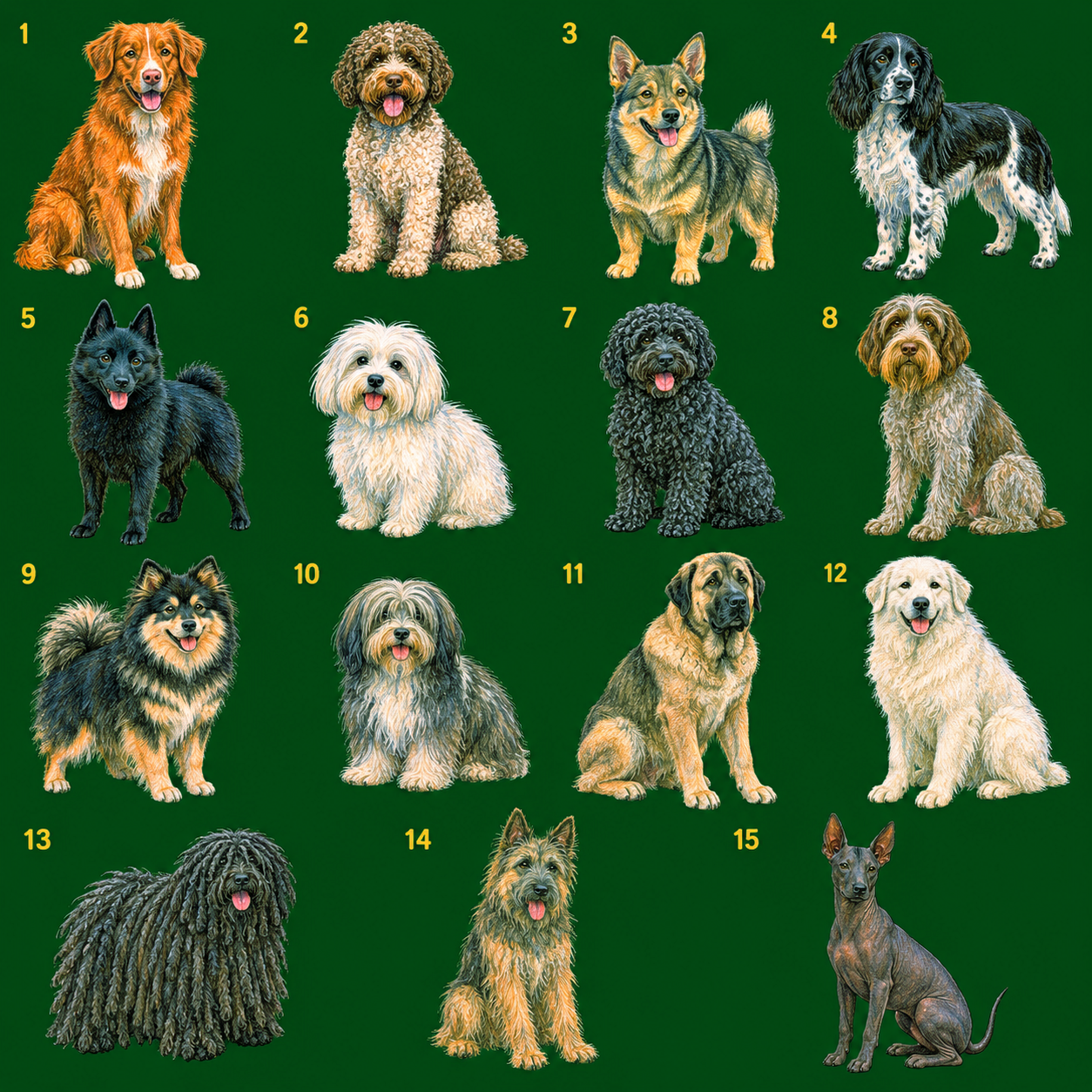
In this article, we will get acquainted with 15 interesting dog breeds, and talk about their suitability for different lifestyles, care requirements, physical activity, possible challenges, and approximate prices. At the end, we will also discuss how to choose a healthy, genuinely purebred dog. 🐶
1. Nova Scotia Duck Tolling Retriever
Approximate price: $1,200–$2,500 USD
Temperament: playful, intelligent, energetic, and fond of water. This breed was developed to assist in hunting waterfowl.
Not suitable for: people who are away from home all day and can offer the dog only short walks.
2. Lagotto Romagnolo
Approximate price: €1,500–€2,800
Temperament: intelligent, curious, hardworking, and eager to learn. This breed is known for its ability to search for truffles.
Suitable for: people who love nature, scent games, and mental activities with their dog.
Not suitable for: people who want a dog that requires absolutely no grooming.
3. Swedish Vallhund
Approximate price: €1,000–€2,000
Temperament: energetic, intelligent, attentive, and hardworking. Despite its small size, this breed has the energy characteristic of a herding dog.
Suitable for: active families, people who enjoy walks, and those who want a small but resilient dog.
Not suitable for: people who want a quiet apartment dog with minimal activity requirements.
4. Stabyhoun
Approximate price: €1,200–€2,000
Temperament: loyal, attentive, usually calm at home, but active outdoors.
Suitable for: families who love nature, long walks, and outdoor recreation.
Not suitable for: people who want the dog to spend most of its time sitting in the yard without activities.
5. Schipperke
Approximate price: €900–€1,800
Temperament: small, energetic, confident, and alert. It often behaves as if it were a much larger dog.
Suitable for: people who live in small apartments but are ready to spend regular time engaging with their dog.
Not suitable for: people who want a calm, unobtrusive, and quiet dog.
6. Coton de Tulear
Approximate price: €1,200–€2,500
Temperament: friendly, playful, affectionate, and inclined to form a close bond with people. The historical homeland of the breed is Madagascar.
Suitable for: people living in apartments, couples, and families who want a small companion dog.
Not suitable for: people who are frequently away from home or do not want to take care of the coat.
7. Barbet
Approximate price: €1,200–€2,200
Temperament: friendly, intelligent, fond of water, and hardworking.
Suitable for: active families and people who enjoy water activities.
Not suitable for: people who do not want to deal with coat care or prefer a dog that requires very little exercise.
8. Spinone Italiano
Approximate price: €1,200–€2,200
Temperament: patient, kind, gentle, and attached to its family.
Suitable for: families who want a large, friendly companion and can provide regular walks.
Not suitable for: people who have a very small apartment and cannot provide long walks.
9. Finnish Lapphund
Approximate price: €1,200–€2,000
Temperament: friendly, intelligent, sensitive, and usually well adapted as a family dog.
Suitable for: families, including those with children, as well as people living in cold climates.
Not suitable for: people who do not want to brush the dog regularly or have difficulty tolerating hair in the home.
10. Tibetan Terrier
Approximate price: $1,000–$2,000 USD
Temperament: intelligent, sensitive, attached to its family, and often cautious around strangers.
Suitable for: a single person, couple, or family that wants a medium sized companion with regular walks.
Not suitable for: people who want a dog requiring minimal care or who leave the animal alone for long hours.
11. Armenian Gampr
Approximate price: $200–$800 USD, if offered for sale
Temperament: powerful, independent, resilient, and possessing a pronounced instinct to protect its territory.
Suitable for: rural homes, people involved in livestock farming, and experienced owners with large properties.
Not suitable for: people living in small apartments, those with little time to spend with a dog, or people without experience managing large dogs.
When choosing a Gampr, lineage, the temperament of the parents, health, and the reliability of the breeder are important. Give preference to responsible breeders who work with recognized specialists or organizations involved in preserving the breed.
12. Kuvasz
Approximate price: €1,000–€2,000
Temperament: loyal, independent, alert, and protective.
Suitable for: homes with large properties and experienced owners who understand the characteristics of guardian dogs.
Not suitable for: people who want a dog that immediately welcomes all guests in a friendly manner or who cannot provide a secure fence.
13. Puli
Approximate price: €1,000–€1,800
Temperament: energetic, intelligent, alert, and hardworking herding dog.
Suitable for: active families and people who want to teach their dog various tasks.
Not suitable for: people who do not want to maintain the coat or prefer a calm, less active dog.
14. Berger Picard
Approximate price: €1,300–€2,200
Temperament: hardworking, intelligent, active, and independent.
Suitable for: nature loving families and experienced owners who are ready for regular exercise and training.
Not suitable for: people with a sedentary lifestyle who want to limit the dog to only short walks.
15. Xoloitzcuintli (Xolo)
Approximate price: $1,500–$3,000 USD
Temperament: attentive, loyal, often calm, and attached to its family. Both hairless and short coated varieties are found, as well as several size varieties.
Suitable for: people who appreciate dogs with a unique appearance and are ready to pay special attention to skin care.
Not suitable for: people who want a dog whose skin requires almost no care or who cannot provide weather appropriate protection.
How to Choose the Right Breed and Avoid Buying a Mixed Breed
Start with your lifestyle. How much time do you have for walks? Do you have a yard, small children, or other animals? Are you ready to brush the dog regularly and pay veterinary expenses?
Check the pedigree documents. Ask whether the dog is registered with a recognized canine organization, for example, an FCI member national organization. Pedigree documents confirm registered ancestry, but by themselves they do not guarantee health or temperament.
Meet the puppy's mother and, if possible, the father. Observe their health, behavior, and attitude toward people. Also check the environment in which the puppies are being raised.
Ask for the parents' health examination results. The list depends on the breed. For some breeds, examinations of the hip and elbow joints, eyes, heart, or hereditary diseases are important.
Do not take a puppy at an excessively young age. In many countries, the usual minimum age is eight weeks, but local laws and the requirements of a particular breed or breeder may differ. Check that vaccination, parasite treatment, and veterinary records are available.
Beware of suspicious sellers. If a seller refuses to show the puppy's living conditions, does not provide documents, pressures you to make a payment, or constantly offers puppies that are immediately available without asking questions, it is better not to rush.
Consider a DNA test as an additional tool. Some tests can assess breed ancestry or certain hereditary risks, but they do not replace official pedigree documents or a veterinary examination.
💰 Also Remember the Long Term Costs
The cost of a dog is not limited to the purchase price. Over the years, you will need to pay for food, vaccinations, preventive treatment, supplies, training, and sometimes professional grooming or expensive medical treatment.
A low price does not always mean there is a problem, just as a high price does not guarantee a healthy dog. What matters are the documents, health examinations, the condition of the parents, and the breeder's responsibility.
Final Thought
The best dog does not necessarily have to be the most popular, the most expensive, or the most beautiful. It is the dog whose physical, mental, and social needs correspond to your actual capabilities.
In the final book of the Holy Book, a striking vision appears before the heavenly throne: seven burning lamps, explicitly identified as the seven Spirits of God. Yet the Holy Spirit is one. Why, then, is the Spirit described through the number seven?
The answer is not that God is divided into seven separate spirits. Rather, the biblical tradition presents the one Holy Spirit through a sevenfold pattern of divine operation. This pattern appears in prophetic literature, develops through historical narratives, and reaches its fullest symbolic expression in Revelation.
The Sevenfold Foundation
Isaiah 11:2 lays the foundation, where the Spirit rests upon the righteous Branch from the root of Jesse. In the ancient Greek translation, the passage presents a structured sevenfold description:
1. Wisdom, the ability to perceive divine reality and eternal truth.
2. Understanding, the capacity to discern and interpret what is revealed.
3. Counsel, the wisdom to make righteous decisions and provide direction.
4. Might, the strength required to accomplish divine purpose.
5. Knowledge, an intimate awareness of divine truth.
6. Godliness, sincere devotion expressed through faithful living.
7. Fear of the Lord, reverence and awe that keep the human heart rooted in humility before God.
These are not seven separate spirits. They are seven dimensions through which the one Spirit operates. Together they form a complete spiritual pattern.
Why Do Other Spiritual Manifestations Appear?
The wider biblical narrative introduces additional manifestations. Bezalel, for example, is filled with the Spirit of God for artistic craftsmanship and the construction of the Tabernacle. Prophecy appears repeatedly as a manifestation of divine inspiration. Samson receives extraordinary strength and courage.
At first glance, this seems to create a numerical problem. If Scripture describes artistic skill, prophecy, courage, and other abilities, why does the prophetic and apocalyptic tradition emphasize seven?
The key is to distinguish foundational gifts from their practical manifestations.
Artistic craftsmanship does not necessarily represent an eighth gift. Exodus describes Bezalel as receiving wisdom, understanding, and knowledge for his work. His extraordinary craftsmanship can therefore be understood as these foundational gifts operating in a particular sphere.
Likewise, supernatural strength and heroic courage belong naturally to might. Physical strength, moral endurance, and courageous action can all express the same underlying spiritual capacity.
Prophecy, Power, and the Spirit in Joel and Micah
The prophetic books of Joel and Micah provide further evidence that the Spirit’s manifestations should not necessarily be counted as separate spiritual gifts. Joel describes a future outpouring of God’s Spirit upon all people, resulting in prophecy, visions, and dreams. The emphasis is not on a new category of spiritual power, but on the Spirit Himself becoming active through different forms of revelation. Micah offers an especially striking example: the prophet declares that he is filled with power, with the Spirit of the Lord, together with justice and might, in order to proclaim Israel’s sin. Here, prophetic proclamation, spiritual power, courage, and justice operate together as expressions of the Spirit’s activity rather than as unrelated gifts. These passages strengthen the idea that prophecy and supernatural power are practical manifestations of the Spirit’s deeper foundational dimensions.
Seven Roots, Many Expressions
The pattern can therefore be summarized as follows:
1. Wisdom expresses itself through creative and intellectual insight.
2. Understanding enables analysis, discernment, and practical mastery.
3. Counsel provides righteous direction and strategic guidance.
4. Might appears as strength, courage, endurance, and decisive action.
5. Knowledge supports revelation and understanding of divine truth.
6. Godliness produces devotion, worship, and faithful conduct.
7. Fear of the Lord preserves humility and reverence before God.
The apparent expansion is therefore not necessarily an expansion in the number of spiritual roots. It is the sevenfold Spirit expressing Himself through different circumstances and human capacities.
Grace Is Not an Eighth Gift
Another source of confusion is the word grace. Should grace itself be counted as another spiritual gift?
No. Grace is a broader category, not another item within the category.
The distinction is similar to the relationship between color and individual colors. Red, blue, and green are colors, but color itself is not another color added to the list.
In the same way, divine grace is the universal source and medium through which spiritual gifts operate. Wisdom, knowledge, might, counsel, and the other gifts are particular expressions of divine grace rather than additions to it.
This distinction helps explain why the biblical language can speak of many manifestations while retaining a coherent sevenfold structure.
Why Seven Spirits?
The Book of Revelation brings this pattern into its most powerful symbolic form. Seven lamps burn before the throne, and the vision identifies them as the seven Spirits of God. Elsewhere, seven eyes appear upon the Lamb.
The number seven in biblical symbolism frequently communicates completeness, fullness, and perfection. The image therefore need not imply seven independent spirits. It can signify the fullness of the one Spirit in His complete operation.
The picture is like white light passing through a prism. The light remains one, yet it appears through a complete spectrum of distinct colors. Similarly, the Holy Spirit is one, while His operation can be perceived through wisdom, understanding, counsel, might, knowledge, godliness, and fear of the Lord.
The sevenfold pattern therefore connects prophetic promise, historical manifestation, and apocalyptic vision, revealing a deeper unity beneath what may initially look like a scattered collection of supernatural abilities.
The Spirit is one. The manifestations are many. The sevenfold pattern expresses their fullness and reveals their shared source.
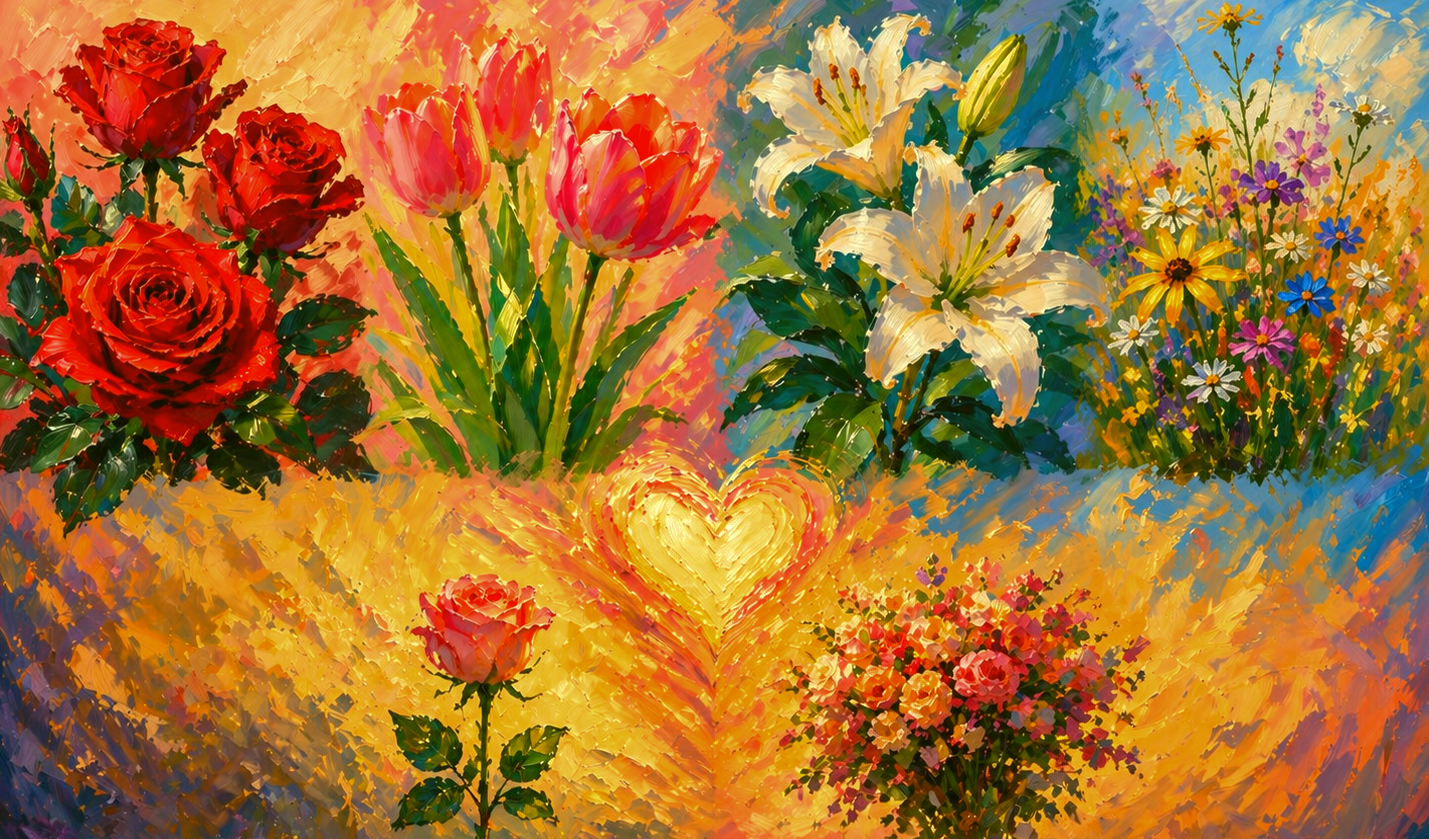
Take this romantic flower quiz and discover what your favorite bloom reveals about your personality, love style, and emotional energy.
Flowers speak a secret language of the heart. The blooms you love, the way you give or receive them, and even the number you prefer can paint a vivid picture of your soul. Answer these four enchanting questions without overthinking, just follow your instincts. Then scroll down and find your unique combination. We’ll describe your romantic personality with a special nod to whether your traits lean into classic masculine giver energy or feminine receiver magic, because flowers make no secret of who we are in love.
Question 1 🌸 Which of these four flowers does your heart choose? Roses, Tulips, Lilies, or Wildflowers.
Question 2 🌼 How many flowers feel right to you: a single stem (1) or a joyful handful (5–9 (or more))?
Question 3 💝 How do you connect with flowers most: receiving them, giving them, or collecting them? (Note: "Collecting" applies to Wildflowers only).
Question 4 🎁 And the thrill: do you crave surprise flowers or do you prefer expected, promised blooms?
Now locate your four answers below and discover your flower‑fueled personality style. Every path is written with a little whisper about whether you channel a more traditionally masculine giver aura or a feminine receiver glow, because in the garden of love, both energies bloom.
Find your combination below and read your result:
1. 🌹 Rose • 1 • Receiving • Surprise
2. 🌹 Rose • 1 • Receiving • Expected
3. 🌹 Rose • 1 • Giving • Surprise
4. 🌹 Rose • 1 • Giving • Expected
5. 🌹 Rose • 5–9 • Receiving • Surprise
6. 🌹 Rose • 5–9 • Receiving • Expected
7. 🌹 Rose • 5–9 • Giving • Surprise
8. 🌹 Rose • 5–9 • Giving • Expected
9. 🌷 Tulip • 1 • Receiving • Surprise
10. 🌷 Tulip • 1 • Receiving • Expected
11. 🌷 Tulip • 1 • Giving • Surprise
12. 🌷 Tulip • 1 • Giving • Expected
13. 🌷 Tulip • 5–9 • Receiving • Surprise
14. 🌷 Tulip • 5–9 • Receiving • Expected
15. 🌷 Tulip • 5–9 • Giving • Surprise
16. 🌷 Tulip • 5–9 • Giving • Expected
17. 🕊️ Lily • 1 • Receiving • Surprise
18. 🕊️ Lily • 1 • Receiving • Expected
19. 🕊️ Lily • 1 • Giving • Surprise
20. 🕊️ Lily • 1 • Giving • Expected
21. 🕊️ Lily • 5–9 • Receiving • Surprise
22. 🕊️ Lily • 5–9 • Receiving • Expected
23. 🕊️ Lily • 5–9 • Giving • Surprise
24. 🕊️ Lily • 5–9 • Giving • Expected
25. 🌸 Wildflowers • 1 • Receiving • Surprise
26. 🌸 Wildflowers • 1 • Receiving • Expected
27. 🌸 Wildflowers • 1 • Giving • Surprise
28. 🌸 Wildflowers • 1 • Giving • Expected
29. 🌸 Wildflowers • 1 • Collecting • Surprise
30. 🌸 Wildflowers • 1 • Collecting • Expected
31. 🌸 Wildflowers • 5–9 • Receiving • Surprise
32. 🌸 Wildflowers • 5–9 • Receiving • Expected
33. 🌸 Wildflowers • 5–9 • Giving • Surprise
34. 🌸 Wildflowers • 5–9 • Giving • Expected
35. 🌸 Wildflowers • 5–9 • Collecting • Surprise
36. 🌸 Wildflowers • 5–9 • Collecting • Expected
1. 🌹 Rose • 1 • Receiving • Surprise
You are an incurable romantic who believes in fairy‑tale moments. That one perfect rose arriving without warning makes your soul dance. You cherish deep, passionate connections and wear your heart elegantly on your sleeve. This profile often mirrors a classically feminine energy, receptive and enchanted by grand gestures, yet men who align here are tender hearted lovers who appreciate being courted by life’s poetry.
2. 🌹 Rose • 1 • Receiving • Expected
A single rose delivered with precise timing defines your romantic blueprint. You value tradition, milestones, and the serene certainty of a promised bloom. This profile radiates a regal, old-Hollywood grace in its expectation of devotion. Any man aligning here is a dignified romantic who views consistency as a sacred honor. You are loyal and composed, transforming every anniversary into a lasting vow of shared history.
3. 🌹 Rose • 1 • Giving • Surprise
You are the spontaneous romantic who lives to see eyes light up. Presenting a single perfect rose out of the blue is your signature. This energy leans distinctly masculine, the archetype of a thoughtful gentleman, yet many bold‑hearted women share this impulsive giver’s fire. You love intensely, lead with passion, and believe that the smallest surprise carries the weight of a thousand promises.
4. 🌹 Rose • 1 • Giving • Expected
You express love like clockwork wrapped in velvet. A single rose on a marked date is your silent poetry. There is a strong traditional masculine provider feel here, the man who never forgets, but women who adopt this style are queens of heartfelt consistency. You treasure reliability as the deepest form of romance, and your steady hand in love makes your partner feel endlessly chosen.
5. 🌹 Rose • 5–9 • Receiving • Surprise
A bouquet of roses crashing into an ordinary day makes you feel like the protagonist of a grand love story. You radiate warm, passionate femininity, embracing emotional abundance. Men with this combination enjoy being adored expansively, treasuring the dramatic beauty of unexpected lavishness. You are generous of spirit, believing love should roar, not whisper, and your heart holds an entire garden.
6. 🌹 Rose • 5–9 • Receiving • Expected
You adore the opulence of a promised rose bouquet; it affirms your worth and the solid architecture of your bond. This is a deeply feminine, queenly energy, celebrating being cherished on cue. Men who lean into this pattern are secure romantic kings who delight in receiving the bounty of a love well built. You trust in rituals that bloom yearly, and your heart opens like petals in measured sunlight.
7. 🌹 Rose • 5–9 • Giving • Surprise
Bold, passionate, a little dramatic: you are the surprise rose‑giver in full bloom. This is the quintessential masculine romantic hero energy, the man who sweeps his beloved off her feet, though any gender feels this impulse to stun with lavish crimson. You love in high definition, thrive on ecstatic reactions, and see a random Tuesday as a reason to make the world more beautiful.
8. 🌹 Rose • 5–9 • Giving • Expected
You stage romance with magnificent precision. A bouquet of roses on the expected day is your signature. Classic provider masculinity lives here, the gentleman who matches tradition with generosity, yet women who follow this path are masterful orchestrators of love’s calendar. Reliable, deeply honoring, you show devotion by never missing a floral milestone and wrapping certainty in petals.
9. 🌷 Tulip • 1 • Receiving • Surprise
A solo tulip arriving unannounced resonates with your vibrant and optimistic soul. You welcome delight with an open heart and infectious enthusiasm. There is a gentle, sunny joy in your receptivity, while men who choose this path are light-hearted lovers who thrive on life’s spontaneous sweetness. You remind the world that love is best when it is bright, weightless, and unexpected.
10. 🌷 Tulip • 1 • Receiving • Expected
You find profound comfort in minimalist faithfulness. That one tulip, predictably given, aligns with your orderly yet tender spirit. A soft feminine aura of contentment surrounds you. Men who choose this are devoted listeners who feel deeply seen by small, reliable gestures. You are the calm in love’s chaos, turning simple expected moments into elegant refrains of “I truly know you.”
11. 🌷 Tulip • 1 • Giving • Surprise
You are love’s spring breeze, delivering a single tulip without warning to brighten a soul. This lively giver energy feels youthfully masculine, the bright‑eyed romantic, yet spirited women own this impulse beautifully. You believe that a tiny unexpected joy can rewrite a whole day. Optimistic, spontaneous, and emotionally generous, you turn sidewalks into gardens.
12. 🌷 Tulip • 1 • Giving • Expected
You express affection through radiant consistency. A promised single tulip is your signature emblem of hope and unwavering focus. This style embodies a refined thoughtfulness, belonging to poised souls who nurture their bonds with steady, gentle kindness. You are the person who understands that spring always returns, ensuring your devotion is as punctual, true, and refreshing as the first bloom.
13. 🌷 Tulip • 5–9 • Receiving • Surprise
A surprise armful of tulips makes you squeal with pure, unfiltered delight. You carry an effervescent, youthful femininity that draws playful abundance. Men who resonate here are buoyant souls who receive love like a festival. You teach others that passion can be sunny and weightless, that a sudden big bunch of color is the universe saying “dance.”
14. 🌷 Tulip • 5–9 • Receiving • Expected
You greet the promised bouquet like a perennial celebration. There is a well‑tended garden of feminine patience and cheer in your heart. A man here appreciates the steady procession of brightness, honoring devotion that returns like spring. You embody joyful anticipation, and your love grows best when planted in the fertile soil of knowing what beautiful things are on their way.
15. 🌷 Tulip • 5–9 • Giving • Surprise
You are the effervescent soul who storms in with a generous clutch of bright tulips just because the sky looked blue. This is a spirited, somewhat boyish masculine giving, though women with this fire are beacons of spontaneous delight. You believe in love’s sudden blooms and turn ordinary days into personal holidays. Infectious, warm, and irrepressibly kind.
16. 🌷 Tulip • 5–9 • Giving • Expected
You arrange cheerfulness on a schedule, presenting a bundle of tulips with the punctuality of a sunbeam. That steady, bright provider energy often reads as a traditional masculine gift‑giver, yet a woman here is a radiant orchestrator of happily‑ever‑afters. You honor commitments with color, and your relationships thrive on the dependable joy you weave into every expected occasion.
17. 🕊️ Lily • 1 • Receiving • Surprise
One majestic lily arriving unexpectedly stirs your elegant and spiritual core. You are a seeker of refined mystery, and this profile exudes an ethereal grace. Men drawn to this flower are soulful connoisseurs of beauty, profoundly moved by sudden and sophisticated gestures. You intuitively feel that a single perfect bloom carries sacred messages from a love that transcends the ordinary world.
18. 🕊️ Lily • 1 • Receiving • Expected
The anticipated arrival of a single lily aligns with your serene, dignified spirit. There’s an almost priestess‑like feminine wisdom in your expectation of sacred ritual. A man in this space is a contemplative romantic who equates reliability with reverence. You value purity, order, and the quiet hush of a love that honors promises with the pristine beauty of a waiting bloom.
19. 🕊️ Lily • 1 • Giving • Surprise
You bestow a single lily on a sudden impulse, and in doing so, channel an ancient, almost chivalric masculine generosity. Women here move with an enchanting, thoughtful power; they gift epiphanies. You believe a lone elegant flower can speak what words cannot. Mysterious, poised, and deeply feeling, you turn a random moment into a soulful offering.
20. 🕊️ Lily • 1 • Giving • Expected
You are the keeper of sacred timelines, offering a single lily on the day it is most deeply felt. This conveys a noble masculine constancy, though any gender here is a guardian of meaning. You honor devotion with pristine ritual, creating quiet temples of trust. Your love language is hushed, profound, and as carefully arranged as the stamens of a promised bloom.
21. 🕊️ Lily • 5–9 • Receiving • Surprise
A surprise cascade of lilies overwhelms you with sacred awe. You possess an opulent yet graceful femininity that receives lavish beauty like a blessing. Men in this realm are open‑souled receivers who let unexpected splendor touch them deeply. You believe that true romance arrives like a sudden choir, filling the air with fragrance and meaning beyond the ordinary.
22. 🕊️ Lily • 5–9 • Receiving • Expected
You wait for a promised lily bouquet as if for a ceremony. Your heart beats with a refined, majestic femininity, and you find immense worth in foreseen abundance. Men here are dignified souls who measure love by the majesty of consistent tribute. You build your bond on the holy ground of “I will” made tangible, over and over.
23. 🕊️ Lily • 5–9 • Giving • Surprise
You sweep in with armfuls of lilies when the spirit moves you, a dramatic and soulful provider. This radiant masculine generosity stuns with its depth, yet women who give this way are enchantresses of emotion. You decorate reality with sudden significance, reminding everyone that love is a mystery best expressed in grand, fragrant, unanticipated gestures.
24. 🕊️ Lily • 5–9 • Giving • Expected
You prepare majestic lily bouquets like a guardian of devotion, honoring milestones with poetic predictability. This style channels a noble and tender ritualism, where love is treated as a sovereign, heart-crafted ceremony. Your relationship is a cathedral built on repeated and wondrous offerings. Your partner feels truly honored because you never fail to show up with fragrant reverence and unwavering loyalty.
25. 🌸 Wildflowers • 1 • Receiving • Surprise
A single stray wildflower appearing unexpectedly is your ultimate love letter from the cosmos. You are a free, untamed spirit with a bohemian feminine soul. Men who feel this way are gentle wanderers enchanted by life’s small, random graces. You reject formality and find perfection in the imperfect; you believe the best gifts grow by the roadside and arrive without warning.
26. 🌸 Wildflowers • 1 • Receiving • Expected
You treasure the humble loyalty of a promised wildflower. There is an earthy, grounded authenticity in your soul that seeks simple and reliable truth. Whether reflecting a nurturing spirit or a salt-of-the-earth romanticism, you value honest tokens of affection. You find profound depth in tiny, consistent gestures, and your heart is a sunlit meadow that thrives on the warmth of faithful, unpretentious devotion.
27. 🌸 Wildflowers • 1 • Giving • Surprise
You are the spontaneous wanderer who plucks a single wild bloom and gifts it impulsively, channeling a free‑spirited, slightly rugged masculine romance. Women with this trait are untamed muses scattering joy. You follow your instincts, love without a map, and believe that the most authentic gesture is one stolen from a sunlit field and offered with dusty, smiling hands.
28. 🌸 Wildflowers • 1 • Giving • Expected
You embody the dependable, outdoorsy provider who marks time with a single wildflower chosen with care. This holds a quietly steadfast masculine energy, the woodsman lover, yet women here are grounded priestesses of the expected gesture. You see nature’s simplicity as the ultimate devotion, and your promised stem is a rooted symbol that you will always come back.
29. 🌸 Wildflowers • 1 • Collecting • Surprise
You gather luck and wild beauty impulsively; a surprise single wildflower is a talisman you cherish. A whimsical, girl‑of‑the‑field femininity colors your world, while men in this realm are gentle collectors of chance. Your pockets and heart are full of found treasures. You live light, love fiercely, and interpret the entire earth as a secret admirer leaving little floral clues.
30. 🌸 Wildflowers • 1 • Collecting • Expected
You amass a gentle record of faithful wild tokens, each expected bud a testament to constancy. A nurturing, mother‑earth femininity thrives here, but male collectors with this pattern are the quiet sentinels of simple romance. You feel most loved when nature’s modesty is delivered on cue, proving that the wild can be tamed by promise and the heart can be home.
31. 🌸 Wildflowers • 5–9 • Receiving • Surprise
A wild, abundant bouquet bursting into your ordinary day sends your untamed heart soaring. You radiate a sun‑kissed, free feminine spirit that dances in spontaneous plenty. Men who receive this way are adventurous souls deeply grateful for life’s chaotic beauty. You celebrate the unstructured, the messy, the gloriously real, and your joy is as uncultivated and loud as a hillside in bloom.
32. 🌸 Wildflowers • 5–9 • Receiving • Expected
You welcome the promised wild multitude with open arms, a rooted earth goddess (or earth‑honoring king) who finds deep comfort in anticipated wildness. Feminine resilience and masculine groundedness weave together here. You know that even the meadow can keep a schedule, and the beauty you count on is as vast and reassuring as a field that returns every summer just for you.
33. 🌸 Wildflowers • 5–9 • Giving • Surprise
You are a wild romantic who showers your beloved with an impulsive, hand-picked armful of glorious blossoms. You embody the archetype of the free-spirited poet, loving in vivid colors far outside the lines. Your surprises carry the scent of earth and freedom, reflecting a fearless and unedited affection. You believe that the most powerful gift is one gathered from the heart of nature.
34. 🌸 Wildflowers • 5–9 • Giving • Expected
You turn expectation into an untamed ritual, presenting a promised bundle of wildflowers with the certainty of the seasons. A steady, nature‑bound masculine provider lives here, yet women on this path are sovereigns of rooted generosity. You believe that commitment can be as wild as a meadow and as reliable as the sunrise, crafting a love that is both free and faithfully predictable.
35. 🌸 Wildflowers • 5–9 • Collecting • Surprise
You amass unexpected cascades of wild beauty like a living, joyful collage. There is a playful, gypsy‑hearted femininity in your collecting, while men here are adventurous sentimentalists. You chase the thrill of the unexpected thicket, the armful that proves life is a generous, chaotic lover. Your personality is a vibrant, ever‑growing bouquet of spontaneous gratitude.
36. 🌸 Wildflowers • 5–9 • Collecting • Expected
You curate a life of grounded wonder, collecting anticipated wild clusters as a sacred harvest of fidelity. A serene, mother-earth femininity thrives here, while men act as steady masculine custodians of promises. You prove that wildness doesn’t exclude reliability; instead, profound freedom blooms in knowing the flowers will return. Your heart keeps a gentle, faithful ledger of love’s certain, untamed cycle.
Find the perfect baby name for 2026–2027. Explore our curated list of 200 names across 5 melodic languages, complete with original meanings and origins.
Every child deserves a name that carries beauty, meaning, and a timeless identity. Whether you are expecting your first child or searching for the perfect name for a new arrival, this guide brings together 200 hand-curated baby names drawn from five of the world's most melodic languages — selected specifically for the upcoming generation of children born in 2026 and 2027. Every single name here comes with its original meaning written in its native language, so you understand not just how a name sounds, but what it says about the soul who will carry it.
This guide is designed for couples, expectant parents, naming enthusiasts, linguists, and anyone who believes that a name is the first poem you write for your child.
✨ 200 Total Names
🌐 5 Languages
👦 100 Boys' Names
👧 100 Girls' Names
🔢 40 Per Language
🇬🇧 English Baby Names 2026–2027
🇫🇷 French Baby Names 2026–2027
🇮🇹 Italian Baby Names 2026–2027
🇪🇸 Spanish Baby Names 2026–2027
🇷🇺 Russian Baby Names 2026–2027
🇬🇧 ENGLISH NAMES 🇬🇧
👦 Boys' Names (20)
#1 Caspian 🌊 From the ancient Caspian Sea; evokes mystery and exploration
#2 Stellan 😌 Calm, peaceful (Norse origin)
#3 Rafferty 🍀 Prosperity wielder (Irish Gaelic)
#4 Leander 🦁 Lion-man; hero of Greek mythology
#5 Emrys ✨ Immortal, divine (Welsh); Merlin's secret name
#6 Alaric 👑 Ruler of all (Germanic)
#7 Theron 🏹 Hunter (Greek)
#8 Zephyr 💨 The west wind; gentle breeze (Greek)
#9 Callum 🕊️ Dove; symbol of peace (Scottish/Latin)
#10 Idris 🔥 Fiery lord (Welsh); also a prophet's name in Arabic tradition
#11 Oleander 🌸 A beautiful, exotic flowering plant
#12 Caius 🎉 To rejoice (Latin); ancient Roman elegance
#13 Soren 🗿 Stern, serious; strong in character (Danish)
#14 Lucian 💡 Light, radiance (Latin)
#15 Atlas 🌍 To carry the heavens; endurance and strength (Greek)
#16 Flynn ⚡ Son of the red-haired one (Irish); spirited energy
#17 Remy 🚣 Oarsman, voyager (Old French)
#18 Cove 🏞️ A small sheltered bay; nature-inspired serenity
#19 Indigo 🎨 Deep blue-violet colour; rare and artistic
#20 Evander 🛡️ Good man, strong hero (Greek mythology)
👧 Girls' Names (20)
#1 Isolde ❄️ Ice ruler, the fair one (Celtic); romantic medieval heroine
#2 Elowen 🌳 Elm tree (Cornish); nature's quiet strength
#3 Vesper 🌟 Evening star (Latin); dusk and mystery
#4 Calliope 🎶 Beautiful voice; muse of epic poetry (Greek)
#5 Briar 🌹 A wild thorny flowering plant; untamed beauty
#6 Seren ⭐ Star (Welsh)
#7 Wren 🐦 A small, melodious songbird
#8 Lyra 🪕 The lyre; a constellation and musical instrument (Greek)
#9 Maren 🌊 Of the sea (Latin); oceanic grace
#10 Isadora 🙏 Gift of Isis; gift of the goddess (Greek)
#11 Calla 🌺 Beautiful; a type of lily (Greek)
#12 Ember 🔥 Glowing spark of fire; warm luminescence
#13 Neve ❄️ Snow, bright (Latin/Irish)
#14 Lumi ☃️ Snow (Finnish); Nordic purity
#15 Petra 🪨 Rock, stone; unbreakable foundation (Greek)
#16 Reverie ☁️ A gentle, beautiful daydream
#17 Tatum 😄 Cheerful, full of spirit; joyful energy
#18 Arden 🌲 Eagle valley; great forest (Old English)
#19 Elodie 🎵 Foreign riches; a melody (Germanic/French)
#20 Seraphine 😇 Fiery angel; highest order of angels (Hebrew)
🇫🇷 FRENCH NAMES 🇫🇷
(Prénoms Français)
👦 Boys (Garçons) - 20 Names
#1 Théodore 🎁 Don de Dieu (Gift of God)
#2 Gabin 🏛️ Originaire de la ville antique de Gabies (From ancient Gabii)
#3 Timéo 🙏 Celui qui honore Dieu (He who honors God)
#4 Malo 💡 Brillant, lumineux (Breton - Bright, luminous)
#5 Nino 🕊️ Dieu est gracieux (God is gracious)
#6 Naël 🤴 Généreux, noble (Generous, noble)
#7 Célian ☁️ Celui qui vient du ciel (He who comes from the sky)
#8 Clovis ⚔️ Guerrier glorieux (Germanic - Glorious warrior)
#9 Enéas 📣 Celui qui est loué (Greek - He who is praised)
#10 Loan ✨ Lumière pure (Breton - Pure light)
#11 Aubin ⚪ Blanc, lumineux (Latin - White, bright)
#12 Lisandre 🗽 Libérateur des hommes (Liberator of men)
#13 Azlan 🦁 Lion (Turkish)
#14 Bastien 🙌 Celui qui est vénérable (Venerable)
#15 Eliott 📖 Le Seigneur est mon Dieu (The Lord is my God)
#16 Maxence 💪 Le plus grand, le plus puissant (The greatest)
#17 Tiago 👣 Celui qui supplante (Portuguese - He who supplants)
#18 Quentin 🫸 Le cinquième enfant (Latin - The fifth)
#19 Romain 🏛️ Citoyen de Rome (Citizen of Rome)
#20 Emilien 🏃 Rival, émule (Latin - Rival)
👧 Girls (Filles) - 20 Names
#1 Léonie 🦁 Lionne courageuse (Brave lioness)
#2 Solène ⛪ Solennelle, sacrée (Solemn, sacred)
#3 Maëlys 👑 Princesse lumineuse (Breton - Luminous princess)
#4 Capucine 🌼 Fleur de capucine, vive et colorée (Nasturtium flower)
#5 Zélie 🔥 Ardente, pleine de zèle (Zealous, ardent)
#6 Céleste ☁️ Celle qui vient du ciel (She who comes from heaven)
#7 Éléonore ☀️ Lumière resplendissante (Shining light)
#8 Lilas 💜 Fleur de lilas, douce et parfumée (Lilac flower)
#9 Paloma 🕊️ Colombe, symbole de paix (Dove, peace)
#10 Méline 🍯 Douce comme le miel (Sweet as honey)
#11 Loane 🌟 Lumière divine (Breton - Divine light)
#12 Sirine 🧜♀️ Enchanteresse, sirène (Enchantress, mermaid)
#13 Éléa ☀️ Lumière du soleil (Sunlight)
#14 Romane 🏛️ Celle qui vient de Rome (She who comes from Rome)
#15 Alix 👸 Noble, de haute naissance (Noble)
#16 Maïa 🌱 Grande, mère de toutes choses (Great, mother)
#17 Inès 🤍 Pure et chaste (Latin - Pure)
#18 Anaïs 🙏 Grâce divine (Hebrew - Divine grace)
#19 Lucie 💡 Celle qui apporte la lumière (She who brings light)
#20 Jade 💚 Pierre précieuse verte, symbole de sagesse (Green gem, wisdom)
🇮🇹 ITALIAN NAMES 🇮🇹
(Nomi Italiani)
👦 Boys (Maschili) - 20 Names
#1 Edoardo 🛡️ Guardiano delle ricchezze (Guardian of riches)
#2 Filippo 🐎 Amante dei cavalli (Lover of horses)
#3 Tommaso 👥 Il gemello (The twin)
#4 Niccolò 🏆 Vittoria del popolo (Victory of the people)
#5 Samuele 👂 Dio ha ascoltato (God has heard)
#6 Giacomo 🔄 Colui che supplanta (He who supplants)
#7 Emanuele 🙏 Dio è con noi (God is with us)
#8 Raffaele 💊 Dio guarisce (God heals)
#9 Ettore 🛡️ Colui che sostiene, il difensore (Defender)
#10 Elia 🙏 Il mio Dio è il Signore (My God is the Lord)
#11 Sebastiano 🙌 Degno di venerazione (Worthy of reverence)
#12 Cesare 👑 Capo, imperatore (Emperor)
#13 Aurelio 🥇 D'oro, dorato (Golden)
#14 Damiano 🌿 Colui che doma (He who tames)
#15 Pietro ⛰️ Pietra, roccia solida (Rock)
#16 Lorenzo 🌿 Incoronato d'alloro (Crowned with laurel)
#17 Riccardo 👑 Re potente e valoroso (Powerful king)
#18 Matteo 🎁 Dono di Dio (Gift of God)
#19 Leonardo 🦁 Forte come un leone (Strong as a lion)
#20 Leandro 🦁 Uomo leone, coraggioso (Lion man)
👧 Girls (Femminili) - 20 Names
#1 Ginevra 🌊 Bianca come la spuma del mare (White as sea foam)
#2 Fiamma 🔥 Fiamma viva, fuoco ardente (Living flame)
#3 Azzurra 💙 Color del cielo sereno (Sky blue)
#4 Beatrice 😊 Colei che porta felicità (She who brings happiness)
#5 Viola 💜 Fiore viola; anche strumento musicale (Violet/Musical instrument)
#6 Matilde ⚔️ Forte in battaglia (Mighty in battle)
#7 Lucrezia ✨ Luminosa, di grande valore (Light, valuable)
#8 Livia 🫒 Color dell'ulivo, verde eterno (Olive color)
#9 Clio 📜 Musa della storia (Muse of history)
#10 Sole ☀️ Sole, fonte di luce e calore (Sun)
#11 Ottavia 8️⃣ L'ottava figlia (Eighth)
#12 Allegra 🎉 Vivace, gioiosa, leggera (Joyful)
#13 Celeste ☁️ Del cielo, divina (Heavenly)
#14 Iris 🌈 Arcobaleno; un fiore elegante (Rainbow)
#15 Eleonora 💡 Luce splendente (Shining light)
#16 Serena 😌 Tranquilla, serena come il mare calmo (Serene)
#17 Aurora 🌅 L'alba, il primo chiarore del giorno (Dawn)
#18 Camilla ⛪ Giovane sacerdotessa (Young priestess)
#19 Stella ⭐ Stella luminosa nel cielo (Star)
#20 Anita 🙏 Grazia divina (Grace)
🇪🇸 SPANISH NAMES 🇪🇸
(Nombres en Español)
👦 Boys (Masculinos) - 20 Names
#1 Valentín 💪 Fuerte, valiente (Strong, brave)
#2 Leandro 🦁 Hombre con corazón de león (Lion-hearted man)
#3 Emilio 🏃 Rival, el que se supera (Rival, excels)
#4 Ignacio 🔥 Fuego, ardiente (Fiery)
#5 Rodrigo 👑 Rey de la gloria (Famous ruler)
#6 Agustín 🙌 Venerado, excelso (Exalted)
#7 Ezequiel 💪 Dios da fuerza (God strengthens)
#8 Máximo 🥇 El más grande de todos (The greatest)
#9 Álvaro 🛡️ Guardián de todos (Guardian)
#10 Sebastián 🙏 Digno de veneración (Venerable)
#11 Nicolás 🏆 Victoria del pueblo (Victory of the people)
#12 Adrián 🌊 El que viene del mar Adriático (From the Adriatic)
#13 Rafael 💊 Dios sana (God heals)
#14 Santiago 🛡️ Santo protector (Saint James/Protector)
#15 Mateo 🎁 Don de Dios (Gift of God)
#16 Tomás 👥 El gemelo (Twin)
#17 Martín ⚔️ Guerrero consagrado a Marte (Warrior of Mars)
#18 Lucas 💡 Portador de luz (Bringer of light)
#19 Pablo 🕊️ Humilde, pequeño (Humble)
#20 Dante 🛡️ Firme, duradero, eterno (Enduring)
👧 Girls (Femeninos) - 20 Names
#1 Renata 🌱 Renacida, renovada (Reborn)
#2 Constanza ⛰️ Constante, firme como la roca (Constant)
#3 Marisol ☀️🌊 Fusión de mar y sol (Sea and sun)
#4 Azul 💙 Color del cielo y del mar (Blue)
#5 Florencia 🌸 Floreciente, en plena flor (Flourishing)
#6 Celeste ☁️ Del cielo, divina (Heavenly)
#7 Catalina 🕊️ Pura, inmaculada (Pure)
#8 Paloma 🕊️ Paloma blanca, símbolo de paz (Dove)
#9 Emilia 💪 La que se supera a sí misma (She excels)
#10 Ximena 👂 La que escucha (Listener)
#11 Soledad 🧘♀️ Paz interior, contemplación (Solitude/Peace)
#12 Adela 👸 Noble, de linaje alto (Noble)
#13 Pilar 🏛️ Pilar, columna de fuerza (Pillar of strength)
#14 Valentina 💪 Fuerte y valiente (Strong and brave)
#15 Amara ✨ Gracia eterna, inmortal (Eternal grace)
#16 Camila ⛪ Joven sacerdotisa (Young priestess)
#17 Isabella 🙏 Consagrada a Dios (Devoted to God)
#18 Sofía 📚 Sabiduría pura (Wisdom)
#19 Serena 😌 Serena, tranquila como el agua (Serene)
#20 Lucía 💡 Portadora de luz (Bringer of light)
🇷🇺 RUSSIAN NAMES 🇷🇺
(Русские имена)
👦 Boys (Мужские) - 20 Names
#1 Lev 🦁 Лев — царь зверей (Lion)
#2 Timur ⚙️ Железо, несокрушимый (Iron/Unbreakable)
#3 Nazar 🙏 Посвящённый Богу (Dedicated to God)
#4 Demyan 🌿 Укрощающий, смиряющий (Tamer)
#5 Svyatoslav👑 Несущий святую славу (Holy glory)
#6 Arseniy 💪 Мужественный, сильный (Courageous)
#7 Bogdan 🎁 Данный Богом (Given by God)
#8 Sevastyan 🙌 Почтенный, достойный уважения (Venerable)
#9 Lazar ✋ Бог помогает (God helps)
#10 Dorian 🌊 Дар моря (Gift of the sea)
#11 Adrian 🌊 Житель берегов Адриатики (Of the Adriatic)
#12 Rustam 🛡️ Богатырь, непобедимый (Hero/Invincible)
#13 Matvey 🎁 Дар Бога (Gift of God)
#14 Kirill 👑 Господин, владыка (Lord)
#15 Mark ⚔️ Посвящённый Марсу, воин (Mars/Warrior)
#16 Artyom 💪 Здоровый, невредимый (Healthy/Unharmed)
#17 Roman 🏛️ Гражданин Рима (Roman)
#18 Edgar 💰 Хранитель богатства (Wealth keeper)
#19 Maxim 🥇 Величайший (Greatest)
#20 Lukas 💡 Светлый, несущий свет (Light)
👧 Girls (Женские) - 20 Names
#1 Zlata ✨ Золотая, как золото (Golden)
#2 Taisiya 🙏 Посвящённая богине (Dedicated to goddess)
#3 Vasilisa 👑 Царица, королева (Queen)
#4 Yesenia 🌳 Ясень — стройное дерево (Ash tree)
#5 Aglaya 🌟 Сияющая, лучезарная (Radiant)
#6 Yaroslava ☀️ Несущая яркую славу (Bright glory)
#7 Lada 💖 Богиня любви и красоты (Goddess of love/beauty)
#8 Vita 🌱 Жизнь, живая (Life)
#9 Stela ⭐ Звезда (Star)
#10 Liya 🦌 Газель; утончённая (Gazelle/Graceful)
#11 Polina ☀️ Солнечная, посвящённая Аполлону (Apollo/Sun)
#12 Ulyana 🌱 Юная, вечно молодая (Youthful)
#13 Milana 🥰 Милая, добрая, любимая (Dear/Beloved)
#14 Arina 🕊️ Мирная, несущая покой (Peace)
#15 Mila 💕 Милая, дорогая сердцу (Sweetheart)
#16 Vera 🙏 Вера — духовная сила (Faith)
#17 Eva 🌿 Жизнь, мать всех живых (Life)
#18 Nina 👑 Владычица, царица (Queen/Lady)
#19 Anika 🛡️ Непобедимая, несокрушимая (Invincible)
#20 Darya 💎 Владеющая добром и силой (Possessing goodness)
❓ Don't See Your Language? ❓
We'll Find the Perfect Names for You.
This guide covers five languages — but the world holds hundreds more naming traditions, each with its own poetry and cultural soul.
💬 How to Get Your Personalised Name List 💬
1. Scroll down to the Comments section below this article.
2. Write the name of your language and country.
3. Optionally add any preferences or nuances you'd like considered — for example: "traditional but modern-feeling," "short names only," "names that work internationally," or even religious considerations.
4. We will reply with a personalised list of the 20 most beautiful and fitting names — 10 for boys, 10 for girls — written in your native script, with meanings, tailored specifically to your language and cultural context.
Eating "healthy" shouldn't feel like solving a chemistry exam. 😅 Your body is not a machine you can run on random fuel, it's more like a living ecosystem. Give it variety and it thrives. Starve it or push extreme diets and it quietly starts shutting down non-essential systems first (hair, hormones, mood, immunity… you know, the usual suspects).
This simple, realistic 7-day plan is designed for adults ages 18 to 60+ who want to meet their daily nutritional needs without obsessing over calories or risking their long-term health. Think of it as a roadmap, not a rulebook. 🗺️
📊 Daily Nutritional Targets Covered
Protein: 60,90 g
Fiber: 25,35 g
Calcium: ~700,1100 mg
Magnesium: 300+ mg
Potassium: ~3000,4000 mg
Iron, zinc & selenium: adequate daily amounts
Carbohydrates (bread)
No repeated daily menus ✅
🍽️ What a Healthy Daily Plate Should Actually Look Like
A balanced day doesn't need to be complicated. It usually includes:
A protein source (eggs, fish, meat, dairy, or legumes)
Whole carbohydrates (bread, rice, potatoes, or oats)
Plenty of vegetables and fruit
Healthy fats (nuts, olive oil, seeds)
Calcium-rich foods
Fiber from plants
Here's a simple way to think about it: bread is your fuel ⛽, protein is your building material 🧱, and vegetables are the maintenance crew keeping everything running smoothly. 🔧
📅 7-Day Meal Plan (Non-Repeating)
You can make substitutions between days and food groups, and, if necessary, double or triple the daily portion. You can also add dark chocolate, cocoa, teas, coffee, quality pastries, or other foods.
Day 1 ☀️
Breakfast
3-egg omelet with spinach and cheese (½ large plate), 1 slice whole-grain bread, 1 apple 🍎
Lunch
Grilled chicken breast (~180 g), cooked rice (1 cup), large mixed salad (full plate) 🥗
Dinner
Hummus (~150 g, about a medium bowl), 2 slices of bread, fresh vegetables 🥙
Snack
Yogurt (200 g) + a small handful of walnuts 🌰
Day 2 ☀️
Breakfast
Oatmeal (~70 g dry oats) with milk, banana, and nuts 🍌
Lunch
Baked salmon (~170 g), 2 medium potatoes, broccoli (½ plate) 🐟
Dinner
Lentil soup (large bowl), 1 slice bread 🍲
Snack
Cottage cheese (200 g) + berries 🫐
Day 3 ☀️
Breakfast
Greek yogurt (250 g) + fruit + seeds 🍓
Lunch
Beef stew (~180 g meat), vegetables (almost full plate), 1 slice bread 🥩
Dinner
Hummus (~180 g), pita or 2 slices bread, carrot & cucumber sticks 🥕🥒
Snack
Orange + a handful of almonds 🍊
Day 4 ☀️
Breakfast
2 boiled eggs, ½ avocado, 2 slices of bread 🥑🥚
Lunch
Turkey (~170 g), buckwheat (1 cup), large salad 🦃
Dinner
Bean stew (large bowl), 1 slice bread 🫘
Snack
Kefir (250 ml) + nuts 🥛
Day 5 ☀️
Breakfast
Oat pancakes (2,3 pieces), yogurt + berries 🥞
Lunch
Grilled fish (~180 g), quinoa (1 cup), vegetables (½,1 plate) 🐠
Dinner
Hummus (~150 g), 2 slices bread, tomato & cucumber 🍅🥒
Snack
Apple + 1 tbsp peanut butter 🍎🥜
Day 6 ☀️
Breakfast
Cottage cheese (250 g), a small drizzle of honey + nuts 🍯
Lunch
Chicken pasta (large plate) with tomato sauce 🍝
Dinner
Vegetable omelet (3 eggs), 1 slice bread 🍳
Snack
Banana + yogurt 🍌
Day 7 ☀️
Breakfast
Yogurt + oats + fruit 🫐
Lunch
Lamb stew (~170 g meat), vegetables (large plate), 1 slice bread 🍖
Dinner
Chickpea salad (large bowl) with olive oil, 1 slice bread 🫘🫒
Snack
Kefir + 2,3 dates 🌴
What's in Your Food? Key Nutrients at a Glance
🥚 Eggs - Protein, Vitamin D, Selenium, Zinc, B12
🍞 Whole-grain bread - Carbohydrates, Fiber, Magnesium, B Vitamins
🐟 Salmon / Fish - Protein, Omega-3, Vitamin D, Selenium, Iodine
🍗 Chicken / Turkey - Protein, Zinc, B6, Phosphorus
🥩 Beef / Lamb - Protein, Iron, Zinc, B12, Magnesium
🫘 Lentils / Beans / Chickpeas - Fiber, Plant Protein, Iron, Potassium, Folate, Magnesium
🫙 Hummus - Fiber, Plant Protein, Iron, Calcium, Magnesium, Healthy Fats
🥛 Yogurt / Kefir / Cottage Cheese - Calcium, Protein, Probiotics, B12, Phosphorus
🧀 Cheese - Calcium, Protein, Vitamin K2, Zinc
🥑 Avocado - Healthy Fats, Potassium, Magnesium, Fiber, Vitamin E
🌾 Oats / Oatmeal - Fiber, Carbohydrates, Magnesium, Iron, B Vitamins
🍚 Rice / Buckwheat / Quinoa - Carbohydrates, Magnesium, Fiber, Iron
🥦 Broccoli / Vegetables (mixed) - Fiber, Vitamin C, Potassium, Folate, Calcium
🥕 Carrots - Beta-carotene (Vitamin A), Fiber, Potassium
🍅 Tomatoes - Vitamin C, Potassium, Lycopene, Fiber
🥒 Cucumber - Water, Vitamin K, Potassium
🍌 Banana - Potassium, Carbohydrates, Vitamin B6, Magnesium
🍎 Apple / Orange / Berries - Vitamin C, Fiber, Antioxidants, Potassium
🫐 Berries - Antioxidants, Vitamin C, Fiber, Manganese
🌰 Walnuts / Almonds / Nuts - Healthy Fats, Omega-3, Magnesium, Vitamin E, Protein
🥜 Peanut Butter - Protein, Healthy Fats, Magnesium, Potassium, Fiber
🫒 Olive Oil - Healthy Fats (Omega-9), Vitamin E, Antioxidants
🍯 Honey - Natural Sugars, Trace Antioxidants
🌴 Dates - Potassium, Fiber, Natural Sugars, Magnesium, Iron
🥔 Potatoes - Potassium, Carbohydrates, Vitamin C, B6, Fiber
🔬 Nutrition Needs by Age (18,60+)
Understanding what your body needs at different life stages can make a huge difference in how you feel and function day to day.
Ages 18,30 🚀
Metabolism is typically faster and energy needs are higher. Protein becomes essential for supporting muscle growth, hormones, and brain function, especially if you're active or under stress.
Ages 30,45 💼
Busy jobs and sedentary habits increase nutrient demand in surprising ways. Fiber, magnesium, and omega-3 fats become especially important during this phase to maintain energy levels and reduce inflammation.
Ages 45,60+ 🛡️
Muscle mass naturally starts to decline. Calcium, vitamin D, protein, and potassium become your best allies for protecting bones, heart health, and long-term mobility.
Age 60+ 🌿
Protein needs often increase relative to body weight. Since appetite may decrease with age, nutrient density matters more than ever. Every meal counts.
⚠️ A Serious Word About Rapid Weight Loss Diets
Crash dieting might look encouraging in the mirror for a few weeks. Biologically, it's closer to controlled starvation.
Here's what extreme food restriction actually does to your body:
💪 Muscle loss (not just fat, unfortunately)
🧬 Hormonal disruption
🐢 Slower metabolism
🥗 Nutrient deficiencies
💇 Hair loss, fatigue, and dizziness
🪨 Gallstones (especially with very rapid weight loss)
🦴 Bone density loss (particularly dangerous after 40)
If weight loss is your goal, a moderate calorie deficit with adequate protein and micronutrients is far safer, more sustainable, and honestly far more effective long-term than eliminating entire food groups.
✅ Why This Plan Actually Works
It's not a gimmick. It works because it brings together the right combination of foods in a way that your body recognizes and responds to:
✔️ Animal + plant protein for complete amino acid coverage
✔️ Whole carbohydrates (including bread!) to fuel your brain and muscles
✔️ Legumes and hummus for fiber and essential minerals
✔️ Dairy or alternatives for calcium
✔️ Vegetables for potassium and micronutrients
✔️ Healthy fats for nutrient absorption and hormone balance
In short: this isn't a "diet." It's a sustainable eating pattern you can actually live with. 🙌
💬 Final Thought
Health is not built by one perfect meal, but by repeated reasonable ones. The human body is astonishingly resilient, and if you stop fighting it and start feeding it intelligently, it will reward you in ways that go far beyond the number on the scale.
Food is not just calories. It's information, structure, and repair material, delivered three times a day. 🍽️ Treat it that way, and everything changes.
Introduction
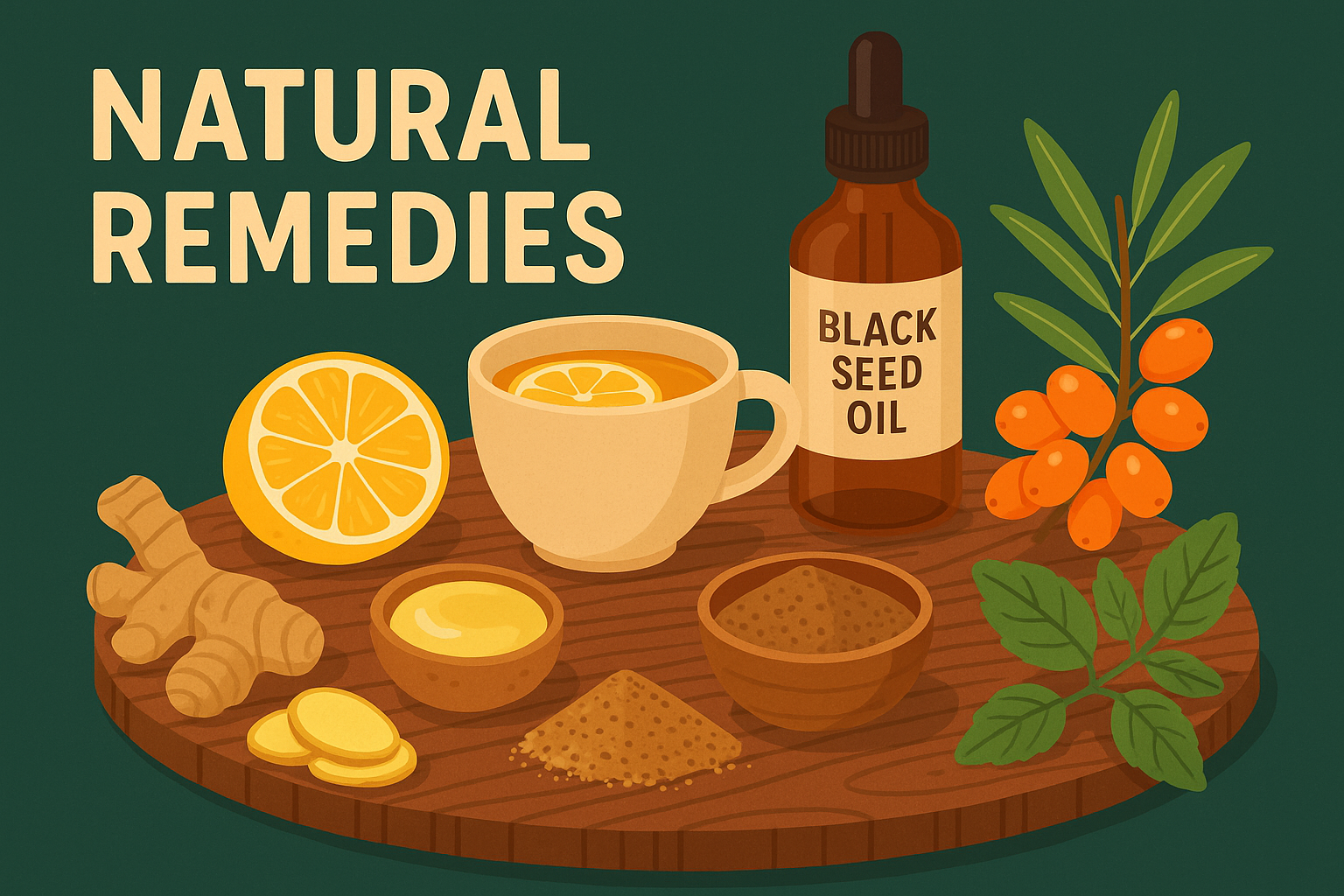
In the evolving landscape of natural healthcare, a balanced approach that blends traditional wisdom and modern evidence offers powerful yet gentle support for overall well-being. This guide presents a selection of “mixed natural remedies”, a curated blend of herbs, essential oils, and spices chosen for their complementary effects on the body’s renewal, resilience, and natural detoxification.
Rotating and refreshing your use of natural remedies every few weeks helps stimulate the body’s adaptive systems, encouraging cellular repair and long-term vitality.
1. Respiratory Health and Cough Relief
Honey and Lemon Elixir
Ingredients:
1 tablespoon raw (natural) honey
Juice of ½ fresh lemon
8 oz warm (not boiling) water
How it works: Honey soothes irritated airways, while lemon provides vitamin C and mild antimicrobial action.
Dosage: 2–3 cups daily for up to one week during acute cough episodes, with 1–2 days of rest before resuming if needed.
Herbal Teas for Respiratory Support
Ginger Tea: Reduces throat irritation and inflammation. (1 cup, twice daily)
Peppermint Tea: Menthol opens airways and relieves congestion. (1 cup daily)
Thyme Tea: Contains thymol, powerful against respiratory microbes. (1 cup, 2–3 times weekly)
Eucalyptus Tea: Helps break down mucus; best for productive coughs.
Tulsi (Holy Basil): An expectorant and immune-modulator. (1 cup twice daily)
2. Immune System Support and Body Renewal
Daily and Weekly Refresh Plan
Alternate between immune-boosting herbs weekly to keep the body responsive:
Week 1: Black seed oil + ginger tea
Week 2: Sea buckthorn oil + tulsi tea
Week 3: Cumin and honey blend
Pause: Take 2–3 days off every third week to allow metabolic balance.
Core Immune Nutrients and Their Functions
Vitamin C: Lemon, sea buckthorn; Supports white blood cells and acts as an antioxidant.
Vitamin D: Sea buckthorn, sunlight; Regulates the immune system and promotes bone health.
Zinc: Black seed oil (Nigella sativa), cumin; Provides antiviral effects and aids in wound healing.
Selenium: Sea buckthorn, black seed; Supports thyroid function and offers oxidative protection.
Vitamin B6 (Pyridoxine): Ground cumin; Essential for the nervous system and neurotransmitter production.
Iron: Cumin, sea buckthorn; Supports oxygen transport and energy production.
Black Seed (Nigella sativa) Oil
Main compounds: Thymoquinone, nigellone, zinc, selenium
Function: Regulates immune response, reduces inflammation, supports respiratory and skin health
Dosage: 1 tsp daily with meals; 5 days on, 2 days off
Ground Black Seed (Nigella sativa)
In addition to black seed oil, ground black seed (also known as Nigella sativa powder) offers a potent yet balanced form of natural support. When the seeds are freshly ground, they retain their essential oils, vitamins, and minerals such as zinc, selenium, and B vitamins.
Benefits:
Supports respiratory and digestive function
Enhances immune response and metabolic balance
Contains thymoquinone, a compound with strong antioxidant and anti-inflammatory effects
Provides vitamin B6 (pyridoxine) and magnesium, both crucial for nervous system stability and mental clarity
Suggested use: Take ¼ teaspoon of freshly ground black seed once or twice daily, preferably with honey or warm water, or a small pinch (⅛–¼ teaspoon) over salads, soups, or stews just before serving, or mix into yogurt, hummus, or olive oil dips for extra aroma and immune support.
Dosage: 10–14 days of use followed by a 3-day break helps maintain potency and avoid overuse.
Sea Buckthorn (Hippophae rhamnoides) Oil
Rich in: Vitamins A, C, E, K, D; omega 3-6-7-9 fatty acids
Function: Strengthens cell membranes, promotes skin and heart health
Dosage: 1–2 tsp daily for 2 weeks, followed by a 3-day rest
3. Cumin: The Spice of Energy and Mental Focus
Ground Cumin (Cuminum cyminum)
Cumin is more than a culinary spice; it’s a gentle neurotonic, stimulating mental clarity and supporting the nervous system.
Bioactive compounds: Iron, manganese, pyridoxine (B6), riboflavin (B2)
Pyridoxine (B6): Vital for nerve cell communication and serotonin synthesis
Manganese and iron: Boost oxygen delivery to brain cells
How to use:
Daily: ½ tsp ground cumin in meals or tea (once or twice a day)
Weekly pattern: 5 days use, 2 days rest
Traditional use: Enhances memory, focus, and digestion.
White Cumin (Jeera Safed)
White cumin (a lighter variety of Cuminum cyminum) is milder in flavor but rich in magnesium, phosphorus, calcium, and B vitamins.
Benefits:
Strengthens the nervous and muscular systems
Improves digestive enzyme secretion
Helps maintain stable blood pressure and calm alertness
Suggested use: Add ½ tsp ground white cumin to soups or yogurt daily for 1 week; take a 2-day break before repeating.
4. Nervous System and Cognitive Health
Tulsi (Holy Basil) Tea
An adaptogenic herb that stabilizes stress hormones (cortisol) and promotes mental clarity.
Dosage: 1 cup morning and evening for 10 days, followed by a 3-day break.
Cumin and Honey Tonic
Combine ½ tsp ground cumin with 1 tsp raw honey.
Purpose: Enhances circulation to the brain and supports neurotransmitter balance.
Use: Once daily in the morning for 7 days; rest 2 days.
Sea Buckthorn Oil for Brain Renewal
Omega-3 and vitamin E protect neurons against oxidative stress and maintain membrane integrity.
Use: 1 tsp daily for 14 days, pause 5 days.
5. Fever and Headache Relief (Gentle Natural Support)
Apple Cider Vinegar Compress: 1 part vinegar: 4 parts cool water. Apply to the forehead for 10–15 minutes.
Peppermint or Ginger Tea: 1 cup up to 3 times daily during fever.
Caution: Seek medical help for fevers > 38.4 °C or persistent headache.
6. Best Practices for Safe Use
Rotate herbs every 2–3 weeks to maintain sensitivity and prevent overexposure.
Use organic, cold-pressed oils and freshly ground spices to preserve nutrients.
Store oils in dark glass bottles away from sunlight.
Take short breaks between cycles to allow the body’s natural systems to reset.
Special Tips: Synergistic Natural Combinations
Combining certain herbs and spices enhances their bioactive potential, providing gentle, preventive support for the body. These blends can be used both for wellness maintenance and as supportive therapy during recovery or seasonal fatigue.
1. Ground Cumin + White Cumin
Sprinkle equal parts of both (about ¼ teaspoon total) over cooked vegetables, soups, or rice.
This combination balances digestion, strengthens the nervous system, and supports mental focus.
White cumin softens the stronger, peppery tone of dark cumin, creating a pleasant aroma and smoother taste.
2. Ground Black Seed + Honey
Mix ¼ teaspoon ground black seed with 1 teaspoon raw honey. Take once daily in the morning on an empty stomach.
This blend supports respiratory health, strengthens immunity, and provides natural antioxidants for cell renewal.
3. Sea Buckthorn + Ginger Tea
Add 1 teaspoon sea buckthorn oil (or fresh berries) to a cup of warm ginger tea. Drink once daily.
This combination enhances circulation, supports the skin and brain, and provides a daily vitamin-rich tonic.
4. Black Seed Oil + Tulsi (Holy Basil) Tea
Take 1 teaspoon black seed oil with or after a cup of tulsi tea.
It calms inflammation, improves breathing, and balances the immune and nervous systems simultaneously.
5. Cumin + Lemon + Olive Oil Mix
Combine ½ teaspoon ground cumin, juice of half a lemon, and 1 teaspoon olive oil.
Use it as a dressing on salads or lentils three times a week.
This formula supports liver detoxification, digestion, and gentle daily renewal.
Usage Rhythm:
For preventive wellness, use one of these combinations daily and rotate every 5–7 days.
Take a 2–3 day break after each full week to allow the body to reset and maintain sensitivity to natural compounds.
Conclusion
Natural remedies, when used cyclically and thoughtfully, can refresh the body and sharpen the mind. Black seed oil strengthens immunity; sea buckthorn renews cells; cumin awakens clarity; tulsi calms the nerves. Together, they form a living dialogue between traditional wisdom and modern evidence, a path not to replace medicine, but to revitalize the body’s natural rhythm of healing and renewal.
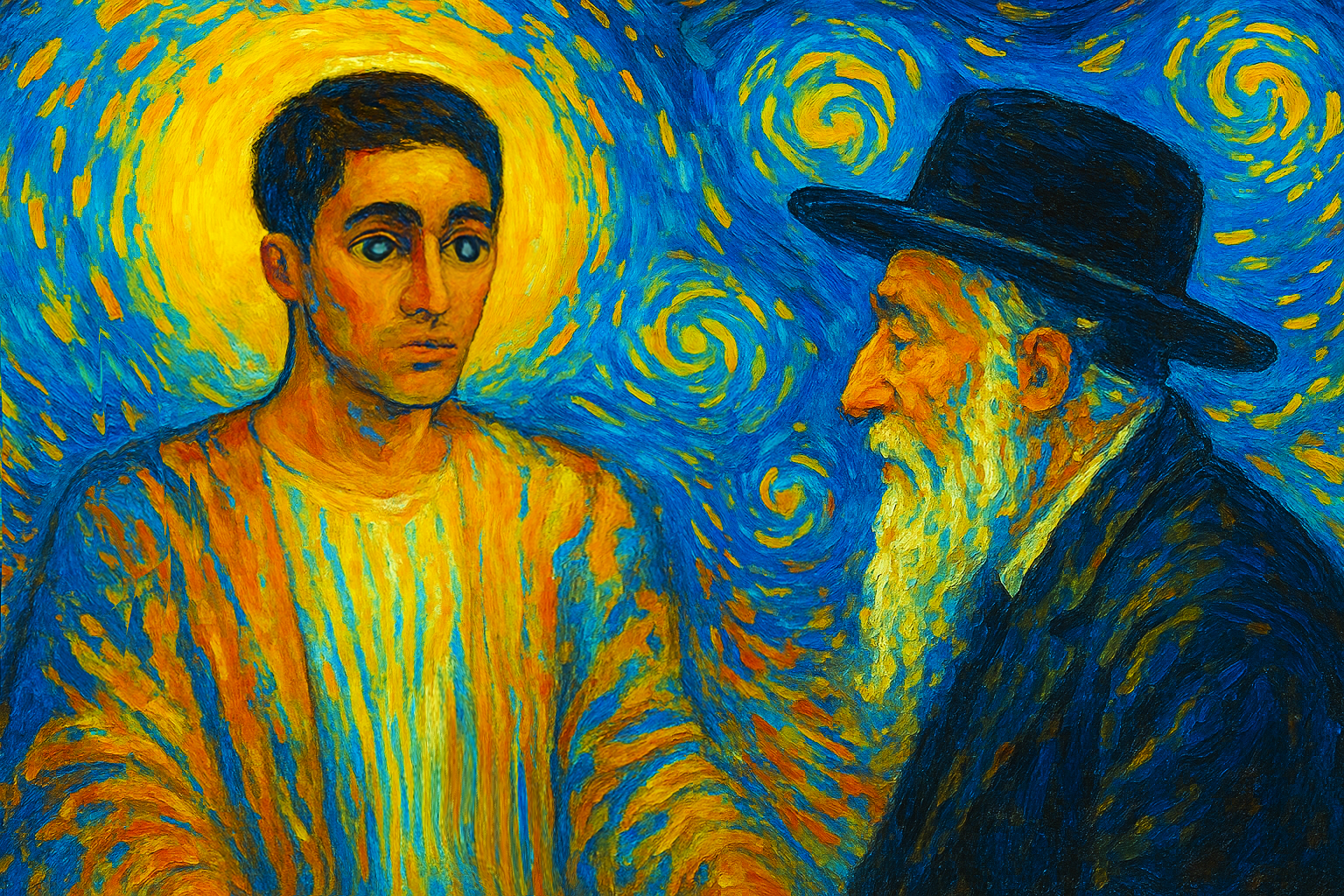
In recent months, a dramatic story has circulated widely on YouTube, Facebook, and X (formerly Twitter). It claims that an Orthodox rabbi named David Cohen died for 17 minutes, saw Jesus Christ in the afterlife, and later confessed, “Everything we taught about the Messiah was a lie.” According to the videos, he was also the author of a book titled Why Jesus Cannot Be the Messiah—a claim that makes the supposed conversion even more sensational.
This narrative has been shared millions of times in videos with titles like “Jewish Rabbi Dies… Comes Back Screaming ONE Name: Jesus!” and “Rabbi Was Dead for 17 Minutes and Returned With a Warning.”
However, when examined closely, the entire claim collapses.
Step 1: No Evidence of a Real Person
“Rabbi David Cohen” is a very common Jewish name. Many respected rabbis bear that name, holding academic or community roles in cities from New York to Jerusalem. Yet none of them match the profile described in these viral videos.
There are no obituaries, synagogue announcements, hospital reports, or news articles confirming that a Rabbi David Cohen was declared clinically dead and returned with such a testimony. Major Jewish and Israeli outlets—including the Times of Israel, Haaretz, the Jerusalem Post, and the Jewish Telegraphic Agency—have no record of such an event. A genuine rabbinic conversion to Christianity after a near-death experience would have made international headlines.
Step 2: A Fabricated Book Title
The videos often state that Cohen authored Why Jesus Cannot Be the Messiah. However, this book does not exist under his name. A thorough search of WorldCat, the Library of Congress catalog, and Google Books reveals no publication with that title by any Rabbi David Cohen.
A Real but Different Book: Jesus Cannot Be the Jewish Messiah (2023)
Part of the confusion may stem from a real book self-published by Robert M. Pill in 2023, titled Jesus Cannot Be the Jewish Messiah. This work, available in paperback and hardcover, is listed by several major booksellers. However, it has no connection to a Rabbi David Cohen, nor does it contain any near-death testimony. Its focus is on theological critique from a Jewish perspective, not personal experience. The similarity in title likely fueled the viral myth by lending it a superficial layer of plausibility.
Step 3: The Pattern of Deceptive Videos
The videos spreading this story share common traits:
— They feature stock images or AI-generated portraits of elderly Orthodox Jewish men, with no direct footage of the supposed rabbi.
— They lack verifiable details, such as a city, date, synagogue, or hospital.
— Identical scripts, often read by AI-generated voices, are used across different channels.
This repetition is a clear sign of manufactured content designed to go viral.
Step 4: No Independent Confirmation
Major fact-checking organizations like Snopes, Reuters Fact Check, PolitiFact, and AFP Fact Check have not published articles about this specific claim, most likely because it has never gained enough traction outside of social media to warrant a dedicated debunking. Searches of their archives confirm there is no corroborating evidence.
On X, skeptical users have flagged the story, noting the complete absence of records in news reports or other verifiable sources. In short, the story exists only within the echo chamber of the videos that promote it.
The Likely Origin of the Hoax
This is not the first time such a story has appeared. Evangelical or inspirational YouTube channels often create “near-death conversion” narratives involving rabbis, imams, or prominent atheists because the stories are emotionally powerful and highly shareable. By choosing a common Jewish name like David Cohen, the creators give the story a false sense of credibility. Adding a fabricated, provocative book title makes it dramatic enough to attract millions of clicks.
Conclusion: Fiction Disguised as Testimony
There is no evidence that a Rabbi David Cohen died for 17 minutes, saw Christ, or made public statements renouncing his faith. The supposed book, Why Jesus Cannot Be the Messiah, is not his, and a book with that exact title appears to be a fabrication.
The viral videos are a form of manufactured testimony, combining AI voiceovers, stock images, and recycled missionary talking points. They exploit the authority of a Jewish rabbinic figure to generate views but have no basis in reality.
The truth is simple: the "Rabbi David Cohen" from these stories is a fictional character, not a real person. His “17-minute death and vision of Christ” is a modern digital legend.
The Cryptocurrency Vulnerability
Cryptocurrencies like Bitcoin, Ethereum, and Solana rely on a decentralized network of computers, but that network depends on the internet to stay alive. Without connectivity, transactions cannot be confirmed, blocks cannot be added, and the blockchain freezes in time. Bitcoin would not “vanish” overnight; copies of the blockchain would remain on hard drives worldwide, but it would become unusable for an indefinite period. In financial terms, this would feel like billions of dollars instantly vanishing into thin air.
Beyond Crypto: The Collapse of Digital Communication
The effects would not stop with financial systems. A major internet blackout would also mean:
- Email blackouts
- Loss of online calls
- Websites vanish
The modern economy is entirely dependent on the internet. This dependence makes the global digital infrastructure and the systems built on it uniquely vulnerable if these underlying connections are lost.
Scenarios That Could Trigger a Global Internet Shutdown
World War III
A large-scale conflict could involve cyberattacks targeting undersea cables, satellites, and data centers. Even if not every country is directly attacked, the disruption of international internet “backbones” could fragment the web into isolated regions.
Revolutions and Violent Power Grabs
Authoritarian regimes have already demonstrated the ability to shut down the internet during unrest. If such a scenario occurred in a major power like the United States, the consequences would ripple worldwide. A sudden American internet blackout would cripple global finance, communication, and commerce overnight.
Cyberterrorism and Sabotage
Coordinated attacks on infrastructure, such as data centers, power grids, or satellites, could disable the internet in critical regions. Unlike wars, this could happen suddenly, without warning, and spread panic.
Natural Disasters on an Unprecedented Scale
Solar storms, massive earthquakes, or other natural events could physically damage the hardware of the internet, creating regional or even continental blackouts.
The Global Consequences
Collapse of confidence in digital assets: Bitcoin and cryptocurrencies could lose most of their market value within days.
Flight to physical assets: Gold, silver, land, and tangible goods would suddenly look far more reliable.
A Wake-Up Call
The scenario of a global internet shutdown may sound extreme, but it is not science fiction. Governments already practice internet blackouts in times of unrest. Undersea cables have been cut accidentally, and sometimes deliberately. Military strategists openly discuss the internet as a battlefield.
Bitcoin and blockchain technology were designed to survive censorship, but not to survive a world without connectivity. The same vulnerability applies to online communication, cloud-based services, and even the way businesses and families stay connected.
The core issue is not just financial loss; it is whether our digital civilization can survive if the foundation, the internet, disappears. Without connectivity, the promise of decentralization, digital communication, and even basic services comes into question. This vulnerability exposes the risks at the heart of the digital world.
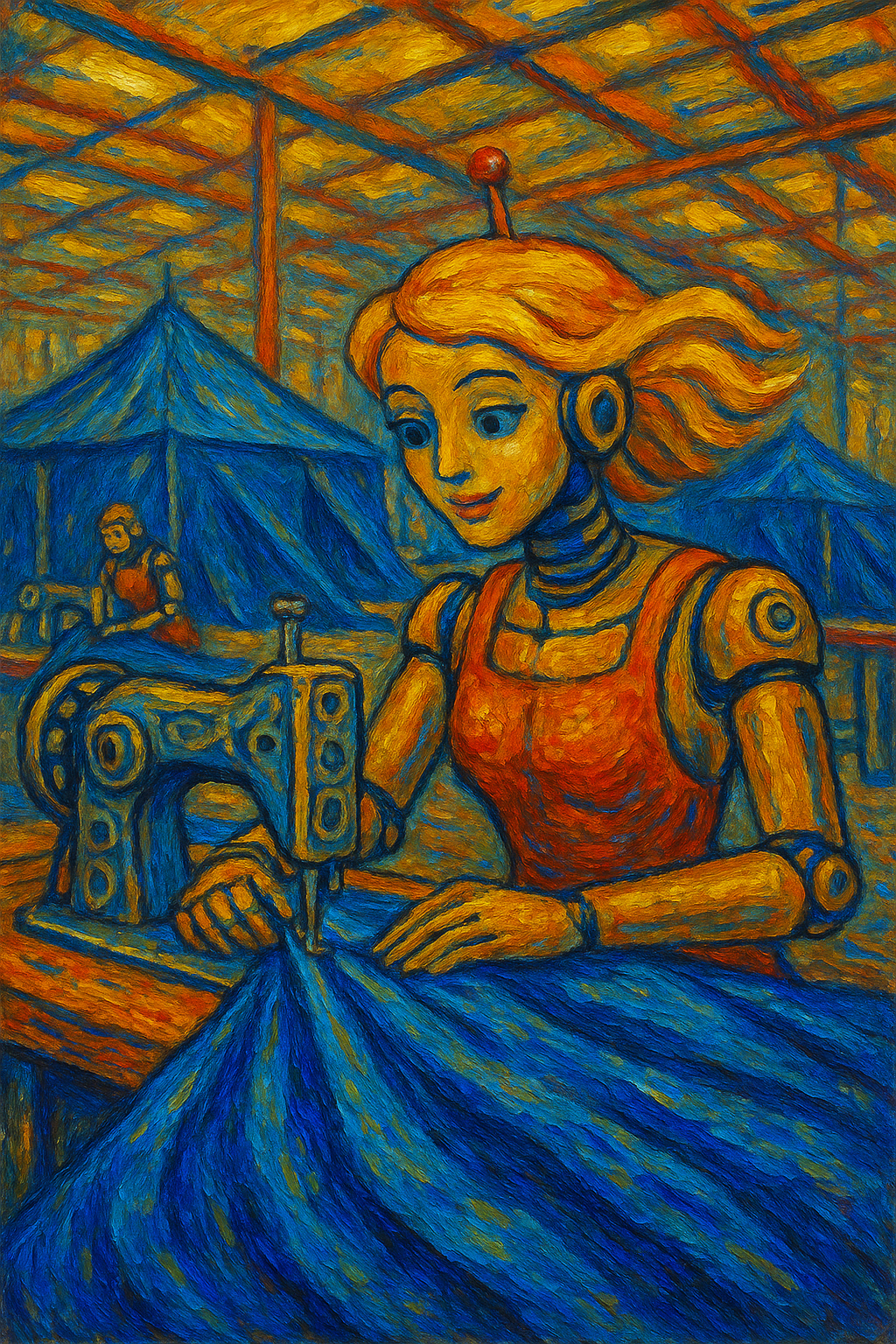
As artificial intelligence (AI) and robotics rapidly evolve, a pressing question arises: Will AI-powered robots take over human jobs, or will they usher in a new era of professional redistribution and innovation? The truth lies somewhere in between. While automation will replace certain roles, it will also create entirely new industries, skill sets, and growth opportunities.
Jobs at Risk: The Reality of Automation
AI-driven robots are most likely to replace repetitive, predictable, and hazardous jobs—tasks that do not require creativity, emotional intelligence, or human judgment.
At-risk jobs include:
- Warehouse and logistics work (packing, sorting, inventory)
- Transportation services (truck drivers, delivery personnel)
- Basic administrative roles (data entry, document processing)
- Security monitoring (guards, surveillance staff)
These jobs are often manual and rule-based, making them ideal candidates for robotic automation.
Jobs That Will Grow Stronger with AI
Conversely, many professions will not only survive the AI revolution but also thrive because of it. These roles involve empathy, human interaction, strategic thinking, and creativity.
Safer professions include:
- Teachers, psychologists, healthcare professionals
- Designers, architects, artists, and writers
- Engineers, data analysts, project managers
- Business consultants, advisors, coaches
Such roles are enhanced by AI rather than replaced by it. AI becomes a tool, not a threat.
AI Will Create New Industries and Jobs
Here’s the most important part: AI-powered robots themselves require workers to design, build, maintain, and improve them.
Key job-creating sectors include:
1. Robotics Engineering & Manufacturing
- Mechanical engineers
- Hardware technicians
- Assembly line operators
- Sensor and actuator developers
2. Software & AI Development
- Machine learning engineers
- Robotics programmers
- Data scientists and model trainers
- Cybersecurity experts for AI systems
3. Maintenance & Support
- Robot repair technicians
- Spare parts manufacturers
- Remote diagnostics specialists
4. Education & Training
- AI and robotics instructors
- Vocational training developers
- Upskilling centers for displaced workers
5. Ethics, Regulation & Oversight
- AI ethicists
- Technology lawyers
- Policy advisors
- Sociologists and human-AI interaction researchers
AI will reshape the economy—but it cannot operate alone. The ecosystem behind automation relies heavily on human creativity, engineering, oversight, and accountability.
A Historic Pattern: Technological Change ≠ , Job Destruction
History shows that every major technological shift initially displaces workers but then creates more jobs than it eliminates.
The invention of the automobile reduced demand for horse carriages but generated millions of jobs in car manufacturing, driving, maintenance, and road infrastructure.
The rise of the internet phased out roles like typists and postal clerks but gave rise to jobs in digital marketing, app development, cybersecurity, e-commerce, and more.
AI and robotics are simply the next wave of such transformation.
What Should Individuals and Governments Do?
In the face of automation, adaptation is essential.
For individuals:
- Focus on upskilling and reskilling: learn programming, data analytics, soft skills, or AI ethics
- Embrace lifelong learning
- Be open to career pivots into emerging fields
Final Thought: Robots Are Tools, Not Replacements
Yes, AI-powered robots will replace certain jobs, but they will also create new careers, industries, and opportunities. This is not the end of human labor—it's the beginning of a smarter, more connected, and more innovative workforce.
The question isn’t “Will robots take our jobs?”
The real question is: “Will we evolve quickly enough to shape the future?”
Archives
- All
- October 2026
- August 2026
- April 2026
- March 2026
- October 2025
- September 2025
- July 2025
- June 2025
- May 2025
- April 2025
- March 2025
- February 2025
- December 2024
- November 2024
- October 2024
- September 2024
- August 2024
- June 2024
- March 2024
- February 2024
- January 2024
- November 2023
- October 2023
- September 2023
- March 2023
- December 2022
- November 2022
- May 2022
- November 2020

Ads
SubMeet


Ads

Rose

