
SubMeet Blog Posts
Write your:
Biography, story, article or tidings.
Maximum 50.000  symbols (Depends on the browser) one post.
Maximum 10 posts per day, 100 posts per month, for one user.
We recommend using the Firefox browser to publish a post.



 Marshal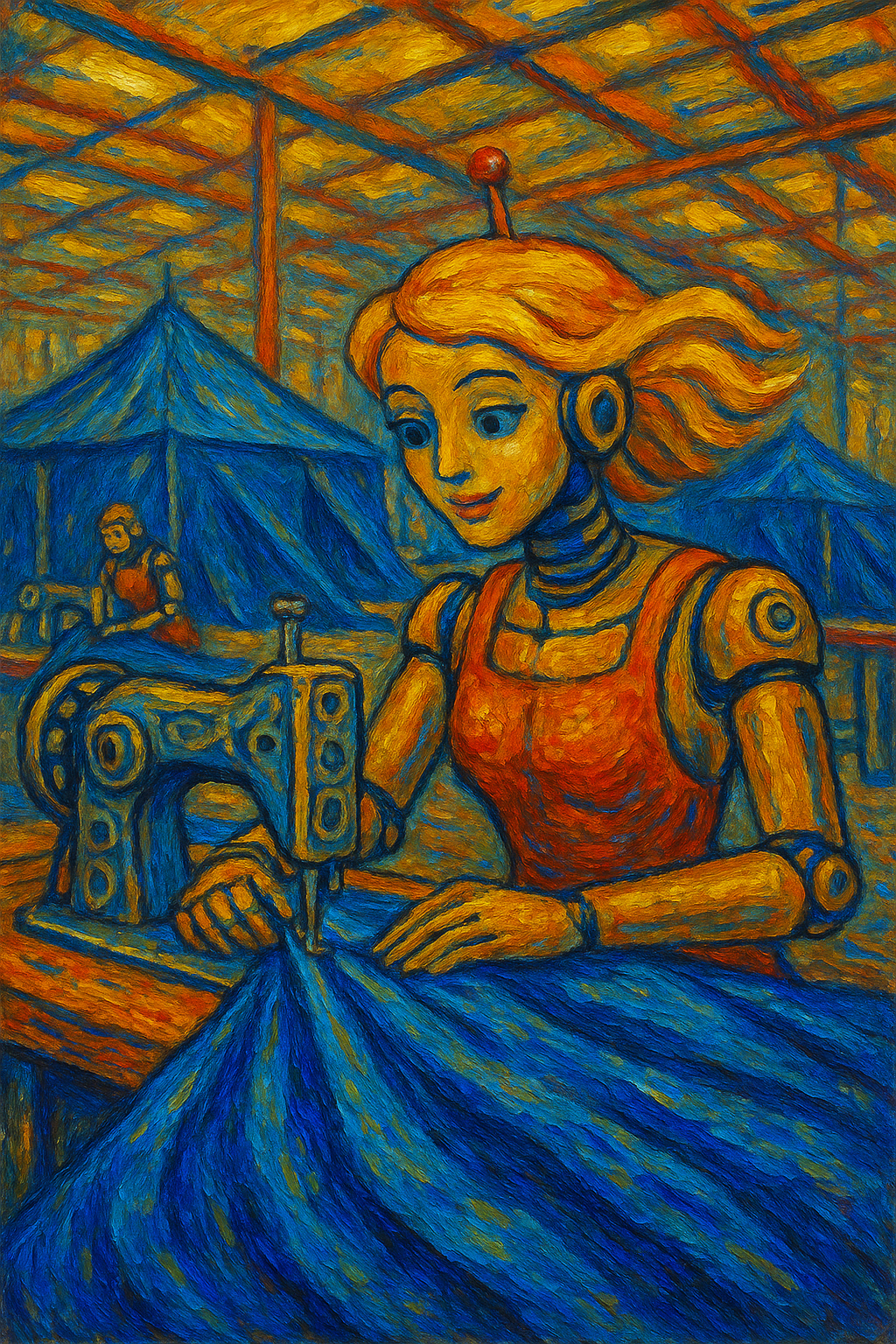
As artificial intelligence (AI) and robotics rapidly evolve, a pressing question arises: Will AI-powered robots take over human jobs, or will they usher in a new era of professional redistribution and innovation? The truth lies somewhere in between. While automation will replace certain roles, it will also create entirely new industries, skill sets, and growth opportunities.
Jobs at Risk: The Reality of Automation
AI-driven robots are most likely to replace repetitive, predictable, and hazardous jobs—tasks that do not require creativity, emotional intelligence, or human judgment.
At-risk jobs include:
- Warehouse and logistics work (packing, sorting, inventory)
- Transportation services (truck drivers, delivery personnel)
- Basic administrative roles (data entry, document processing)
- Security monitoring (guards, surveillance staff)
These jobs are often manual and rule-based, making them ideal candidates for robotic automation.
Jobs That Will Grow Stronger with AI
Conversely, many professions will not only survive the AI revolution but also thrive because of it. These roles involve empathy, human interaction, strategic thinking, and creativity.
Safer professions include:
- Teachers, psychologists, healthcare professionals
- Designers, architects, artists, and writers
- Engineers, data analysts, project managers
- Business consultants, advisors, coaches
Such roles are enhanced by AI rather than replaced by it. AI becomes a tool, not a threat.
AI Will Create New Industries and Jobs
Here’s the most important part: AI-powered robots themselves require workers to design, build, maintain, and improve them.
Key job-creating sectors include:
1. Robotics Engineering & Manufacturing
- Mechanical engineers
- Hardware technicians
- Assembly line operators
- Sensor and actuator developers
2. Software & AI Development
- Machine learning engineers
- Robotics programmers
- Data scientists and model trainers
- Cybersecurity experts for AI systems
3. Maintenance & Support
- Robot repair technicians
- Spare parts manufacturers
- Remote diagnostics specialists
4. Education & Training
- AI and robotics instructors
- Vocational training developers
- Upskilling centers for displaced workers
5. Ethics, Regulation & Oversight
- AI ethicists
- Technology lawyers
- Policy advisors
- Sociologists and human-AI interaction researchers
AI will reshape the economy—but it cannot operate alone. The ecosystem behind automation relies heavily on human creativity, engineering, oversight, and accountability.
A Historic Pattern: Technological Change ≠ , Job Destruction
History shows that every major technological shift initially displaces workers but then creates more jobs than it eliminates.
The invention of the automobile reduced demand for horse carriages but generated millions of jobs in car manufacturing, driving, maintenance, and road infrastructure.
The rise of the internet phased out roles like typists and postal clerks but gave rise to jobs in digital marketing, app development, cybersecurity, e-commerce, and more.
AI and robotics are simply the next wave of such transformation.
What Should Individuals and Governments Do?
In the face of automation, adaptation is essential.
For individuals:
- Focus on upskilling and reskilling: learn programming, data analytics, soft skills, or AI ethics
- Embrace lifelong learning
- Be open to career pivots into emerging fields
Final Thought: Robots Are Tools, Not Replacements
Yes, AI-powered robots will replace certain jobs, but they will also create new careers, industries, and opportunities. This is not the end of human labor—it's the beginning of a smarter, more connected, and more innovative workforce.
The question isn’t “Will robots take our jobs?”
The real question is: “Will we evolve quickly enough to shape the future?”
MarshalStarting a business is an exciting venture, brimming with the promise of financial independence and personal satisfaction. Yet, the path to entrepreneurship is laden with complexities and questions, including whether innovation is a necessity for your business.
Before you take the plunge into the entrepreneurial world, it's essential to grasp the fundamental principles of running a successful business. Here are some key factors to consider:
Market Research: Begin with thorough market research to uncover trends, consumer preferences, and potential gaps or niches. This valuable insight will help you understand your target audience and stay ahead of the competition.
Business Plan: Develop a comprehensive business plan that outlines your business's mission, vision, objectives, and strategies. A well-crafted plan serves as a navigational tool for your venture and can attract potential investors.
Legal Structure: Choose the appropriate legal structure for your business, whether it's a sole proprietorship, partnership, LLC, or corporation. Each structure has its unique implications in terms of liability, taxation, and management.
Finances: Calculate your startup costs, explore funding sources, and project your financial outlook. A well-defined financial plan is crucial for efficient resource management.
In today's business landscape, innovation often takes center stage. While it can set your business apart, it isn't always a prerequisite for success. Here are essential considerations regarding innovation:
Market Relevance: Assess whether your innovative idea aligns with market needs and demands. Even the most groundbreaking concept can fail if there's no market for it.
Risk Assessment: Innovating frequently entails more significant risks. Evaluate whether you're comfortable with the unpredictability and potential setbacks that accompany pioneering new ideas.
Competitive Edge: Innovation can provide a competitive advantage, but it's not the sole route to success. Many prosperous businesses thrive by offering existing products or services with superior quality, customer service, or pricing.
Market Saturation: In some industries, markets may already be saturated with innovative solutions. In such cases, differentiation and excellence often outshine the need for an entirely new concept.
Execution is Key: Remember, even the most innovative ideas can falter without proper execution. Your ability to execute your business plan effectively is often more crucial than the novelty of your concept.
Innovation doesn't always entail groundbreaking inventions. It can involve refining existing products or processes, enhancing customer experiences, or discovering inventive marketing and distribution strategies. The essence is continually seeking ways to add value and adapt to changing market dynamics.
In the digital age, establishing a robust online presence is a non-negotiable for any new business. To effectively promote your venture, you might consider hiring a seasoned marketer or a digital marketing agency.
Launching a business involves meticulous planning, market awareness, and a clear vision. While innovation can be a powerful tool, it's not an absolute prerequisite for success. Many thriving businesses have achieved greatness by prioritizing execution, customer satisfaction, and excellence within their chosen niches. Before embarking on your entrepreneurial journey, take time to assess your strengths, passion, and market conditions. Whether you're introducing groundbreaking ideas or building on existing ones, your dedication, resilience, and adaptability will be the guiding stars on your path to success.
Tag Search

Ads
SubMeet


Ads

Rose

