
Ivan 's blog
Introduction
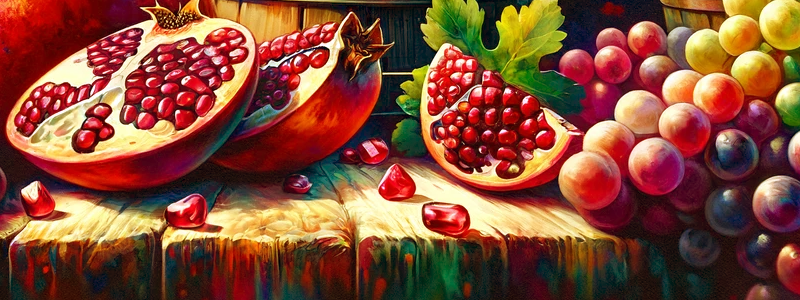
Embarking on the journey of home wine-making is both a science and an art. This article delves into the intricate process of crafting wine from different grape varieties and pomegranates, integrating global traditions and modern techniques.
Understanding Wine Yeast and Its Preparation
Before diving into wine production, it's crucial to understand wine yeast, a pivotal component in winemaking. Wine yeast is a type of yeast specifically cultivated for fermenting grape juice into wine. Its role is to convert the sugars in the grape juice into alcohol and CO2 through fermentation.
Crafting Natural Wine Yeast: A Guide to Making Homemade Raisins for Winemaking
1. Selecting Your Grapes: The Foundation of Natural Yeast
Start with organic grapes to ensure your homemade raisins are free from pesticides and chemicals. The grape variety can align with your wine preferences, offering a personalized touch to your winemaking process.
2. Gentle Preparation: Preserving the Natural Yeast
Rinse the grapes gently to maintain the integrity of the natural yeast on their skins. Removing them from their stems ensures an even drying process.
3. The Art of Drying: Sun-Dried for Perfection
Sun drying is the traditional method for making raisins. Spread the grapes on a clean surface and let them bask in the sun, turning them occasionally for uniform drying. A thin net or cheesecloth can be used for protection against insects and dust.
4. Alternative Drying Methods: Oven and Dehydrator Techniques
An oven set to the lowest temperature or a food dehydrator can be used in climates not conducive to sun drying. Ensure proper air circulation to mimic the natural drying process.
5. Identifying Dryness: The Transition to Raisins
When shriveled, darker, and not juicy, your grapes have transformed into raisins with intact, slightly sticky skins.
6. Storage Solutions: Preserving Your Homemade Raisins
Store your raisins in an airtight container in a cool, dry place, ready for winemaking.
7. Using Your Raisins in Winemaking: Natural Yeast Activation
Rehydrate your homemade raisins in warm water (leave in not-too-hot water for about an hour, then drain the water, drain the raisins, and let them dry for about an hour) before adding them to your wine must. This activates the natural yeasts and prepares them for fermentation.
8. Quantity Guidelines: Perfecting the Balance
A general rule of thumb is to use about 1 cup of homemade raisins per gallon (3.78 liters) of wine must, ensuring enough natural yeast for effective fermentation.
Embracing Tradition in Modern Winemaking
Using homemade raisins as a natural yeast source is a nod to traditional winemaking practices. While the results may vary compared to commercial yeasts, this method adds a unique, personal touch to your homemade wine, connecting you to the age-old art of winemaking.
Optimizing Grape and Pomegranate Juice Quality: The Role of Stems and Peels in Juicing
When crafting the perfect grape or pomegranate juice, the details matter. A common question among juice enthusiasts and amateur winemakers is whether to include grape stems and pomegranate peels in the juicing process.
Understanding the Impact of Grape Stems in Juicing
Grape stems, often called tails, contain tannins and other compounds that can significantly affect the taste of grape juice. Tannins and Bitterness: Tannins in grape stems can lead to a bitter and astringent flavor, which might be undesirable in grape juice. Selective Use in Winemaking: While some winemakers include stems in red wine fermentation for added complexity and structure, they are typically not crushed along with the grapes. For white wines and grape juices, stems are usually removed to avoid imparting any bitterness.
The Role of Pomegranate Peels in Juice Quality
Unlike the arils, which are the juicy, edible pomegranate seeds, the peels are not commonly used in juicing due to their flavor profile. Avoiding Bitterness: Pomegranate peels are known for their bitter taste, which can overshadow the natural sweetness and tartness of the arils. Effective Juicing Techniques: To extract the best flavor, separate the arils from the peel and membrane using a water bowl before crushing or pressing for juice.
Flavor Preservation: Excluding stems and peels during juicing ensures a high-quality beverage, rich in natural flavors and devoid of unwanted bitterness. Experimentation with Caution: If you're experimenting with incorporating stems or peels, consider starting with small batches to gauge the impact on flavor.
Grape Winemaking: Varieties and Processes
Grape wine can vary greatly depending on the grape variety used. Here's a step-by-step guide tailored to different grape types:
Selecting Grapes: Choose high-quality, ripe grapes. Popular varieties include Cabernet Sauvignon, Merlot, and Chardonnay, each offering unique flavor profiles.
Crushing and Destemming: This process releases the juice from the grapes. For red wines, keep the skins during fermentation for color. For white wines, remove the skins. In Italy and France, grapes were historically crushed by foot. Modern home winemakers use mechanical crushers.
Fermentation: Add the prepared wine yeast to the grape juice. Fermentation times vary - red wines generally ferment for longer than white wines. Fermentation usually takes about one to two weeks. Monitor the temperature and sugar levels. The ideal fermentation temperature is between 68°F and 72°F.
Pressing: After fermentation, separate the solids from the liquid. For red wines, this happens post-fermentation, while for white wines, it occurs pre-fermentation.
Aging and Bottling: Age the wine in barrels or bottles. Aging periods differ, with some wines benefiting from longer aging. After aging (1-2 weeks), wine sediment may remain in the container (it is better if the container is glass: a carboy or demijohn), pour clear wine from above the container using a special hose (final bottling); a hose that is not intended for technical purposes.
Pomegranate Winemaking: A Unique Twist
Pomegranate wine, while less traditional, offers a unique and flavorful experience:
Preparing Pomegranates: Choose ripe pomegranates. Juice the fruit, ensuring you remove any seeds or pith.
Fermentation: Like grape wine, add activated wine yeast to the pomegranate juice (using homemade raisins as a natural yeast). Ferment at a controlled temperature for about two weeks.
Aging: Pomegranate wine generally requires less aging than grape wine. Taste periodically to determine the suitable aging period.
Fermenting grape wine in containers is a crucial part of the winemaking process. The choice of container can significantly affect the wine's flavor, aroma, and overall quality. Here's a guide on how to ferment wine in various types of containers:
Types of Fermentation Containers
Stainless Steel Tanks
Usage: Common in commercial and modern wineries for both primary and secondary fermentation. Advantages: Easy to clean, resistant to oxidation, and doesn't impart additional flavors to the wine. Considerations: They're inert and don't contribute to aging like oak barrels.
Oak Barrels
Usage: Traditional choice for fermenting and aging wine, especially reds. Advantages: Oak imparts complex flavors and tannins to the wine, aiding its development. Considerations: The type of oak, the size of the barrel, and its age can influence the wine's flavor.
Glass Carboys or Demijohns
Usage: Popular among home winemakers for smaller batches. Advantages: Non-reactive, easy to clean, and allows visual fermentation monitoring. Considerations: They are fragile and need protection from light.
Covering Method
Loose Lid or Cloth Covering: For open containers, you can use a loose-fitting lid or cover it with a clean, breathable cloth, like muslin or cheesecloth. This allows carbon dioxide to escape while keeping out insects, dust, and other contaminants.
Securing the Cloth: If using a cloth, tie it around the container's rim with a rubber band or string to ensure it stays in place.
The frequency of stirring the wine (with a wooden stick)
Purpose of Stirring: In wine fermentation, stirring is essential to submerge the "cap" - the layer of skins and solids that rise to the top. This helps in extracting color, flavor, and tannins from the skin.
Frequency: Wine must be typically stirred one to three times a day. The exact frequency can vary based on the winemaker's preference and the specific stage of fermentation.
Gentle Stirring: Stir gently to avoid excessive oxygenation, which can lead to unwanted oxidation.
Assessment: The need for stirring also depends on how the fermentation progresses. If the fermentation is vigorous, less stirring might be needed.
Post-Fermentation: Once fermentation slows down or stops (usually signaled by a decrease in bubbling or foaming), stirring should be reduced or stopped to minimize oxygen exposure. After each stirring, wash the wooden stick with clean water and place it in a clean and slightly elevated position on two sticks in a parallel (horizontally, not vertically) position.
Temperature Range: Yeast activity is influenced by temperature, with different strains exhibiting optimal fermentation ranges. Generally, for most wine yeast strains, the ideal temperature range falls between 60°F to 75°F (15°C to 24°C), and lighting is not in direct sunlight.
When it comes to storing ready-made wine, proper storage conditions are essential to maintain its quality and aging potential. Here's a guide to storing wine, covering containers, lighting, and location:
Container: For individual bottles, select dark-colored glass bottles, preferably green or amber. Ensure that the bottles are sealed with a tight-fitting cork or screw cap to prevent oxidation and maintain freshness. If storing larger quantities of wine, consider using stainless steel tanks or oak barrels.
Lighting: Wine should be stored in a dark environment. If lighting is necessary for visibility, use low-intensity, incandescent lighting sparingly or install dimmer switches to control brightness.
Location: The ideal storage location for wine is a cool, dark, and vibration-free space with consistent temperature and humidity levels. Temperature fluctuations can negatively impact wine aging, so aim to store wine at a stable temperature between 45°F to 65°F (7°C to 18°C). Additionally, maintain relative humidity levels between 50% to 80% to prevent cork drying and oxidation.
Storage Position: Store wine bottles horizontally to keep the cork moist and in contact with the wine, which helps to prevent air from entering the bottle and causing oxidation. However, if the wine has a screw cap or synthetic cork closure, storing bottles vertically is acceptable.
Ventilation: Adequate ventilation is crucial to prevent musty odors and mold growth in storage areas. Ensure proper air circulation by avoiding overcrowding and allowing space between wine bottles or storage racks. Consider installing a ventilation system or using dehumidifiers in humid climates to maintain optimal storage conditions.
International Perspectives and Traditions
Wine-making has rich traditions across the world. In France, winemaking is an art passed down through generations, focusing on grape varieties like Pinot Noir and Sauvignon Blanc. Italy is renowned for its diverse grape types, from Sangiovese to Nebbiolo. Meanwhile, pomegranate wine is a specialty in Middle Eastern countries, reflecting a blend of ancient practices and local fruit varieties. While less common than grape wine, pomegranate is a traditional beverage in countries like Armenia and Israel.
Conclusion
Creating wine at home is rewarding and blends tradition with personal taste. Whether working with different grape varieties or exploring the exotic flavors of pomegranate, each batch of homemade wine is a testament to the winemaker's skill and the rich heritage of winemaking. Remember, the key to successful winemaking lies in understanding the ingredients, respecting the process, and embracing the journey of learning and discovery.

Genre: Romantic Adventure
Set against the stunning backdrop of Mount Toubkal, the story follows Miranda Sterling and Catherine Noir, who embark on a trekking adventure. They encounter two pairs of brothers, Ethan and Liam, who are accompanied by their loyal dogs, a spirited Border Collie named Jasper and a gentle Golden Retriever named Bailey. As they climb the mountain, the women find themselves drawn to the brothers, with the dogs playing a crucial role in distinguishing and deepening their connections.
Chapter 1: The Meeting
Miranda and Catherine arrive at the base of Mount Toubkal, ready for their journey. They meet Ethan and Liam, instantly taken by their charm. Ethan's dog, Jasper, is energetic and playful, while Liam's dog, Bailey, is calm and nurturing.
Catherine: "I've always had a soft spot for Border Collies. Jasper's energy is infectious!"
Ethan: "He's a bundle of joy. Keeps me on my toes."
Miranda: "And Bailey seems like a gentle soul."
Liam: "He's the perfect hiking companion. Calm and steady."
Chapter 2: The Ascent
As they ascend, the group bonds over shared challenges and experiences. Catherine is drawn to Ethan's adventurous spirit, mirrored by Jasper's enthusiasm. Meanwhile, Miranda connects with Liam, finding comfort in Bailey's serene presence.
Chapter 3: Under the Stars
Around the campfire, the group shares stories. The brothers' distinct personalities become more evident through their interactions with their dogs. Ethan and Jasper's playful antics bring laughter, while Liam and Bailey's quiet companionship offers peace.
Catherine (laughing at Jasper's antics): "Ethan, your energy and Jasper's are a perfect match."
Ethan: "We do make a great team."
Miranda (watching Bailey rest his head on Liam's lap): "There's something special about the bond you two share."
Liam: "He's more than a pet; he's a part of me."
Chapter 4: The Summit
Reaching the summit, the group celebrates. Catherine and Ethan, spurred by Jasper's playful encouragement, share a moment of closeness. Simultaneously, Miranda and Liam, with Bailey lying beside them, find solace in each other's company.
Chapter 5: Realizations and Revelations
During the descent, the relationships deepen. The women realize their affection is not just for the brothers but also for each brother's unique bond with his dog.
Chapter 6: Love and Loyalty
Back at the base camp, Miranda and Catherine reflect on their journey. They acknowledge that their love for Ethan and Liam is intertwined with their admiration for the brothers' relationships with Jasper and Bailey.
Chapter 7: New Dreams in Marrakech
Miranda, Liam, Catherine, and Ethan embark on a new chapter of their lives in the vibrant city of Marrakech. Discussions of marriage, family, and future dreams fill their days.
Chapter 8: Union of Hearts
The couples celebrate their love in dual wedding ceremonies under the Moroccan stars. Each vow and promise signifies a deep commitment to their shared future.
Catherine: "With you, Ethan, every day is an adventure. I promise to cherish our journey wherever it leads us."
Chapter 9: The Joy of Family
Miranda and Liam welcome their daughter, Laila, while Catherine and Ethan are blessed with a son, Sami. The joys and challenges of parenthood bring a new depth to their relationships.
Liam: "Laila is our little miracle. She's the beginning of everything."
Catherine: "Sami, with his bright eyes, is our new world."
Chapter 10: Birth of 'Summit Tents'
Inspired by their adventures and new roles as parents, the couples establish 'Summit Tents,' a venture combining their passions and skills.
Miranda: "Our business is more than tents. It's about sharing the spirit of adventure that brought us together."
Chapter 11: From Vision to Reality
As 'Summit Tents' grows from a dream into a thriving business, the families balance their professional ambitions with the joys of raising their children.
Ethan: "Seeing 'Summit Tents' come to life, just like our family, it's incredible. We're creating something that lasts."
Chapter 12: Return to the Summit
The families return to Mount Toubkal, introducing their children to where their journeys began, symbolizing the full circle of their love and adventures.
Miranda: "Returning here with Laila, sharing this part of our story, it feels like everything's come full circle."
Catherine: "And Sami, experiencing Toubkal for the first time, it's like reliving our first steps."
Conclusion:
As they stand at the base of Mount Toubkal, the families reflect on their journey - from the challenges of the mountain to the joys of love, marriage, and parenthood. The establishment of 'Summit Tents' marks a new chapter in their lives, one rooted in shared experiences and dreams.
Liam: "Every step, every challenge, brought us here. Together, we've built something beautiful."
Ethan: "It's more than a business; it's a legacy of our adventure, our love."
The story of "Echoes of Toubkal: Love and Loyalty" closes with a sense of accomplishment and hope, capturing the essence of enduring love, the spirit of adventure, and the unbreakable family bonds. With its lively streets and rich culture, Marrakech remains a backdrop to their lives, symbolizing the vibrant tapestry of their shared journey.
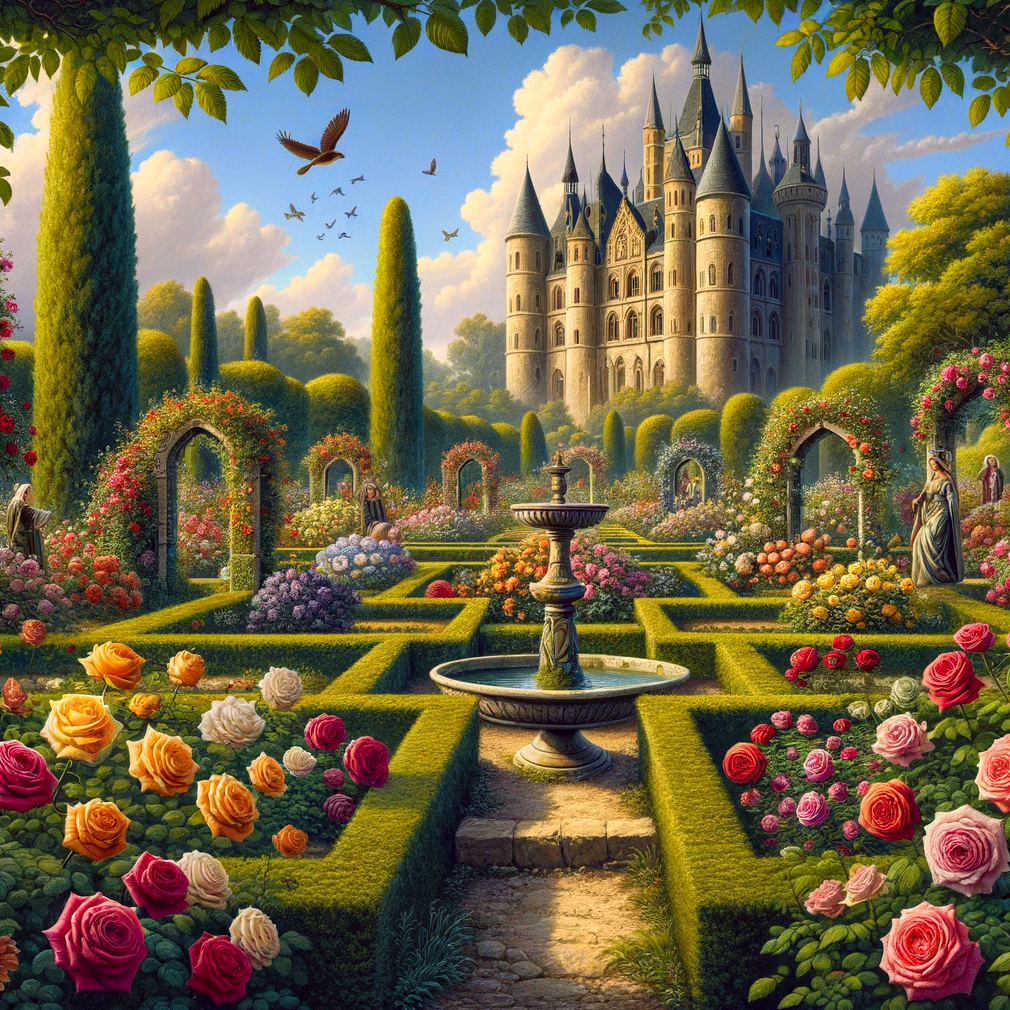
Discover our list of ten medieval fiction books by renowned authors, showcasing a rich array of narratives from chivalric adventures to romantic tales.
Delve into the rich tapestry of medieval life with our handpicked list of ten captivating fiction books by known medieval authors. These selections steer clear of overtly religious themes, offering a diverse portrayal of a bygone era through the eyes of its most creative minds.
1. "The Romance of the Rose" by Guillaume de Lorris and Jean de Meun
Book Summary: An allegorical dream vision exploring the art of love, combining poetry and philosophy.
Author's Background: Guillaume de Lorris and Jean de Meun, French authors, are known for their rich, allegorical style in this influential medieval romance.
Acclaim: "A profound and complex exploration of love and society in medieval times." - Medieval Romance Specialist
2. "The Canterbury Tales" by Geoffrey Chaucer
Book Summary: A timeless classic comprising various stories told by a group of pilgrims traveling to Canterbury, ranging from humorous to moral tales.
Author's Background: Geoffrey Chaucer, known as the father of English literature, is celebrated for his vivid and comprehensive portrayal of medieval society.
Acclaim: "Chaucer's work remains a masterpiece of English literature, capturing the essence of medieval life." - Medieval Studies Scholar
3. "Le Morte d'Arthur 2" by Sir Thomas Malory
Book Summary: A compilation of Arthurian legends, including tales of King Arthur, Merlin, and the Knights of the Round Table, focused on chivalry and adventure.
Author's Background: Sir Thomas Malory, an English knight, is best known for this comprehensive collection of Arthurian tales.
Acclaim: "Malory's interpretation of the Arthurian legends is both rich and compelling." - Arthurian Lore Expert
4. "The Book of the City of Ladies" by Christine de Pizan
Book Summary: An allegorical work that constructs a metaphorical city where women are appreciated and defended, challenging the misogynistic views of the time.
Author's Background: Christine de Pizan, a Venetian-born French author, is regarded as one of the earliest feminists in Western literature.
Acclaim: "Christine's visionary work stands as a testament to the intellectual capabilities of women." - Feminist Literary Scholar
5. "Tirant lo Blanc" by Joanot Martorell
Book Summary: A chivalric romance that narrates the adventures of the knight Tirant lo Blanc in Europe and the Byzantine Empire.
Author's Background: Joanot Martorell, a Valencian knight and author, is celebrated for his contribution to Catalan literature.
Acclaim: "A masterpiece of Iberian literature, 'Tirant lo Blanc' combines realistic warfare with courtly romance." - Iberian Literary Historian
6. "Amadis de Gaula" by Garci Rodríguez de Montalvo
Book Summary: A pioneering chivalric romance that tells the story of the knight Amadis and his adventures in a quest for love and honor.
Author's Background: Garci Rodríguez de Montalvo, a Spanish author, is known for his significant contribution to the development of the chivalric romance genre.
Acclaim: "Montalvo's work is a cornerstone in the evolution of European literature." - Spanish Literature Professor
7. "The Golden Ass" by Apuleius
Book Summary: A unique blend of romantic adventure, fable, and religious myth, narrated by a man transformed into a donkey.
Author's Background: Apuleius, a Latin-language prose writer, is known for his imaginative storytelling and rich use of language.
Acclaim: "Apuleius' novel stands out for its creativity and vivid characterizations." - Classical Literature Expert
8. "The Travels of Sir John Mandeville" by John Mandeville
Book Summary: A travel memoir that presents a fantastic and exaggerated depiction of the world beyond Europe, full of strange creatures and customs.
Author's Background: John Mandeville, a supposed English knight, is best known for this influential and imaginative travelogue.
Acclaim: "A fascinating glimpse into medieval perceptions of the wider world." - Travel Literature Historian
9. "Erec and Enide" by Chrétien de Troyes
Book Summary: A romantic tale that explores the balance between love and chivalric duty in the story of Erec and his wife Enide.
Author's Background: Chrétien de Troyes, a French poet, is celebrated for his contributions to the Arthurian romance genre.
Acclaim: "Chrétien's work is an essential exploration of medieval romance and knighthood." - French Literary Critic
10. "The Decameron" by Giovanni Boccaccio
Book Summary: A collection of 100 tales, ranging from the erotic to the tragic, told over ten days by a group escaping the Black Death in Florence.
Author's Background: Italian writer Giovanni Boccaccio, a key figure in Renaissance literature, is known for his insightful observations of human nature.
Acclaim: "Boccaccio's narratives are a masterclass in storytelling, full of wit and wisdom." - Renaissance Literature Professor
Conclusion: These ten books provide a window into the medieval mindset, highlighting the era's literary diversity and richness. From chivalric adventures to allegorical romances, each book offers a unique perspective on the medieval world.
Archives
- All
- August 2026
- April 2026
- March 2026
- October 2025
- September 2025
- July 2025
- June 2025
- May 2025
- April 2025
- March 2025
- February 2025
- December 2024
- November 2024
- October 2024
- September 2024
- August 2024
- June 2024
- March 2024
- February 2024
- January 2024
- November 2023
- October 2023
- September 2023
- March 2023
- December 2022
- November 2022
- May 2022
- November 2020

Ads
SubMeet


Ads

Rose

