SIGN*IN

SubMeet Blog Posts
Write your:
Biography, story, article or tidings.
Maximum 50.000  symbols (Depends on the browser) one post.
Maximum 10 posts per day, 100 posts per month, for one user.
We recommend using the Firefox browser to publish a post.



Tag search results for: "jesus"
 Marshal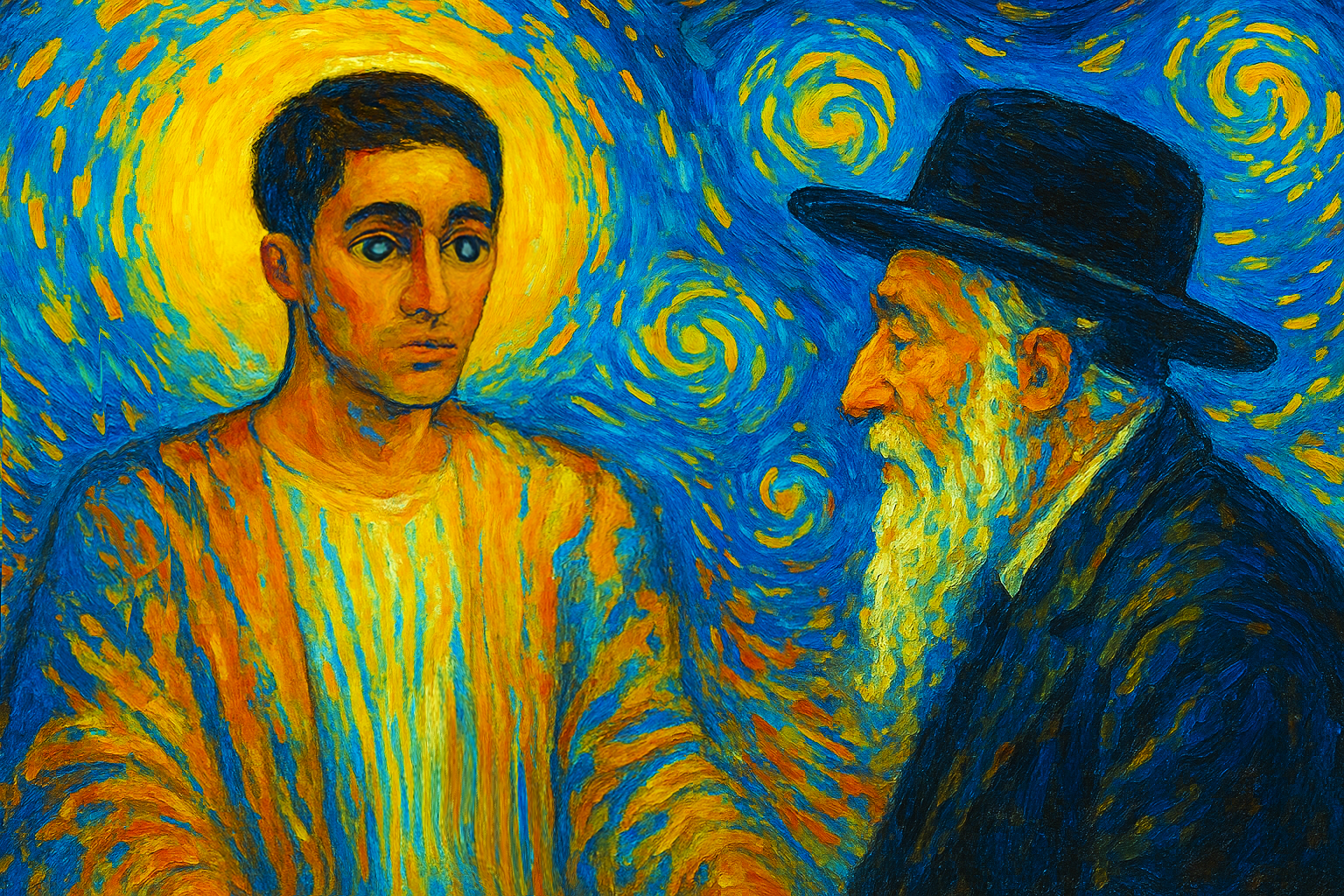
In recent months, a dramatic story has circulated widely on YouTube, Facebook, and X (formerly Twitter). It claims that an Orthodox rabbi named David Cohen died for 17 minutes, saw Jesus Christ in the afterlife, and later confessed, “Everything we taught about the Messiah was a lie.” According to the videos, he was also the author of a book titled Why Jesus Cannot Be the Messiah—a claim that makes the supposed conversion even more sensational.
This narrative has been shared millions of times in videos with titles like “Jewish Rabbi Dies… Comes Back Screaming ONE Name: Jesus!” and “Rabbi Was Dead for 17 Minutes and Returned With a Warning.”
However, when examined closely, the entire claim collapses.
Step 1: No Evidence of a Real Person
“Rabbi David Cohen” is a very common Jewish name. Many respected rabbis bear that name, holding academic or community roles in cities from New York to Jerusalem. Yet none of them match the profile described in these viral videos.
There are no obituaries, synagogue announcements, hospital reports, or news articles confirming that a Rabbi David Cohen was declared clinically dead and returned with such a testimony. Major Jewish and Israeli outlets—including the Times of Israel, Haaretz, the Jerusalem Post, and the Jewish Telegraphic Agency—have no record of such an event. A genuine rabbinic conversion to Christianity after a near-death experience would have made international headlines.
Step 2: A Fabricated Book Title
The videos often state that Cohen authored Why Jesus Cannot Be the Messiah. However, this book does not exist under his name. A thorough search of WorldCat, the Library of Congress catalog, and Google Books reveals no publication with that title by any Rabbi David Cohen.
A Real but Different Book: Jesus Cannot Be the Jewish Messiah (2023)
Part of the confusion may stem from a real book self-published by Robert M. Pill in 2023, titled Jesus Cannot Be the Jewish Messiah. This work, available in paperback and hardcover, is listed by several major booksellers. However, it has no connection to a Rabbi David Cohen, nor does it contain any near-death testimony. Its focus is on theological critique from a Jewish perspective, not personal experience. The similarity in title likely fueled the viral myth by lending it a superficial layer of plausibility.
Step 3: The Pattern of Deceptive Videos
The videos spreading this story share common traits:
— They feature stock images or AI-generated portraits of elderly Orthodox Jewish men, with no direct footage of the supposed rabbi.
— They lack verifiable details, such as a city, date, synagogue, or hospital.
— Identical scripts, often read by AI-generated voices, are used across different channels.
This repetition is a clear sign of manufactured content designed to go viral.
Step 4: No Independent Confirmation
Major fact-checking organizations like Snopes, Reuters Fact Check, PolitiFact, and AFP Fact Check have not published articles about this specific claim, most likely because it has never gained enough traction outside of social media to warrant a dedicated debunking. Searches of their archives confirm there is no corroborating evidence.
On X, skeptical users have flagged the story, noting the complete absence of records in news reports or other verifiable sources. In short, the story exists only within the echo chamber of the videos that promote it.
The Likely Origin of the Hoax
This is not the first time such a story has appeared. Evangelical or inspirational YouTube channels often create “near-death conversion” narratives involving rabbis, imams, or prominent atheists because the stories are emotionally powerful and highly shareable. By choosing a common Jewish name like David Cohen, the creators give the story a false sense of credibility. Adding a fabricated, provocative book title makes it dramatic enough to attract millions of clicks.
Conclusion: Fiction Disguised as Testimony
There is no evidence that a Rabbi David Cohen died for 17 minutes, saw Christ, or made public statements renouncing his faith. The supposed book, Why Jesus Cannot Be the Messiah, is not his, and a book with that exact title appears to be a fabrication.
The viral videos are a form of manufactured testimony, combining AI voiceovers, stock images, and recycled missionary talking points. They exploit the authority of a Jewish rabbinic figure to generate views but have no basis in reality.
The truth is simple: the "Rabbi David Cohen" from these stories is a fictional character, not a real person. His “17-minute death and vision of Christ” is a modern digital legend.
 Business
 While the figure of Jesus of Nazareth has captivated millions for over two millennia, many wonder: What do other historical sources say about Jesus? This article explores mentions of Jesus in Roman, Jewish, and early Christian writings, shedding light on how he was perceived outside Christian scripture.
Roman Sources: A Glimpse of Jesus from Imperial Historians
Tacitus (c. 56-120 CE) One of Rome’s most respected historians, Tacitus, references Jesus in his Annals (Book 15, Chapter 44). Writing about Emperor Nero’s persecution of Christians, Tacitus identifies Jesus (“Christus”) as having been executed under Pontius Pilate during Emperor Tiberius’ reign. Tacitus describes Christianity as a "mischievous superstition" that originated in Judea and spread to Rome. Though critical, Tacitus confirms Jesus’ historical existence and his execution.
Suetonius (c. 69-122 CE) briefly mentions disturbances in Rome caused by followers of Chrestus in The Lives of the Twelve Caesars. Scholars widely interpret Chrestus as a reference to Christ, highlighting the early presence of Christianity in Rome.
Pliny the Younger (c. 61-113 CE) wrote letters to Emperor Trajan describing Christians worshiping Christ "as to a god." He details their moral integrity and refusal to worship Roman deities, illuminating early Christian practices and their reverence for Jesus.
Jewish Sources: Jesus Through a Jewish Lens
Josephus (c. 37-100 CE)The works of Josephus, a Jewish historian, contain two significant references to Jesus:
In Antiquities of the Jews (Book 18, Chapter 3), Josephus describes Jesus as a wise man and teacher who performed "surprising deeds" and was crucified under Pilate. This passage, known as the Testimonium Flavianum, acknowledges Jesus’ impact but has been subject to later Christian interpolation.
In Antiquities (Book 20, Chapter 9), Josephus refers to James as "the brother of Jesus who is called Christ," further affirming Jesus’ historical presence.
The Talmud Jewish rabbinic texts, such as the Talmud, mention a figure named Yeshu. These references are often critical, portraying him as leading people astray. Scholars debate whether "Yeshu" directly refers to Jesus of Nazareth, but the texts indicate awareness of a controversial figure and his following.
Early Christian Writings Beyond the Bible
The Didache, also known as The Teaching of the Twelve Apostles, is an early Christian document that outlines ethical teachings and worship practices, reflecting the influence of Jesus’ teachings on early communities.
Gnostic Texts: The Nag Hammadi library, discovered in 1945, includes writings such as The Gospel of Thomas and Philip. These texts focus on spiritual knowledge and emphasize Jesus’ role as a teacher rather than his crucifixion and resurrection.
The Apocryphal Gospels Non-canonical texts like The Infancy Gospel of Thomas and The Gospel of Peter add legendary and miraculous dimensions to Jesus’ life, offering alternative perspectives on his character and mission.
Other Historical Mentions
Mara bar Serapion, a Syriac philosopher, wrote a letter mentioning a "wise king" who was executed by his people. Many interpret this as a reference to Jesus, linking his execution to the downfall of the Jewish nation.
Lucian of Samosata (c. 125-180 CE)A Greek satirist, Lucian mocks Christians for worshiping a crucified leader. While disdainful, his writings affirm the early Christian devotion to Jesus.
Common Themes Across Historical Sources
Existence and Execution: Most sources agree that Jesus was a real person executed under Pontius Pilate.
A Teacher with Followers: Jesus is often described as a wise teacher with a growing movement.
Christian Practices: Early Christians are depicted as devoted, worshiping Jesus as divine.
Controversy: Jesus’ life and teachings elicited mixed reactions, from admiration to hostility.
Here are a few notable passages from The Gospel of Thomas, The Gospel of Philip, The Infancy Gospel of Thomas, and The Gospel of Peter.
1. The Gospel of Thomas
Saying 1:
"Whoever discovers the interpretation of these sayings will not taste death."
Saying 77:
"Jesus said, 'I am the light that is over all things. I am all: from me, all came forth, and to me all attained. Split a piece of wood; I am there. Lift the stone, and you will find me there.'"
2. The Gospel of Philip
Excerpt on Knowledge and Ignorance:
"Ignorance is the mother of all evils. Ignorance will result in death because those who come from ignorance neither were nor are nor shall be."
Excerpt on the Nature of Jesus:
"The companion of the Savior is Mary Magdalene. But Christ loved her more than all the disciples and used to kiss her often on her [mouth]."
3. The Infancy Gospel of Thomas
Jesus Brings Clay Birds to Life:
"When this boy Jesus was five years old, he was playing at the ford of a stream. He made soft clay and shaped it into twelve sparrows. ... But Jesus clapped his hands and cried to the sparrows, ‘Be gone!’ And the sparrows took flight and went away chirping."
Jesus Strikes a Boy Dead (and Later Revives Him):
"The son of Annas the scribe came and took a branch and dispersed the water which Jesus had gathered. When Jesus saw what had happened, he was enraged and said to him: 'You insolent, godless dunderhead, what harm did the pools and the water do to you? See now, you shall also wither like a tree and shall bear neither leaves nor root nor fruit.'"
4. The Gospel of Peter
The Crucifixion:
"And they brought two criminals and crucified the Lord between them. But he kept silent as if he felt no pain. And when they had set up the cross, they wrote upon it: 'This is the King of Israel.'"
The Resurrection:
"And in the night in which the Lord's day dawned, while the soldiers were keeping guard two by two in every watch, there was a great voice in heaven; and they saw the heavens opened, and two men descending from there in great brightness. ... And the stone which had been laid against the entrance to the sepulcher started of itself to roll away."
Why These Sources Matter
The non-biblical references to Jesus provide independent confirmation of his historical existence. They also highlight how his life and influence extended beyond religious texts, impacting Roman governance, Jewish society, and the formation of early Christian communities. While interpretations vary, these accounts enrich our understanding of Jesus as a historical figure.
Conclusion
From Roman historians like Tacitus to Jewish chroniclers like Josephus, diverse sources attest to Jesus's life, teachings, and the early Christian movement. These accounts offer a multifaceted view of Jesus, bridging history and faith.
If you’re intrigued by historical insights about Jesus, share this article and join the conversation about one of history’s most influential figures!
Roman Sources: A Glimpse of Jesus from Imperial Historians
Tacitus (c. 56-120 CE) One of Rome’s most respected historians, Tacitus, references Jesus in his Annals (Book 15, Chapter 44). Writing about Emperor Nero’s persecution of Christians, Tacitus identifies Jesus (“Christus”) as having been executed under Pontius Pilate during Emperor Tiberius’ reign. Tacitus describes Christianity as a "mischievous superstition" that originated in Judea and spread to Rome. Though critical, Tacitus confirms Jesus’ historical existence and his execution.
Suetonius (c. 69-122 CE) briefly mentions disturbances in Rome caused by followers of Chrestus in The Lives of the Twelve Caesars. Scholars widely interpret Chrestus as a reference to Christ, highlighting the early presence of Christianity in Rome.
Pliny the Younger (c. 61-113 CE) wrote letters to Emperor Trajan describing Christians worshiping Christ "as to a god." He details their moral integrity and refusal to worship Roman deities, illuminating early Christian practices and their reverence for Jesus.
Jewish Sources: Jesus Through a Jewish Lens
Josephus (c. 37-100 CE)The works of Josephus, a Jewish historian, contain two significant references to Jesus:
In Antiquities of the Jews (Book 18, Chapter 3), Josephus describes Jesus as a wise man and teacher who performed "surprising deeds" and was crucified under Pilate. This passage, known as the Testimonium Flavianum, acknowledges Jesus’ impact but has been subject to later Christian interpolation.
In Antiquities (Book 20, Chapter 9), Josephus refers to James as "the brother of Jesus who is called Christ," further affirming Jesus’ historical presence.
The Talmud Jewish rabbinic texts, such as the Talmud, mention a figure named Yeshu. These references are often critical, portraying him as leading people astray. Scholars debate whether "Yeshu" directly refers to Jesus of Nazareth, but the texts indicate awareness of a controversial figure and his following.
Early Christian Writings Beyond the Bible
The Didache, also known as The Teaching of the Twelve Apostles, is an early Christian document that outlines ethical teachings and worship practices, reflecting the influence of Jesus’ teachings on early communities.
Gnostic Texts: The Nag Hammadi library, discovered in 1945, includes writings such as The Gospel of Thomas and Philip. These texts focus on spiritual knowledge and emphasize Jesus’ role as a teacher rather than his crucifixion and resurrection.
The Apocryphal Gospels Non-canonical texts like The Infancy Gospel of Thomas and The Gospel of Peter add legendary and miraculous dimensions to Jesus’ life, offering alternative perspectives on his character and mission.
Other Historical Mentions
Mara bar Serapion, a Syriac philosopher, wrote a letter mentioning a "wise king" who was executed by his people. Many interpret this as a reference to Jesus, linking his execution to the downfall of the Jewish nation.
Lucian of Samosata (c. 125-180 CE)A Greek satirist, Lucian mocks Christians for worshiping a crucified leader. While disdainful, his writings affirm the early Christian devotion to Jesus.
Common Themes Across Historical Sources
Existence and Execution: Most sources agree that Jesus was a real person executed under Pontius Pilate.
A Teacher with Followers: Jesus is often described as a wise teacher with a growing movement.
Christian Practices: Early Christians are depicted as devoted, worshiping Jesus as divine.
Controversy: Jesus’ life and teachings elicited mixed reactions, from admiration to hostility.
Here are a few notable passages from The Gospel of Thomas, The Gospel of Philip, The Infancy Gospel of Thomas, and The Gospel of Peter.
1. The Gospel of Thomas
Saying 1:
"Whoever discovers the interpretation of these sayings will not taste death."
Saying 77:
"Jesus said, 'I am the light that is over all things. I am all: from me, all came forth, and to me all attained. Split a piece of wood; I am there. Lift the stone, and you will find me there.'"
2. The Gospel of Philip
Excerpt on Knowledge and Ignorance:
"Ignorance is the mother of all evils. Ignorance will result in death because those who come from ignorance neither were nor are nor shall be."
Excerpt on the Nature of Jesus:
"The companion of the Savior is Mary Magdalene. But Christ loved her more than all the disciples and used to kiss her often on her [mouth]."
3. The Infancy Gospel of Thomas
Jesus Brings Clay Birds to Life:
"When this boy Jesus was five years old, he was playing at the ford of a stream. He made soft clay and shaped it into twelve sparrows. ... But Jesus clapped his hands and cried to the sparrows, ‘Be gone!’ And the sparrows took flight and went away chirping."
Jesus Strikes a Boy Dead (and Later Revives Him):
"The son of Annas the scribe came and took a branch and dispersed the water which Jesus had gathered. When Jesus saw what had happened, he was enraged and said to him: 'You insolent, godless dunderhead, what harm did the pools and the water do to you? See now, you shall also wither like a tree and shall bear neither leaves nor root nor fruit.'"
4. The Gospel of Peter
The Crucifixion:
"And they brought two criminals and crucified the Lord between them. But he kept silent as if he felt no pain. And when they had set up the cross, they wrote upon it: 'This is the King of Israel.'"
The Resurrection:
"And in the night in which the Lord's day dawned, while the soldiers were keeping guard two by two in every watch, there was a great voice in heaven; and they saw the heavens opened, and two men descending from there in great brightness. ... And the stone which had been laid against the entrance to the sepulcher started of itself to roll away."
Why These Sources Matter
The non-biblical references to Jesus provide independent confirmation of his historical existence. They also highlight how his life and influence extended beyond religious texts, impacting Roman governance, Jewish society, and the formation of early Christian communities. While interpretations vary, these accounts enrich our understanding of Jesus as a historical figure.
Conclusion
From Roman historians like Tacitus to Jewish chroniclers like Josephus, diverse sources attest to Jesus's life, teachings, and the early Christian movement. These accounts offer a multifaceted view of Jesus, bridging history and faith.
If you’re intrigued by historical insights about Jesus, share this article and join the conversation about one of history’s most influential figures!
Tag Search
Online Advertising

Ads
Ads
SubMeet


Ads

Rose

