
SubMeet Blog Posts
Write your:
Biography, story, article or tidings.
Maximum 50.000  symbols (Depends on the browser) one post.
Maximum 10 posts per day, 100 posts per month, for one user.
We recommend using the Firefox browser to publish a post.



 Marshal
This article explores seven emerging computing technologies in the research and development phase that could reshape the AI, data storage, and cybersecurity industries in the coming years.
1. Quantum Computing: The Power of Qubits
Quantum computing leverages quantum mechanics to process information using qubits instead of classical bits. Unlike traditional bits, which can only be 0 or 1, qubits can exist in superposition, enabling them to perform multiple calculations simultaneously.
Advantages
- Exponentially faster computing power for complex problems
- Potential to break traditional cryptography methods
- Enhanced AI, drug discovery, and materials science research
Challenges
- Some quantum computers require ultra-low temperatures (~ -273°C), although room-temperature qubits are being explored
- High error rates and qubit instability
- Expensive and complex infrastructure
Major Players
- Google (Sycamore), IBM (Quantum System One), D-Wave, Rigetti Computing
2. DNA Computing: Harnessing Biological Molecules
DNA computing employs nucleotides (A, T, C, G) instead of transistors as fundamental computation units. DNA strands can perform parallel computations more efficiently than silicon-based processors, but it should not be confused with DNA storage, which focuses solely on data preservation.
Advantages
- Unmatched data storage density (1 gram of DNA = ~215 petabytes of data)
- Biocompatible and energy-efficient
- Holds potential for AI-driven biomedical applications
Challenges
- Slower processing speed compared to classical computers
- Strand degradation over time
- Expensive synthesis and sequencing processes
Applications
- Genetic engineering, personalized medicine, ultra-dense data storage
3. Neuromorphic Computing: Mimicking the Human Brain
The structure and function of the human brain inspire neuromorphic computing. Unlike deep learning, which relies on software-based neural networks, neuromorphic computing utilizes hardware-embedded artificial neurons and synapses.
Advantages
- Low energy consumption compared to GPUs and CPUs
- Faster and more adaptive AI learning capabilities
- Ideal for real-time data processing
Challenges
- Requires new software models and programming techniques
- Hardware development is still in the early stages
Major Players
- Intel (Loihi), IBM (TrueNorth), BrainChip
Potential Applications
- AI development, robotics, autonomous vehicles, real-time decision-making
4. Topological Quantum Computing: The Next Step in Quantum Stability
Traditional quantum computers face challenges with qubit instability. Topological quantum computing aims to improve quantum coherence by employing exotic particles known as anyons, which encode information more reliably.
Advantages
- More stable qubits (reduced quantum error rates)
- Longer-lasting quantum states
- Potentially scalable quantum architecture
Challenges
- Still in theoretical and early experimental stages
- Requires new fabrication techniques and materials
Major Player
- Microsoft (StationQ Project)
Applications
- Secure encryption, high-performance computing, advanced simulations
5. Ferroelectric Computing: A New Era for Memory and Processing
Ferroelectric computing uses materials that maintain electric polarization without a constant power supply, rendering them ideal for ultra-efficient memory storage and processing. Although primarily related to memory, this technology could affect overall computing efficiency.
Advantages
- High-speed, non-volatile memory (faster than current RAM and SSDs)
- Energy-efficient computing
- Potential to replace traditional DRAM and Flash storage
Challenges
- Requires further materials research
- Needs to be optimized software-hardware integration
Major Players
- MIT, Intel, Samsung
Applications
- Low-power devices, AI processing, and next-generation storage systems
6. Molecular Computing: The Future of Nano-Scale Processing
Molecular computing functions at nano and molecular levels, utilizing molecules as computational elements. It differs from DNA computing in exploring various molecular interactions beyond biological structures.
Advantages
- High-density molecular storage (potentially smaller than DNA storage)
- Ultra-low power consumption
- Can revolutionize bioinformatics and nanotechnology
Challenges
- Extremely slow processing speeds compared to traditional silicon chips
- Requires precise environmental conditions to operate
Applications
- Innovative drug delivery, synthetic biology, nano-electronics
7. Resonant Computing: The Power of Wave-Based Computation
Resonant computing is an emerging concept that does not rely on electrical charge. Instead, it utilizes waves (electromagnetic, mechanical, or phononic) to perform computations. Although not yet a fully established paradigm, it presents intriguing potential.
Advantages
- High-speed computation using frequency-based processing
- Could complement quantum and photonic computing
- Potential applications in ultra-sensitive sensors and AI inference
Challenges
- Experimental technology is still in the early stages
- Requires new hardware paradigms
Applications
- Advanced signal processing, AI accelerators, quantum-inspired computing
The Future of Computing: What Lies Ahead?
While classical computing will continue to dominate in the short term, these emerging technologies herald the next revolution in computation. Quantum, neuromorphic, and DNA computing may lead to advancements in AI, encryption, medicine, and materials science, while ferroelectric and molecular computing promise unprecedented efficiency. The potential of these technologies to coexist and optimize workloads based on efficiency, speed, and scalability is captivating and inspiring. The future of computing is closer than we think, filled with exciting possibilities.
Final Thoughts
The future of computing is closer than we think. As tech giants, research institutions, and startups heavily invest in next-generation computing, we can expect breakthroughs that will transform industries within the next decade.
What Does This Mean for You?
Staying informed about these emerging technologies is crucial for businesses, researchers, and tech enthusiasts. Concepts like quantum-safe encryption and neuromorphic AI are poised to become integral to everyday computing. The advancing technological landscape demands that we keep up with these trends to equip ourselves for success better.
Marshal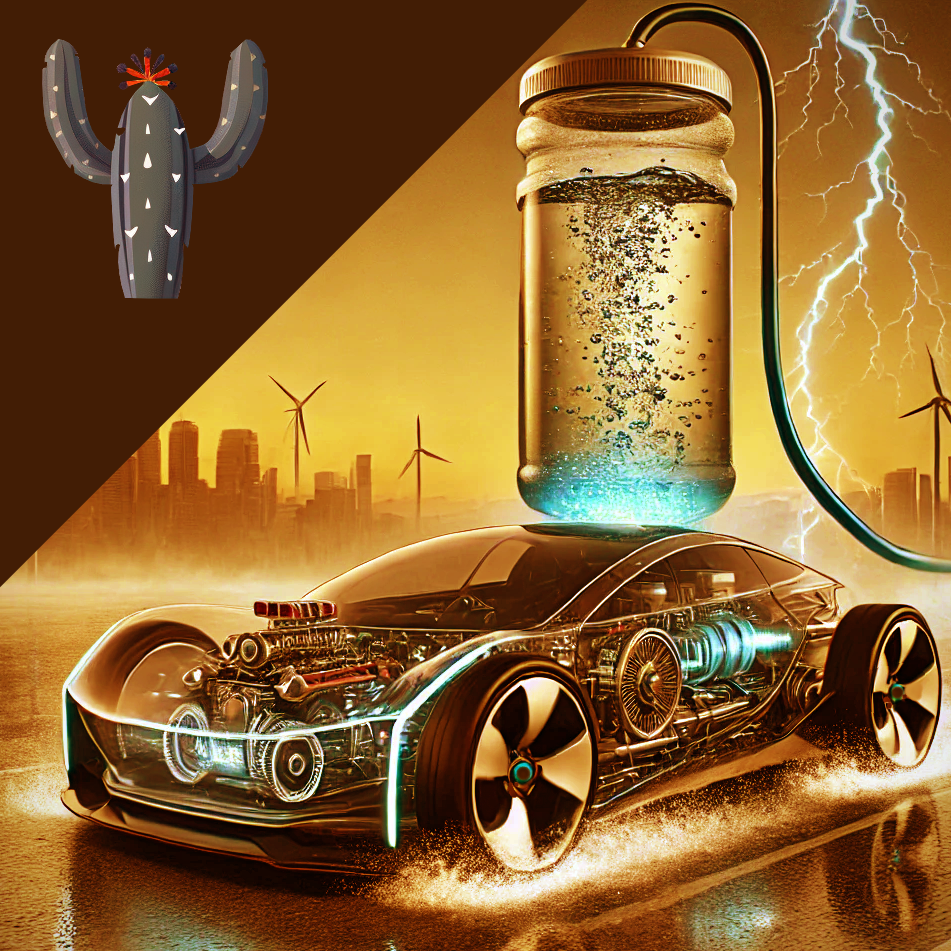
The quest for a clean, renewable energy source to power our cars has led to fascinating technological advancements. From electric vehicles (EVs) to hydrogen fuel cells, innovators are constantly exploring new ways to reduce our reliance on fossil fuels. Imagine, however, a car that could run on water and generate power through a process inspired by the natural phenomenon of lightning. Enter Zeus, a futuristic engine mechanism that mimics the power of lightning in the sky to generate energy from water, offering the potential for a revolutionary change in how we drive.
In this article, we’ll explore the science behind the Zeus engine, how it works, and why this could be the next big thing in clean energy vehicle technology.
What is Zeus?
Zeus is a conceptual water-based engine mechanism inspired by how lightning occurs in nature. Just as thunderstorms produce intense electrical energy by separating and releasing atmospheric charges, the Zeus engine aims to use water to create a similar energy-producing process. Named after the Greek god of lightning, Zeus seeks to harness the immense power stored in water molecules by separating hydrogen and oxygen and utilizing that energy to power vehicles.
In simple terms, Zeus is a cutting-edge electrolysis and electric charge storage system designed to convert water into a renewable energy source, much like how nature's lightning creates energy from electrical charge buildup.
How Does Zeus Work?
The concept of Zeus revolves around water electrolysis and electrical charge generation. Here’s a step-by-step breakdown of how the Zeus mechanism would work:
Charge Buildup – Water Ionization
Much like how lightning occurs due to the buildup of charges within a cloud, Zeus creates electrical potential by separating charges in water. Using a specialized ionization chamber, water (either freshwater or seawater) is split into its fundamental components–hydrogen and oxygen–through a process known as electrolysis.
In this process:
Water molecules (H₂O) are broken down into hydrogen and oxygen using a controlled electric current.
The hydrogen is stored and later used in a fuel cell or burned to produce energy, while the oxygen may be released back into the environment or used in other parts of the system.
Energy Storage – Supercapacitors
Once the electrical charge has been separated from the water, it’s stored in supercapacitors. These components act like the cloud in a thunderstorm, holding onto the energy until it's needed. Supercapacitors are highly efficient at storing and quickly releasing electrical energy, making them ideal for fast energy transfer.
This storage mechanism ensures that the Zeus engine can accumulate energy and deliver it when the vehicle needs to accelerate or drive long distances.
Controlled Lightning Discharge – Powering the Car
Just as lightning releases an enormous burst of energy after charge buildup, the Zeus engine uses the stored energy to power the vehicle’s electric motor. This controlled discharge provides the necessary power to drive the car, ensuring smooth acceleration and efficient performance.
The key difference between Zeus-powered cars and traditional electric vehicles is that the energy generated within the Zeus engine comes directly from water, rather than relying on large external charging stations or gasoline.
Regenerative Energy – A Self-Sustaining System
What makes Zeus even more remarkable is its ability to regenerate energy while the car is in motion. Through advanced regenerative braking and solar panel technology, the vehicle can replenish its charge while driving, further reducing the need for external energy sources.
In essence, the Zeus engine would be a self-sustaining system, with water acting as both the fuel and energy carrier. Drivers could fill their cars with water, and the vehicle would convert it into clean energy on demand.
Zeus vs. Traditional Engines: What Makes It Revolutionary?
Eco-Friendly and Emission-Free
The Zeus engine produces zero emissions, unlike traditional gasoline engines that burn fossil fuels and release harmful pollutants into the atmosphere. The only byproduct of the Zeus process is water vapor, which makes it an incredibly eco-friendly option for reducing the carbon footprint of the automotive industry.
Abundant Fuel Supply
Water is one of the most abundant resources on the planet. By using water as a fuel source, Zeus-powered cars eliminate the need for drilling, refining, and transporting fossil fuels. Whether using freshwater or seawater, this technology opens up a sustainable and endless energy supply.
No More Refueling Hassles
Traditional electric vehicles rely on external charging stations, which can be inconvenient, especially in regions with limited charging infrastructure. With Zeus, drivers could simply refill their car's water tank, and the engine would take care of the rest. This could revolutionize travel and long-distance driving, particularly in areas where electricity or gasoline is hard to access.
Enhanced Efficiency
Thanks to its advanced supercapacitors, the Zeus engine would be more efficient than conventional electric car batteries, which can lose charge over time. Supercapacitors are designed for high-speed charge and discharge cycles, ensuring that drivers get maximum performance without the long wait times associated with battery charging.
Challenges Ahead for Zeus-Powered Cars
While the Zeus engine presents an exciting vision for the future of transportation, several challenges still need to be addressed before it becomes a reality.
Energy Input for Electrolysis
Electrolysis, the process of splitting water into hydrogen and oxygen, requires a significant amount of energy. Finding a highly efficient and renewable source of energy to drive this process is essential to making Zeus economically and environmentally viable.
Safety Concerns
Hydrogen is a highly flammable gas, and managing the production, storage, and use of hydrogen in a safe manner is critical. The Zeus system would need to be designed with robust safety features to prevent leaks and ensure the controlled release of energy.
Durability and Cost
Developing the materials required for efficient electrolysis, ionization, and energy storage in supercapacitors could be costly. Additionally, ensuring the long-term durability of these components in various driving conditions would be necessary for widespread adoption.
The Future of Zeus: A Water-Powered World?
Despite these challenges, the Zeus engine represents a bold step toward the future of water-based energy. With ongoing advancements in electrolysis, fuel cell technology, and supercapacitor efficiency, it's not far-fetched to imagine a world where cars can run on water, powered by the same principles that create lightning in the sky.
In a world increasingly focused on sustainability and environmental preservation, Zeus-powered cars could be the key to unlocking a future where clean energy transportation is available to all. With water as fuel, we could finally move beyond the era of fossil fuels and embrace an eco-friendly, renewable future for transportation.
Zeus-Powered Cars: The Lightning of the Future is not just a dream, but a concept rooted in science and innovation. As researchers and engineers continue to push the boundaries of what’s possible, we may one day see Zeus engines revolutionize the way we travel, turning water into clean, sustainable energy on the go.
Tag Search

Ads
SubMeet


Ads

Rose

