
SubMeet Blog Posts
Write your:
Biography, story, article or tidings.
Maximum 50.000  symbols (Depends on the browser) one post.
Maximum 10 posts per day, 100 posts per month, for one user.
We recommend using the Firefox browser to publish a post.



 Marshal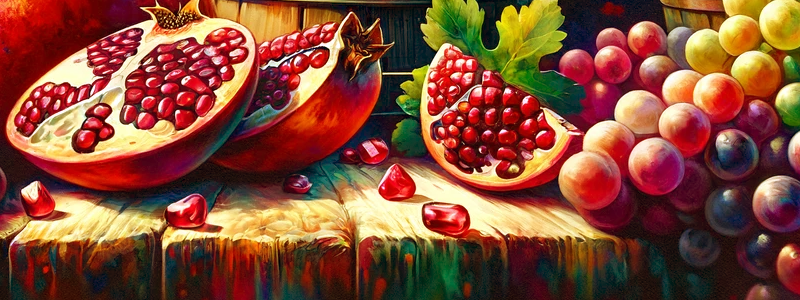
Introduction
Embarking on the journey of home wine-making is both a science and an art. This article delves into the intricate process of crafting wine from different grape varieties and pomegranates, integrating global traditions and modern techniques.
Understanding Wine Yeast and Its Preparation
Before diving into wine production, it's crucial to understand wine yeast, a pivotal component in winemaking. Wine yeast is a type of yeast specifically cultivated for fermenting grape juice into wine. Its role is to convert the sugars in the grape juice into alcohol and CO2 through fermentation.
Crafting Natural Wine Yeast: A Guide to Making Homemade Raisins for Winemaking
1. Selecting Your Grapes: The Foundation of Natural Yeast
Start with organic grapes to ensure your homemade raisins are free from pesticides and chemicals. The grape variety can align with your wine preferences, offering a personalized touch to your winemaking process.
2. Gentle Preparation: Preserving the Natural Yeast
Rinse the grapes gently to maintain the integrity of the natural yeast on their skins. Removing them from their stems ensures an even drying process.
3. The Art of Drying: Sun-Dried for Perfection
Sun drying is the traditional method for making raisins. Spread the grapes on a clean surface and let them bask in the sun, turning them occasionally for uniform drying. A thin net or cheesecloth can be used for protection against insects and dust.
4. Alternative Drying Methods: Oven and Dehydrator Techniques
An oven set to the lowest temperature or a food dehydrator can be used in climates not conducive to sun drying. Ensure proper air circulation to mimic the natural drying process.
5. Identifying Dryness: The Transition to Raisins
When shriveled, darker, and not juicy, your grapes have transformed into raisins with intact, slightly sticky skins.
6. Storage Solutions: Preserving Your Homemade Raisins
Store your raisins in an airtight container in a cool, dry place, ready for winemaking.
7. Using Your Raisins in Winemaking: Natural Yeast Activation
Rehydrate your homemade raisins in warm water (leave in not-too-hot water for about an hour, then drain the water, drain the raisins, and let them dry for about an hour) before adding them to your wine must. This activates the natural yeasts and prepares them for fermentation.
8. Quantity Guidelines: Perfecting the Balance
A general rule of thumb is to use about 1 cup of homemade raisins per gallon (3.78 liters) of wine must, ensuring enough natural yeast for effective fermentation.
Embracing Tradition in Modern Winemaking
Using homemade raisins as a natural yeast source is a nod to traditional winemaking practices. While the results may vary compared to commercial yeasts, this method adds a unique, personal touch to your homemade wine, connecting you to the age-old art of winemaking.
Optimizing Grape and Pomegranate Juice Quality: The Role of Stems and Peels in Juicing
When crafting the perfect grape or pomegranate juice, the details matter. A common question among juice enthusiasts and amateur winemakers is whether to include grape stems and pomegranate peels in the juicing process.
Understanding the Impact of Grape Stems in Juicing
Grape stems, often called tails, contain tannins and other compounds that can significantly affect the taste of grape juice. Tannins and Bitterness: Tannins in grape stems can lead to a bitter and astringent flavor, which might be undesirable in grape juice. Selective Use in Winemaking: While some winemakers include stems in red wine fermentation for added complexity and structure, they are typically not crushed along with the grapes. For white wines and grape juices, stems are usually removed to avoid imparting any bitterness.
The Role of Pomegranate Peels in Juice Quality
Unlike the arils, which are the juicy, edible pomegranate seeds, the peels are not commonly used in juicing due to their flavor profile. Avoiding Bitterness: Pomegranate peels are known for their bitter taste, which can overshadow the natural sweetness and tartness of the arils. Effective Juicing Techniques: To extract the best flavor, separate the arils from the peel and membrane using a water bowl before crushing or pressing for juice.
Flavor Preservation: Excluding stems and peels during juicing ensures a high-quality beverage, rich in natural flavors and devoid of unwanted bitterness. Experimentation with Caution: If you're experimenting with incorporating stems or peels, consider starting with small batches to gauge the impact on flavor.
Grape Winemaking: Varieties and Processes
Grape wine can vary greatly depending on the grape variety used. Here's a step-by-step guide tailored to different grape types:
Selecting Grapes: Choose high-quality, ripe grapes. Popular varieties include Cabernet Sauvignon, Merlot, and Chardonnay, each offering unique flavor profiles.
Crushing and Destemming: This process releases the juice from the grapes. For red wines, keep the skins during fermentation for color. For white wines, remove the skins. In Italy and France, grapes were historically crushed by foot. Modern home winemakers use mechanical crushers.
Fermentation: Add the prepared wine yeast to the grape juice. Fermentation times vary - red wines generally ferment for longer than white wines. Fermentation usually takes about one to two weeks. Monitor the temperature and sugar levels. The ideal fermentation temperature is between 68°F and 72°F.
Pressing: After fermentation, separate the solids from the liquid. For red wines, this happens post-fermentation, while for white wines, it occurs pre-fermentation.
Aging and Bottling: Age the wine in barrels or bottles. Aging periods differ, with some wines benefiting from longer aging. After aging (1-2 weeks), wine sediment may remain in the container (it is better if the container is glass: a carboy or demijohn), pour clear wine from above the container using a special hose (final bottling); a hose that is not intended for technical purposes.
Pomegranate Winemaking: A Unique Twist
Pomegranate wine, while less traditional, offers a unique and flavorful experience:
Preparing Pomegranates: Choose ripe pomegranates. Juice the fruit, ensuring you remove any seeds or pith.
Fermentation: Like grape wine, add activated wine yeast to the pomegranate juice (using homemade raisins as a natural yeast). Ferment at a controlled temperature for about two weeks.
Aging: Pomegranate wine generally requires less aging than grape wine. Taste periodically to determine the suitable aging period.
Fermenting grape wine in containers is a crucial part of the winemaking process. The choice of container can significantly affect the wine's flavor, aroma, and overall quality. Here's a guide on how to ferment wine in various types of containers:
Types of Fermentation Containers
Stainless Steel Tanks
Usage: Common in commercial and modern wineries for both primary and secondary fermentation. Advantages: Easy to clean, resistant to oxidation, and doesn't impart additional flavors to the wine. Considerations: They're inert and don't contribute to aging like oak barrels.
Oak Barrels
Usage: Traditional choice for fermenting and aging wine, especially reds. Advantages: Oak imparts complex flavors and tannins to the wine, aiding its development. Considerations: The type of oak, the size of the barrel, and its age can influence the wine's flavor.
Glass Carboys or Demijohns
Usage: Popular among home winemakers for smaller batches. Advantages: Non-reactive, easy to clean, and allows visual fermentation monitoring. Considerations: They are fragile and need protection from light.
Covering Method
Loose Lid or Cloth Covering: For open containers, you can use a loose-fitting lid or cover it with a clean, breathable cloth, like muslin or cheesecloth. This allows carbon dioxide to escape while keeping out insects, dust, and other contaminants.
Securing the Cloth: If using a cloth, tie it around the container's rim with a rubber band or string to ensure it stays in place.
The frequency of stirring the wine (with a wooden stick)
Purpose of Stirring: In wine fermentation, stirring is essential to submerge the "cap" - the layer of skins and solids that rise to the top. This helps in extracting color, flavor, and tannins from the skin.
Frequency: Wine must be typically stirred one to three times a day. The exact frequency can vary based on the winemaker's preference and the specific stage of fermentation.
Gentle Stirring: Stir gently to avoid excessive oxygenation, which can lead to unwanted oxidation.
Assessment: The need for stirring also depends on how the fermentation progresses. If the fermentation is vigorous, less stirring might be needed.
Post-Fermentation: Once fermentation slows down or stops (usually signaled by a decrease in bubbling or foaming), stirring should be reduced or stopped to minimize oxygen exposure. After each stirring, wash the wooden stick with clean water and place it in a clean and slightly elevated position on two sticks in a parallel (horizontally, not vertically) position.
Temperature Range: Yeast activity is influenced by temperature, with different strains exhibiting optimal fermentation ranges. Generally, for most wine yeast strains, the ideal temperature range falls between 60°F to 75°F (15°C to 24°C), and lighting is not in direct sunlight.
When it comes to storing ready-made wine, proper storage conditions are essential to maintain its quality and aging potential. Here's a guide to storing wine, covering containers, lighting, and location:
Container: For individual bottles, select dark-colored glass bottles, preferably green or amber. Ensure that the bottles are sealed with a tight-fitting cork or screw cap to prevent oxidation and maintain freshness. If storing larger quantities of wine, consider using stainless steel tanks or oak barrels.
Lighting: Wine should be stored in a dark environment. If lighting is necessary for visibility, use low-intensity, incandescent lighting sparingly or install dimmer switches to control brightness.
Location: The ideal storage location for wine is a cool, dark, and vibration-free space with consistent temperature and humidity levels. Temperature fluctuations can negatively impact wine aging, so aim to store wine at a stable temperature between 45°F to 65°F (7°C to 18°C). Additionally, maintain relative humidity levels between 50% to 80% to prevent cork drying and oxidation.
Storage Position: Store wine bottles horizontally to keep the cork moist and in contact with the wine, which helps to prevent air from entering the bottle and causing oxidation. However, if the wine has a screw cap or synthetic cork closure, storing bottles vertically is acceptable.
Ventilation: Adequate ventilation is crucial to prevent musty odors and mold growth in storage areas. Ensure proper air circulation by avoiding overcrowding and allowing space between wine bottles or storage racks. Consider installing a ventilation system or using dehumidifiers in humid climates to maintain optimal storage conditions.
International Perspectives and Traditions
Wine-making has rich traditions across the world. In France, winemaking is an art passed down through generations, focusing on grape varieties like Pinot Noir and Sauvignon Blanc. Italy is renowned for its diverse grape types, from Sangiovese to Nebbiolo. Meanwhile, pomegranate wine is a specialty in Middle Eastern countries, reflecting a blend of ancient practices and local fruit varieties. While less common than grape wine, pomegranate is a traditional beverage in countries like Armenia and Israel.
Conclusion
Creating wine at home is rewarding and blends tradition with personal taste. Whether working with different grape varieties or exploring the exotic flavors of pomegranate, each batch of homemade wine is a testament to the winemaker's skill and the rich heritage of winemaking. Remember, the key to successful winemaking lies in understanding the ingredients, respecting the process, and embracing the journey of learning and discovery.
 NFT
NFT
Introduction
The dilemma of peeling fruits like kiwi, apple, pear, and peach is more than just a matter of taste-it's a question with nutritional implications. This article explores the health impacts of fruit skins, combining expert advice and scientific research to guide your fruit consumption choices.
Nutritional Benefits of Fruit Peels
Fruit peels are often more than just barriers to the juicy goodness inside-they are rich in nutrients. Peels typically contain higher amounts of fiber, vitamins, minerals, and antioxidants than the fruit inside. Notably, they possess flavonoids with anticancer, antidiabetic, and anti-inflammatory properties. Incorporating the peel with the pulp can significantly boost your intake of these essential nutrients.
Scientific Insights on Eating Fruit with Peels
Health and Nutritional Value
Scientific studies highlight that fruit peels are nutritious but also balanced and tasty. They are increasingly emphasized in health-conscious diets due to their high nutritional value compared to the pulp. These peels often have more potent antioxidant, anti-inflammatory, and anti-tumor activities than the fruit's flesh.
Considerations for Consumption
The decision to eat fruit peels depends on various factors, including the amount of pesticide residues, nutrient content, ease of peeling, and fruit texture. However, comprehensive studies still need to be done to guide the scientific intake of fruit peels.
Recommendations for Safe Consumption
Given the potential risks of pesticide residues, it is advised that fruit peels be thoroughly washed before consumption. This practice allows you to enjoy the benefits of fruit peels while minimizing health risks.
Individual Fruit Analysis
Kiwi
The fuzzy exterior of kiwis is rich in nutrients and completely edible. Eating the skin can increase the fruit's nutrient intake by up to 50%.
Apple
Apple peels are rich in vitamins and antioxidants, contributing significantly to the fruit's nutritional value.
Pear
Pear skins are high in fiber and enhance the benefits of the fruit for gut health.
Peach
Peach skins provide antioxidants and fiber. The texture might be off-putting for some, but they offer significant health benefits.
Conclusion
Deciding whether to peel fruits like kiwi, apple, pear, and peach is a multifaceted decision involving taste preferences, nutritional benefits, and safety considerations. This guide, informed by scientific research and expert opinions, aims to provide comprehensive information for making well-informed choices about fruit consumption.
Marshal
Genre: Romantic Adventure
Set against the stunning backdrop of Mount Toubkal, the story follows Miranda Sterling and Catherine Noir, who embark on a trekking adventure. They encounter two pairs of brothers, Ethan and Liam, who are accompanied by their loyal dogs, a spirited Border Collie named Jasper and a gentle Golden Retriever named Bailey. As they climb the mountain, the women find themselves drawn to the brothers, with the dogs playing a crucial role in distinguishing and deepening their connections.
Chapter 1: The Meeting
Miranda and Catherine arrive at the base of Mount Toubkal, ready for their journey. They meet Ethan and Liam, instantly taken by their charm. Ethan's dog, Jasper, is energetic and playful, while Liam's dog, Bailey, is calm and nurturing.
Catherine: "I've always had a soft spot for Border Collies. Jasper's energy is infectious!"
Ethan: "He's a bundle of joy. Keeps me on my toes."
Miranda: "And Bailey seems like a gentle soul."
Liam: "He's the perfect hiking companion. Calm and steady."
Chapter 2: The Ascent
As they ascend, the group bonds over shared challenges and experiences. Catherine is drawn to Ethan's adventurous spirit, mirrored by Jasper's enthusiasm. Meanwhile, Miranda connects with Liam, finding comfort in Bailey's serene presence.
Chapter 3: Under the Stars
Around the campfire, the group shares stories. The brothers' distinct personalities become more evident through their interactions with their dogs. Ethan and Jasper's playful antics bring laughter, while Liam and Bailey's quiet companionship offers peace.
Catherine (laughing at Jasper's antics): "Ethan, your energy and Jasper's are a perfect match."
Ethan: "We do make a great team."
Miranda (watching Bailey rest his head on Liam's lap): "There's something special about the bond you two share."
Liam: "He's more than a pet; he's a part of me."
Chapter 4: The Summit
Reaching the summit, the group celebrates. Catherine and Ethan, spurred by Jasper's playful encouragement, share a moment of closeness. Simultaneously, Miranda and Liam, with Bailey lying beside them, find solace in each other's company.
Chapter 5: Realizations and Revelations
During the descent, the relationships deepen. The women realize their affection is not just for the brothers but also for each brother's unique bond with his dog.
Chapter 6: Love and Loyalty
Back at the base camp, Miranda and Catherine reflect on their journey. They acknowledge that their love for Ethan and Liam is intertwined with their admiration for the brothers' relationships with Jasper and Bailey.
Chapter 7: New Dreams in Marrakech
Miranda, Liam, Catherine, and Ethan embark on a new chapter of their lives in the vibrant city of Marrakech. Discussions of marriage, family, and future dreams fill their days.
Chapter 8: Union of Hearts
The couples celebrate their love in dual wedding ceremonies under the Moroccan stars. Each vow and promise signifies a deep commitment to their shared future.
Catherine: "With you, Ethan, every day is an adventure. I promise to cherish our journey wherever it leads us."
Chapter 9: The Joy of Family
Miranda and Liam welcome their daughter, Laila, while Catherine and Ethan are blessed with a son, Sami. The joys and challenges of parenthood bring a new depth to their relationships.
Liam: "Laila is our little miracle. She's the beginning of everything."
Catherine: "Sami, with his bright eyes, is our new world."
Chapter 10: Birth of 'Summit Tents'
Inspired by their adventures and new roles as parents, the couples establish 'Summit Tents,' a venture combining their passions and skills.
Miranda: "Our business is more than tents. It's about sharing the spirit of adventure that brought us together."
Chapter 11: From Vision to Reality
As 'Summit Tents' grows from a dream into a thriving business, the families balance their professional ambitions with the joys of raising their children.
Ethan: "Seeing 'Summit Tents' come to life, just like our family, it's incredible. We're creating something that lasts."
Chapter 12: Return to the Summit
The families return to Mount Toubkal, introducing their children to where their journeys began, symbolizing the full circle of their love and adventures.
Miranda: "Returning here with Laila, sharing this part of our story, it feels like everything's come full circle."
Catherine: "And Sami, experiencing Toubkal for the first time, it's like reliving our first steps."
Conclusion:
As they stand at the base of Mount Toubkal, the families reflect on their journey - from the challenges of the mountain to the joys of love, marriage, and parenthood. The establishment of 'Summit Tents' marks a new chapter in their lives, one rooted in shared experiences and dreams.
Liam: "Every step, every challenge, brought us here. Together, we've built something beautiful."
Ethan: "It's more than a business; it's a legacy of our adventure, our love."
The story of "Echoes of Toubkal: Love and Loyalty" closes with a sense of accomplishment and hope, capturing the essence of enduring love, the spirit of adventure, and the unbreakable family bonds. With its lively streets and rich culture, Marrakech remains a backdrop to their lives, symbolizing the vibrant tapestry of their shared journey.
 VIP
VIP
Introduction:
Embark on a literary journey as we explore the captivating worlds created by ten of the most remarkable modern women authors. These masterminds have made significant contributions to the fiction and detective genres, offering narratives that are as enthralling as they are profound. Discover their bestselling works, delve into the lives of these literary icons, and enjoy a sneak peek into their most famous novels.
1. Gillian Flynn 'Gone Girl' (2012)
Summary: A psychological thriller that intricately unravels the complexities of marriage and media influence.
Author: Gillian Flynn, known for her edgy and suspenseful storytelling, has revolutionized the thriller genre.
Excerpt: "When I think of my wife, I always think of her head. The shape of it, to begin with..."
2. Paula Hawkins 'The Girl on the Train' (2015)
Summary: A riveting narrative of a woman entangled in a chilling investigation.
Author: Paula Hawkins stands out for her ability to craft twisty and intense psychological thrillers.
Excerpt: "There is a pile of clothing on the side of the train tracks. Light-blue cloth..."
3. Tana French 'The Dublin Murder Squad' series
Summary: A series set in Dublin, each book weaving a different intricate murder mystery.
Author: Tana French is renowned for her eloquent prose and deep character development.
Excerpt from 'In the Woods': "I am aware that, in the grand scheme of things, a dead child rates pretty low..."
4. Celeste Ng 'Little Fires Everywhere' (2017)
Summary: Exploring family dynamics and societal norms in a suburban setting.
Author: Celeste Ng is acclaimed for her poignant narratives that delve into relationships and identity.
Excerpt: "Everyone in Shaker Heights was talking about it that summer: how Isabelle, the last of the Richardson children..."
5. J.K. Rowling (as Robert Galbraith) 'The Cuckoo's Calling' (2013)
Summary: A detective novel featuring private investigator Cormoran Strike solving a high-profile murder.
Author: J.K. Rowling, under the pseudonym Robert Galbraith, showcases her versatility in genre.
Excerpt: "The buzz in the street was like the humming of flies. Photographers stood massed behind barriers patrolled by police..."
6. Liane Moriarty 'Big Little Lies' (2014)
Summary: A tale of murder and secrets in an affluent town, blending humor with suspense.
Author: Liane Moriarty is known for her engaging and suspenseful storytelling.
Excerpt: "That doesn't sound like a school trivia night," said Mrs. Patty Ponder to Marie Antoinette. "That sounds like a riot..."
7. Louise Penny 'Still Life' (2005)
Summary: This is the first series featuring Chief Inspector Armand Gamache solving complex mysteries in Quebec.
Author: Louise Penny is celebrated for her richly detailed settings and complex characters.
Excerpt: "Miss Jane Neal met her maker in the early morning mist of Thanksgiving Sunday. It was pretty much a surprise all around..."
8. Chimamanda Ngozi Adichie 'Americanah' (2013)
Summary: A powerful story of race, love, and identity.
Author: Chimamanda Ngozi Adichie is renowned for her insightful storytelling.
Excerpt: "Princeton, in the summer, smelled of nothing, and although Ifemelu liked the tranquil greenness of the many trees..."
9. Margaret Atwood 'The Handmaid's Tale' (1985)
Summary: A dystopian novel exploring power, gender, and religious extremism.
Author: Margaret Atwood is a literary icon known for her brilliant dystopian works.
Excerpt: "We slept in what had once been the gymnasium. The floor was of varnished wood, with stripes and circles painted on it..."
10. Kate Atkinson 'Case Histories' (2004)
Summary: A novel intertwining complex cases tackled by private investigator Jackson Brodie.
Author: Kate Atkinson is recognized for her ingenious storytelling and character development.
Excerpt: "Cambridge was sweltering under an unusually fierce early summer sun. Jackson Brodie, ex-army, ex-police, ex-private detective..."
Conclusion:
This selection of ten modern women authors illustrates the richness and diversity of contemporary literature. From the dark twists of 'Gone Girl' to the introspective journey of 'Americanah,' each novel offers a unique and unforgettable reading experience. Their stories resonate with readers worldwide, making them bestselling authors and influential voices in modern literature.
Marshal
Discover our list of ten medieval fiction books by renowned authors, showcasing a rich array of narratives from chivalric adventures to romantic tales.
Delve into the rich tapestry of medieval life with our handpicked list of ten captivating fiction books by known medieval authors. These selections steer clear of overtly religious themes, offering a diverse portrayal of a bygone era through the eyes of its most creative minds.
1. "The Romance of the Rose" by Guillaume de Lorris and Jean de Meun
Book Summary: An allegorical dream vision exploring the art of love, combining poetry and philosophy.
Author's Background: Guillaume de Lorris and Jean de Meun, French authors, are known for their rich, allegorical style in this influential medieval romance.
Acclaim: "A profound and complex exploration of love and society in medieval times." - Medieval Romance Specialist
2. "The Canterbury Tales" by Geoffrey Chaucer
Book Summary: A timeless classic comprising various stories told by a group of pilgrims traveling to Canterbury, ranging from humorous to moral tales.
Author's Background: Geoffrey Chaucer, known as the father of English literature, is celebrated for his vivid and comprehensive portrayal of medieval society.
Acclaim: "Chaucer's work remains a masterpiece of English literature, capturing the essence of medieval life." - Medieval Studies Scholar
3. "Le Morte d'Arthur 2" by Sir Thomas Malory
Book Summary: A compilation of Arthurian legends, including tales of King Arthur, Merlin, and the Knights of the Round Table, focused on chivalry and adventure.
Author's Background: Sir Thomas Malory, an English knight, is best known for this comprehensive collection of Arthurian tales.
Acclaim: "Malory's interpretation of the Arthurian legends is both rich and compelling." - Arthurian Lore Expert
4. "The Book of the City of Ladies" by Christine de Pizan
Book Summary: An allegorical work that constructs a metaphorical city where women are appreciated and defended, challenging the misogynistic views of the time.
Author's Background: Christine de Pizan, a Venetian-born French author, is regarded as one of the earliest feminists in Western literature.
Acclaim: "Christine's visionary work stands as a testament to the intellectual capabilities of women." - Feminist Literary Scholar
5. "Tirant lo Blanc" by Joanot Martorell
Book Summary: A chivalric romance that narrates the adventures of the knight Tirant lo Blanc in Europe and the Byzantine Empire.
Author's Background: Joanot Martorell, a Valencian knight and author, is celebrated for his contribution to Catalan literature.
Acclaim: "A masterpiece of Iberian literature, 'Tirant lo Blanc' combines realistic warfare with courtly romance." - Iberian Literary Historian
6. "Amadis de Gaula" by Garci Rodríguez de Montalvo
Book Summary: A pioneering chivalric romance that tells the story of the knight Amadis and his adventures in a quest for love and honor.
Author's Background: Garci Rodríguez de Montalvo, a Spanish author, is known for his significant contribution to the development of the chivalric romance genre.
Acclaim: "Montalvo's work is a cornerstone in the evolution of European literature." - Spanish Literature Professor
7. "The Golden Ass" by Apuleius
Book Summary: A unique blend of romantic adventure, fable, and religious myth, narrated by a man transformed into a donkey.
Author's Background: Apuleius, a Latin-language prose writer, is known for his imaginative storytelling and rich use of language.
Acclaim: "Apuleius' novel stands out for its creativity and vivid characterizations." - Classical Literature Expert
8. "The Travels of Sir John Mandeville" by John Mandeville
Book Summary: A travel memoir that presents a fantastic and exaggerated depiction of the world beyond Europe, full of strange creatures and customs.
Author's Background: John Mandeville, a supposed English knight, is best known for this influential and imaginative travelogue.
Acclaim: "A fascinating glimpse into medieval perceptions of the wider world." - Travel Literature Historian
9. "Erec and Enide" by Chrétien de Troyes
Book Summary: A romantic tale that explores the balance between love and chivalric duty in the story of Erec and his wife Enide.
Author's Background: Chrétien de Troyes, a French poet, is celebrated for his contributions to the Arthurian romance genre.
Acclaim: "Chrétien's work is an essential exploration of medieval romance and knighthood." - French Literary Critic
10. "The Decameron" by Giovanni Boccaccio
Book Summary: A collection of 100 tales, ranging from the erotic to the tragic, told over ten days by a group escaping the Black Death in Florence.
Author's Background: Italian writer Giovanni Boccaccio, a key figure in Renaissance literature, is known for his insightful observations of human nature.
Acclaim: "Boccaccio's narratives are a masterclass in storytelling, full of wit and wisdom." - Renaissance Literature Professor
Conclusion: These ten books provide a window into the medieval mindset, highlighting the era's literary diversity and richness. From chivalric adventures to allegorical romances, each book offers a unique perspective on the medieval world.
 VIP
VIP
Introduction:
Navigating the demands of a bustling career, a vibrant family life, and self-care is a remarkable challenge that businesswomen with families often face. This article delves into practical and effective strategies for organizing a working day and optimizing weekends. Our goal is to empower you to achieve a harmonious balance between your professional ambitions, family responsibilities, and personal well-being.
Organizing the Working Day
Prioritize and Plan:
"The key to efficiency is to prioritize tasks based on their importance and deadline," says Dr. Jane Smith, a renowned productivity expert. Start your day by identifying critical tasks. Using digital tools for planning and reminders can significantly enhance time management.
Set Achievable Goals:
Goals should be specific, measurable, achievable, relevant, and time-bound (SMART). This approach, recommended by business coaches, helps in balancing professional duties with family commitments.
Delegate Effectively:
"Delegation isn't just a workplace strategy, but a family strategy as well," notes family therapist Emily Johnson. At work, empower your team by delegating tasks. At home, involve your spouse and children in age-appropriate chores, fostering a sense of teamwork.
Incorporate Breaks:
Regular breaks are vital for maintaining productivity. "Short breaks throughout the day can significantly reduce stress and improve overall work performance," states psychologist Dr. Alan Green.
Flexible Work Arrangements:
If possible, negotiate flexible working hours or remote work opportunities. This flexibility can be crucial in managing school runs, family emergencies, and other parenting responsibilities.
Maximizing Weekend Time
Dedicated Family Time:
Reserve specific hours exclusively for family. Whether it's a movie night, a visit to the park, or a family meal, these moments are precious. "Quality time with family is crucial for emotional well-being," says child psychologist Dr. Lisa Brown.
Personal Time:
Don't forget to allocate time for self-care. Engage in activities that rejuvenate you, be it a hobby, exercise, or simply reading a book.
Plan for the Week Ahead:
Utilize part of your weekend to prepare for the upcoming week. This could involve meal planning, scheduling, or setting goals.
Engage in Educational Activities with Children:
Activities like DIY crafts, baking, or educational games not only strengthen family bonds but also contribute to your children's developmental growth.
Nurture Your Relationship:
"Investing in your marital relationship is as important as nurturing your career," emphasizes marriage counselor David Lee. Allocate time to connect with your spouse, maintaining the strength of your partnership.
Conclusion:
Striking a balance between a demanding career and a fulfilling family life is challenging but achievable. By implementing these expert-recommended strategies, you can create a life that thrives both professionally and personally.
Call to Action:
We'd love to hear how you manage your busy life as a businesswoman with a family. Share your tips, experiences, or questions in the comments below, and join our community of empowered women striving for balance and success.
VIP
Prologue
In the labyrinth of New York's steel and glass giants, two hearts wandered, each seeking a missing piece in the vast puzzle of the digital age. A serendipitous click was all it would take to intertwine their destinies in a romance written in the stars and coded in the binary heartbeats of the online world.
Chapter 1: The Veil of Loneliness
Juliette's fingers danced over her keyboard in a lonely waltz, each tapping a note in the symphony of her solitude. As the city hummed outside her apartment window, she crafted firewalls and algorithms, her digital shield against the world's chaos. Yet, in the quiet moments, she yearned for a connection that no code could decrypt.
Miles apart, Logan's gaze was fixed on a computer screen, his mind a fortress of unspoken stories and unresolved wrongs. A modern-day warrior wielding codes instead of swords, he fought battles in the shadows, his victories silent, his scars hidden in the binary code.
Chapter 2: Sparks in Cyberspace
One evening, as the neon glow bathed her room, Juliette's heart skipped a beat message from Logan, a kindred spirit on SubMeet. His words were a gentle probe, a soft tapping at the walls she had built.
"Are you as passionate about the classics as you are about C++?" he wrote his message a blend of curiosity and charm.
She replied with a smile curving her lips, "One must appreciate the classics to understand the complexities of the present, don't you think?"
Chapter 3: Enchantment Unveiled
Their first encounter was set amid the splendor of a charity ball, an oasis of elegance in the concrete desert. Juliette, draped in a gown that shimmered like starlight, her carnival mask an ivory lace whisper, felt her pulse quicken as she saw Logan. He was a vision of magnetic allure, his carnival mask an enigma carved in the jet.
As they met, their hands touched lightly, a current of unspoken recognition flowing between them. "May I have this dance?" Logan asked, his voice a velvety promise that sent shivers down Juliette's spine.
With each step and turn, their conversation flowed like a river, each word a pebble creating ripples in the waters of their souls. The carnival masks hid their faces but not their hearts, and as the night deepened, they found themselves lost in a world of their own.
Chapter 4: Echoes of the Past
In the days that followed, Logan shared his tale of betrayal, his voice a soft rumble of thunder in Juliette's ears. She listened, her heart aching for the injustice he had endured, her mind racing with ways to clear the storm clouds from his life.
"To be accused of a crime one did not commit... It's like being trapped in a storm with no shelter," he confessed under the canopy of night, his eyes seeking hers.
"We'll be the storm chasers then," she whispered back, her words a vow, "We'll clear the skies together."
Chapter 5: The Crescendo of Hearts
Their crusade against the falsehoods that bound him was fraught with challenges, but each obstacle surmounted brought them closer. And in those victories, small and large, their love flourished, blooming like a rose in concrete.
One evening, as they celebrated another small triumph, Logan's lips found Juliette's in a shower of kisses that spoke of gratitude, of battles fought and won, and of a future they would forge together. Their kisses were soft sonnets, each one a stanza in the poetry of their affection.
Epilogue
Atop the city, with the world sprawling beneath them, Juliette and Logan stood, their fingers entwined like the cables that bridged the city's heart. The whispers of their love story carried on the winds, were as timeless as the classics they adored and as current as the technology they mastered.
"For every line of code, there's a matching heartbeat," Logan murmured, his breath a warm brush against her ear.
"And for every heartbeat, a kiss," Juliette replied, turning to meet his lips once more, sealing their digital-age romance with the promise of infinite tomorrows.
 Admin
Admin
Journey into the world of shepherd dogs, where each breed offers a tapestry of history, myth, and indispensable service. From the iconic German Shepherd to the ancient Armenian Gampr, these breeds have carved their place in both reality and legend, guarding flocks and warming hearts.
The German Shepherd
With roots in Germany, the German Shepherd is a symbol of versatility, celebrated for its intelligence and courage. As one of the most popular breeds, they've served valiantly in various roles from service to protection, becoming modern-day legends.
Myth and Lore:
In folklore, German Shepherds are seen as guides through the underworld, embodying protection and justice, and their heroic deeds in wars and police service have solidified their mythical status.
The Belgian Malinois
The Belgian Malinois shares similarities with the German Shepherd but is distinct in its agility and work ethic. It has become a staple in military and police forces, and in legend, it is seen as the loyal companion of ancient warriors, symbolizing valor.
Myth and Lore:
Dark-coated Malinois are often depicted in tales as fearless guardians against unseen threats, enhancing their mystique as protectors in the night.
The Australian Shepherd
Despite its name, the Australian Shepherd originated in the United States and is known for its colorful coat and agility. They have been woven into the folklore of the wild outback, where they're said to herd stars in the night sky.
Myth and Lore:
Aussies are celebrated in stories for their boundless energy, with some tales whimsically suggesting they were born from the bond between a cowboy and his loyal dog.
The Border Collie
The Border Collie is famed for its intelligence and intense "eye," which commands flocks with precision. They are the bridge between the physical and spiritual realms, with British Isles folklore recounting their encounters with faeries and spirits.
Myth and Lore:
These dogs are featured in tales for outwitting otherworldly creatures, using their intelligence to protect their charges from supernatural harm.
The Shetland Sheepdog
Shelties originate from the mystical Shetland Islands and are believed to have faerie lineage. They are protectors of gardens and secrets in folklore, leading lost travelers to safety through foggy paths.
Myth and Lore:
Legends imbue Shelties with the ability to navigate the island's treacherous mists, a trait that endears them to those in search of a loyal and alert companion.
The Old English Sheepdog
Known for their shaggy coat, the Old English Sheepdog, or "Bobtail," is often likened to a benevolent spirit in English lore, guiding lost souls and herding spectral sheep on foggy moors.
Myth and Lore:
Their ghostly appearance in folklore adds to their charm, with tales of them appearing on misty evenings, heralding souls to the afterlife.
The Rough Collie
The Rough Collie is renowned for its role as Lassie, the hero of many stories. In Scottish legend, they are seen as sentinels, using a sixth sense to alert their owners to dangers unseen.
Myth and Lore:
Their legendary foresight in highland tales has made them symbols of protection and loyalty, standing guard over those they love.
The Welsh Corgi
Despite their small stature, Welsh Corgis are mighty in heart and ability. Their mythological history paints them as steeds for faeries, with their coat markings as evidence of their enchanted past.
Myth and Lore:
Corgi legends tell of these dogs carrying the spirits of warriors, ensuring their safe passage to the afterlife, reflecting their steadfast nature.
The Icelandic Sheepdog
The robust Icelandic Sheepdog is deeply ingrained in the island's sagas. They are celebrated for their playful nature and their roles in tales that pit them against trolls and natural elements.
Myth and Lore:
These dogs are described in sagas as heralds of volcanic eruptions, their howls intertwined with the primal forces of nature.
The Armenian Gampr
The Armenian Gampr is revered in Armenian myths as a giant among dogs. These powerful protectors are said to have fought alongside kings and are integral to the creation myths of Armenia.
Myth and Lore:
The Gampr's presence in ancient lore underpins their stature as guardians not just of flocks but of homes and kingdoms, embodying the spirit of the protector.
Conclusion:
Shepherd dogs, from the intelligent German Shepherd to the stoic Armenian Gampr, are more than herders or pets; they are legends brought to life, partners in humanity's journey, and symbols of unwavering loyalty.
Call to Action:
These breeds have stood by our side for millennia. As we continue to write new chapters with these noble animals, let us remember their storied past and the myths that celebrate their enduring legacy.
 VIP
VIP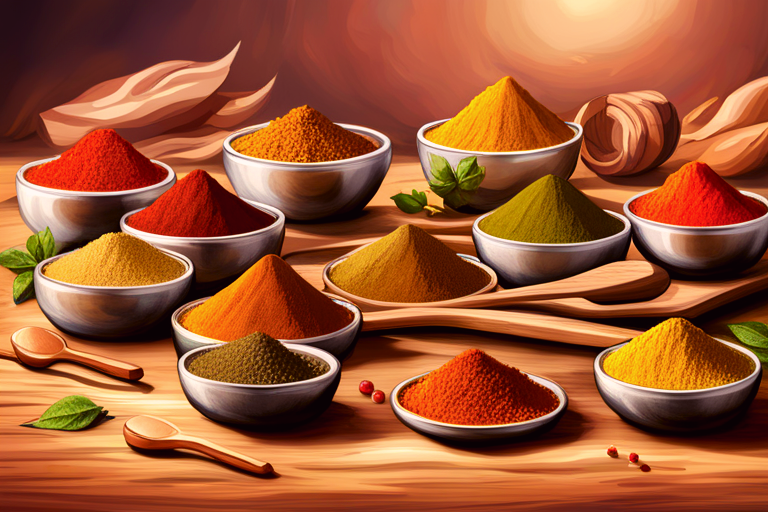
Uncover the medicinal properties of popular spices like turmeric, cinnamon, ginger, and more, and learn how these flavorful ingredients can alleviate common health concerns.
In the realm of culinary delights, spices not only add a burst of flavor to dishes but also boast remarkable healing properties that have been treasured for centuries. These essential spices have been revered in traditional medicine for their ability to alleviate various health concerns, ranging from inflammatory conditions to digestive issues. Let's explore the medicinal wonders of these 61 powerhouse spices and the diseases they have been known to treat:
1 Turmeric
2 Cinnamon
3 Ginger
4 Garlic
5 Cumin
6 Paprika
7 Cayenne pepper
8 Cloves
9 Nutmeg
10 Saffron
11 Cardamom
12 Fennel seeds
13 Coriander
14 Mustard seeds
15 Fenugreek
16 Rosemary
17 Thyme
18 Oregano
19 Basil
20 Parsley
21 Dill
22 Sage
23 Tarragon
24 Mint
25 Bay leaves
26 Chili powder
27 Allspice
28 Black pepper
29 White pepper
30 Anise
31 Annatto
32 Caraway seeds
33 Celery seeds
34 Chili flakes
35 Curry powder
36 Sichuan pepper
37 Za'atar
38 Star anise
39 Asafoetida
40 Mace
41 Sumac
42 Juniper Berries
43 Epazote
44 Grains of Paradise
45 Long Pepper
46 Ajwain
47 Mahlab
48 Tamarind
49 Amchur (Mango Powder)
50 Black Cumin (Nigella Seeds)
51 Lavender
52 Holy Basil (Tulsi)
53 Ashwagandha
54 Astragalus
55 Elderberry
56 Echinacea
57 Reishi Mushroom
58 Chaga Mushroom
59 Maitake Mushroom
60 Schisandra Berry
61 Ginseng
Turmeric: Known for its potent anti-inflammatory properties, turmeric is commonly used to alleviate symptoms associated with arthritis, joint pain, and inflammatory skin conditions.
Cinnamon: This aromatic spice has been linked to improving blood sugar levels and aiding in the management of type 2 diabetes. Additionally, it may help reduce the risk of heart disease by lowering cholesterol levels.
Ginger: Renowned for its soothing effects on the digestive system, ginger can ease nausea, reduce indigestion, and alleviate motion sickness. It is also believed to have anti-inflammatory benefits for conditions such as osteoarthritis.
Garlic: With its antimicrobial and immune-boosting properties, garlic is hailed for its ability to combat common colds and flu. It is also known to support heart health by regulating blood pressure and cholesterol levels.
Cumin: Often utilized for its digestive benefits, cumin aids in promoting healthy digestion and alleviating symptoms of irritable bowel syndrome (IBS) and bloating.
Paprika: Packed with antioxidants and vitamin A, paprika supports eye health and may help reduce the risk of age-related macular degeneration and cataracts.
Cayenne Pepper: Due to its active compound capsaicin, cayenne pepper is utilized for pain relief, particularly for migraines, joint pain, and nerve-related conditions like neuropathy.
Cloves: Known for their analgesic properties, cloves can provide relief from toothaches and gum pain. They also possess antimicrobial qualities, making them effective in combating oral infections.
Nutmeg: With its calming effects, nutmeg is often used to promote relaxation and aid in improving sleep quality. Additionally, it is believed to help alleviate symptoms of anxiety and depression.
Saffron: Recognized for its mood-enhancing properties, saffron is used to alleviate symptoms of mild to moderate depression and promote emotional well-being.
Cardamom: Renowned for its digestive properties, cardamom aids in alleviating gastrointestinal issues such as indigestion, bloating, and gas. It is also believed to have antibacterial properties that promote oral health.
Fennel Seeds: With their soothing effects on the digestive system, fennel seeds are commonly used to alleviate symptoms of irritable bowel syndrome (IBS), bloating, and constipation. They also possess antimicrobial properties that support oral health.
Coriander: Known for its detoxifying properties, coriander aids in the removal of heavy metals from the body and supports healthy liver function. It is also believed to have antimicrobial benefits that help combat foodborne pathogens.
Mustard Seeds: Rich in antioxidants and minerals, mustard seeds are linked to improved heart health and reduced risk of cardiovascular diseases. They may also aid in relieving respiratory congestion and promoting healthy digestion.
Fenugreek: Often used to regulate blood sugar levels, fenugreek is beneficial for individuals with diabetes. It is also believed to enhance milk production in breastfeeding mothers and may aid in alleviating menstrual discomfort.
Rosemary: With its potent antioxidant properties, rosemary supports brain health and cognitive function. It is also utilized for its anti-inflammatory benefits and has been linked to improving digestion and circulation.
Thyme: Known for its antimicrobial and antifungal properties, thyme is commonly used to alleviate respiratory issues such as coughs, bronchitis, and chest congestion. It is also believed to support healthy immune function.
Oregano: Packed with antioxidants and antimicrobial compounds, oregano is hailed for its immune-boosting properties and its ability to combat bacterial infections. It may also aid in reducing inflammation and supporting digestion.
Basil: With its anti-inflammatory and antibacterial properties, basil is used to promote digestive health and alleviate symptoms of inflammatory bowel conditions. It is also believed to support liver function and overall detoxification.
Parsley: Rich in vitamins and minerals, parsley supports kidney health and aids in detoxification. It is also known for its diuretic properties, promoting the elimination of excess water and toxins from the body.
Dill: Known for its digestive and anti-inflammatory properties, dill is commonly used to alleviate digestive issues such as indigestion, gas, and bloating. It is also believed to have antimicrobial benefits that support oral health.
Sage: With its cognitive and mood-enhancing properties, sage is utilized to improve memory, concentration, and overall mental clarity. It is also believed to have anti-inflammatory benefits and may support oral health.
Tarragon: Recognized for its digestive and appetite-stimulating properties, tarragon is commonly used to alleviate digestive discomfort and improve appetite. It is also believed to have antibacterial properties that promote oral health.
Mint: Renowned for its soothing effects on the digestive system, mint is utilized to alleviate symptoms of indigestion, bloating, and irritable bowel syndrome (IBS). It is also known for its refreshing aroma and cooling sensation.
Bay Leaves: Packed with antioxidants and essential minerals, bay leaves are known for their immune-boosting properties and may aid in the management of diabetes by regulating blood sugar levels. They are also utilized for their anti-inflammatory benefits.
Chili Powder: With its active compound capsaicin, chili powder is utilized for its pain-relieving properties and may aid in reducing inflammation. It is also known to support metabolism and promote weight management.
Allspice: Known for its antioxidant and anti-inflammatory properties, allspice is used to promote digestive health and alleviate symptoms of indigestion and bloating. It is also believed to have antimicrobial benefits.
Black Pepper: Packed with piperine, black pepper aids in enhancing nutrient absorption and may improve digestive function. It is also known for its antioxidant properties and has been linked to improving overall gut health.
White Pepper: With its antibacterial properties, white pepper is utilized for its digestive benefits and may aid in alleviating symptoms of indigestion and bloating. It is also known for its mild, slightly tangy flavor.
Anise: Renowned for its digestive and respiratory benefits, anise is commonly used to alleviate symptoms of indigestion, gas, and coughs. It is also believed to have antimicrobial properties that support oral health.
Annatto: Rich in antioxidants and carotenoids, annatto is known for its anti-inflammatory properties and may aid in promoting heart health by lowering cholesterol levels. It is also utilized for its natural coloring properties in various dishes.
Caraway Seeds: With its digestive and antimicrobial properties, caraway seeds are commonly used to alleviate symptoms of indigestion, bloating, and gas. They are also believed to support healthy heart function and improve cholesterol levels.
Celery Seeds: Renowned for their anti-inflammatory and diuretic properties, celery seeds are utilized to promote healthy blood pressure and aid in reducing water retention. They may also support digestive health and help alleviate arthritis symptoms.
Chili Flakes: With their active compound capsaicin, chili flakes are used to enhance metabolism and promote weight management. They are also known for their pain-relieving properties and may aid in reducing inflammation.
Curry Powder: Packed with a blend of spices such as turmeric, cumin, and coriander, curry powder is known for its anti-inflammatory and digestive benefits. It is utilized to enhance the flavor of various dishes, particularly in Indian and Southeast Asian cuisines.
Sichuan Pepper: Renowned for its numbing and tingling sensation, Sichuan pepper is commonly used in Sichuan cuisine to add a unique flavor profile to dishes. It is also believed to have antibacterial properties and may aid in digestion.
Za'atar: With its rich blend of herbs such as thyme, oregano, and sumac, za'atar is known for its immune-boosting and digestive benefits. It is commonly used in Middle Eastern cuisine to flavor salads, meats, and dips.
Star Anise: With its distinct licorice-like flavor, star anise is used to promote digestive health and alleviate symptoms of indigestion and gas. It is also believed to have antibacterial properties and may aid in promoting healthy skin.
Asafoetida: Known for its digestive and anti-inflammatory properties, asafoetida is commonly used in Indian cuisine to aid in digestion and alleviate symptoms of indigestion and bloating. It is also believed to have antimicrobial benefits.
Mace: Packed with antioxidants and essential oils, mace is utilized for its anti-inflammatory and digestive benefits. It is commonly used in baking and sweet dishes to add a warm, aromatic flavor.
Sumac: Known for its antioxidant properties, sumac may help reduce oxidative stress and inflammation, potentially contributing to the prevention of chronic diseases such as heart disease and certain cancers.
Juniper Berries: Juniper berries are believed to have diuretic properties and may aid in promoting healthy kidney function. They are also utilized in traditional medicine for their potential to alleviate digestive issues such as bloating and indigestion.
Epazote: With its historical use in traditional medicine, epazote is believed to aid in alleviating digestive problems, including intestinal gas and bloating.
Grains of Paradise: Known for their anti-inflammatory properties, grains of paradise may contribute to reducing inflammation and supporting overall joint health. They are also believed to aid in digestive health and metabolism.
Long Pepper: Long pepper is utilized in traditional medicine for its potential antimicrobial properties and its role in promoting digestive health. It is also believed to have anti-inflammatory benefits.
Ajwain: Ajwain is commonly used in Ayurvedic medicine to aid in digestion, reduce flatulence, and alleviate stomach-related issues such as indigestion and bloating.
Mahlab: With its antioxidant properties, mahlab is believed to help protect cells from oxidative damage, potentially contributing to overall health and well-being.
Tamarind: Tamarind is known for its digestive benefits and is often used in traditional medicine to aid in alleviating digestive issues such as constipation and indigestion.
Amchur (Mango Powder): Amchur is known for its digestive properties and is believed to aid in alleviating acidity and promoting a healthy digestive system.
Black Cumin (Nigella Seeds): Black cumin seeds are recognized for their potential anti-inflammatory and antioxidant properties, and they are utilized in traditional medicine to support overall immune health and reduce inflammation.
Lavender: While not a spice, lavender is known for its calming and relaxing properties. It may help reduce anxiety and stress, which are often associated with depression. Lavender is commonly used in aromatherapy and as a herbal tea.
Holy Basil (Tulsi): Holy basil is considered an adaptogen, which means it may help the body adapt to stress. It is believed to have a calming effect and may help improve mood and reduce anxiety.
Ashwagandha: While primarily considered an herb, ashwagandha is utilized in Ayurvedic medicine for its stress-reducing properties. It may help improve resilience to stress and promote overall well-being.
Astragalus: While not commonly considered a spice, astragalus is used in traditional Chinese medicine for its immune-modulating effects. It is believed to support overall immune function and may help the body adapt to stress.
Elderberry: Elderberry is known for its high content of antioxidants and is often used to support the immune system, particularly during the cold and flu season. It is believed to help reduce the duration and severity of cold and flu symptoms.
Echinacea: Echinacea is recognized for its potential to enhance the immune system and reduce the risk of catching the common cold. It is often used in herbal remedies to support overall immune health.
Reishi Mushroom: Reishi mushrooms are known for their adaptogenic and immune-modulating properties. They are believed to help regulate the immune system and promote overall well-being.
Chaga Mushroom: Chaga mushrooms are rich in antioxidants and are believed to support immune function. They may help the body combat oxidative stress and promote overall health.
Maitake Mushroom: Maitake mushrooms are known for their potential to enhance the immune system. They are believed to help activate certain immune cells and support overall immune health.
Schisandra Berry: Schisandra berries are considered adaptogens and are known for their immune-supporting properties. They may help the body adapt to stress and promote overall well-being.
Ginseng: While ginseng is not typically categorized as a spice, it is utilized for its immune-modulating effects. It is believed to help enhance the body's natural defense mechanisms and promote overall vitality.
By harnessing the medicinal power of these natural wonders, you can embark on a journey toward holistic wellness and embrace a flavorful, health-conscious lifestyle.
 Free
FreeOne of the primary advantages of e-closing is the accessibility it provides. Geographical barriers that once hindered cross-border transactions no longer pose a significant obstacle. Through e-closing, buyers and sellers can participate in real estate deals regardless of their location, expanding opportunities for investment and fostering international collaboration. Additionally, e-closing offers a wealth of convenience to parties involved, especially those with strict schedules or physical limitations. It simplifies the process by allowing documents to be signed electronically, eliminating the hassle of printing, scanning, and mailing stacks of paperwork. For more detail, please refer to the info-graphic below.

Tag Search
Tags

Ads
SubMeet


Ads

Rose

