
Earthquake Safety: Protecting Yourself Indoors from Eleazar's blog
Introduction:
Earthquakes are natural disasters that can strike without warning, causing widespread damage and posing a significant threat to human safety. Knowing how to protect yourself during an earthquake is crucial, and understanding which rooms in your apartment offer the most safety is a key aspect of earthquake preparedness.
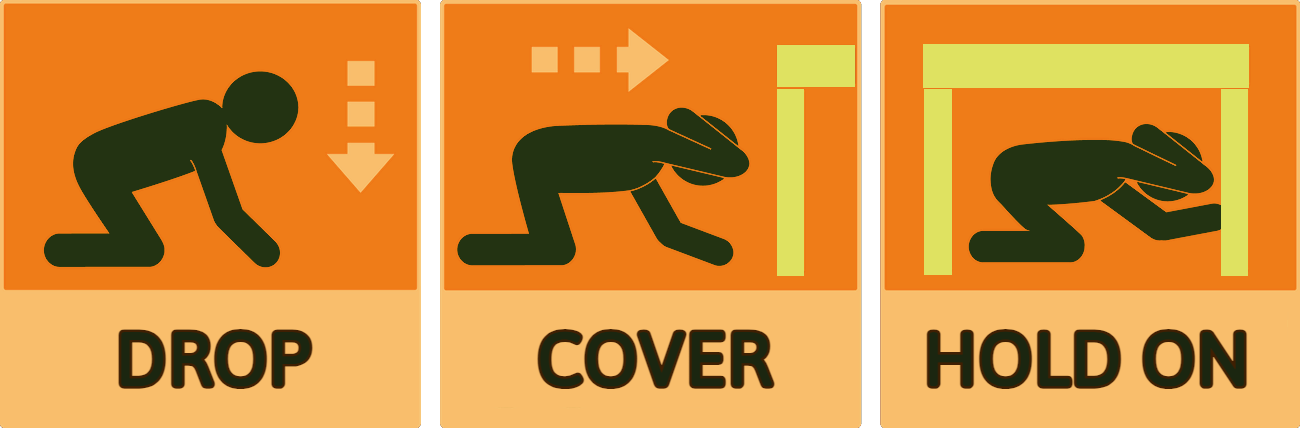
Drop, Cover, and Hold On:
The fundamental rule during an earthquake is to "Drop, Cover, and Hold On." This means dropping to the ground, taking cover under a sturdy piece of furniture, and holding on until the shaking stops. The objective is to shield yourself from falling objects and debris.
Identifying Safe Spaces Indoors:
Under Sturdy Furniture:
Identify sturdy furniture such as tables or desks that can provide a protective space underneath. Stay away from glass furniture and heavy appliances that could topple over.
Interior Walls:
Move towards interior walls away from windows, mirrors, glass, and heavy furniture. These walls provide added protection from potential hazards.
Avoiding Doorways and Windows:
Contrary to popular belief, standing in doorways is not recommended during an earthquake. Doorways are not necessarily safer than other parts of a building, and the swinging of doors can pose an additional risk. Stay away from windows to avoid glass shattering.
Multi-Story Buildings:
Stay Inside:
If you are in a multi-story building, it is generally safer to stay inside rather than attempting to evacuate during the shaking.
Avoid Elevators:
Elevators may become inoperable during an earthquake, so use stairs instead.
Outdoors:
Move to Open Areas:
If you are already outdoors, move to an open area away from buildings, trees, streetlights, and utility wires. These structures pose a risk of collapsing or falling during seismic activity.
Emergency Preparedness:
Emergency Kit:
Have an emergency kit ready with essentials such as water, non-perishable food, a flashlight, first aid supplies, and important documents.
Family Emergency Plan:
Develop and practice a family emergency plan that includes evacuation routes, meeting points, and communication methods.
Building Structural Assessment:
Consult Building Codes:
Be aware of the earthquake-resistant features of your building. If you are uncertain, consult building codes or seek advice from professionals.
Conclusion:
Being informed and prepared is the first line of defense during an earthquake. Understanding the basics of earthquake safety, such as finding safe spots indoors, can significantly enhance your chances of staying safe. Remember to educate your family members, have an emergency plan in place, and stay vigilant to seismic safety measures. By taking proactive steps, you can minimize risks and protect yourself during these unpredictable events.

Ads
SubMeet


Ads

Rose


The Wall