
SubMeet Blog Posts
Write your:
Biography, story, article or tidings.
Maximum 50.000  symbols (Depends on the browser) one post.
Maximum 10 posts per day, 100 posts per month, for one user.
We recommend using the Firefox browser to publish a post.



 Marshal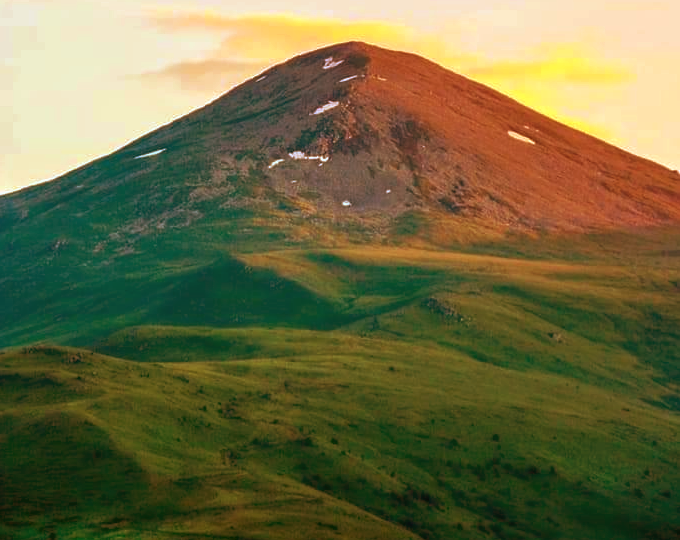
Introduction:
Armenia, a land of rich history and breathtaking landscapes, offers avid hikers a plethora of trails to explore. Among these, three stand out for their unique beauty and challenge: Maymekh Mountain, Mount Azhdahak, and Big Ishkhanasar. Let's delve into these natural wonders and discover why they are must-visit destinations for hiking enthusiasts.
1. Maymekh Mountain (Մայմեխ, Ձիթանից սար) - Kotayk Province
Location and Terrain:
Rising majestically to an elevation of 3094 meters, Maymekh Mountain dominates the landscape of Kotayk Province. Its rugged terrain, adorned with lush greenery and alpine meadows, offers a challenging yet rewarding hiking experience.
Highlights:
Stunning Panoramic Views: Reach the summit of Maymekh Mountain and be rewarded with panoramic views of the surrounding valleys and peaks, including the iconic Mount Ararat.
Biodiversity: Explore diverse ecosystems as you ascend, encountering unique flora and fauna native to the region.
Cultural Significance: Immerse yourself in Armenian culture and history as you trek through ancient paths and pass by medieval monasteries nestled in the mountains.
Tips for Hikers:
Prepare Adequate Gear: Due to the varying weather conditions and rugged terrain, ensure you have appropriate hiking gear, including sturdy boots, warm clothing, and sufficient water and snacks.
Respect Nature: Leave no trace behind and respect the natural environment by adhering to designated trails and avoiding disturbance to wildlife.
2. Mount Azhdahak (Աժդահակ) - Gegharkunik Province
Location and Terrain:
Located in Gegharkunik Province, Mount Azhdahak stands at an impressive elevation of 3,597 meters. Its volcanic origins are evident in the rugged landscape, characterized by rocky slopes and ancient lava formations.
Highlights:
Geological Marvels: Marvel at the unique geological formations, including volcanic craters and lava fields, as you traverse the slopes of Mount Azhdahak.
Alpine Lakes: Discover pristine alpine lakes dotting the landscape, offering tranquil oases amidst the rugged terrain.
Wildlife Encounters: Keep an eye out for native wildlife, including elusive mountain goats and endemic bird species, inhabiting the slopes of Mount Azhdahak.
Tips for Hikers:
Acclimatize Properly: Due to the high altitude, acclimatize properly before attempting the ascent to Mount Azhdahak's summit to prevent altitude-related illnesses.
Pack Essentials: Pack essentials such as a first aid kit, navigation tools, and emergency supplies, considering the remote nature of the trail.
3. Big (Mets) Ishkhanasar (Մեծ Իշխանասար) - Syunik Province
Location and Terrain:
Situated in Syunik Province, Big Ishkhanasar rises to an elevation of 3,552 meters, offering a challenging yet unforgettable hiking experience. Its rugged terrain and remote location make it a hidden gem for adventurous hikers.
Highlights:
Challenging Ascent: Embark on a challenging ascent to the summit of Big Ishkhanasar, navigating steep slopes and rocky terrain.
Spectacular Sunsets: Witness spectacular sunsets from the summit, painting the sky in hues of orange and pink as the day draws to a close.
Remote Wilderness: Immerse yourself in the pristine wilderness of Syunik Province, far from the hustle and bustle of urban life.
Tips for Hikers:
Fitness Preparation: Prepare physically and mentally for the demanding ascent, ensuring you are in good physical condition to tackle the challenging terrain.
Safety Precautions: Exercise caution and adhere to safety guidelines, especially during inclement weather conditions, to ensure a safe and enjoyable hiking experience.
Conclusion:
Armenia's diverse landscapes and rich natural beauty offer hikers a paradise waiting to be explored. Whether you seek panoramic vistas, geological wonders, or remote wilderness, the hiking trails of Maymekh Mountain, Mount Azhdahak, and Big Ishkhanasar promise unforgettable adventures amidst nature's grandeur. Embark on a journey of discovery and let these pristine landscapes inspire your sense of adventure.
 Business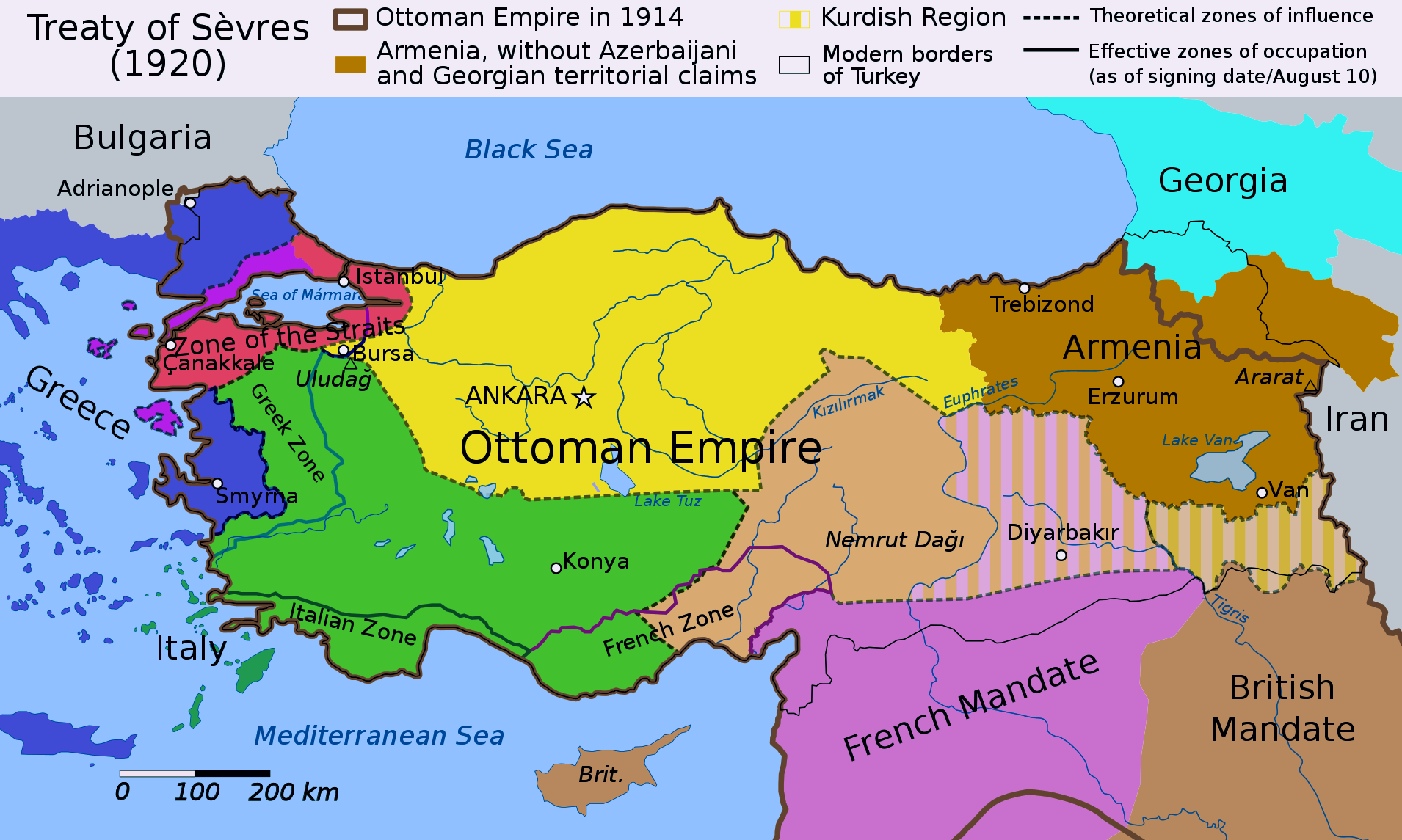
The aftermath of World War I (July 1914 - November 1918) ushered in a complex era of geopolitical rearrangements and the birth of new nations. Among these, the Republic of Armenia emerged, carrying with it the promise of independence and territorial security. However, this promise was tangled in the intricate web of treaties, specifically the Treaty of Sèvres and Woodrow Wilson's Arbitration, while Russia's dual role further complicated Armenia's post-World War I struggle.
The Treaty of Sèvres and Wilson's Arbitration:
In August 1920, the Treaty of Sèvres laid out a vision for Armenia's future, recognizing its independence and carving territories, including historic lands like Mount Ararat and Eastern Anatolia. Simultaneously, Woodrow Wilson's Arbitration, known as the Wilsonian Line, aimed to establish a stable border between Armenia and Turkey, ensuring security and viability for the fledgling state.
Woodrow Wilson's Arbitration and the Turkish War of Independence:
Despite the promises embedded in Wilson's arbitral ruling, the Turkish War of Independence led by Mustafa Kemal Atatürk shattered the dreams outlined in the treaties. Turkish nationalists vehemently opposed the terms, engaging in military campaigns to reclaim territories earmarked for Armenia. The Wilsonian Line, once a beacon of hope, faded against the backdrop of conflict and shifting geopolitical realities.
Russia's Dual Role:
Russia's involvement in Armenia's fate was a double-edged sword. In the wake of the Russian Revolution, the Bolshevik government officially recognized Armenia's independence in 1920 and provided military support against Turkish and Azerbaijani forces. However, the earlier Treaty of Brest-Litovsk (March 1918) saw Soviet Russia cede significant Armenian-populated regions to the Ottoman Empire.
Unraveling the History of the Armenian Genocide (1915):
The Armenians' experiences during the late Ottoman period, particularly during World War I, involved significant hardships, including mass killings and deportations. The events are widely recognized as the Armenian Genocide by many historians and scholars.
From the Turkish perspective, some argue that Armenians collaborated with external forces during World War I, including Russian forces, and engaged in activities deemed detrimental to the Ottoman Empire. This viewpoint is sometimes used to justify the actions taken by the Ottoman government, asserting that it was a response to perceived threats and internal collaboration.
International recognition of the Armenian Genocide is widespread, with many countries and scholars acknowledging the mass killings and deportations as a genocide. On the other hand, Turkey officially rejects the term "genocide" and contends that the deaths of Armenians were a result of civil strife during wartime.
Conclusion:
Armenia's post-World War I narrative is a tale of promises unfulfilled and challenges overwhelming. The treaties that once held the potential for a secure and independent Armenia were eclipsed by the harsh realities of war and geopolitical shifts. Russia's dual role in this narrative adds layers of complexity to the struggles faced by Armenia, a poignant reminder of how diplomatic aspirations can unravel in the face of dynamic global forces. As we reflect on this historical period, we gain insight into the delicate dance between diplomatic visions and the unforgiving realities that shape the destinies of nations.
Tag Search

Ads
SubMeet


Ads

Rose

