
SubMeet Blog Posts
Write your:
Biography, story, article or tidings.
Maximum 50.000  symbols (Depends on the browser) one post.
Maximum 10 posts per day, 100 posts per month, for one user.
We recommend using the Firefox browser to publish a post.



 Moder
ModerI AM THAT I AM
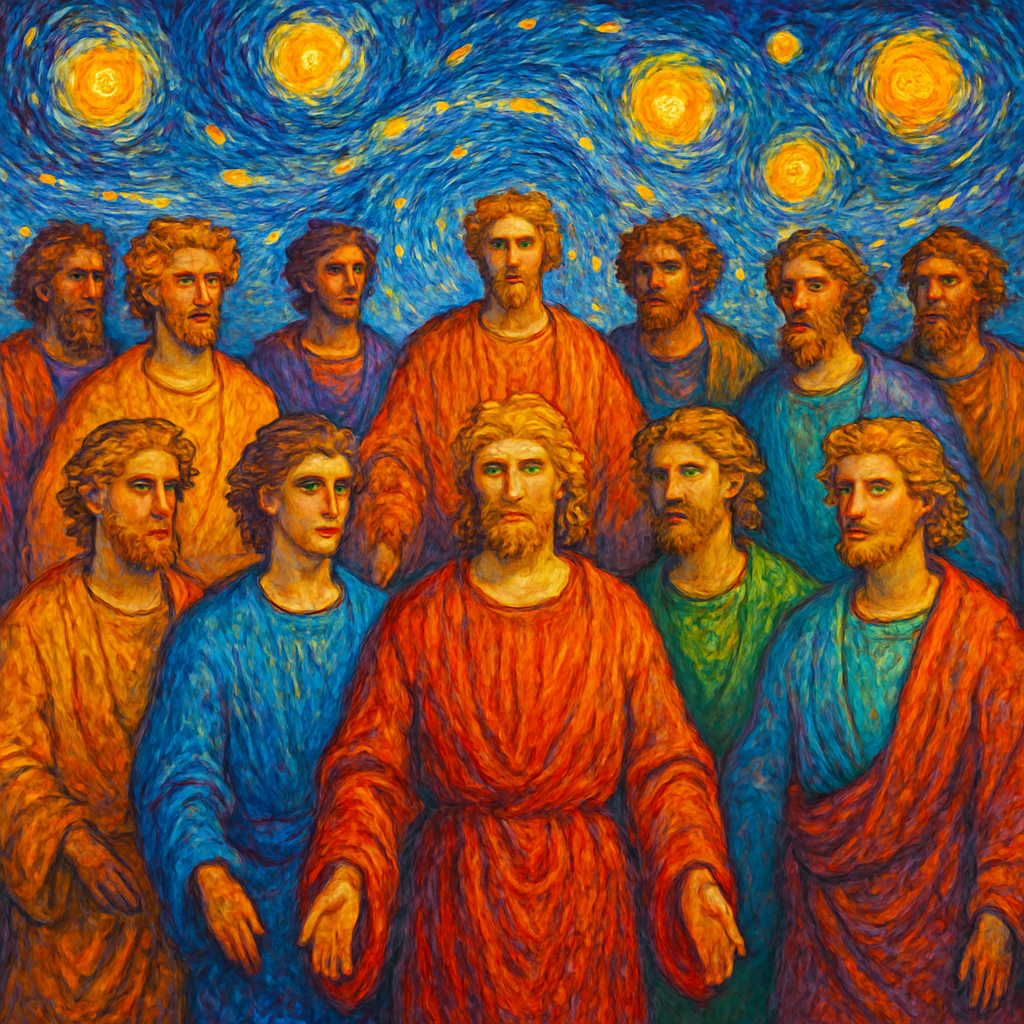
In studying the Holy Book and theology, few topics cause as much misunderstanding as God's name. One of the most sacred and powerful words in Scripture is YHWH (Hebrew: יהוה), often called the Tetragrammaton, meaning "four letters." But what does this name really mean? How is it used in different Bible versions? And why isn’t it tied to any specific religious group, like the Jehovah’s Witnesses, despite widespread confusion?
This article explores the meaning, translation, and spiritual significance of the divine name YHWH, while clearing up common modern misconceptions.
What Is YHWH?
YHWH is God's name revealed in the Hebrew Bible. It comes from the Hebrew verb "היה" (hayah), which means "to be" or "to exist." In Exodus 3:14, when Moses asks God His name, the reply is:
"Ehyeh Asher Ehyeh" – "I AM THAT I AM"
This directly links to YHWH, showing that God is:
Self-existent
Uncreated
Eternal
The source of all being
In short:
YHWH is an explanatory name, not a personal label like a human name.
It means:
"The One Who Is" – The Eternal Creator
Not a name given by parents, but the identity of the One who exists without beginning or end.
How Is YHWH Represented in Four Key Biblical Traditions?
The divine name YHWH appears differently across traditions and translations:
Masoretic Text (MT)
The traditional Hebrew Bible, preserved by Jewish scribes, writes the name as יהוה, but Jewish readers substitute it with Adonai (“Lord”) when reading aloud out of respect.
Septuagint (LXX)
This ancient Greek translation replaces YHWH with Kyrios (Lord), losing the personal name but maintaining a sense of authority.
King James Version (KJV)
This early English translation largely avoids "Jehovah" and instead uses LORD in all caps to show the divine name without pronouncing it. "Jehovah" appears in only a few verses.
Dead Sea Scrolls
These ancient Hebrew manuscripts from Qumran (around the 2nd century BCE) do preserve YHWH fully. In some scrolls, it is even written in Paleo-Hebrew script to set it apart and demonstrate reverence.
What About “Jehovah”? Is It the True Name of God?
No.
The word “Jehovah” is a medieval invention, mistakenly formed by combining the consonants of YHWH with the vowels of Adonai. The result was YeHoWaH, later Latinized as Jehovah.
While common today, this word is:
Linguistically incorrect
Historically absent from any ancient manuscript
Never spoken or written by Hebrew prophets.
Is YHWH Connected to Jehovah’s Witnesses?
Many believe that YHWH (or Jehovah) is primarily or exclusively associated with Jehovah’s Witnesses (a church that has no statehood), a religious group that emerged in the 19th century. This is not only wrong but also downplays the historical and theological depth of God's name.
The misuse of "Jehovah" by this group:
Does not reflect biblical linguistics or theology
It is based on a misunderstanding of ancient Hebrew grammar
Often casts a shadow over the true sacred name of God.
Important: The name YHWH belongs to no religious group.
It is not a label, a membership term, or the property of any sect.
It is the eternal name of the Creator, used in Scripture long before any modern church or denomination existed.
Theological Summary: Why YHWH Means “Creator”
When we say YHWH, we refer to the One who exists eternally, without beginning or end. The name implies:
Creator of everything
The one who causes all things to exist
Independent of time, space, and human origins
Therefore, YHWH is not a “given name,” like a child’s name from parents. It describes divine essence, rooted in the verb "to be"—making it the most meaningful name in all human language.
Final Thoughts
The sacred name YHWH (I AM THAT I AM), LORD, and Creator deserve respect, not confusion. It is not a trademark, sectarian term, or a mistranslated label. It is the eternal, self-existent name of the Creator, revealed to Moses, preserved in Scripture, and beyond all religions or organizations.
ModerMelchizedek is one of the most enigmatic figures. He appears briefly in Genesis 14:18-20 as a priest-king of Salem who blesses Abraham. Two key sources, the Dead Sea Scrolls (DSS) and the Septuagint (LXX), the Greek Old Testament, offer different interpretations of Melchizedek’s role. This article explores the similarities and differences between these accounts and provides key passages from the Dead Sea Scrolls.
Who Was Melchizedek?
In Genesis 14:18-20 (LXX), Melchizedek is described as:
- King of Salem (interpreted as Jerusalem)
- Priest of the Most High God (El Elyon)
- A figure who blesses Abraham and receives a tithe from him
However, the Dead Sea Scrolls and Psalms (110:4) later expand on his identity, portraying him as an eternal priest, messianic figure, or even an angelic being.
Melchizedek in the Dead Sea Scrolls (11Q13 - 11QMelchizedek)
One of the most intriguing discussions of Melchizedek is found in the Dead Sea Scrolls (11Q13 or 11QMelchizedek), a text discovered in Cave 11 at Qumran. This document presents Melchizedek as a heavenly, possibly angelic figure who will bring divine judgment and redemption in the last days.
Key Passages from 11QMelchizedek
1. Melchizedek as a Divine Judge
"[Melchizedek] will proclaim liberty to the captives... and announce to them the Jubilee year in which all debts will be forgiven..." (11Q13, Fragment 2)
This passage echoes Isaiah 61:1-2, a prophecy about the Messiah. Here, Melchizedek is depicted as the one who brings salvation and forgiveness of sins.
2. Melchizedek vs. Belial (Satan)
"And Melchizedek will avenge the judgments of God... and the wicked one (Belial) will be defeated." (11Q13, Fragment 4)
In this passage, Melchizedek is portrayed as a divine warrior who defeats Belial (Satan), bringing justice and restoring righteousness.
3. Melchizedek as a High Priest in Heaven
"Melchizedek shall be exalted among the holy ones... He will make atonement for the sons of light..." (11Q13, Fragment 6)
This description suggests that Melchizedek is an angelic priestly figure.
Conclusion: Two Views of Melchizedek
The Dead Sea Scrolls (11QMelchizedek) depict Melchizedek as a heavenly high priest, warrior, and judge who is involved in end-time redemption.
The Septuagint (LXX) presents him as a human priest-king in Genesis 14 but hints at an eternal priesthood in Psalm 110.
Tag Search

Ads
SubMeet


Ads

Rose

