
Vinci 's blog

Bomb cyclones, also known as explosive cyclogenesis storms, are a natural phenomenon gaining attention due to their intensity and destructive potential. These storms, defined by their rapid drop in atmospheric pressure of at least 24 millibars within 24 hours unleash fierce winds, heavy precipitation, and plunging temperatures. This article delves into the science behind bomb cyclones, the regions most frequently affected, their impacts, and how communities can prepare for and endure them.
What Is a Bomb Cyclone (Explosive Cyclogenesis)?
The term "bomb cyclone" refers to a storm that undergoes bombogenesis, a process involving an extraordinary intensification of low-pressure systems. These storms typically occur in mid-latitude regions where cold, dry Arctic air collides with warm, moist air masses. The dramatic temperature gradient fuels the storm's rapid development, creating extreme weather conditions.
Where Do Bomb Cyclones Occur Most Often?
Bomb cyclones are not confined to one region. Instead, they occur in areas with significant temperature contrasts and access to moisture. Some of the most frequently affected areas include:
United States:
Pacific Northwest: Bomb cyclones frequently hit this region during winter, fueled by Arctic air masses and atmospheric rivers. Cities like Seattle and Portland often experience heavy rain and snow during these events.
Northeast (Nor’easter Zone): Boston, New York City, and Philadelphia are vulnerable to bomb cyclones. These storms, often associated with nor’easters, bring strong winds and blizzards.
California: Southern California and the San Francisco Bay area increasingly see bomb cyclones, particularly during the late fall and winter seasons.
Canada:
The Atlantic provinces, including Nova Scotia and Newfoundland, face frequent bomb cyclones during the winter, driven by Arctic air masses and the Gulf Stream's warmth.
Europe:
United Kingdom and Ireland: These nations experience bomb cyclones as strong low-pressure systems travel across the Atlantic Ocean.
Scandinavia and Western Europe: France, Germany, and neighboring countries occasionally see bomb cyclones during winter storms.
Asia:
Japan and Korea: Bomb cyclones develop in the northwestern Pacific, influenced by the Siberian air masses meeting the warmer Pacific Ocean.
Southern Hemisphere:
Regions like New Zealand and parts of Australia can experience bomb cyclones, though these are less common compared to the northern hemisphere.
Impacts of Bomb Cyclones
Bomb cyclones pose severe risks to communities and infrastructures. Below are some of the critical impacts:
Transportation Disruptions:
Airports face mass cancellations due to severe winds and low visibility.
Roads and highways become hazardous from snow, ice, or floods.
Flooding:
Coastal regions often experience storm surges leading to floods, particularly in low-lying areas.
Power Outages:
High winds can damage power lines, leaving homes and businesses without electricity during extreme cold.
Economic Strain:
The combined cost of infrastructure repairs, emergency services, and lost productivity can significantly strain local economies.
Environmental Impact:
Landslides and soil erosion may occur in mountainous regions due to heavy rains or snowmelt.
Preparing for a Bomb Cyclone
Effective preparation can mitigate the devastating effects of a bomb cyclone. Here are actionable steps for individuals and communities:
Stay Informed:
Monitor reliable weather services like the National Weather Service (NWS) or local meteorological agencies for updates.
Emergency Supplies:
Stock up on essentials, including non-perishable food, drinking water, flashlights, batteries, and first-aid kits.
Secure Your Home:
Reinforce windows and doors. If you're in a flood-prone area, consider installing barriers or sandbags.
Evacuation Plans:
Have a family evacuation plan, including a safe meeting spot and a route to higher ground.
Protect Your Vehicle:
Keep your car fueled, and ensure it's equipped with emergency supplies like blankets, ice scrapers, and a spare tire.
Climate Change and Bomb Cyclones
The role of climate change in the frequency and intensity of bomb cyclones remains a hot topic among scientists. Rising global temperatures contribute to more moisture in the atmosphere and alter the behavior of jet streams, which are vital in developing these storms. As a result, bomb cyclones may become more frequent or severe in certain regions.
SubMeet: Your Resource During Severe Weather
At SubMeet, we’re committed to fostering meaningful connections. During challenging times like bomb cyclones, our platform allows individuals to share resources, advice, and support. Whether coordinating community efforts or staying informed, SubMeet empowers you to navigate through every storm - literal or figurative. Visit SubMeet today and join a community always prepared to face the elements!
By understanding bomb cyclones and their potential impacts, individuals and communities can take proactive steps to stay safe and minimize damage. With platforms like SubMeet, weathering life’s storms becomes a collective effort. Stay safe and prepared!
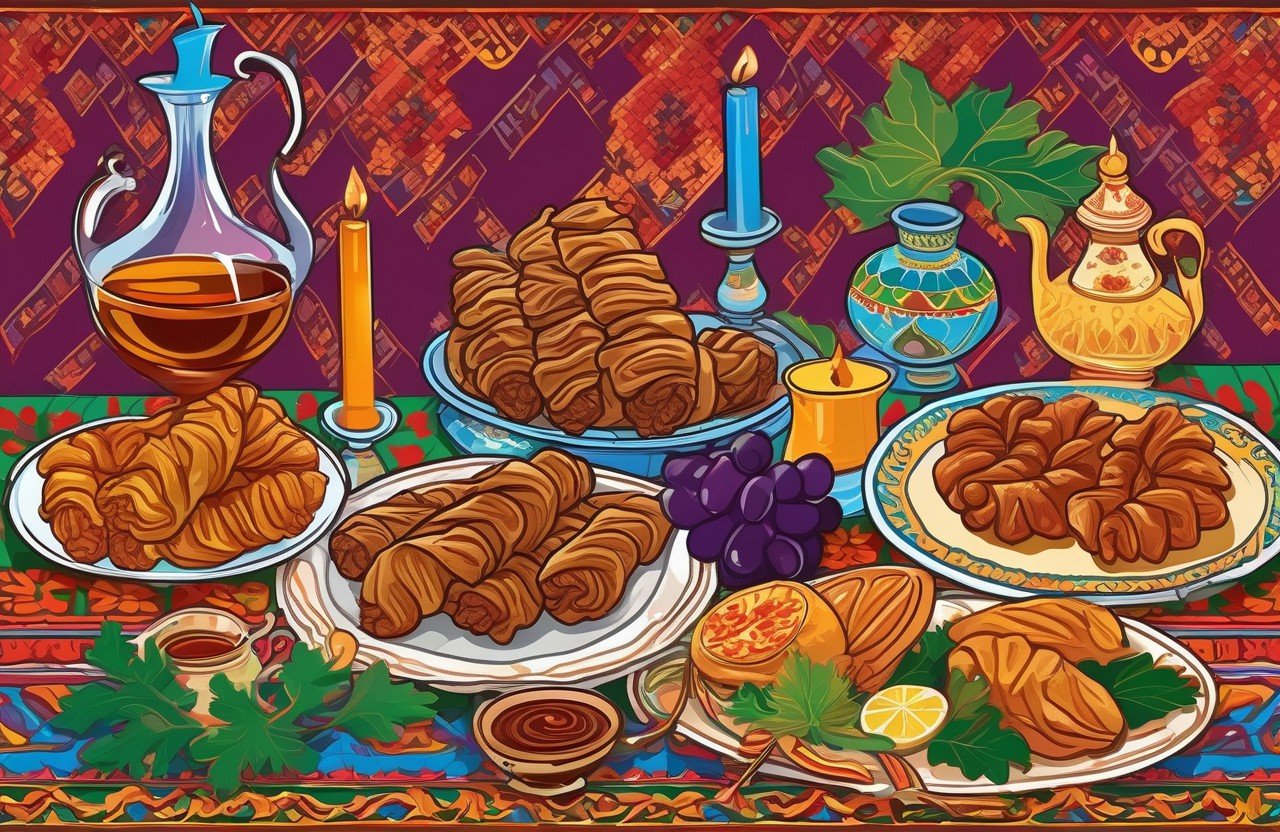
The New Year is a time of joy and togetherness, and the festive table plays a central role in bringing loved ones together. In Armenia, the New Year’s table is more than just a feast; it symbolizes abundance, tradition, and hospitality. Here’s how you can decorate your table with traditional Armenian dishes, pastries, fruits, and drinks while making it appealing to guests from any culture.
1. Traditional Armenian Dishes to Anchor the Table
The centerpiece of an Armenian New Year’s table is its savory dishes. These options not only please the palate but also add a touch of cultural heritage to the décor:
Tolma (Stuffed Cabbage or Grape Leaves): This traditional dish, served in ornate dishes, represents the warmth of family gatherings.
Khashlama is a hearty beef or lamb stew paired with root vegetables, served in clay pots for an authentic rustic look.
Grilled Kebabs (Khorovats): Perfectly grilled meats presented on skewers or platters add flair to the table.
2. Pastries for Sweetness and Charm
Armenian pastries bring sweetness and a festive aroma to the table.
Gata (Sweet Pastry Bread): A decorative gata loaf is delicious and often inscribed with intricate patterns that symbolize good luck.
Pakhlava (Baklava): Cut into diamond shapes and decorated with pistachios, pakhlava is a must-have.
Chorek (Sweet Bread): A braided bread sprinkled with sesame seeds or sugar completes the pastry selection.
3. Seasonal Fruits for Elegance and Symbolism
Fruits are a cornerstone of the Armenian New Year table, signifying health and prosperity.
Pomegranates: Known as the symbol of Armenia, pomegranates add a pop of red to the table while representing fertility and life.
Dried Fruits: Dried apricots, plums, and figs arranged in wooden trays offer natural sweetness.
Fresh Citrus Fruits: Oranges and tangerines bring brightness and energy, often arranged in decorative bowls.
4. Drinks to Toast the Occasion
Armenian Brandy: Known worldwide, a bottle of aged Armenian cognac is an elegant addition to the table.
Homemade Wine: Displayed in crystal decanters, it adds a personal touch.
Compote: A sweet fruit-based drink, typically made with apricots or cherries, offers a non-alcoholic option.
5. Table Decoration Ideas for All Cultures
Even if you’re not Armenian, these ideas can inspire your New Year’s celebration:
Use embroidered tablecloths or runners with traditional patterns.
Include candles or small lanterns for a warm glow.
Arrange evergreen branches or pinecones for a seasonal touch.
Place small gifts or handwritten notes on each guest’s plate to enhance the festive spirit.
Why SubMeet Inspires Connection During New Year’s Festivities
This Armenian-inspired guide reflects SubMeet’s mission to celebrate cultural connections and unite people. On SubMeet, you can share your New Year’s table photos, organize celebrations with friends, or find inspiration for your next cultural event.
How Oxygen Supports Brain Function and Thinking
The human brain is an incredibly energy-demanding organ, consuming about 20% of the body's oxygen supply. Oxygen plays a critical role in brain health and cognitive processes in several ways:
Energy Production for Brain Cells
Neurons (brain cells) rely heavily on oxygen to produce ATP (adenosine triphosphate), the molecule responsible for energy transfer within cells. Oxygen is essential for producing ATP through a process known as cellular respiration. ATP powers all brain functions, from processing information to maintaining focus and memory. Without sufficient oxygen, the brain's ability to think and process information slows down, leading to brain fog, fatigue, and diminished cognitive performance.
Neurotransmitter Production
Oxygen is essential for synthesizing neurotransmitters-the chemical messengers that transmit signals between neurons. These neurotransmitters, including dopamine, serotonin, and norepinephrine, regulate mood, focus, memory, and problem-solving abilities. Adequate oxygen levels help the brain produce these chemicals, crucial for keeping mental processes sharp and stable.
Waste Removal and Detoxification
Just as oxygen enables brain cells to create energy, it also helps remove waste byproducts like carbon dioxide. This waste-removal process prevents toxins from accumulating in brain tissues, which could otherwise interfere with cognitive performance and mental clarity. When neurons are active, they create waste like carbon dioxide. This waste needs to be removed quickly to maintain brain efficiency and prevent cognitive disruptions.
Prevention of Hypoxia
Hypoxia, or low oxygen levels, can have immediate and severe effects on the brain, including confusion, difficulty concentrating, and impaired judgment. Even slight reductions in oxygen can affect mental performance, highlighting the importance of consistently high oxygen levels for optimal cognitive function.
Can Love, Friendship, and Good Memories Help Bring Oxygen to the Brain?
Interestingly, positive emotions and social connections may also contribute to better oxygen flow to the brain. Here’s how:
Stress Reduction
Positive emotions from love, friendship, and cherished memories help reduce stress and anxiety, which are known to constrict blood vessels and reduce oxygen flow. When we feel connected and happy, our body releases endorphins and oxytocin (often called the “love hormone”), which help relax blood vessels and improve circulation, enabling better oxygen delivery to the brain.
Improved Heart Health
Engaging in strong relationships has been shown to improve cardiovascular health. Healthier hearts pump blood more efficiently, ensuring that oxygen-rich blood reaches all parts of the body, including the brain. Studies have found that individuals with strong social connections tend to have lower blood pressure, which is beneficial for oxygen flow and overall brain health.
Enhanced Breathing from Positive Emotions
Emotions like love and joy often promote deeper, slower breathing. When we are calm, happy, or experiencing a positive memory, our breathing rate tends to slow, naturally allowing more oxygen to enter our lungs. This increase in oxygen intake directly benefits brain cells, as more oxygen enters the bloodstream and reaches the brain.
Memory Recall and Mental Engagement
Positive memories can stimulate the brain, creating a state of mental engagement that keeps cognitive processes active. When you think about good times or recall cherished moments, your brain becomes more alert and focused, which can lead to improved blood flow to the brain. This process is similar to how mental exercises or stimulating activities keep the brain engaged and encourage circulation.
How to Foster a Healthy Brain with Oxygen-Rich Habits
If you’re looking to support your brain health and increase oxygen flow, consider incorporating these habits into your daily routine:
Regular Exercise
Physical activity-whether it is yoga, walking, or aerobic exercise-increases oxygen flow to the brain. Exercise strengthens the cardiovascular system, ensuring more efficient oxygen delivery to all body parts.
Build Strong Relationships
Spend time with loved ones, nurture friendships, and invest in your social life. Building strong, positive relationships reduces stress and may even help improve circulation, benefiting both heart health and brain function.
Practice Deep Breathing
Practicing deep breathing exercises, whether through yoga, meditation or simply mindful breathing, can significantly increase oxygen intake and help clear the mind.
Engage in Positive Thinking and Memory Recall
Take a few moments each day to think about happy experiences or cherish memories. This practice can not only lift your mood but may also stimulate your brain and improve blood flow.
Eat Oxygen-Rich Foods
While the air we breathe is the primary source of oxygen, certain foods like leafy greens, citrus fruits, and high-antioxidant foods (berries, dark chocolate, pomegranate, tomatoes, artichokes, turmeric, nuts, seeds, red grapes, and red wine) help improve circulation and support brain function.
Final Thoughts: The Mind-Body Connection of Oxygen and Mental Clarity
In summary, oxygen is vital for mental clarity, focus, and overall brain health. While yoga and physical exercise are excellent ways to boost oxygen flow, love, friendship, and good memories also play significant roles in supporting brain function. By reducing stress, promoting relaxation, and encouraging healthy circulation, positive social connections and emotions can indeed serve as alternatives to structured practices like yoga. Embracing these connections and memories may not only enrich our lives but also provide a subtle yet profound benefit to our cognitive well-being.
So, while yoga remains a powerful tool, love, friendship, and good memories can also fuel a well-oxygenated, high-performing brain, proving that mental wellness is as much about emotional connections as it is about physical practices.

Around the world, some of humanity’s most ancient and enigmatic sites stand as timeless monuments. The Egyptian Pyramids, the pyramids of Mexico, Machu Picchu, and the statues of Easter Island captivate researchers, travelers, and mystery enthusiasts alike. What ties these extraordinary structures together? While they are located thousands of miles apart, one intriguing hypothesis suggests a hidden, Divine connection.
In this article, we’ll explore these structures' history, purpose, and remarkable architecture. We’ll also dive into an alternative perspective: that these remarkable sites were created not just by human hands but as a unified project designed by the Creator formed with the Earth from nebulae as signs for humanity.
The Egyptian Pyramids: Monuments of Eternity
The Great Pyramid of Giza, the largest and most famous of the Egyptian pyramids, is one of the Seven Wonders of the Ancient World. Built over 4,500 years ago, its construction aligns precisely with cardinal directions, suggesting an advanced understanding of astronomy.
Mysteries and Hypotheses
Scholars are still unraveling how ancient Egyptians constructed such a massive structure without modern technology. Some researchers argue that the pyramid’s position on the Earth’s surface suggests a symbolic alignment with the heavens. Could these ancient architects have intended to connect humanity with something far greater?
The Alternative Theory
This theory suggests that the pyramids were not created merely as tombs but as lasting markers from a Creator. They serve as mathematical beacons, holding clues about the cosmos. If they were part of Earth’s initial formation, the pyramids would be even more than symbols of human ambition-they would be cosmic markers embedded in the Earth’s blueprint.
The Mexican Pyramids: Teotihuacan’s Celestial Connections
Located outside Mexico City, Teotihuacan’s pyramids, including the Pyramid of the Sun and the Pyramid of the Moon, continue to intrigue researchers. This site was a cultural and spiritual hub, with its structures meticulously aligned with astronomical phenomena.
Architectural Marvels with a Cosmic Perspective
The builders of Teotihuacan had a deep understanding of astronomy. The Pyramid of the Sun aligns with the setting sun on certain days of the year, similar to the alignment observed in Egypt’s pyramids. These alignments reinforce the idea that humanity’s ancient cultures shared a profound connection to the heavens.
Alternative Hypothesis: Signs Across Continents
Could the creators of Teotihuacan have been guided by a Divine hand? If these structures were “pre-built” into Earth’s design, as the alternative hypothesis suggests, the remarkable parallels between Egyptian and Mexican pyramids become more than coincidental. They might signify a greater, interconnected vision laid out by a Creator.
Machu Picchu: The Sacred City in the Clouds
Perched high in the Andes, Machu Picchu remains one of the most stunning archaeological sites in the world. Its terraces, temples, and irrigation systems were meticulously constructed without mortar, harmonizing with the natural landscape.
Engineering Miracles and Cosmic Connections
The precision of Machu Picchu’s construction is undeniable. Not only does the site align with celestial bodies, but it also holds complex astronomical significance. Many believe that Machu Picchu was a royal estate or a sacred retreat for Incan emperors, while others think it was a place of pilgrimage.
An Eternal City Built at Earth’s Dawn?
An alternative perspective suggests that Machu Picchu, like other ancient sites, was part of Earth’s very formation. If it is indeed a Creator’s sign for humanity, Machu Picchu might have been placed in the Andean clouds as a timeless sanctuary, awaiting the moment when humanity would recognize it as part of a grand design.
The Easter Island Statues: Guardians of the Unknown
Easter Island’s Moai Statues, colossal stone figures standing guard over the island, remain a profound mystery. Carved by the Rapa Nui people, these statues face inward toward the villages, as if watching over the island’s inhabitants.
Monumental Purpose and Cosmic Questions
The creation and placement of these statues are still not fully understood. Theories suggest they represent ancestors or revered leaders, embodying both earthly and spiritual connections. Yet, the question persists: what inspired their creation, and how did the Rapa Nui people transport and position such enormous statues without modern technology?
An Ancient Hand at Work?
What if the Moai were designed not only as cultural artifacts but as part of Earth’s fundamental design? As per the alternative hypothesis, these statues, like the other structures, were created along with Earth itself, fashioned from cosmic material as markers of a higher purpose.
Crosshair: Mapping the Divine Blueprint
When we analyze the locations of these sites on a map, striking parallels emerge. Each site’s placement and alignment with celestial bodies suggest a possibility that they were mapped with the heavens in mind. This has led some to suggest that these sites were intentionally arranged as markers of a Divine blueprint cosmic crosshair laid across the planet.
Alignments and Shared Symbolism
Each structure seems to echo the same underlying themes of eternity, spirituality, and celestial alignment. If these sites were indeed part of a single Divine project, their purpose transcends any one culture or civilization. They would instead serve as enduring symbols for all of humanity, reminding us of our shared origin and potential connection to a Creator.
The Alternative Hypothesis: A Creator’s Cosmic Signposts
Could these ancient wonders be connected by more than architectural brilliance? If we entertain the alternative hypothesis, a new interpretation emerges: that these sites were crafted by the Creator as markers of human significance in the cosmos. They were not simply built by individual cultures but were created along with the Earth itself, etched into our planet’s fabric.
This view posits that the Creator may have placed these structures to inspire awe, unity, and reflection, using them as tools to guide humanity toward a deeper understanding of the universe and its origins. In this sense, they become more than relics of ancient civilizations-they become an invitation to explore a profound, shared destiny.
Determining Earth’s Age Through Soil Accumulation on Easter Island Statues
The Moai Statues on Easter Island offer a unique opportunity to hypothesize the age of Earth’s "finished" state by examining the extent to which these statues are buried in the soil. According to this theory, analyzing the depth of soil coverage on these structures could potentially indicate when Earth reached its final form and began accumulating surface sediment.
Analyzing Soil Accumulation as a Time Marker
Understanding the Moai Statues’ Original Height: Some statues stand over 30 feet tall. Many statues, however, are now partially buried, with only their heads and torsos visible above ground. Archaeological digs reveal that some of these statues have up to 12 feet of their lower portions buried in sediment.
Measuring Burial Depth: By identifying the height of both exposed and buried portions, researchers establish a baseline for estimating the depth of soil accumulated over millennia. On average, many Moai Statues are buried up to 8-12 feet deep, depending on their location on the island.
Adjusted Rate of 0.2 mm per Year: Studies show that soil accumulation in some regions is slower, averaging around 0.2 mm per year in undisturbed environments:
For a Moai Statue buried 8 feet (243.84 cm) deep, it would take approximately 12,192 years for the soil to reach this level, assuming consistent accumulation. If rates fluctuate, the time estimate could change, suggesting that a range of 12,000 to 13,000 years may be more accurate based on natural variations.
Age of Earth’s "finished" state = 12,192 years
Conclusion: Uncovering the Significance of Earth’s Mysterious Monuments
Whether viewed through a historical or spiritual lens, the Egyptian Pyramids, Mexican Pyramids, Machu Picchu, and Easter Island statues reveal a shared human fascination with the unknown. While traditional explanations offer compelling insights, the alternative hypothesis opens a doorway to understanding these sites as cosmic symbols, left by a Creator as markers of our place in the universe.
SubMeet provides a space where people can engage with such deep questions, connecting with others who share a passion for history, mystery, and discovery. Join SubMeet to explore and discuss these extraordinary mysteries with others who are fascinated by the world’s ancient wonders. Together, we can uncover new perspectives on our shared heritage, linking us all to these timeless monuments across the world.

Ads
SubMeet


Ads

Rose

