
SubMeet Blog Posts
Write your:
Biography, story, article or tidings.
Maximum 50.000  symbols (Depends on the browser) one post.
Maximum 10 posts per day, 100 posts per month, for one user.
We recommend using the Firefox browser to publish a post.



 Marshal
Hair. It's a crowning glory, a symbol of confidence, and a reflection of overall health. But achieving those luscious, long locks you crave requires more than just the right shampoo. Nurturing healthy hair starts from within, with essential vitamins and minerals that nourish your scalp and promote strong, vibrant growth.
This article dives deep into hair health, unveiling the superhero nutrients hiding in plain sight - all readily available through your diet!
Unlocking the Power of B Vitamins: Biotin and Beyond
The B vitamin complex plays a starring role in hair health. Biotin (B7) takes center stage, promoting healthy hair growth. Nuts, seeds, eggs, and avocados are all biotin powerhouses. But don't forget the supporting cast - B2 (riboflavin), B3 (niacin), and B12 - found abundantly in dairy, fish, leafy greens, and legumes. These B vitamins work together to keep your hair strong and resilient.
Vitamin A: The Scalp's Secret Weapon
Imagine your scalp as the fertile ground where your hair thrives. Vitamin A helps create that perfect environment. Sweet potatoes, carrots, and spinach are all rich in vitamin A, promoting healthy sebum production - the scalp's natural oil that keeps hair moisturized.
Vitamin C: Nature's Antioxidant Shield
Hair battles environmental aggressors every day. Vitamin C, a powerful antioxidant, comes to the rescue. Packed with citrus fruits, kiwi, and strawberries, vitamin C shields hair from damage and aids in iron absorption, another crucial hair health mineral.
Vitamin D: Sunshine for Strong Strands
Studies suggest a link between vitamin D deficiency and hair loss. Soaking up some sunlight is beneficial, but dietary sources like fatty fish, eggs, and mushrooms also play a part. Vitamin D helps ensure healthy hair growth and may even prevent hair loss.
Vitamin E: Combating Free Radical Damage
Free radicals wreak havoc on our bodies, including our hair. Vitamin E, a potent antioxidant, steps in to protect hair cells from this damage. Sunflower seeds, almonds, and avocados are all excellent sources of vitamin E, promoting a healthy scalp environment for optimal hair growth.
Iron: The Essential Mineral for Growth
Iron deficiency is a common culprit behind hair loss. Lean meat, poultry, fish, and leafy greens are all iron-rich champions. Include these in your diet to ensure your hair has the essential building blocks it needs to grow strong and healthy.
Zinc: Hair Repair's Mighty Ally
Hair growth and repair rely heavily on zinc. Oysters, pumpkin seeds, and chickpeas are all zinc superstars. By incorporating these foods into your diet, you're providing your hair with the necessary support to thrive.
Remember: A balanced diet is the best way to nourish your hair from the roots up. However, if you have concerns about deficiencies, consulting a healthcare professional is always recommended.
Embrace the Power of Food for Healthy Hair
By incorporating these essential vitamins and minerals into your diet, you're taking a proactive approach to healthy hair growth. So, ditch the fad diets and embrace a balanced approach that nourishes your body and unlocks the full potential of your hair. Let your hair be the crowning glory it deserves to be - strong, healthy, and radiating with natural beauty!
 VIP
VIP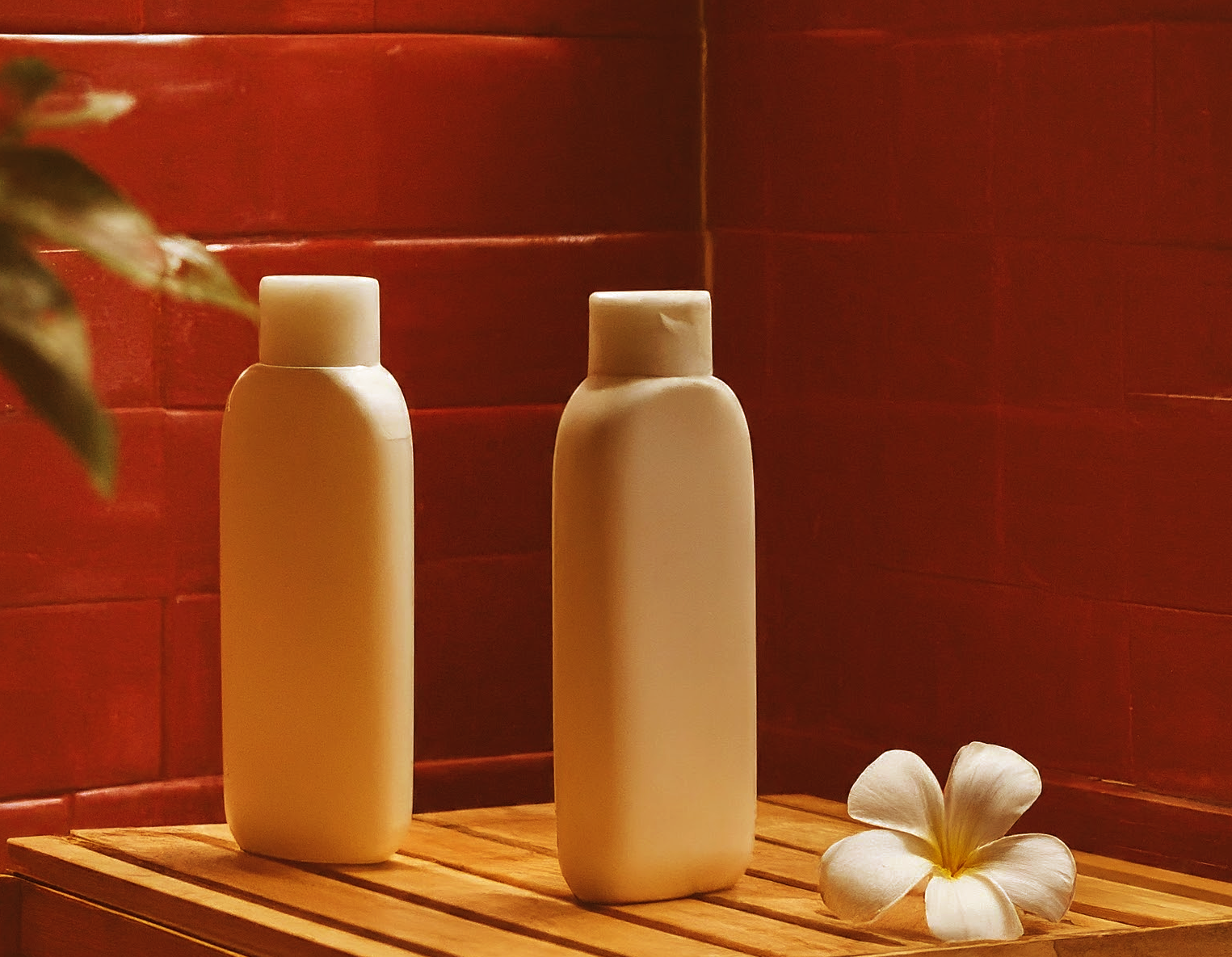
In the ever-evolving world of personal care, shower lotions have emerged as a unique and versatile product category. While traditional body washes and shampoos have long been staples in our routines, shower lotions offer a new approach to cleansing and hydration. This guide delves into the fascinating evolution of shower lotions, exploring their distinct benefits for hair, scalp, and body.
Motivations for Innovation: Early 2000s Onwards
The rise of shower lotions can be traced back to the early 2000s, driven by a growing consumer desire for a more pampering and results-oriented shower experience. Here's a closer look at the timeline:
Early 2000s: The introduction of "in-shower" body lotion lines focused on post-shower moisture retention. These early products laid the groundwork for the concept of in-shower cleansing with added hydration benefits.
Mid-2000s: Further innovation led to formulas specifically designed for application and rinse-off during showering. The goal was to leave skin moisturized without a greasy feel.
2010s Onwards: Shower lotion popularity soared as brands catered to various needs. The market expanded to include options for hair and scalp, offering a more comprehensive showering experience.
How to Use Shower Lotions
Body: Wet your skin in the shower. Apply a generous amount of shower lotion and work it into a light lather, focusing on areas prone to dryness (elbows, knees). Rinse thoroughly.
Scalp: Wet your hair. Distribute the lotion evenly through the scalp, massaging gently. Rinse well.
Hair: After using lotion on your scalp (if desired), apply a small amount to hair lengths and ends. Rinse.
Frequency of Use
The ideal frequency will vary based on your skin type and individual needs. Aim for daily or every other day at minimum, and adjust as you see fit.
Popular Brands
Here are some well-known shower lotion brands:
Nivea: Offers several in-shower moisturizers with a variety of hydrating formulas.
Dove: Features deeply moisturizing body washes, including shower lotion formulas.
Olay: Has a range of in-shower body lotions with ingredients like shea butter and Vitamin B3.
Jergens: Wet Skin Moisturizers are popular for their ease of use and hydrating qualities.
Curel: Specializes in extra-gentle formulas for dry and sensitive skin.
For Scalp and Hair
Aveeno: Features scalp-soothing formulas with ingredients like colloidal oatmeal to help calm dryness and irritation.
Kérastase: A luxury haircare brand with options like scalp serums and leave-in treatments that deliver hydration and address specific scalp concerns.
Living Proof: Provides scalp-focused products that offer balancing, soothing, and hydration for various needs.
Briogeo: Offers scalp and hair care products focusing on clean ingredients and addressing issues like dryness and flakes.
Important Considerations:
Not All Shower Lotions Are Scalp-Safe: Many general-use shower lotions may contain ingredients that can build up on the scalp or irritate sensitive skin. Look for products specifically marketed for scalp or hair use.
Target Your Specific Needs: Different brands and formulas address issues like dryness, flakiness, oil control, or hair growth stimulation.
Price Variation: These specialized lotions often range from drugstore prices to luxury brand price points.
Here's a breakdown of the key differences between shower skin lotions, shower hair lotions, shampoos, and shower skin soap gels:
Target:
Shower Skin Lotions: Designed to cleanse and moisturize the body during showering.
Shower Hair Lotions: Specifically formulated for the scalp and hair, often aiming for in-shower conditioning.
Shampoos: Cleanse and condition the hair and scalp, but are meant for a dedicated hair washing routine (not necessarily in the shower).
Shower Skin Soap Gels: Primarily cleanse the body and remove dirt, sweat, and impurities.
Ingredients:
Shower Skin Lotions: Contain cleansing agents (surfactants) but in milder forms compared to soap gels. They also include emollients for softening and humectants for attracting and retaining moisture.
Shower Hair Lotions: Contain milder cleansing agents than shampoos, along with detangling ingredients and conditioners for manageability and shine.
Shampoos: Higher concentration of cleansing agents to remove dirt, oil, and styling products. They may also have conditioning ingredients, but not as intensively hydrating as shower hair lotions.
Shower Skin Soap Gels: Primarily use surfactants for cleansing. They may have minimal to no additional moisturizing components.
Benefits:
Shower Skin Lotions: Gentle cleansing without stripping natural oils, leaving skin feeling soft and hydrated.
Shower Hair Lotions: Can simplify the hair care routine by offering cleansing and conditioning in one step, potentially detangling and adding shine.
Shampoos: Deep clean the scalp and hair, removing product buildup and leaving hair feeling refreshed. Conditioning shampoos can also add manageability and softness.
Shower Skin Soap Gels: Effective at removing dirt, sweat, and impurities, leaving skin feeling clean and refreshed.
Suitability:
Shower Skin Lotions: Ideal for dry or sensitive skin that needs gentle cleansing and hydration during showering.
Shower Hair Lotions: Well-suited for those with fine hair or who prefer a lightweight conditioning option.
Shampoos: Recommended for all hair types, with specific formulas for oily, dry, color-treated, or damaged hair.
Shower Skin Soap Gels: Good for all skin types, especially those not prone to dryness.
Overall:
Shower Skin Lotions: Offer a luxurious and hydrating cleansing experience for the body.
Shower Hair Lotions: A convenient option for simplified hair care with in-shower conditioning.
Shampoos: Provide a dedicated hair-washing routine for deeper cleansing and conditioning.
Shower Skin Soap Gels: The classic choice for effective body cleansing.
On how to identify shower lotions and find the right information on the packaging:
Look for these key phrases on the packaging to correctly identify shower lotions:
"In-Shower"
"Rinse-Off"
"Moisturizing Body Wash" (for body)
"Conditioning Body Wash" (for body)
"Shower Hair Lotion" (for hair)
Also, check the instructions for use. Shower lotions will clearly state they are designed for application on wet skin, followed by rinsing.
Important Note: Don't confuse shower lotions, which are designed for use and rinse-off during your shower, with traditional after-shower lotions. After-shower lotions are applied to dry skin and focus on long-lasting moisturization.
What are Shower Hair Lotions Also Called?
These lotions often go by several different names, adding to the confusion. Let's break them down:
In-Shower Conditioners: The most widely used alternative term. It emphasizes the primary function of these products – conditioning your hair while you shower.
Co-Wash: Derived from "conditioner washing". Co-washes primarily prioritize conditioning while offering mild cleansing properties. They're particularly popular for curly hair types, as they can help prevent dryness and frizz.
Cleansing Conditioners: Similar to a co-wash, this term highlights the combination of cleansing and moisturizing benefits. These lotions typically offer a gentler wash than traditional shampoos.
Hair Cleansing Creams: Occasionally used for no-lather formulas that provide a unique cleansing and nourishing experience for the hair.
Why the Name Variations?
The different names often reflect slight variations in the product's focus. Some might prioritize deep conditioning, while others aim for a lighter, everyday cleanse. Reading ingredient lists and product descriptions helps determine a lotion's primary benefits.
The Takeaway
Whether labeled as in-shower conditioners, co-washes, or something else, shower hair lotions offer a versatile way to cleanse, condition, and save time in your hair care routine. Understanding these alternate names empowers you to find the perfect product for your hair's unique needs.

Conclusion: Choosing the Ideal Shower Solution
The world of shower lotions offers a wealth of choices to suit your individual hair, scalp, and skin needs. Understanding the nuances between these products empowers you to tailor your routine for optimal results.
Whether prioritizing luxurious hydration, a simplified routine or a deep scalp cleanse, there's a shower product, or a combination of them, ideal for you. Don't be afraid to experiment and discover a shower care regimen that leaves your hair, scalp, and skin feeling nourished, healthy, and radiant.
 NFT
NFT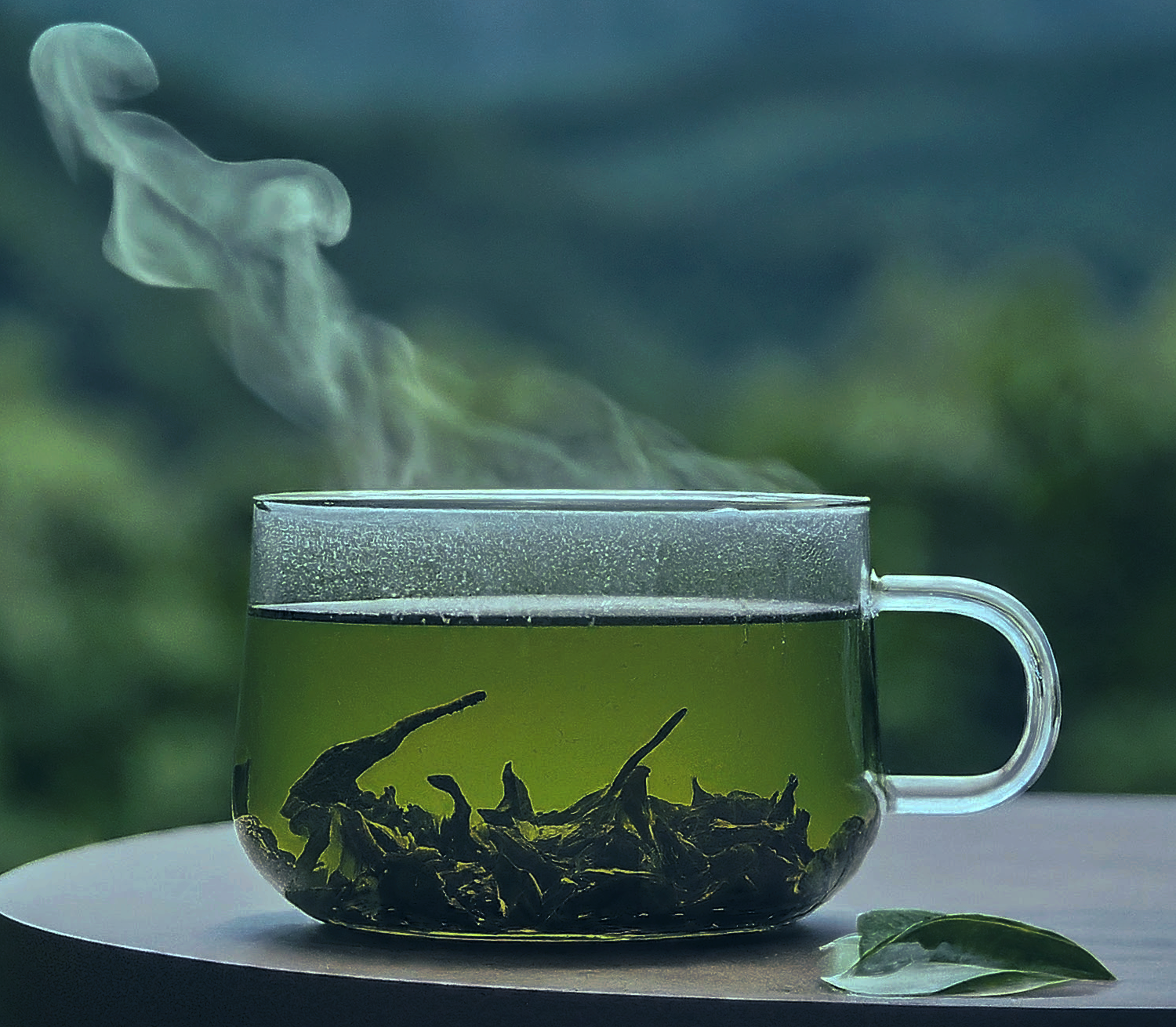
Introduction
If you're concerned about hair loss or thinning, ditch the harsh chemicals and turn to nature's bounty. The right homemade creams, lotions, rinses, and leave-in treatments can nourish your scalp, strengthen your strands, and create an environment conducive to healthy hair growth. Below you'll find 15 simple recipes featuring fruits, vegetables, herbs, and other wholesome ingredients designed to support your hair restoration journey. Remember, beautiful hair starts from within, so pair these topical treatments with a healthy diet and balanced lifestyle for the best results!
Masks
Banana and Yogurt Hair Mask: Blend one ripe banana with 1/4 cup plain yogurt. Apply to the scalp and hair, leave for 20-30 minutes, then rinse. (Nourishing, softening)
Aloe Vera and Coconut Oil Mask: Mix 2 tablespoons of aloe vera gel with 1 tablespoon of coconut oil. Massage into the scalp and leave for at least 30 minutes before washing. (Hydrating, scalp-soothing)
Pumpkin and Honey Hair Mask: Combine 1/2 cup pureed pumpkin, 1 tablespoon honey, and 1 teaspoon olive oil. Apply to scalp and hair, cover with a shower cap, and leave for 30 minutes. Rinse thoroughly. (Antioxidant-rich, promotes shine)
Egg Yolk and Olive Oil Mask: Whisk one egg yolk with 2 tablespoons of olive oil. Apply to hair, focusing on dry or damaged ends. Leave on for 20 minutes before shampooing. (Strengthening, adds shine)
Oatmeal and Milk Hair Mask: Grind 1/4 cup of oats into a fine powder. Combine with enough milk to form a paste. Massage into scalp and hair, leave for 15 minutes, then rinse. (Soothing, great for sensitive scalps)
Rinses
Apple Cider Vinegar Rinse: Dilute 2 tablespoons of apple cider vinegar in 1 cup of water. Use as a final rinse after shampooing to balance scalp pH and remove buildup.
Nettle Tea Rinse: Steep 1-2 tablespoons of dried nettle leaves in hot water for 15 minutes. Let cool, then strain and use as a final rinse to potentially stimulate hair growth.
Green Tea Rinse: Brew a strong pot of green tea, let it cool, and use it as a final rinse. The antioxidants can protect hair follicles and soothe the scalp.
Rosemary and Chamomile Rinse: Steep a handful of each herb in hot water, strain when cool, and use it as a scalp-stimulating and calming final rinse.
Coconut Milk Rinse: Massage ½ cup of coconut milk into your scalp and hair after washing, leave for a few minutes, then rinse out. (Moisturizing, can improve hair texture)
Leave-In Treatments
Aloe Vera and Jojoba Oil Spray: Mix equal parts aloe vera juice and jojoba oil in a spray bottle. Mist onto damp hair for lightweight hydration.
Coconut Oil and Honey Leave-In: Combine 1 teaspoon of coconut oil with a small drizzle of honey. Warm slightly and apply to the ends of damp hair to seal in moisture.
Avocado Oil and Lavender Scalp Treatment: Mix a few drops of lavender essential oil with a tablespoon of avocado oil. Massage into the scalp before bedtime and wash out in the morning. (Promotes relaxation, may aid sleep)
Rose Water and Glycerin Spritz: Combine rosewater and vegetable glycerin (50/50) in a spray bottle. Spritz on damp or dry hair for a refreshing, lightly hydrating mist.
Rice Water Leave-In: Ferment rice water (directions easily found online). Strain and use the fermented liquid as a leave-in treatment, focusing on the scalp and hair. (May reduce breakage and promote growth)
Conclusion
While these DIY hair care solutions offer potential benefits, be patient and consistent. Natural remedies often take time to show their full effects. If you have severe hair loss or an underlying medical condition, consult a dermatologist. And most importantly, enjoy the process! Creating your hair care products can be a relaxing, empowering way to connect with nature and nurture your well-being.
 VIP
VIP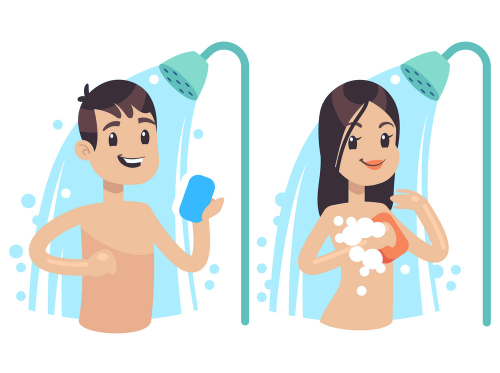
Shower Frequency
Some of us shower at night, others are more into a morning shower, and some shower in the middle of the day. But regardless of what time we hop in to rinse off, one thing is true: We all shower pretty regularly. And in many ways that’s a good thing—showers leave us feeling fresh and clean and can be a rejuvenating or relaxing way to start or end the day. But chances are, most of us probably shower more often than we need to. We’ve been so conditioned to shower all the time that many people don’t realize that showering too frequently can actually dry out your skin and lead to irritation and other problems.
Showering frequency is one of those things that will vary from person to person, depending on various factors like your local climate, how active you are, your hair’s natural texture, and the temperature of the water you shower in. If you live in a place that's hot and humid and you sweat a lot, you may want to shower every day. If you live in a place that's cold and dry and you're not very active, you don't necessarily need to shower every day.
People who don’t sweat a lot and those who live in cooler, drier climates can probably shower every other day or every third day. Skin conditions play a role here too, so you’ll always want to check with your doctor before making any changes to your shower frequency.
Aim to keep your shower somewhere between five and 15 minutes long. This gives you ample time to get clean but isn’t so long that it will cause your skin to become overly dry. Showering is good because it'll add water to your skin. But if the shower is too hot or too long, it'll actually remove water from your skin.
In some cases, staying in the shower for too long can leave you with drier skin than you had prior to showering. This brings us to another important point - the importance of moisturizing after your shower to keep your skin hydrated, leaving your moisturizer in your bath or shower so that you can use it right away after showering. And keep in mind that not all moisturizers have the same effect. If you're in a colder, drier place, then use a cream or an ointment. If you're in a warmer place that's more humid, you can use a lotion.
Soaps and cleansers, especially the harsher types, can dry out your skin, so the more you use them, the higher the potential for dry and irritated skin.
How Often Should You Wash Your Face?
Get yourself into a routine of washing your face each morning and evening. The morning wash is important for removing drool and anything you’ve put on your skin at night, and the evening wash is important for removing the pollution, dirt, and grime that’s accumulated on your face during the day.
If you wash any more frequently than morning and evening, you risk stripping the important natural oils that keep your skin hydrated. Horrified of the thought of heading back to work after a midday workout without washing your face? Rinse with water, moisturize, and you’ll be good to go.
Hair Washing Frequency
If your hair is dry, you may only want to wash it twice a week. If it is on the oilier side, every other day is recommended.
Overall, how often you should wash your hair will depend on your hair’s texture, how oily or dry it is, and how much you sweat. If you sweat a lot and you have straight hair, then you may have to wash it every day. If you have curly hair, it takes longer for the oil to wick down to the edges.
But those with color-treated hair, especially lots of highlights, will want to be careful about washing their hair too frequently because overwashing can lead to breakage. You may want to shampoo just the scalp, and condition the ends. Overwashing can also lead to a dry or itchy scalp, and hair breakage, even among people who have not colored their hair.
While you don’t want to wash your hair too much, you want to make sure you’re washing it often enough that it’s clean. If you don’t, you may get an itchy scalp or a condition called seborrheic dermatitis, more simply known as dandruff. Other signs that you’re not washing your hair enough? Greasy hair or an oily scalp, a bad odor, a sore scalp, or hair that looks more flat or dull than usual. To get rid of minor oiliness, dry shampoo can sometimes do the trick, but you don’t want to use this as a replacement for hair washing in the long-term. Especially if you’re scalp is feeling itchy or unclean.
Tag Search

Ads
SubMeet


Ads

Rose

