
SubMeet Blog Posts
Write your:
Biography, story, article or tidings.
Maximum 50.000  symbols (Depends on the browser) one post.
Maximum 10 posts per day, 100 posts per month, for one user.
We recommend using the Firefox browser to publish a post.



 VIP
VIP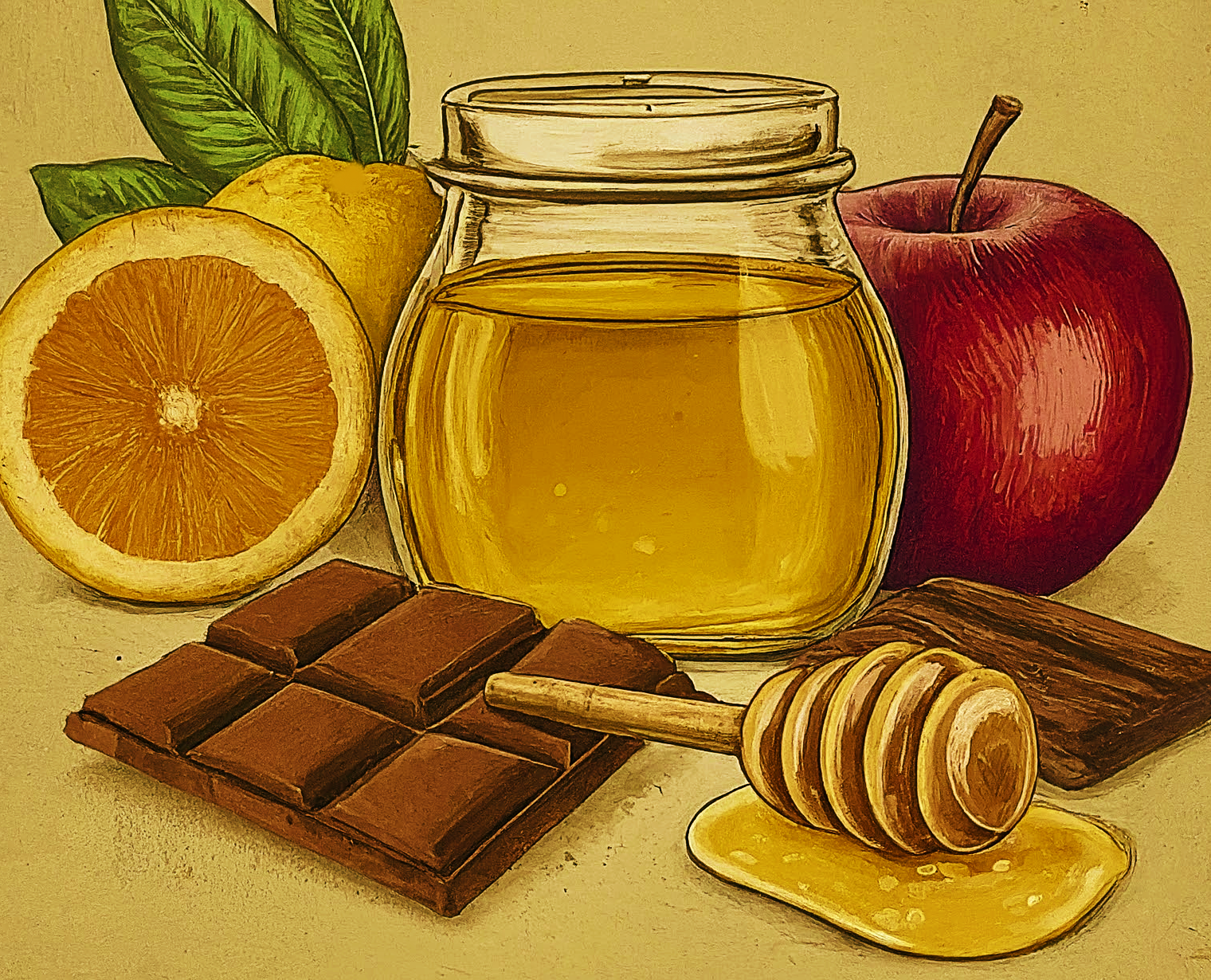
Introduction
In a world overflowing with sweet temptations, understanding the impact of sugar on our bodies is more crucial than ever. From the honey we stir into tea to the candy bar we crave, sugar comes in many forms. This article delves into the science of sugars - natural vs. added, the benefits and drawbacks of honey, the role of fruits, and how to navigate this sweet landscape for our overall health.
Important Considerations
Completely refusing all sugar and sweets is a complex topic with potential benefits and drawbacks.
Anyone who has diabetes or other health conditions should consult their doctor before making significant dietary changes.
Cutting back on sugar is beneficial for overall health. However, eliminating all forms of sugar and sweets can be unnecessarily restrictive and difficult to sustain.
Sugar: The Basics
What is Sugar? Sugars are simple carbohydrates that provide our bodies with energy. The most common types are:
Glucose: The body's primary energy source.
Fructose: Naturally present in fruits, some vegetables, and honey.
Sucrose: Table sugar, a combination of glucose and fructose.
Natural vs. Added Sugars:
Natural Sugars: Found in whole foods like fruits and vegetables, accompanied by fiber, vitamins, and minerals.
Added Sugars: Introduced during processing or preparation, such as sugar in soft drinks, candy, or sweetened yogurt. These offer empty calories with little nutritional value.
The Benefits of Sugar (In Moderation)
Energy Source: Glucose fuels cell function, powering our brains and bodies.
Taste and Enjoyment: Sweets bring pleasure and can be part of an enjoyable diet when consumed mindfully.
Food Preservation: Sugar has historically been used to preserve foods like jams and jellies.
Honey: Nature's Sweetener
Composition: Honey is a complex mix of fructose, glucose, water, trace minerals, vitamins, and antioxidants.
Potential Benefits:
Antioxidants: Honey contains antioxidants that may offer protective effects for cells.
Sweetness: Honey is sweeter than sugar, often allowing you to use less.
Lower Glycemic Index: Honey may cause a slightly less dramatic blood sugar spike than table sugar, but it's still important to use it in moderation.
The Downside of Excessive Sugar
Weight Gain and Obesity: Excess sugar leads to extra calories, contributing to weight gain and increasing obesity risk.
Heart Disease: Excess sugar is linked to unhealthy cholesterol levels, inflammation, and high blood pressure – all risk factors for heart disease.
Dental Caries: Sugary foods and drinks promote tooth decay.
Other Potential Harms: Research suggests connections between high added sugar intake and fatty liver disease, mood disorders, cognitive decline, and certain cancers.
Fruits: Nature's Candy
Whole Fruit Advantage: Whole fruits contain natural sugars but also fiber, vitamins, minerals, and antioxidants. Fiber slows sugar absorption, lessening the impact on blood sugar.
Lower Sugar Fruits: Prioritize options like berries (strawberries, blueberries, raspberries), citrus fruits (grapefruit, oranges), kiwi, melon, and avocados.
Fruits and Added Sugars: While fruits are healthy, their natural sugar adds to your overall intake. Be mindful of portion sizes and limit heavily processed fruit products with extra sugars.
Mid-morning snack: Enjoy a medium-sized apple or a handful of grapes.
Lunch: Add slices of oranges or diced peaches to your salad for a burst of sweetness.
Afternoon snack: Have a serving of mixed berries or a small kiwi.
Dinner: Have a side of sliced pears or grapes with your meal.
Dessert: Treat yourself to a refreshing bowl of watermelon chunks or a fruit salad for dessert.
By including a variety of fruits throughout the day, you can meet your recommended daily servings while enjoying their natural sweetness and nutritional benefits.
Smart Sugar Strategies: Finding Balance
Dietary Guidelines: The American Heart Association recommends limiting added sugars to 6 teaspoons (25 grams) for women and 9 teaspoons (36 grams) for men daily.
Whole Food Focus: Prioritize whole fruits, vegetables, and minimally processed foods.
Strategic Sweetness: Use honey or fruit to add sweetness in moderation, reducing added sugar in recipes.
Hydration is Key: Choose water or unsweetened drinks most of the time.
Potential Benefits of Chocolate (Especially Dark Chocolate)
Rich in Antioxidants: Dark chocolate is loaded with flavanols, potent antioxidants that support heart health and may improve cognitive function.
Heart Health: Studies suggest moderate dark chocolate consumption may improve blood pressure, reduce LDL (bad) cholesterol, and protect blood vessels.
Mood Booster: Chocolate can trigger the release of brain chemicals linked to pleasure and a sense of well-being.
Mineral Source: Dark chocolate provides iron, magnesium, and other essential minerals.
Quality Matters: Choose dark chocolate with a high cocoa percentage for maximum health benefits.
Chocolate can be part of a healthy diet when enjoyed in moderation. While dark chocolate offers the most potential health benefits, milk chocolate can still be a satisfying indulgence. By being mindful of portion sizes, choosing quality varieties, and listening to your body, you can savor the rich world of chocolate without compromising your health goals.
Conclusion
Sugar, Chocolate, honey, and fruits all have their place in a balanced diet. The key lies in understanding their differences, appreciating the benefits of natural sources, and practicing moderation. By making informed choices and focusing on whole, unprocessed foods, we can indulge in occasional sweetness without compromising our long-term health.
Our relationship with sugar is just one aspect of overall wellness. While awareness of sugar's impact is crucial, remember that a truly healthy lifestyle encompasses balanced nutrition, regular exercise, and stress management. By prioritizing whole foods, staying active, and making conscious choices about the sweetness we allow into our lives, we create a foundation for lasting well-being.
 NFT
NFT
Introduction
The dilemma of peeling fruits like kiwi, apple, pear, and peach is more than just a matter of taste-it's a question with nutritional implications. This article explores the health impacts of fruit skins, combining expert advice and scientific research to guide your fruit consumption choices.
Nutritional Benefits of Fruit Peels
Fruit peels are often more than just barriers to the juicy goodness inside-they are rich in nutrients. Peels typically contain higher amounts of fiber, vitamins, minerals, and antioxidants than the fruit inside. Notably, they possess flavonoids with anticancer, antidiabetic, and anti-inflammatory properties. Incorporating the peel with the pulp can significantly boost your intake of these essential nutrients.
Scientific Insights on Eating Fruit with Peels
Health and Nutritional Value
Scientific studies highlight that fruit peels are nutritious but also balanced and tasty. They are increasingly emphasized in health-conscious diets due to their high nutritional value compared to the pulp. These peels often have more potent antioxidant, anti-inflammatory, and anti-tumor activities than the fruit's flesh.
Considerations for Consumption
The decision to eat fruit peels depends on various factors, including the amount of pesticide residues, nutrient content, ease of peeling, and fruit texture. However, comprehensive studies still need to be done to guide the scientific intake of fruit peels.
Recommendations for Safe Consumption
Given the potential risks of pesticide residues, it is advised that fruit peels be thoroughly washed before consumption. This practice allows you to enjoy the benefits of fruit peels while minimizing health risks.
Individual Fruit Analysis
Kiwi
The fuzzy exterior of kiwis is rich in nutrients and completely edible. Eating the skin can increase the fruit's nutrient intake by up to 50%.
Apple
Apple peels are rich in vitamins and antioxidants, contributing significantly to the fruit's nutritional value.
Pear
Pear skins are high in fiber and enhance the benefits of the fruit for gut health.
Peach
Peach skins provide antioxidants and fiber. The texture might be off-putting for some, but they offer significant health benefits.
Conclusion
Deciding whether to peel fruits like kiwi, apple, pear, and peach is a multifaceted decision involving taste preferences, nutritional benefits, and safety considerations. This guide, informed by scientific research and expert opinions, aims to provide comprehensive information for making well-informed choices about fruit consumption.
Tag Search

Ads
SubMeet


Ads

Rose

