SIGN*IN

The Enduring Mysteries of Pyramid Construction: Unraveling Ancient Engineering from Ivan's blog
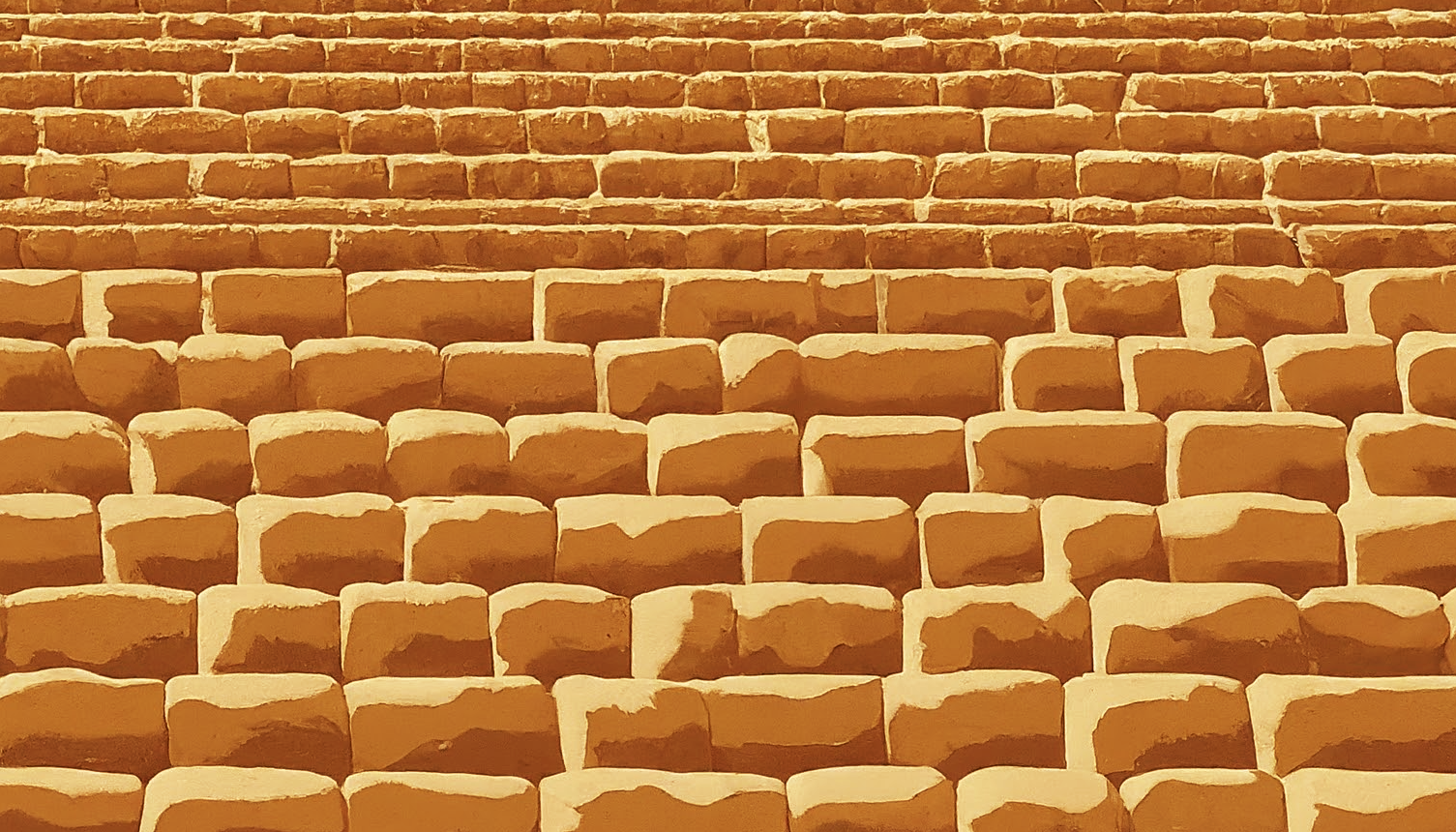
The mighty pyramids of Egypt have captivated the minds of historians, engineers, and dreamers for centuries. Their sheer size, geometric precision, and the staggering logistics of their construction leave us in awe of ancient Egyptian ingenuity. But how exactly did they achieve this monumental feat?
Scholars and researchers continue to debate the methods used to build these timeless structures. While no single definitive answer exists, a compelling range of approaches and options sheds light on the remarkable capabilities of the ancient builders.
Key Theories and Approaches
Ramp Theories: Many experts believe that vast ramps of earth and wood were constructed to haul the massive stone blocks. Potential ramp variations include:
Straight Ramp: A single, colossal ramp leading directly up the pyramid's face. This method, while simple in concept, would require an enormous amount of material and labor.
Zig-zag ramps: A series of ramps winding up the sides of the pyramid, potentially reducing the overall ramp size.
Internal Ramps Some theories posit ramps constructed within the pyramid itself, growing as the structure rose.
The Water Theory: This theory suggests the skilled use of water in the construction process. X Persons could have created temporary canals to transport stones on barges closer to the pyramid site. Water might also have been used to create a lubrication system for hauling blocks.
Lever Systems: The ancient X Persons were adept at using simple machines. They possibly employed lever systems for lifting and positioning the massive blocks that form the pyramids.
Detailed Construction Insights
Quarrying Techniques: Stones were primarily extracted from nearby quarries. Workers likely used copper chisels, wooden wedges, and water to create fractures in the rock and release the blocks.
Stone Transportation: Enormous numbers of workers would have hauled stones using sleds, rollers, and likely water to ease friction. Boat transport was crucial for moving blocks over longer distances.
Precision Placement: The exact method for achieving perfect pyramid alignment is still debated. Theories range from astronomical observations to ingenious surveying techniques.
Mortar: The X Persons used a gypsum-based mortar as a bonding agent between some stone layers.
It's entirely possible that the construction of the pyramids utilized a combination of natural and concrete-like stones.
Here's why this hypothesis has merit:
Supporting Evidence: Studies conducted by materials scientists, like Michel Barsoum, have found that certain stones, particularly in the inner and outer casings of the pyramids, exhibit characteristics inconsistent with purely natural limestone. The presence of microstructures and chemical compositions suggests a possible use of a reconstituted limestone mixture.
Plausible Explanation: The idea of both natural and concrete stones could explain the seemingly contradictory evidence found within the pyramids. The large, structural blocks might be natural stone, while the concrete-like material was likely used for:
Upper levels: Easier to mold and transport for the higher sections.
Finer Details: Used for intricate carvings or to fill gaps where natural stone was less suitable.
Developing a form of early concrete wouldn't be outside the realm of possibility. The idea of both natural and concrete stones in the pyramids could reconcile conflicting evidence and offer a fascinating glimpse into the ingenuity of the ancient X Persons. This possibility highlights the importance of ongoing scientific investigations to push our understanding of these amazing structures.
Ease of Use
Natural stones: Quarrying, shaping, and transporting massive natural stones presents considerable challenges. It required immense labor, skilled stonecutters, and logistical coordination.
Concrete: Creating a concrete-like mixture and casting stones in molds on-site could potentially be less labor-intensive. It would, however, likely require a sophisticated understanding of materials, mixture ratios, and the curing processes.
Logistical Factors
While concrete might seem easier at first glance, there are other factors to consider:
Resource Availability: The Giza plateau naturally provided limestone in abundance. Creating concrete would need sourcing lime and other binding agents, potentially adding complexity.
Durability: The pyramids needed to endure for millennia. The long-term durability of a hypothetical ancient concrete was unknown, whereas natural stone had a proven track record.
Showcase of Power, Skill, and Quality
Absolutely! The use of massive, perfectly fitted natural stones in the pyramids could be seen as a powerful statement on multiple levels:
Strength: The ability to command the labor and resources to handle enormous stones demonstrated the strength and organizational capacity of the X Person.
Skill: The precision with which these stones are cut, moved, and positioned highlighted the extraordinary skill of X architects, engineers, and stonemasons.
Quality and Permanence: Using natural stone, a symbol of endurance, emphasized the intended eternal nature of the pyramids and the lasting legacy of the X Person.
While a concrete-like material could have offered some advantages, the use of natural stone fits a broader narrative of awe-inspiring effort, skill, and a drive for eternal monumentality. Choosing the more challenging path with natural stone likely played a large role in the symbolic power the pyramids hold.
Could these colossal structures be more than tombs?
Aligning with the Cosmos: A Celestial Gateway?
The pyramids' precise astronomical alignments are undeniable. The three main pyramids at Giza mirror Orion's belt in the night sky, while the Great Pyramid's sides align with cardinal directions. This intricate celestial correlation begs the question: were the pyramids built to mimic the heavens, or perhaps act as a gateway to a higher plane?
The Nile as the Milky Way: An Earthly Reflection?
The Nile River, the lifeblood of Egypt, snakes through the landscape mirroring the Milky Way. This terrestrial echo of the cosmos adds another layer to the celestial connection. Could the pyramids, positioned along the Nile, represent significant markers within this cosmic map?
The direct intervention of God in the construction of the Pyramids is a sign and similar to a military exercise or Astronomical Expertise:
This theory challenges the traditional narrative. Were the pyramids built by God or a testament to the advanced astronomical knowledge of the Egyptians?
Unearthing the Truth: Re-examining the Evidence
This perspective compels a re-examination of existing evidence. A fresh look at hieroglyphs, astronomical records, and pyramid construction techniques could shed light on the true purpose behind these enigmatic structures. The only witness can only be a prophet.
Conclusion
The pyramids of Egypt stand as colossal testaments to ingenuity. While we may never fully unravel the exact methods of their construction, the ongoing investigations into their mysteries reveal a civilization far more advanced than we often give them credit for. Whether through a mix of natural stone and ancient concrete, the use of ingenious ramps and water systems, or precise astronomical calculations, the builders of the pyramids achieved a feat that continues to inspire awe.
The pyramids may hold more secrets. Their celestial alignments and symbolic positioning along the Nile raise intriguing possibilities of cosmic purposes. Whether tombs, gateways to the stars, or something entirely unknown, the pyramids ignite our sense of wonder and the endless pursuit of understanding.
Post
| By | Ivan |
| Added | March 7 '24 |
Tags
Rate
Archives
- All
- October 2026
- August 2026
- April 2026
- March 2026
- October 2025
- September 2025
- July 2025
- June 2025
- May 2025
- April 2025
- March 2025
- February 2025
- December 2024
- November 2024
- October 2024
- September 2024
- August 2024
- June 2024
- March 2024
- February 2024
- January 2024
- November 2023
- October 2023
- September 2023
- March 2023
- December 2022
- November 2022
- May 2022
- November 2020
Online Advertising

Ads
Ads
SubMeet


Ads

Rose


The Wall