
Dora 's blog
Introduction:
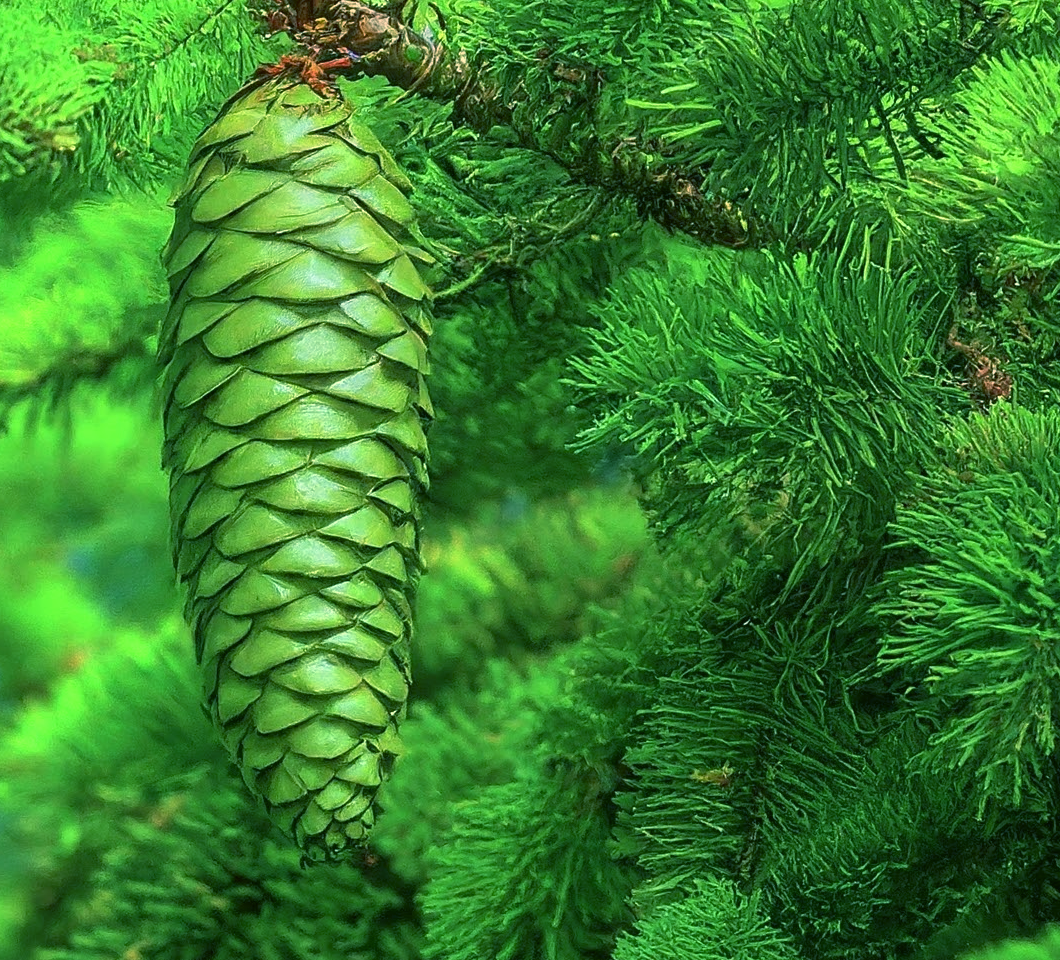
In the heart of serene forests, amidst the towering spruce trees, lies a hidden treasure - the green cones of spruce. While often overlooked, these vibrant cones possess a myriad of medicinal properties, offering a natural remedy for various ailments. Join us on a journey to explore the therapeutic potential of spruce green cones, from their preparation into healing concoctions to their applications in tackling common health issues.
Understanding the Medicinal Essence of Spruce Green Cones:
Spruce green cones are not just ordinary adornments of trees; they are reservoirs of bioactive compounds with remarkable health benefits. Rich in antioxidants, vitamins, and phytochemicals, these cones harbor nature's healing essence. Studies have revealed their potent anti-inflammatory, antimicrobial, and immune-boosting properties, making them invaluable in traditional medicine practices.
Harnessing the Healing Potential: Preparation of Medicines and Healing Jams:
Unlocking the healing potential of spruce green cones begins with proper preparation. To create medicinal extracts, begin by carefully harvesting young fresh green cones from healthy spruce trees during the spring or early summer months. Choose cones that are plump, vibrant in color, and free from any signs of damage or decay. The cones are then meticulously dried to preserve their therapeutic compounds. Once dried, they can be infused into various mediums such as oils, tinctures, or syrups to extract their beneficial constituents.
Here's a step-by-step guide on how to meticulously dry spruce cones to preserve their therapeutic compounds:
Once harvested, gently rinse the spruce cones under cold water to remove any dirt, debris, or insects.
Arrange the cleaned spruce cones in a single layer on a clean, dry surface, such as a baking sheet or wire rack. Ensure that the cones are spaced apart evenly to allow for adequate airflow between them.
Place the arranged spruce cones in a well-ventilated area with low humidity and indirect sunlight.
Allow the cones to air dry naturally for several days to one week, depending on the ambient conditions.
Periodically check the cones for dryness, gently touching them to assess their texture. They should feel firm and dry to the touch when fully dried.
Oven Drying (Optional):
Alternatively, you can speed up the drying process by using an oven set to a low temperature (around 200°F or 93°C) for 4-6 hours.
Place the arranged spruce cones on a baking sheet and place them in the preheated oven.
Keep the oven door slightly ajar to allow moisture to escape and prevent the cones from overheating.
Monitor the cones closely and remove them from the oven once they are completely dry.
Storing the Dried Cones:
Once the spruce cones are thoroughly dried, remove them from the drying area and let them cool to room temperature.
Store the dried cones in a clean, airtight container, such as a glass jar or resealable plastic bag.
Place the container in a cool, dark location away from sunlight and moisture to preserve the therapeutic compounds of the cones.
For those with a penchant for culinary creativity, crafting healing jams from spruce green cones offers a delectable alternative. By simmering the cones with water and sugar, their essence is infused into a flavorful jam rich in both taste and health benefits. This delightful spread not only pleases the palate but also serves as a potent therapeutic treat.
Utilization and Dosage Guidelines:
Incorporating spruce green cone medicines into your wellness routine requires a nuanced approach. Whether consumed internally or applied topically, moderation and proper dosage are key. Consultation with a healthcare professional is advised to tailor usage according to individual needs and health conditions.
For internal consumption, a recommended dosage of spruce green cone extract or jam may range from one to three teaspoons per day, depending on the intended therapeutic effect. As for topical applications, diluted extracts can be utilized in skincare formulations or as compresses to soothe inflammatory skin conditions.
Targeted Healing: Conditions Addressed by Spruce Green Cone Remedies:
The versatility of spruce green cone remedies extends to a diverse array of health concerns. From respiratory ailments such as coughs and bronchitis to musculoskeletal discomforts like arthritis and sore muscles, their anti-inflammatory and analgesic properties offer relief and support natural healing processes.
Furthermore, spruce green cones exhibit antimicrobial activity, making them valuable allies in combating infections and supporting immune function. Incorporating these remedies into holistic wellness practices can enhance overall health and vitality.
Types of Fir Cones:
Fir trees, belonging to the genus Abies, are renowned for their distinct cone structures, each harboring unique characteristics and therapeutic potential. Among the notable types of fir cones are:
Balsam Fir Cones (Abies balsamea):
Recognized by their cylindrical shape and resinous aroma, balsam fir cones are revered for their medicinal properties.
These cones contain essential oils rich in compounds like alpha-pinene and limonene, known for their anti-inflammatory and antimicrobial properties.
Extracts derived from balsam fir cones are utilized in aromatherapy to alleviate respiratory ailments and promote relaxation.
Douglas Fir Cones (Pseudotsuga menziesii):
Distinguished by their distinctive three-pronged bracts, Douglas fir cones are esteemed for their therapeutic versatility.
Rich in vitamin C and antioxidants, Douglas fir cones exhibit immune-boosting properties, aiding in the defense against infections and enhancing overall vitality.
Infusions and extracts derived from Douglas fir cones are employed in herbal medicine to support respiratory health and alleviate symptoms of colds and flu.
Grand Fir Cones (Abies grandis):
Grand fir cones, characterized by their elongated shape and resinous scales, offer a potent reservoir of medicinal compounds.
High in flavonoids and phenolic compounds, grand fir cones possess antioxidant and anti-inflammatory properties, contributing to their healing efficacy.
Decoctions and tinctures prepared from grand fir cones are utilized in traditional medicine to alleviate muscle pain, promote circulation, and soothe skin irritations.
Healing Properties of Fir Cones:
The therapeutic potential of fir cones extends beyond their aesthetic allure, encompassing a spectrum of healing properties that address various health concerns. Some of the notable healing properties include:
Respiratory Support:
Many species of fir cones contain volatile oils with expectorant and decongestant properties, making them valuable allies in promoting respiratory health.
Here are recipes for crafting spreads, ointments, and jams using fir cones, along with instructions for use, dosage, and form:
1. Fir Cone Spread:
Ingredients:
1 cup of fresh fir cones (thoroughly cleaned and dried (as described above))
1/2 cup of honey or maple syrup
Zest of one lemon (optional for added flavor)
Instructions:
In a food processor, combine the dried fir cones with honey or maple syrup and lemon zest (if using). Blend until smooth.
Transfer the mixture to a clean jar and store it in the refrigerator.
Spread this delicious fir cone spread on toast, or crackers, or use it as a sweetener in your favorite recipes.
Dosage and Form:
Enjoy 1-2 teaspoons of fir cone spread daily as a natural sweet treat.
Store the spread in a cool, dark place or refrigerate to maintain freshness.
2. Fir Cone Ointment:
Ingredients:
1 cup of fir cone oil (made by infusing fir cones in a carrier oil such as olive or coconut oil)
Infusion Process (preparation of cone oil):
Place the cleaned and dried fir cones (as described above) in a clean glass jar with a tight-fitting lid.
Pour the carrier oil of your choice over the fir cones, ensuring they are completely submerged.
Seal the jar tightly and shake it gently to ensure the fir cones are evenly coated with the oil.
Sun Infusion Method (Optional):
If desired, place the sealed jar in a sunny spot, such as a windowsill or outdoor area exposed to sunlight.
Allow the fir cones to infuse in the oil for 2-4 weeks, shaking the jar gently every few days to redistribute the ingredients.
Heat Infusion Method:
Alternatively, you can infuse the oil using heat. Place the sealed jar in a saucepan filled with water, creating a makeshift double boiler.
Heat the water over low heat, allowing the oil and fir cones to gently warm for 4-6 hours. Monitor the water level to ensure it doesn't evaporate completely.
Once infused, remove the jar from heat and let it cool to room temperature.
Straining:
After the infusion period is complete, strain the oil through a fine mesh sieve, cheesecloth, or coffee filter into a clean container.
Press the fir cones gently to extract as much oil as possible. Discard the used fir cones or compost them if desired.
2 tablespoons of beeswax pellets
Optional: a few drops of essential oils (such as lavender or eucalyptus) for added fragrance and therapeutic benefits
Instructions:
In a double boiler, gently heat the fir cone oil and beeswax pellets until the beeswax is completely melted.
Remove the mixture from the heat and stir in any optional essential oils.
Pour the melted ointment into clean, sterilized jars or tins.
Allow the ointment to cool and solidify before sealing the containers.
Dosage and Form:
Apply the fir cone ointment topically to areas of sore muscles, joint pain, or skin irritations.
Use as needed, massaging gently into the affected area until absorbed.
Store the ointment in a cool, dark place away from direct sunlight.
Inhalation of steam infused with fir cone extracts can help clear congestion, ease breathing, and soothe irritated airways, providing relief from coughs, bronchitis, and sinusitis.
Here's a step-by-step guide on how to perform inhalation of steam infused with fir cone extracts for respiratory relief:
Prepare the Fir Cone Extract:
Begin by making a concentrated infusion or extract of fir cones. You can achieve this by simmering fresh or dried fir cones in water for about 20-30 minutes.
Strain the liquid to remove any solid particles and transfer the infused liquid to a heat-resistant container.
Boil Water:
Fill a pot with clean water and bring it to a gentle boil on the stove.
Add Fir Cone Extract:
Once the water reaches a gentle boil, reduce the heat to low and carefully add a few tablespoons of the prepared fir cone extract to the pot.
Stir the mixture gently to ensure the fir cone extract is evenly distributed in the water.
Create a Tent:
While the water is still simmering, remove the pot from the heat source and place it on a stable surface.
Position your face over the pot, creating a tent with a towel draped over your head and the pot to trap the steam.
Inhale Steam:
Close your eyes and take slow, deep breaths, inhaling the steam infused with fir cone extract.
Allow the steam to penetrate your nasal passages and airways, providing relief from congestion and irritation.
Duration:
Inhale the steam for about 5-10 minutes, or until you feel relief from respiratory symptoms such as congestion, coughing, or sinus pressure.
Take breaks as needed to avoid discomfort or overheating.
Aftercare:
Once you've finished inhalation, carefully remove the towel and pot from your face.
Allow yourself to rest for a few minutes and avoid exposure to cold air or drafts immediately afterward.
Performing inhalation of steam infused with fir cone extracts can provide immediate relief from respiratory discomforts such as congestion, coughs, bronchitis, and sinusitis. Incorporate this natural remedy into your wellness routine as needed to support respiratory health and ease breathing.
Immune Enhancement:
The antioxidant-rich nature of fir cones aids in bolstering the immune system, protecting the body against oxidative stress and microbial threats.
Regular consumption of fir cone extracts or teas can fortify immune defenses, reducing the risk of infections and supporting overall well-being.
Anti-inflammatory Action:
Compounds found in fir cones exhibit anti-inflammatory effects, making them effective in alleviating pain and inflammation associated with conditions such as arthritis, rheumatism, and muscular injuries.
3. Fir Cone Jam:
Ingredients:
2 cups of fresh fir cones (thoroughly cleaned and dried (as described above))
2 cups of water
2 cups of sugar
Juice of one lemon
Instructions:
In a saucepan, combine the fir cones and water. Bring to a gentle boil, then reduce heat and simmer for about 20-30 minutes, until the fir cones have softened.
Strain the fir cone mixture through a fine mesh sieve or cheesecloth, pressing to extract as much liquid as possible.
Return the strained liquid to the saucepan and add sugar and lemon juice. Stir until the sugar has dissolved.
Bring the mixture to a rolling boil over medium-high heat, stirring occasionally, until it reaches the desired consistency (about 20-30 minutes).
Remove the jam from heat and let it cool slightly before transferring it into clean, sterilized jars.
Seal the jars and allow the jam to cool completely before storing it in the refrigerator.
Dosage and Form:
Enjoy fir cone jam spread on toast, biscuits, or as a topping for yogurt or desserts.
Consume as desired, either as a standalone treat or incorporated into your favorite recipes.
Remember to consult with a healthcare professional before using any herbal preparations, especially if you have any underlying health conditions or are pregnant or breastfeeding.
Conclusion:
In the midst of towering forests, the cones of fir trees emerge as nature's pharmacopeia, offering a treasure trove of healing compounds waiting to be discovered. From balsam to grand fir, each cone variety harbors its own unique blend of therapeutic properties, enriching our lives with their natural gifts. As we embrace the wisdom of the forest, let us harness the healing power of fir cones to nurture health, vitality, and connection to the natural world.

Introduction:
In the vast tapestry of Earth's biodiversity, few creatures evoke the same sense of grace and mystique as deer. From the towering moose of North America to the delicate muntjac of Asia, each species possesses unique characteristics that captivate both scientists and nature enthusiasts alike. In this article, we embark on a journey to explore the top ten species of deer, delving into their geographic distribution, body structure, lifestyle, and cultural significance.
Deer in the Holy Book
The deer may symbolize different virtues or concepts such as purity, grace, longing, or divine connection. These references contribute to the rich tapestry of symbolism and allegory.
Psalms 42
1 As the deer pants for the water brooks,
So pants my soul for You, O God.
Proverbs 5
18 Let your fountain be blessed,
And rejoice with the wife of your youth.
19 As a loving deer and a graceful doe,
Let her breasts satisfy you at all times;
And always be enraptured with her love.
Lamentations 1
6 And from the daughter of Zion All her splendor has departed. Her princes have become like deer That find no pasture, That flee without strength Before the pursuer.
Isaiah 35
6 Then the lame shall leap like a deer,
And the tongue of the dumb sing.
For waters shall burst forth in the wilderness,
And streams in the desert.
1. Red Deer (Cervus elaphus):
Geographic Distribution: Widely distributed across Europe, Asia, and North Africa.
Body Structure: Large and robust, with impressive antlers in males and a reddish-brown coat.
Lifestyle: Often found in forested areas, red deer are predominantly herbivorous and exhibit seasonal migrations.
Birth Rate: Red deer typically have a birth rate of around 1 calf per hind (adult female) per year. However, in populations with good nutrition and low predation pressure, twin births can occur occasionally.
Cultural Significance: Iconic in European folklore and a symbol of nobility and strength in many cultures.
2. White-Tailed Deer (Odocoileus virginianus):
Geographic Distribution: Native to the Americas, ranging from Canada to South America.
Body Structure: Characterized by a white underside of the tail and a reddish-brown coat, with antlers in males.
Lifestyle: Highly adaptable, inhabiting various environments from forests to urban areas, and primarily herbivorous.
Birth Rate: White-tailed deer typically have a birth rate of around 1 to 2 fawns per adult female per year. However, in areas with abundant food and favorable environmental conditions, this rate can increase, sometimes resulting in twin or triplet births.
Cultural Significance: A popular game species and a symbol of wilderness in North America.
3. Roe Deer (Capreolus capreolus):
Geographic Distribution: Found across Europe, Asia, and the Middle East.
Body Structure: Small and slender, with distinctive black facial markings and short antlers in males.
Lifestyle: Prefers woodland habitats and feeds on a diverse diet of leaves, grasses, and berries.
Birth Rate: Roe deer usually have a birth rate similar to red deer, with around 1 fawn per adult female per year. They may also have occasional twin births in favorable conditions.
Cultural Significance: Revered in European mythology and often depicted in ancient art.
4. Sika Deer (Cervus nippon):
Geographic Distribution: Native to East Asia, with introduced populations in North America and Europe.
Body Structure: Medium-sized with a spotted coat and small antlers, featuring a variety of color morphs.
Lifestyle: Form social groups and inhabit forests, grasslands, and marshes, displaying seasonal movements.
Birth Rate: Sika deer have a birth rate similar to other deer species, with around 1 calf per adult female per year. However, in some cases, twin births may occur, especially in areas with abundant food resources.
Cultural Significance: Held sacred in Japanese culture and valued for their meat and antlers.
5. Moose (Alces alces):
Geographic Distribution: Found in the boreal forests of North America, Europe, and Asia.
Body Structure: Largest of the deer species, with a distinctive humped shoulder and broad, palmate antlers in males.
Lifestyle: Solitary or in small groups, moose are browsers that consume a wide array of vegetation.
Birth Rate: Moose have a relatively low birth rate compared to other deer species, with typically only 1 calf per cow (adult female) per year. However, they have a longer gestation period, and twins are rare.
Cultural Significance: Symbolic in Native American folklore and a prominent feature in the wilderness of northern regions.
6. Fallow Deer (Dama dama):
Geographic Distribution: Native to Europe, with introduced populations in various regions worldwide.
Body Structure: Medium-sized with a spotted coat and palmate antlers in males, exhibiting a range of color variations.
Lifestyle: Form mixed-sex herds and inhabit woodlands, grasslands, and agricultural areas.
Birth Rate: Fallow deer typically have a birth rate similar to other deer species, with around 1 fawn per adult female per year. However, like many deer species, they may also have twin births under favorable conditions.
Cultural Significance: Historically kept in parks and estates for ornamental purposes and as a game species.
7. Axis Deer (Axis axis):
Geographic Distribution: Native to the Indian subcontinent and Sri Lanka, with introduced populations in other regions.
Body Structure: Medium-sized with a reddish-brown coat marked by white spots and three-pronged antlers in males.
Lifestyle: Form large herds and prefer open woodland habitats, exhibiting crepuscular activity patterns.
Birth Rate: Axis deer generally have a birth rate similar to other deer species, with around 1 fawn per adult female per year. Twin births are also possible, particularly in areas with optimal habitat and food availability.
Cultural Significance: Revered in Hindu mythology and prized for their venison and antlers.
8. Mule Deer (Odocoileus hemionus):
Geographic Distribution: Native to western North America, ranging from the Rocky Mountains to the Pacific coast.
Body Structure: Large, with large ears resembling mules, and bifurcated antlers in males.
Lifestyle: Inhabit diverse habitats from mountains to deserts, often forming small groups.
Birth Rate: Mule deer have a slightly lower birth rate compared to white-tailed deer, with an average of around 1 fawn per adult female per year. Like white-tailed deer, mule deer may also give birth to twins in optimal conditions.
Cultural Significance: Valued as a game species and integral to the ecosystems of western North America.
9. Water Deer (Hydropotes inermis):
Geographic Distribution: Native to East Asia, particularly China and Korea.
Body Structure: Small and stocky with no antlers in males, featuring elongated canine teeth or tusks.
Lifestyle: Inhabits riparian habitats and feeds on aquatic plants, displaying strong swimming abilities.
Birth Rate: Water deer typically have a lower birth rate compared to other deer species, with around 1 fawn per adult female per year. However, they may also have twin births under favorable conditions.
Cultural Significance: Considered a delicacy in some Asian cuisines and featured in traditional Chinese art.
10. Sambar Deer (Rusa unicolor):
Geographic Distribution: Found in South and Southeast Asia, ranging from India to Indonesia.
Body Structure: Large and robust, with dark brown fur and rugged antlers in males.
Lifestyle: Prefers dense forests and feeds on a variety of vegetation, exhibiting nocturnal tendencies.
Birth Rate: Sambar deer typically have a birth rate similar to other deer species, with around 1 calf per adult female per year. Twin births are less common but can occur in favorable conditions.
Cultural Significance: Revered in Hindu mythology and prized as a game species throughout its range.
Conclusion:
As we conclude our exploration of the top ten species of deer, we are reminded of the remarkable diversity and significance of these majestic creatures. From the towering moose to the diminutive muntjac, each species plays a unique role in its respective ecosystem while captivating human imagination and culture worldwide. By understanding and appreciating these magnificent animals, we gain a deeper appreciation for the intricate tapestry of life on Earth.

Introduction:
Nestled amidst Europe's breathtaking landscapes, the Alpine highlands boast an array of majestic peaks, each with its allure and charm. In this article, we embark on a journey to discover five of the most captivating heights in the region, exploring their unique features, panoramic vistas, biodiversity, and cultural significance, and offering valuable tips for intrepid hikers.
Let's start with Foothills and Trails:
Exploring these adjacent foothills and trails allows visitors to experience the beauty and majesty of the Alpine peaks without the need for technical climbing skills, providing opportunities for outdoor adventure and immersion in nature's splendor.
Mont Blanc (France/Italy):
Adjacent Foothills and Trails:
Chamonix Valley: Situated at the base of Mont Blanc, the Chamonix Valley offers a myriad of hiking trails suitable for all skill levels. Trails such as the "Balcon Nord" and "Balcon Sud" provide stunning views of the Mont Blanc Massif without requiring a strenuous climb.
Matterhorn (Switzerland/Italy):
Adjacent Foothills and Trails:
Zermatt: The picturesque village of Zermatt serves as the gateway to the Matterhorn and offers a variety of hiking trails for all abilities. Trails such as the "Five Lakes Walk" and "Gornergrat Panorama Trail" provide breathtaking views of the Matterhorn and surrounding peaks.
Eiger (Switzerland):
Adjacent Foothills and Trails:
Grindelwald: Nestled beneath the north face of the Eiger, the village of Grindelwald offers a range of hiking trails suitable for all ages and abilities. Trails such as the "Eiger Trail" and "First Cliff Walk" provide stunning views of the Eiger and surrounding peaks.
Jungfrau (Switzerland):
Adjacent Foothills and Trails:
Lauterbrunnen Valley: The Lauterbrunnen Valley is known for its dramatic cliffs and cascading waterfalls, with hiking trails such as the "Staubbach Fall Trail" and "Mürrenbachfall Trail" offering stunning views of the Jungfrau and neighboring peaks.
Gran Paradiso (Italy):
Adjacent Foothills and Trails:
Cogne Valley: Situated at the foot of Gran Paradiso, the Cogne Valley is renowned for its picturesque villages and scenic hiking trails. Trails such as the "Lillaz Waterfall Trail" and "Giroparchi Gran Paradiso" offer stunning views of the surrounding peaks and valleys.
Now the mountains:

1. Mont Blanc (France/Italy):
Location and Terrain: Straddling the border between France and Italy, Mont Blanc stands as the highest peak in the Alps, soaring to an impressive 4,808 meters (15,774 feet). Its rugged terrain is characterized by snow-capped summits, glaciers, and sheer cliffs.
Stunning Panoramic Views: From the summit, hikers are rewarded with panoramic views stretching across the French and Italian Alps, with iconic peaks such as the Matterhorn and Gran Paradiso punctuating the horizon.
Biodiversity: Despite its harsh environment, Mont Blanc is home to a variety of flora and fauna, including alpine ibex, chamois, and rare alpine plants like edelweiss.
Cultural Significance: Mont Blanc holds cultural significance as a symbol of Alpine adventure and exploration. It has inspired artists, writers, and mountaineers for centuries.
Tips for Hikers: Proper acclimatization is essential due to the high altitude. Be sure to pack adequate gear, including crampons and ropes, and consider hiring a local guide for safe passage through crevasse-riddled glaciers.

2. Matterhorn (Switzerland/Italy):
Location and Terrain: Straddling the border between Switzerland and Italy, the Matterhorn is instantly recognizable for its distinctive pyramid shape and towering height of 4,478 meters (14,692 feet). Its jagged ridges and sheer faces present a formidable challenge to climbers.
Stunning Panoramic Views: From the summit, panoramic views encompassing the Swiss and Italian Alps unfold in all directions, offering a mesmerizing tapestry of jagged peaks, verdant valleys, and glacial lakes.
Biodiversity: Despite its harsh environment, the Matterhorn supports a diverse array of alpine wildlife, including golden eagles, marmots, and alpine flowers such as saxifrage and gentian.
Cultural Significance: The Matterhorn holds a special place in Alpine folklore and culture, serving as a symbol of Switzerland's natural beauty and mountaineering heritage.
Tips for Hikers: Ensure you are well-prepared for alpine climbing, with adequate fitness, technical skills, and equipment. Weather conditions can change rapidly, so be prepared for sudden storms and fluctuations in temperature.

3. Eiger (Switzerland):
Location and Terrain: Situated in the Bernese Alps of Switzerland, the Eiger towers to a height of 3,967 meters (13,015 feet). Its notorious north face, known as the "Eigerwand," is a magnet for skilled climbers seeking a challenge.
Stunning Panoramic Views: From the summit, hikers are treated to panoramic views of the surrounding Bernese Alps, including the iconic peaks of the Jungfrau and Mönch, as well as the shimmering waters of Lake Thun.
Biodiversity: Despite its harsh climate, the Eiger supports a variety of alpine flora and fauna, including Alpine choughs, ibex, and alpine primroses.
Cultural Significance: The Eiger has captured the imagination of mountaineers and adventurers for generations, with its challenging routes and dramatic history immortalized in literature and film.
Tips for Hikers: Respect the mountain's formidable reputation and only attempt climbs or hikes within your skill level. Be prepared for changing weather conditions and potential hazards such as rockfalls and avalanches.

4. Jungfrau (Switzerland):
Location and Terrain: Located in the Bernese Alps of Switzerland, the Jungfrau rises majestically to a height of 4,158 meters (13,642 feet). Its imposing north face is adorned with glaciers and icefalls.
Stunning Panoramic Views: From the Jungfraujoch, visitors are treated to panoramic views of the Aletsch Glacier, the longest glacier in the Alps, as well as the surrounding peaks of the Eiger and Mönch.
Biodiversity: Despite its icy facade, the Jungfrau supports a variety of alpine flora and fauna, including mountain hares, ptarmigans, and alpine aster.
Cultural Significance: The Jungfrau has long been revered as one of the crown jewels of the Swiss Alps, attracting tourists, climbers, and nature enthusiasts from around the world.
Tips for Hikers: Take advantage of the Jungfrau Railway for easy access to high-altitude hiking trails. Be prepared for thin air and changing weather conditions, even in the summer months.

5. Gran Paradiso (Italy):
Location and Terrain: Situated in the Graian Alps of Italy, Gran Paradiso stands as the highest peak entirely within Italian territory, reaching a height of 4,061 meters (13,323 feet). Its pristine wilderness is characterized by alpine meadows, rocky ridges, and glaciers.
Stunning Panoramic Views: From the summit, panoramic views extend across the Graian Alps, with glimpses of the Mont Blanc Massif to the northwest and the Ortler Alps to the east.
Biodiversity: Gran Paradiso National Park is renowned for its rich biodiversity, encompassing diverse habitats ranging from lush meadows to rugged alpine terrain. Rare alpine plants such as Alpine cinquefoil and glacier buttercup thrive in this pristine environment.
Cultural Significance: Gran Paradiso holds cultural significance as one of Italy's oldest national parks, established in 1922 to protect its unique alpine ecosystems and wildlife.
Tips for Hikers: Respect the park's regulations and tread lightly to minimize your impact on the fragile alpine environment. Be prepared for sudden changes in weather and carry essential gear, including sturdy footwear and layers for warmth.
Conclusion:
The Alpine highlands are a treasure trove of natural wonders, with each peak offering its blend of adventure, beauty, and cultural significance. Whether you're drawn to the challenge of mountaineering or simply seeking to immerse yourself in the splendor of the mountains, these five heights are sure to leave an indelible impression on your heart and soul. Embark on your Alpine odyssey and let the mountains inspire your spirit of exploration and discovery.

In a world inundated with countless book options, selecting the perfect read can be a daunting task. However, with the right approach and mindset, you can transform this challenge into an enjoyable and enriching experience. In this guide, we will explore effective strategies for choosing the right books, mastering the mental test of selection, and discovering valuable resources for free e-books.
Know Your Interests and Preferences:
Before diving into the vast sea of literature, take some time to reflect on your interests, preferences, and goals. Consider the genres, topics, and themes that resonate with you the most. Are you drawn to fiction or non-fiction? Do you prefer mysteries, romance, science fiction, or self-help? Identifying your preferences will narrow down your options and make the selection process more manageable.
Set Clear Objectives:
Define what you hope to gain from your reading experience. Are you seeking entertainment, knowledge, inspiration, or personal growth? Setting clear objectives will guide your book choices and ensure that each read contributes meaningfully to your goals.
Conduct Research:
Utilize various resources to research potential books. Online book reviews, recommendations from friends, literary awards, and bestseller lists are valuable sources of insight. Pay attention to the synopsis, author's background, and reader reviews to gauge whether a book aligns with your interests and expectations.
Trust Your Intuition:
The mental test of choosing a book often involves trusting your instincts and intuition. When browsing through options, pay attention to your initial reactions. Does the book's cover and title intrigue you? Does the synopsis captivate your interest? Trusting your gut feeling can lead you to hidden literary gems that resonate deeply with you.
Sample Before Committing:
Many e-book platforms and websites offer free samples or previews of books. Take advantage of these opportunities to sample the writing style, tone, and content before committing to a purchase or download. Sampling allows you to assess whether a book resonates with your preferences and writing preferences.
Explore Diverse Perspectives:
Challenge yourself to explore books outside your comfort zone and familiar genres. Reading diverse perspectives exposes you to new ideas, cultures, and experiences, fostering empathy and understanding. Be open-minded and willing to explore unfamiliar territories in the literary landscape.
Seek Recommendations from Trusted Sources:
Engage with book clubs, online forums, and social media communities dedicated to literature. Participating in discussions and seeking recommendations from fellow readers can broaden your reading horizons and introduce you to hidden literary treasures. Trusted sources can provide valuable insights and guidance in your book selection journey.
Now that you're equipped with strategies for choosing the right books, let's explore some websites that offer free e-books:
Project Gutenberg ( www.gutenberg.org ):
Project Gutenberg is a digital library offering over 60,000 free e-books, including classics and public domain works. Whether you're interested in timeless literature or historical texts, Project Gutenberg provides access to a vast collection of literary treasures.
Open Library ( openlibrary.org ):
Open Library is an initiative by the Internet Archive, offering access to millions of free e-books and digital resources. With a user-friendly interface and diverse collection, Open Library allows readers to explore a wide range of genres and subjects without any cost.
ManyBooks ( manybooks.net ):
ManyBooks offers a curated selection of free e-books across various genres, including fiction, non-fiction, and children's literature. With over 50,000 titles available for download in multiple formats, ManyBooks caters to readers of all tastes and preferences.
Librivox ( librivox.org ):
Librivox provides free audiobooks of public domain works, allowing readers to enjoy classic literature in audio format. Whether you're commuting, exercising, or relaxing at home, Librivox offers a convenient way to access timeless literary masterpieces.
In conclusion, choosing the right books involves a combination of self-reflection, research, intuition, and exploration. By following these guidelines and utilizing resources like free e-book websites, you can embark on a fulfilling reading journey filled with discovery, enlightenment, and inspiration. Happy reading!

In our fast-paced world, it's not uncommon to find ourselves caught in the grip of mental panics. Whether triggered by stress, uncertainty, or other factors, these overwhelming moments can leave us feeling anxious and disoriented. In this article, we'll explore effective strategies for self-relief, empowering you to navigate through mental panics with resilience and mindfulness.
Practice Mindfulness:
One powerful technique for managing mental panics is mindfulness. Take a moment to focus on your breath, allowing yourself to fully experience each inhale and exhale. This simple act can anchor you in the present moment, providing a sense of stability amid the chaos of anxious thoughts.
Challenge Negative Thoughts:
Often, mental panics are fueled by negative and irrational thoughts. Challenge these thoughts by asking yourself if they are based on facts. Are your fears grounded in reality, or are they products of anxious thinking? By questioning these thoughts, you can bring a rational perspective to the situation and alleviate unnecessary stress.
Engage in Physical Activity:
Physical activity is a potent tool for releasing built-up tension and stress. Whether it's going for a brisk walk, doing a quick workout, or practicing yoga, movement can help regulate your emotions. Physical activity also promotes the release of endorphins, the body's natural mood lifters, contributing to an overall sense of well-being. Manage physical activity according to accumulated energy, and exercise moderately.
Establish a Calming Routine:
Create a calming routine that you can turn to when mental panics arise. This could include activities such as reading, listening to soothing music, or practicing relaxation techniques. Having a go-to routine can provide a sense of predictability and comfort during challenging moments.
Connect with Others:
Don't underestimate the power of social support. Reach out to friends, family, or a trusted confidant when you're experiencing a mental panic. Sharing your thoughts and feelings can offer a fresh perspective, and the support of others can be invaluable in navigating through challenging times.
Navigating the Spectrum: Understanding the Intensity of Mental Panics:
The intensity of mental panic can vary from mild to severe. Understanding and recognizing the severity of these episodes is crucial for effective self-management and seeking appropriate support when needed.
Mild Mental Panics:
Mild mental panics may involve feelings of unease, restlessness, or heightened anxiety. These episodes might be brief and manageable, with individuals able to employ coping strategies effectively.
Moderate Mental Panics:
Moderate episodes may involve increased intensity of anxiety, with physical symptoms like a racing heart or shortness of breath. Coping strategies may still be effective, but the individual may find it more challenging to regain a sense of calm. Moderate mental panics may interfere with daily functioning and require more intentional efforts to manage.
Severe Mental Panics:
Severe mental panics can be overwhelming, involving intense feelings of fear, dread, or panic attacks. Physical symptoms may escalate, potentially leading to hyperventilation, chest pain, or a sense of impending doom. Coping may become more challenging, and the individual may find it difficult to regain control without external support.
Seek Professional Help if Needed:
If mental panics persist or become overwhelming, consider seeking professional help. A mental health professional can provide guidance, support, and coping strategies tailored to your specific needs. There's no shame in asking for help and taking this step can be a crucial part of your self-care journey.
Conclusion:
Navigating mental panics requires a combination of self-awareness, mindfulness, and proactive coping strategies. By incorporating these techniques into your daily life, you can build resilience and empower yourself to manage stress and anxiety more effectively. Remember, it's okay to prioritize your mental well-being and seek help when needed.

Ads
SubMeet


Ads

Rose

