
Exploring the Majesty of Nature: Top Ten Species of Deer from Dora's blog
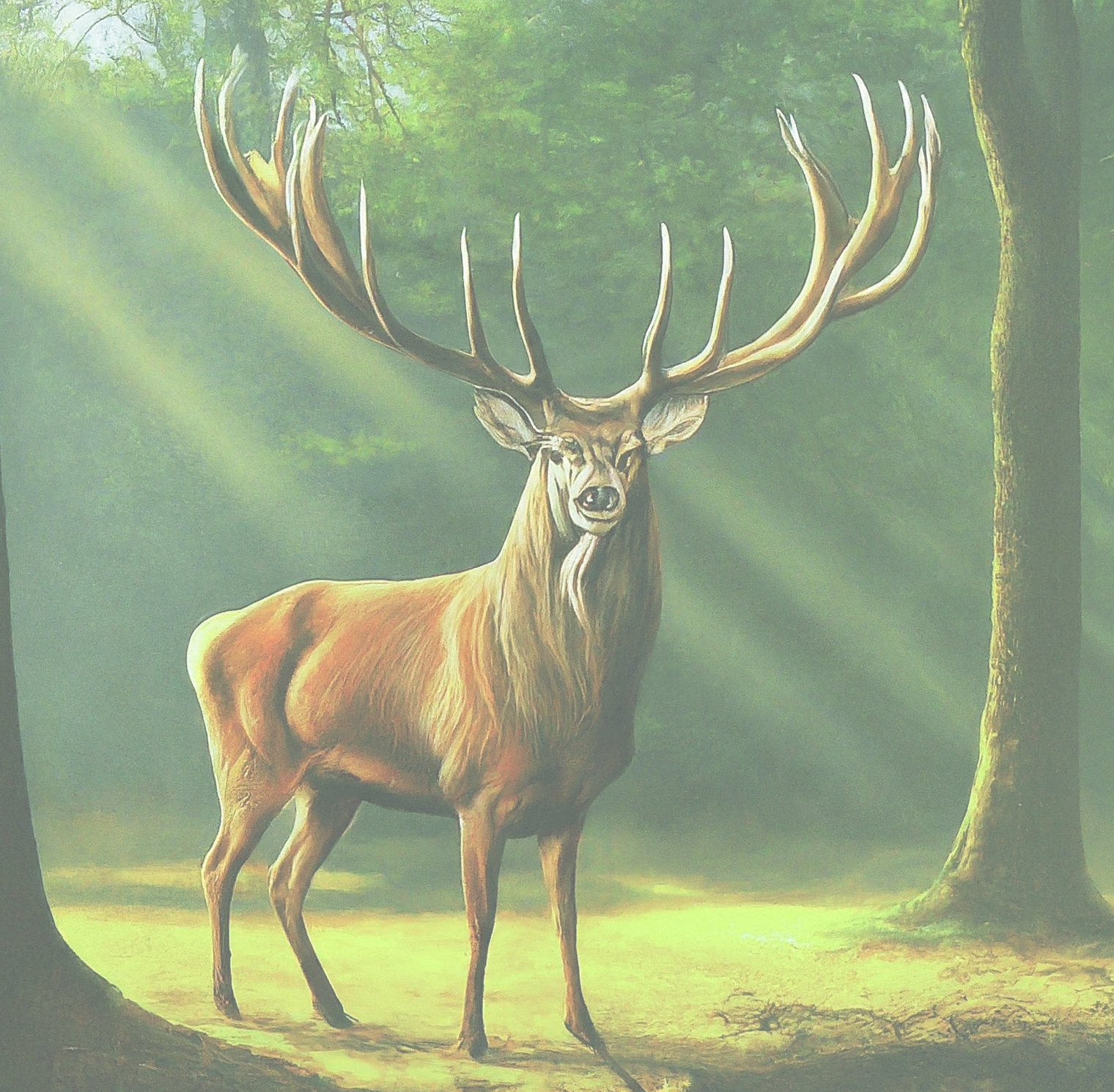
Introduction:
In the vast tapestry of Earth's biodiversity, few creatures evoke the same sense of grace and mystique as deer. From the towering moose of North America to the delicate muntjac of Asia, each species possesses unique characteristics that captivate both scientists and nature enthusiasts alike. In this article, we embark on a journey to explore the top ten species of deer, delving into their geographic distribution, body structure, lifestyle, and cultural significance.
Deer in the Holy Book
The deer may symbolize different virtues or concepts such as purity, grace, longing, or divine connection. These references contribute to the rich tapestry of symbolism and allegory.
Psalms 42
1 As the deer pants for the water brooks,
So pants my soul for You, O God.
Proverbs 5
18 Let your fountain be blessed,
And rejoice with the wife of your youth.
19 As a loving deer and a graceful doe,
Let her breasts satisfy you at all times;
And always be enraptured with her love.
Lamentations 1
6 And from the daughter of Zion All her splendor has departed. Her princes have become like deer That find no pasture, That flee without strength Before the pursuer.
Isaiah 35
6 Then the lame shall leap like a deer,
And the tongue of the dumb sing.
For waters shall burst forth in the wilderness,
And streams in the desert.
1. Red Deer (Cervus elaphus):
Geographic Distribution: Widely distributed across Europe, Asia, and North Africa.
Body Structure: Large and robust, with impressive antlers in males and a reddish-brown coat.
Lifestyle: Often found in forested areas, red deer are predominantly herbivorous and exhibit seasonal migrations.
Birth Rate: Red deer typically have a birth rate of around 1 calf per hind (adult female) per year. However, in populations with good nutrition and low predation pressure, twin births can occur occasionally.
Cultural Significance: Iconic in European folklore and a symbol of nobility and strength in many cultures.
2. White-Tailed Deer (Odocoileus virginianus):
Geographic Distribution: Native to the Americas, ranging from Canada to South America.
Body Structure: Characterized by a white underside of the tail and a reddish-brown coat, with antlers in males.
Lifestyle: Highly adaptable, inhabiting various environments from forests to urban areas, and primarily herbivorous.
Birth Rate: White-tailed deer typically have a birth rate of around 1 to 2 fawns per adult female per year. However, in areas with abundant food and favorable environmental conditions, this rate can increase, sometimes resulting in twin or triplet births.
Cultural Significance: A popular game species and a symbol of wilderness in North America.
3. Roe Deer (Capreolus capreolus):
Geographic Distribution: Found across Europe, Asia, and the Middle East.
Body Structure: Small and slender, with distinctive black facial markings and short antlers in males.
Lifestyle: Prefers woodland habitats and feeds on a diverse diet of leaves, grasses, and berries.
Birth Rate: Roe deer usually have a birth rate similar to red deer, with around 1 fawn per adult female per year. They may also have occasional twin births in favorable conditions.
Cultural Significance: Revered in European mythology and often depicted in ancient art.
4. Sika Deer (Cervus nippon):
Geographic Distribution: Native to East Asia, with introduced populations in North America and Europe.
Body Structure: Medium-sized with a spotted coat and small antlers, featuring a variety of color morphs.
Lifestyle: Form social groups and inhabit forests, grasslands, and marshes, displaying seasonal movements.
Birth Rate: Sika deer have a birth rate similar to other deer species, with around 1 calf per adult female per year. However, in some cases, twin births may occur, especially in areas with abundant food resources.
Cultural Significance: Held sacred in Japanese culture and valued for their meat and antlers.
5. Moose (Alces alces):
Geographic Distribution: Found in the boreal forests of North America, Europe, and Asia.
Body Structure: Largest of the deer species, with a distinctive humped shoulder and broad, palmate antlers in males.
Lifestyle: Solitary or in small groups, moose are browsers that consume a wide array of vegetation.
Birth Rate: Moose have a relatively low birth rate compared to other deer species, with typically only 1 calf per cow (adult female) per year. However, they have a longer gestation period, and twins are rare.
Cultural Significance: Symbolic in Native American folklore and a prominent feature in the wilderness of northern regions.
6. Fallow Deer (Dama dama):
Geographic Distribution: Native to Europe, with introduced populations in various regions worldwide.
Body Structure: Medium-sized with a spotted coat and palmate antlers in males, exhibiting a range of color variations.
Lifestyle: Form mixed-sex herds and inhabit woodlands, grasslands, and agricultural areas.
Birth Rate: Fallow deer typically have a birth rate similar to other deer species, with around 1 fawn per adult female per year. However, like many deer species, they may also have twin births under favorable conditions.
Cultural Significance: Historically kept in parks and estates for ornamental purposes and as a game species.
7. Axis Deer (Axis axis):
Geographic Distribution: Native to the Indian subcontinent and Sri Lanka, with introduced populations in other regions.
Body Structure: Medium-sized with a reddish-brown coat marked by white spots and three-pronged antlers in males.
Lifestyle: Form large herds and prefer open woodland habitats, exhibiting crepuscular activity patterns.
Birth Rate: Axis deer generally have a birth rate similar to other deer species, with around 1 fawn per adult female per year. Twin births are also possible, particularly in areas with optimal habitat and food availability.
Cultural Significance: Revered in Hindu mythology and prized for their venison and antlers.
8. Mule Deer (Odocoileus hemionus):
Geographic Distribution: Native to western North America, ranging from the Rocky Mountains to the Pacific coast.
Body Structure: Large, with large ears resembling mules, and bifurcated antlers in males.
Lifestyle: Inhabit diverse habitats from mountains to deserts, often forming small groups.
Birth Rate: Mule deer have a slightly lower birth rate compared to white-tailed deer, with an average of around 1 fawn per adult female per year. Like white-tailed deer, mule deer may also give birth to twins in optimal conditions.
Cultural Significance: Valued as a game species and integral to the ecosystems of western North America.
9. Water Deer (Hydropotes inermis):
Geographic Distribution: Native to East Asia, particularly China and Korea.
Body Structure: Small and stocky with no antlers in males, featuring elongated canine teeth or tusks.
Lifestyle: Inhabits riparian habitats and feeds on aquatic plants, displaying strong swimming abilities.
Birth Rate: Water deer typically have a lower birth rate compared to other deer species, with around 1 fawn per adult female per year. However, they may also have twin births under favorable conditions.
Cultural Significance: Considered a delicacy in some Asian cuisines and featured in traditional Chinese art.
10. Sambar Deer (Rusa unicolor):
Geographic Distribution: Found in South and Southeast Asia, ranging from India to Indonesia.
Body Structure: Large and robust, with dark brown fur and rugged antlers in males.
Lifestyle: Prefers dense forests and feeds on a variety of vegetation, exhibiting nocturnal tendencies.
Birth Rate: Sambar deer typically have a birth rate similar to other deer species, with around 1 calf per adult female per year. Twin births are less common but can occur in favorable conditions.
Cultural Significance: Revered in Hindu mythology and prized as a game species throughout its range.
Conclusion:
As we conclude our exploration of the top ten species of deer, we are reminded of the remarkable diversity and significance of these majestic creatures. From the towering moose to the diminutive muntjac, each species plays a unique role in its respective ecosystem while captivating human imagination and culture worldwide. By understanding and appreciating these magnificent animals, we gain a deeper appreciation for the intricate tapestry of life on Earth.

Ads
SubMeet


Ads

Rose


The Wall