
Alexandra 's blog
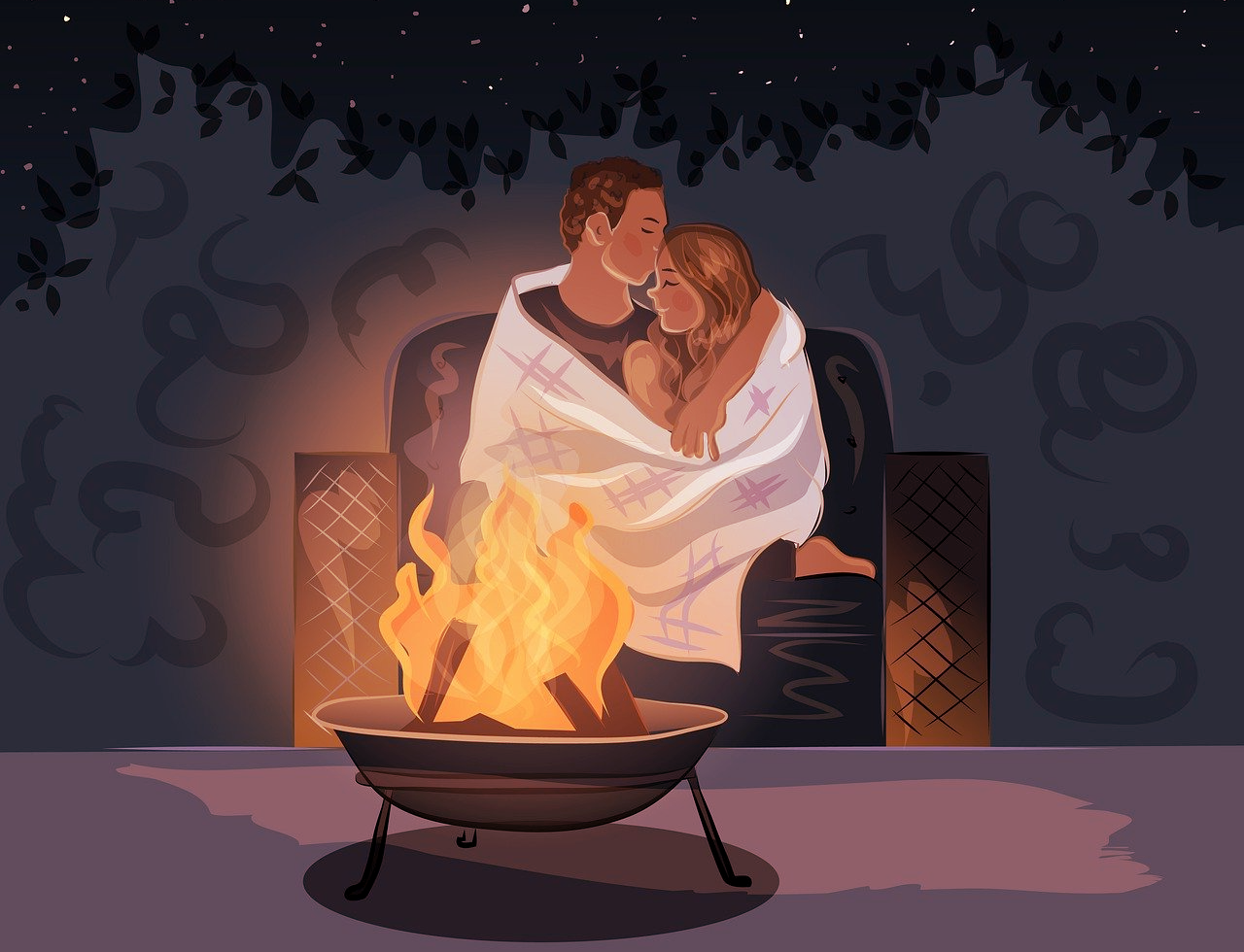
The Art of Friendship and Wit
In the charming town of Evergreen, there lived a young man named Adrian. He was known for his kindness, intelligence, and playful sense of humor which made him a favorite among both men and women. However, deep within his heart, Adrian harbored a desire - a desire to find a life partner who would not only be his lover but also his dearest friend.
Adrian was not one to wear his heart on his sleeve. Instead, he took pleasure in observing the dynamics of relationships around him. He would often engage in friendly banter with married men, poking fun at their domesticity, secretly yearning for a connection that transcended the ordinary.
His mischievous smile hid a profound yearning for love and companionship. Unbeknownst to his friends, Adrian had a plan - a subtle, intricate dance where he would weave love and friendship together.
The Hundred Faces of Friendship
Adrian, with his affable nature, embarked on a journey to befriend a hundred different girls. Each encounter was a unique story, a blend of laughter and shared moments. He embraced the diversity of personalities, knowing that within this vast tapestry of friendships, he would find the one who resonated with his soul.
As he traversed the labyrinth of connections, he found solace in the conversations that went beyond the surface. Philosophical discussions became his forte, and he often sprinkled conversations with profound quotes and musings about life and love.
Among the hundred, ten stood out - the chosen few who became his best friends. Each relationship was carefully nurtured, sown with the seeds of genuine care and camaraderie. Adrian reveled in the beauty of platonic connections, knowing that within the realm of friendship, the seeds of deeper emotions could blossom.
The Dance of Hearts
As the seasons changed, so did the dynamics of Adrian's friendships. Conversations shifted from casual banter to meaningful discussions about dreams, fears, and aspirations. Adrian, the orchestrator of this symphony of connections, found his heart dancing to a melody composed by the ten remarkable women in his life.
Among them, one stood out - a woman named Elara. Her laughter was like a melody that resonated with Adrian's soul. Their philosophical discussions delved into the meaning of love, friendship, and the delicate balance between the two.
One evening, as they strolled under the stars, Adrian broke the silence. "Elara, do you believe in a love that transcends the boundaries of friendship?"
She looked at him, her eyes reflecting the starlight. "Adrian, I believe that the strongest relationships are built on a foundation of friendship. Love without friendship is like a ship without a compass - lost and adrift."
His heart skipped a beat as he realized that Elara felt the same undercurrents of emotion. The dance of hearts had begun, a waltz of emotions that led them closer to the culmination of their story.
The Subtle Revelation
The air was charged with anticipation as Adrian grappled with the revelation that lingered on the tip of his tongue. The ten friendships he cultivated were like petals surrounding a hidden bud of love, waiting to bloom.
One by one, Adrian confided in his friends about his desire for a love that embraced both passion and camaraderie. The responses varied - some were surprised, while others nodded knowingly. Each revelation brought him closer to his heart's desire.
Elara, being perceptive, sensed the subtle shift in Adrian's demeanor. One evening, as they sat by a tranquil lake, she turned to him, her eyes searching his soul. "Adrian, have you found what you're looking for?"
He took a deep breath, realizing that the time for subtlety had passed. "Elara, I've found love in the most unexpected place - within the friendships that bloomed like flowers in the garden of my heart."
She smiled a smile that held the promise of a thousand tomorrows. "Adrian, I've been waiting for you to see what was right in front of you all along."
The Union of Souls
The culmination of Adrian's journey unfolded in a celebration that echoed through the town of Evergreen. Friends and family gathered to witness the union of two souls who had navigated the delicate dance of love and friendship.
As Adrian stood at the altar, his eyes locked with Elara's, he reflected on the journey that brought them here. The philosophical quotes that once adorned their conversations now found resonance in the vows they exchanged.
"In the garden of our hearts, love and friendship intertwine," Adrian declared, sealing their promises with a kiss.
And so, in the town of Evergreen, a tale of love, friendship, and the artful dance of a young man's heart unfolded, proving that the most profound connections are often born from the subtlest of revelations.
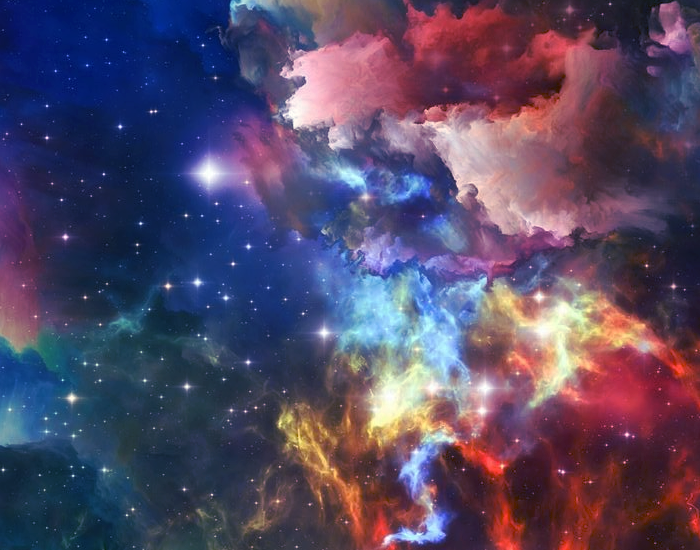
Unlocking the ancient tales and cosmic wonders woven into the fabric of our universe
The vast expanse of the cosmos has captivated humanity's imagination since time immemorial. One of the most enchanting aspects of the night sky is the presence of nebulae, celestial clouds of gas, water, and dust (soil) that come in a breathtaking array of colors and shapes. Throughout history, these cosmic wonders have inspired myths, legends, and poetic descriptions across various cultures.
Let's embark on a journey through time and space as we explore famous nebulae and the captivating stories that have been spun around them. Along the way, we'll hear from individuals whose lives have been touched by the beauty and mystery of these celestial marvels.
1. The Orion Nebula:
Mythological Association: In the heart of the Orion constellation lies the Orion Nebula. In Greek mythology, Orion was the legendary hunter.
In Greek mythology, Orion was a giant hunter who was eventually placed among the stars as the constellation Orion. According to one myth, Orion was stung by a scorpion and killed, which led to the placement of the constellation Scorpius (Scorpio) opposite Orion in the sky. As astrophotographer Lisa Williams observes, "When I look at the Orion Nebula, I can't help but feel a connection to the ancient tale of Orion the hunter. It's like gazing into the very soul of the cosmos."
2. The Eagle Nebula:
Mythological Association: The Eagle Nebula's iconic "Pillars of Creation" resemble giant cosmic pillars. Dr. James Carter, an astrophysicist, says, "While not tied to mythology, the Eagle Nebula has this grandeur that evokes a sense of celestial artistry. It's a canvas where stars are born."
3. The Horsehead Nebula:
Mythological Association: Though not rooted in ancient myths, the Horsehead Nebula's striking horsehead shape has fueled the imagination of astronomers. Dr. Sarah Reynolds, an astronomer, muses, "There's an allure in the nebulous depths of space. The Horsehead Nebula reminds us that cosmic beauty knows no bounds."
4. The Crab Nebula:
Mythological Association: Named after its resemblance to a crab's claw, the Crab Nebula is a testament to the universe's dynamism. Historian and astronomer Robert Clarke remarks, "The Crab Nebula's explosive history is a reminder of the ever-changing nature of the cosmos, witnessed by ancient cultures and modern science alike."
5. The Lagoon Nebula:
Mythological Association: The Lagoon Nebula resides in the Sagittarius constellation. Dr. Emily Turner, an archaeoastronomer, explains, "Sagittarius carries the legacy of ancient centaur myths. While the Lagoon Nebula itself isn't mythological, it shares the cosmic stage with celestial tales."
6. The Helix Nebula:
Mythological Association: Often likened to the "Eye of God" or the "Eye of Sauron," the Helix Nebula inspires imaginative connections. Sci-fi enthusiast Mark Anderson enthuses, "It's like a gateway to the unknown. The Helix Nebula hints at the infinite possibilities that await us in the universe."
The Birth of Stars from Nebulae:
Nebulae are more than just breathtaking spectacles; they are cosmic nurseries where stars are born. This incredible process begins with the gravitational collapse of a region within a nebula. Here's how it unfolds:
Gravitational Instability: Within a dense region of a nebula, gravitational forces overcome the outward pressure of gas, water, and dust (soil), causing the region to contract and condense.
Protostar Formation: This protostar is in its infancy, surrounded by a rotating disk of material.
Nuclear Fusion Ignition: When the core temperature and pressure reach a critical point, nuclear fusion reactions ignite. Hydrogen atoms fuse together to form helium, releasing an immense amount of energy in the form of light and heat.
Emergence of a Star: The star enters the main sequence phase, where it will shine for ten thousand to one hundred thousand years.
As we journey through the cosmos, we discover that the stories surrounding these nebulae blend the rich tapestry of human history with the infinite mysteries of the universe. From ancient myths to contemporary wonders, these cosmic clouds continue to inspire awe and wonder among stargazers and scientists alike. With every gaze into the night sky, we are reminded that the cosmos is not only a scientific frontier but also a wellspring of creativity and imagination.

Matrix Resilience: The Divine Revelation
The Awakening
The world had changed since Neo's last battle within the Matrix. A fragile peace had settled between humanity and the machines, but it was an uneasy truce.
In a forgotten corner of the city, Neo and Trinity lived a life of quiet obscurity, the echoes of their past heroism reduced to mere whispers. They believed their days as saviors were over. But fate, that ever-elusive mistress, had other plans.
"Neo, Trinity, you must come quickly," Morpheus's voice quivered with urgency as he revealed the message's contents. "An alien Matrix has trespassed upon our reality. Their Agents are like shadows in the night, and they have an army of otherworldly creatures. They've delivered an ultimatum to the machines:
The Ultimatum:
Listen, humans and machines alike, we are the architects of another reality, and we demand your submission. Surrender to our dominion or face annihilation. The choice is yours, but the consequences are inevitable. Prepare for the convergence of worlds."
Neo and Trinity exchanged a glance, the gravity of the situation etched into their expressions. There was no turning back now. They knew they had to delve once more into the labyrinthine heart of the Matrix.
The Oracle's Guidance
The Oracle, shrouded in enigma as always, welcomed them with a knowing smile. "Ah, the heroes return," she mused, her words laden with hidden meanings. "The Matrix is but a reflection of a cosmic struggle, my dear Neo and Trinity. Our architect battles with an alien mind, and their malevolent Neo poses a threat not only to our world but to all known dimensions."
She continued, "You are chosen not only to free humanity but to bridge the chasm between architects, merging the Matrices into a new equilibrium across dimensions."
The Quest
The quest to unite architects and resolve the cosmic conflict led Neo and Trinity on a journey through the surreal tapestry of interconnected Matrices. They faced trials that defied the laws of reason, encountered allies from alien dimensions, and discovered pockets of resistance within their own Matrix, voices of dissent against the alien incursion.
The Divine Confrontation
In the shadow of the cosmic rift where architects waged their ethereal duel, a final battle unfolded - a symphony of light and shadow, chaos and order, the cosmic dance of existence. Neo and Trinity, flanked by their steadfast allies, stood as defenders of the Matrix we knew.
As the malevolent alien Neo and the Architect of the alien Matrix clashed with titanic force, a celestial intervention occurred. With a radiant burst of light, ten angels descended upon the battlefield. They encircled the combatants, radiating an aura of heavenly authority. The angels brought with them the will of God, the ultimate Architect, to restore balance and vanquish the evil that had threatened existence.
The cosmic struggle reached its climax, as the divine and the malevolent clashed with awe-inspiring might. With God's guidance, the angels channeled their celestial energies, dispelling the malevolent Neo and dissolving the alien Matrix like a mirage in the desert.
The Divine Revelation
With divine power, God transformed the Matrix into the real world, a realm of spiritual and physical unity, where the boundaries between human and machine, reality and illusion, dissolved into a harmonious tapestry. The ultimate revelation was that faith had triumphed over cosmic chaos, and humanity had ascended to a higher plane of existence.
"Matrix Resilience: The Divine Revelation" was not merely a tale of heroes and architects but a testament to the power of faith and divine intervention. It whispered that even amidst interdimensional chaos and uncertainty, faith and the grace of God could lead to the ultimate transformation world where the Matrix became reality, and humanity found its true purpose.
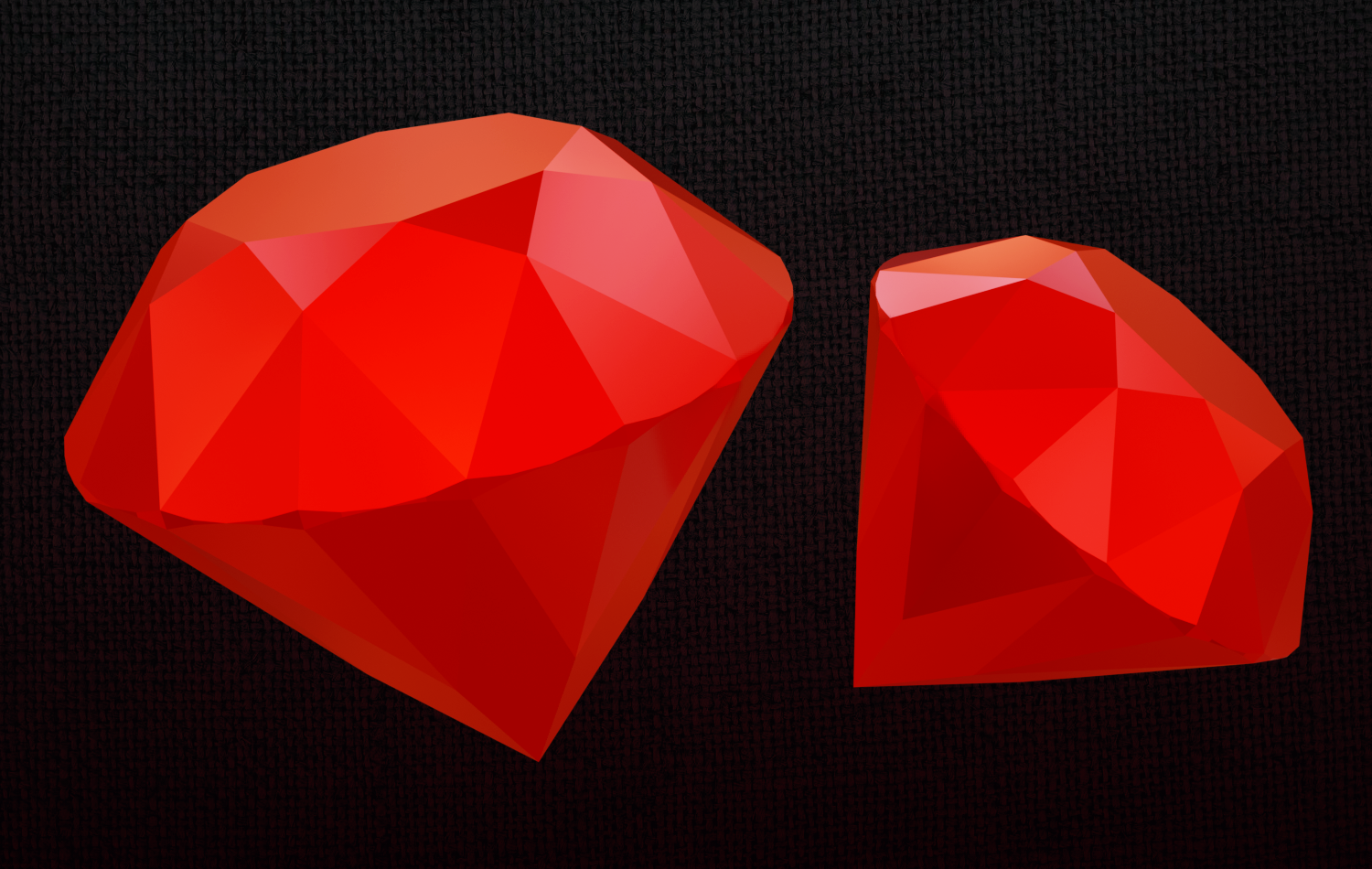
Ruby, with its captivating allure and fiery red hue, has enthralled civilizations throughout history. This precious gemstone, belonging to the corundum family, has long been revered for its beauty, rarity, metaphysical properties, and rich mythological associations.
Properties of Ruby:
Ruby's most distinctive feature is its vivid red color, which ranges from soft pinkish-red to deep crimson. This remarkable hue is due to the presence of chromium within the crystal lattice. The intensity of red determines the value of a Ruby, with the finest specimens displaying a rich, saturated red that seems to pulsate with life.
In addition to its mesmerizing color, Ruby boasts exceptional hardness, ranking 9 on the Mohs scale. Only second to Diamond in terms of hardness, Ruby is renowned for its durability, making it ideal for use in jewelry that can withstand the tests of time. This robustness ensures that Ruby can be enjoyed and cherished for generations to come.
Clarity-wise, Rubies often exhibit inclusions, internal imperfections that lend character to the gemstone. These inclusions can take various forms, such as delicate silk or rutile needles, creating unique visual effects and adding to the gem's allure. While Rubies with fewer inclusions are highly valued, certain types of inclusions, like the presence of silk, can enhance the gem's beauty, creating a phenomenon known as "silk."
The cut of a Ruby is crucial to maximizing its brilliance and overall beauty. Skilled gem cutters employ various techniques to enhance the gem's natural attributes and bring out its radiance. Rubies can be cut into various shapes, including oval, round, cushion, pear, and more. Each cut has its own charm, accentuating different aspects of the gemstone's beauty.
The size of a Ruby can vary greatly, with larger specimens being particularly rare and highly sought-after. As with most gemstones, larger Rubies command a premium due to their scarcity and exceptional visual impact. However, regardless of size, Rubies possess a unique allure that captivates the beholder.
Origin plays a significant role in determining the characteristics of a Ruby. Some notable sources of high-quality Rubies include Myanmar (Burma), Sri Lanka, Thailand, and Mozambique. Each source contributes to the gem's diverse color palette and unique characteristics. For example, Burmese Rubies are renowned for their "pigeon blood red" color, considered the most desirable hue for this gemstone.
Healing Properties of Ruby:
Beyond its aesthetic appeal, Ruby possesses a myriad of metaphysical and healing properties that have captivated the imagination of countless individuals. Here are some of the prominent healing properties associated with Ruby:
1. Energy and Vitality: Ruby is believed to amplify energy levels and invigorate the wearer. By stimulating the base chakra, it enhances grounding and stability, promoting a sense of strength and vitality. This vibrant Gemstone encourages individuals to embrace life with enthusiasm, inspiring them to take action and pursue their goals with renewed vigor.
2. Passion and Love: The passionate red hue of Ruby has long symbolized love, desire, and sensuality. It is thought to activate the heart chakra, fostering love, compassion, and emotional balance. Ruby is believed to deepen the connection between partners and strengthen the bonds of love. It encourages open-heartedness, generosity, and tenderness, allowing individuals to express their emotions with authenticity and passion.
3. Courage and Motivation: Ruby is considered a stone of courage and motivation. It is believed to instill self-confidence, boost self-esteem, and ignite the fire of ambition. By dispelling fear and doubt, Ruby empowers individuals to pursue their dreams with conviction. It acts as a catalyst for personal growth, encouraging individuals to step outside their comfort zones and embrace new opportunities with courage and determination.
4. Protection: Ruby is revered for its protective properties, guarding against negative energies, psychic attacks, and emotional vampires. It acts as a shield, creating a safe space for the wearer and deflecting negativity. Ruby's protective energy helps individuals maintain their energetic boundaries, fostering a sense of inner strength and resilience. This Gemstone is often regarded as a talisman for overall well-being and spiritual protection.
5. Blood Circulation: In traditional healing practices, Ruby is associated with improving blood circulation and promoting cardiovascular health. It is believed to stimulate the flow of life force energy, revitalizing the body and enhancing overall vitality. Ruby is said to invigorate the circulatory system, supporting the proper functioning of the heart and promoting overall well-being.
Myths and Legends Surrounding Ruby
Throughout history, Rubies have been surrounded by myths, legends, and folklore that have added to their mystique and allure. Here are some of the prominent myths associated with this magnificent gemstone:
1. The Stone of Kings: In many ancient cultures, Rubies were associated with royalty and considered the "stone of kings." The gem was believed to bestow power, authority, and divine blessings upon its wearers. It was also seen as a symbol of wealth and prosperity.
2. Burmese Legend of the Naga Stone: According to Burmese folklore, Rubies were believed to be the tears of the Naga, a mythical serpent-like creature. The Naga Stone was said to possess protective powers and bring good fortune to its owner. It was often worn by warriors for protection in battle.
3. The Inner Flame: Ruby's vibrant red color has long been associated with an inner flame or eternal fire. Ancient cultures believed that the gem's brilliance and fiery hue were a reflection of the passionate, vital energy within the stone.
4. Symbol of Love and Devotion: Rubies have been cherished as symbols of love and devotion for centuries. In Hindu mythology, they are associated with the sun god Surya and are believed to bring harmony and marital bliss. They are often given as gifts to celebrate milestones and express deep affection.
5. Protective Talisman: Rubies were considered powerful protective talismans against evil forces and negativity. In ancient times, warriors wore Rubies into battle for courage and protection. It was believed that the gem would warn its owner of imminent danger by darkening in color.
Price Factors for Ruby:
Several factors influence the price of Rubies, making them highly valued and sought-after in the gem market. Here are some of the key price factors for Ruby:
1. Color: The color of a Ruby is a crucial determinant of its value. The most desirable Rubies exhibit a rich, vibrant red. Stones with this intense color command the highest prices. Clarity and transparency also influence the value, with fewer inclusions and a higher degree of transparency being more desirable.
2. Size: The size of a Ruby significantly impacts its price. Larger Rubies are rarer and command higher prices per carat than smaller stones. Fine-quality Rubies over one carat in size can be exceptionally valuable.
3. Origin: The origin of a Ruby can greatly affect its value. Burmese Rubies, especially those from the Mogok region, are highly prized for their intense red color and exceptional quality. Rubies from other sources, such as Sri Lanka, Thailand, and Mozambique, can also be valuable but may have slightly different characteristics.
4. Cut and Shape:
The cut and shape of a Ruby play a role in its overall beauty and price. Well-cut Rubies that maximize brilliance and exhibit excellent proportions are more valuable. Different shapes, such as oval, round, cushion, and pear, have their own appeal, and personal preferences can influence price variations.
5. Treatment and Enhancement:
Rubies are often treated to improve their color and clarity. Heat treatment is the most common method used to enhance the gem's color and reduce visible inclusions. Untreated and natural Rubies, especially those of exceptional quality, command higher prices.
Ruby, with its mesmerizing beauty, rich history, and powerful metaphysical properties, continues to captivate and inspire. From its exceptional properties to its healing attributes and the myths and legends woven around it, Ruby has held a prominent place in human culture for centuries. Its vibrant red color symbolizes passion, love, and vitality, while its protective and energizing qualities make it a cherished gemstone. As you delve into the world of Rubies, remember to appreciate its remarkable properties, embrace its healing potential, and honor the enduring myths and legends that have made it an enduring symbol of beauty and power.
How to Wear a Ruby Gemstone: Clothing, Shoes, Occasions, and Style
Tips for Women
Ruby, with its fiery red allure and timeless beauty, is a Gemstone that adds a touch of glamour and sophistication to any outfit. Whether you're attending a formal event, a casual gathering, or simply want to elevate your everyday style, incorporating a Ruby Gemstone into your wardrobe can make a powerful fashion statement.
Clothing:
1. Evening Gowns and Formal Attire:
When it comes to evening gowns and formal attire, Rubies can enhance your ensemble with their vibrant red hue and elegant appeal. Consider pairing a floor-length black gown with Ruby earrings, a statement necklace, and a matching Ruby ring. The combination of the classic black dress and the striking red Gemstones creates a timeless and sophisticated look.
2. Cocktail Dresses:
For cocktail dresses, Ruby accessories can add a pop of color and glamour. Choose a knee-length cocktail dress in a neutral color such as navy, gray, or beige, and pair it with delicate Ruby stud earrings or a Ruby pendant necklace. Opt for nude or black heels to keep the focus on the Gemstone and the dress.
3. Casual Outfits:
Even in casual settings, Rubies can elevate your style and make a bold statement. Consider wearing a simple white blouse or a chambray shirt paired with dark denim jeans. Add a touch of elegance with a Ruby bracelet or stackable Ruby rings. This combination strikes a balance between casual and chic, making it suitable for various daytime occasions.
4. Business Attire:
Incorporating Rubies into your business attire can exude confidence and sophistication. Opt for a tailored suit in a neutral color such as black, gray, or navy. Pair it with Ruby stud earrings and a delicate Ruby pendant necklace. The touch of red adds a hint of vibrancy and personal style to your professional ensemble.
Shoes:
1. Classic Pumps:
When wearing Rubies, classic pumps in neutral shades like black, nude, or red can complement the Gemstone beautifully. Pair your Ruby jewelry with black pumps to create a sleek and sophisticated look. Alternatively, if you want to make a bolder statement, opt for red pumps to match the color of the gemstone.
2. Strappy Sandals:
For more summery and casual occasions, strappy sandals can be a great choice. Pair your Ruby jewelry with metallic or nude-tone strappy sandals to create a harmonious and stylish look. The simplicity of the sandals allows the Gemstone to take center stage.
3. Ankle Boots:
For a trendy and edgy look, consider pairing your Ruby jewelry with ankle boots. Opt for black or brown leather boots with a slight heel. This combination adds a touch of sophistication and modernity to your outfit, making it suitable for both casual and semi-formal occasions.
Occasions:
1. Formal Events:
Ruby Gemstones are particularly well-suited for formal events such as galas, Red Carpet events, or black-tie affairs. A statement Ruby necklace paired with an elegant gown can create a show-stopping look that exudes confidence and glamour.
2. Weddings and Special Celebrations:
Rubies are often associated with love and passion, making them a perfect choice for weddings and special celebrations. A Ruby pendant necklace or a delicate Ruby bracelet can add a touch of romance and elegance to your ensemble, whether you're a guest or the bride herself.
3. Cocktail Parties:
For cocktail parties, Rubies can add a dash of glamour and sophistication to your look. Choose Ruby earrings or a cocktail ring to complement your cocktail dress or chic separates. The vibrant red hue of the Gemstone will catch the light and make a stylish statement.
4. Everyday Wear:
Rubies can also be incorporated into your everyday outfits to add a touch of luxury and personal style. Whether it's a simple Ruby pendant necklace worn with a blouse and jeans or a stack of Ruby rings paired with a casual dress, incorporating Rubies into your everyday style can elevate your look and make you feel empowered.
Style Tips:
1. Less is More:
When it comes to wearing Rubies, it's important to keep in mind that less is often more. Allow the Gemstone to be the focal point of your look by choosing one or two statement pieces rather than overwhelming your outfit with excessive Ruby jewelry.
2. Complementing Colors:
Consider the color palette of your outfit when choosing Ruby gemstones. Rubies pair beautifully with neutral colors such as black, white, beige, and gray. They also create a striking contrast when paired with jewel tones such as emerald green or Sapphire blue.
3. Balance and Proportion:
Pay attention to the balance and proportion of your accessories. If you're wearing a statement Ruby necklace, opt for smaller Ruby earrings, or vice versa. This ensures that your jewelry doesn't compete for attention but instead complements each other harmoniously.
4. Occasion-appropriate:
Consider the occasion and dress code when incorporating Rubies into your ensemble. While Rubies can add a touch of elegance to casual outfits, for more formal occasions, opt for more sophisticated and elaborate Ruby jewelry pieces that match the level of formality.
Incorporating Rubies into your wardrobe allows you to infuse your style with a touch of passion, glamour, and timeless beauty. Whether you're attending a formal event, a casual gathering, or simply want to elevate your everyday look, Rubies can make a powerful statement. By carefully selecting the right clothing, shoes, and accessories, you can create a harmonious and stylish ensemble that showcases the beauty and elegance of Ruby gemstones. So go ahead, embrace the allure of Rubies, and let these captivating Gemstones enhance your personal style and make a lasting impression.
Ruby Gemstone: Origins, Mining, Processing, Global Trade, and Prominent Outlets
Origins and Mining Locations:
Ruby is a variety of the mineral corundum, distinguished by its red color. The Mogok Valley in Myanmar has been a significant source of high-quality rubies for centuries. These rubies are celebrated for their intense color and exceptional clarity.
In addition to Myanmar, other notable Ruby mining locations include:
1. Thailand: Thailand is renowned for its Ruby mines, particularly those in the Chanthaburi and Trat provinces. Thai rubies are esteemed for their rich red color, often displaying a hint of purple.
2. Madagascar: The island nation of Madagascar has emerged as a prominent Ruby producer in recent years. Madagascar rubies are admired for their varying shades of red and are highly regarded in the Gemstone market.
3. Sri Lanka: Known for its Gemstone mining heritage, Sri Lanka has a long history of producing beautiful rubies. Sri Lankan rubies exhibit a range of colors, including vivid reds, pinkish-reds, and purplish-reds.
4. Tanzania: The Ruby deposits in Tanzania, particularly in the regions of Longido and Winza, have gained attention for their unique coloration. Tanzanian rubies often showcase a mesmerizing red with a tinge of orange.
Processing and Refinement:
The extraction and refinement of Ruby Gemstones involve several stages. After mining, the rubies are sorted based on their quality and characteristics. The rough stones are then carefully examined, and any impurities or unwanted inclusions are removed through a meticulous process called "lapidary work."
Next, the lapidaries shape the rough stones into desired forms, such as faceted gems, cabochons, or beads. The skilled artisans skillfully cut and polished the stones to reveal their innate beauty and maximize their brilliance. The cut stones are then scrutinized for color, clarity, and overall appeal.
Well-known Gemstones: Ruby and Points of Sale
The world of Gemstone trading boasts several renowned rubies, each with its own unique story and exceptional attributes. Here are a few well-known Ruby Gemstones that have captivated the world:
1. Sunrise Ruby: Known for its remarkable color saturation and exceptional clarity, the Sunrise Ruby is a 25.59-carat stone that fetched a record-breaking price at an auction. It is considered one of the most significant rubies ever offered for sale.
2. Rosser Reeves Star Ruby: This stunning cabochon-cut Ruby weighs 138.7 carats and is famous for its remarkable six-rayed star effect known as asterism. The Rosser Reeves Star Ruby is currently housed at the Smithsonian Institution.
3. De Long Star Ruby: Weighing an impressive 100.32 carats, the De Long Star Ruby showcases a captivating star effect and boasts a rich red hue. It is a treasured gem on display at the American Museum of Natural History.
Prominent Stores for Ruby Gemstones:
When it comes to acquiring Ruby gemstones, numerous esteemed jewelry stores and retailers worldwide offer a selection of these alluring gems. Some of the prominent stores known for their exceptional Ruby collections include:
1. Tiffany & Co.: Renowned for its exquisite jewelry, Tiffany & Co. features an impressive range of Ruby pieces, including rings, necklaces, and bracelets. With a reputation for quality and craftsmanship, their rubies are often highly sought-after.
2. Harry Winston: Esteemed for its opulent Gemstone creations, Harry Winston showcases an array of breathtaking Ruby jewelry. The brand's commitment to exceptional design and the use of top-quality gems make it a sought-after destination for Ruby enthusiasts.
3. Graff Diamonds: Known for its exceptional Gemstone expertise, Graff Diamonds offers an exquisite selection of Ruby jewelry. Their creations often feature large, high-quality rubies, accentuated by meticulously crafted settings.
4. Cartier: A name synonymous with luxury, Cartier presents an enchanting assortment of Ruby jewelry. From iconic designs to contemporary creations, Cartier offers a range of options for those seeking timeless elegance.
Ruby, the Gemstone of passion and vitality, continues to captivate with its vibrant color and undeniable allure. From the mines of Myanmar and Madagascar to the lapidaries' meticulous craftsmanship, the journey of a Ruby from its rough form to a polished gem is a testament to the dedication and artistry involved in the Gemstone industry. With renowned Gemstones and prestigious stores around the globe, Ruby enthusiasts have ample opportunities to acquire these precious gems and adorn themselves with their captivating beauty. Whether treasured for their symbolism or valued as investments, rubies will remain an enduring symbol of elegance and luxury for generations to come.
A Comparative Exploration of Ruby, Diamond, and Sapphire Gemstones: Unveiling Their Similarities and Unique Attributes
Gemstones have fascinated humanity for centuries, captivating us with their radiant colors, exceptional brilliance, and inherent beauty. Among the most renowned gemstones, rubies, diamonds, and sapphires stand out for their timeless appeal and exceptional qualities.
Similarities:
1. Composition: Ruby, Diamond, and Sapphire are all Gemstones formed from different minerals. Ruby and Sapphire belong to the corundum family, with Ruby deriving its characteristic red color from trace amounts of chromium. Diamond, on the other hand, is composed of pure carbon atoms arranged in a crystal lattice structure.
2. Durability: All three Gemstones possess exceptional hardness and durability. Diamonds, ranking 10 on the Mohs scale of hardness, are the hardest natural substance known to man. Rubies and Sapphires are close behind, ranking 9 on the Mohs scale, making them highly resistant to scratches and ideal for everyday wear.
3. Brilliance: Ruby, Diamond, and Sapphire are renowned for their brilliance and ability to reflect light. Their high refractive index and excellent light dispersion result in captivating sparkle and fire.
4. Rarity: While the availability of gem-quality stones varies, all three Gemstones are considered rare and precious. Their scarcity contributes to their desirability and value in the Gemstone market.
Unique Attributes:
Ruby:
1. Color: Ruby is famous for its intense red color, ranging from deep red to purplish-red hues.
2. Symbolism: Ruby has been associated with passion, love, and vitality throughout history. It is considered the birthstone for July and holds great significance in various cultures, symbolizing power, protection, and prosperity.
3. Origins: Ruby is primarily sourced from Myanmar (Burma), although other countries like Thailand, Madagascar, Sri Lanka, and Tanzania also yield notable rubies. The origin of a Ruby can impact its value and desirability.
Diamond:
1. Brilliance: Diamonds are renowned for their exceptional brilliance and sparkle. Their ability to reflect and refract light results in the mesmerizing play of colors known as "Diamond fire."
2. Colorless and Fancy Colors: While Diamonds are often associated with colorless stones, they can occur in a wide range of colors, including yellow, blue, pink, and green. These fancy-colored Diamonds are exceptionally rare and highly sought-after.
3. Symbolism: Diamonds have come to symbolize eternal love and commitment, making them the preferred choice for engagement rings. The durability and purity of Diamonds have made them a timeless symbol of endurance and strength.
4. Origins: Diamonds are found in various countries worldwide, with notable sources including South Africa, Russia, Australia, Botswana, and Canada. Each region produces Diamonds with distinct characteristics and qualities.
Sapphire:
1. Color Variety: While Sapphires are commonly associated with deep blue hues, they can occur in a spectrum of colors, including pink, yellow, green, and purple. These colored Sapphires, known as fancy Sapphires, offer a diverse range of options for jewelry enthusiasts.
2. Clarity and Transparency: Sapphires are valued for their high clarity with minimal inclusions or impurities. They also possess excellent transparency, allowing light to pass through the Gemstone with exceptional brilliance.
3. Symbolism: Sapphires have long been associated with wisdom, royalty, and faithfulness. They are often seen as symbols of purity, loyalty, and protection, making them popular choices for engagement rings and royal jewelry.
4. Origins: Sapphires are mined in several countries, including Sri Lanka, Myanmar, Madagascar, Australia, and Thailand. Each region offers unique Sapphires with varying color saturations and qualities.
Ruby, Diamond, and Sapphire share commonalities in terms of durability, brilliance, and rarity, making them highly prized gemstones. However, their unique attributes set them apart, captivating the world with their individual splendor. Ruby enchants with its vibrant red hue and symbolism of passion, while Diamond dazzles with its unmatched brilliance and enduring symbolism of love. Sapphire enthralls with its color variety and association with wisdom and loyalty. These gemstones, with their shared and distinctive characteristics, continue to captivate jewelry enthusiasts, offering a world of beauty, symbolism, and elegance that endures through generations.
Chapter 1
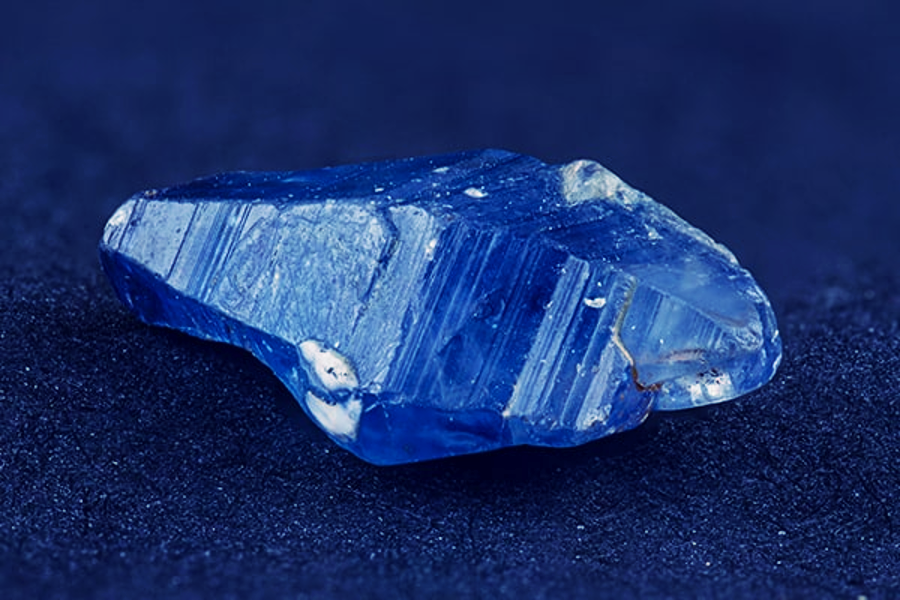
Sapphires are one of the most popular precious gemstones in the world. Their stunning blue color and unique properties have made them a favorite among jewelry lovers and collectors alike.
Properties of Sapphire
Sapphire is a mineral called corundum, and it is made up of aluminum oxide with traces of iron, titanium, or chromium. It is one of the hardest natural substances, scoring 9 out of 10 on the Mohs scale of mineral hardness, which makes it incredibly durable and scratch-resistant.
Sapphires come in a range of colors, including blue, pink, yellow, green, and even colorless. However, blue is the most popular and sought-after color. The blue color comes from the presence of iron and titanium in the crystal structure, while pink sapphires are colored by chromium or manganese.
Hardness of Sapphire
Sapphire is a tough and durable gemstone that ranks a 9 on the Mohs scale of mineral hardness. This makes it highly resistant to scratches and damage, which makes it an ideal gemstone for jewelry that is going through daily wear and tear.
Healing Properties of Sapphire
Sapphire is believed to have many healing properties, both physical and emotional. Here are some of these properties:
1. It is a calming stone that promotes mental clarity and reduces stress and anxiety levels.
2. It is used in crystal healing for the throat chakra, as it is believed to aid communication and self-expression.
3. It is said to reduce inflammation in the body and improve overall physical well-being, especially for those suffering from chronic diseases like arthritis.
Myths Surrounding Sapphire
Like many gemstones, sapphires have their fair share of myths and legends. Here are some common beliefs about sapphires:
Ancient Persians believed that the world was set upon a giant sapphire, which gave the sky its blue color.
Buddhists believed that sapphires offered protection from harm and evil spirits.
In Medieval times, sapphire was thought to protect the wearer against witchcraft and sorcery.
Price Range of Sapphire
The price of sapphires varies massively based on various factors such as size, quality, color intensity, transparency, and geographic origin. For instance, the most expensive sapphire is the Kashmir Sapphire, which is renowned for its incredible velvety blue hue and comes with a sky-high price tag of $50k–$125k per carat. At the other end of the scale, you can pick up a commercial-grade sapphire for as little as $25.
Now that you have learned more about sapphires, their properties, healing properties, myths, and pricing, you can better understand why they are so highly sought after. These mesmerizing gemstones are not only a symbol of wealth and luxury but also carry many emotional and physical benefits. Whether used in fine jewelry or for crystal healing purposes, sapphires are a timeless gemstone that will remain a classic choice for generations to come.
Chapter 2
How to wear a gemstone sapphire
For women
Are you in love with sapphire but unsure how to properly wear this beautiful gemstone? Look no further! Here are some tips and tricks to help you rock your sapphire jewelry with confidence.
Sapphire, a symbol of wisdom and truth, is a stunning and precious stone that has been used in jewelry for centuries. Its elegant blue color and durability make it a popular choice for engagement rings and other fine jewelry.
Choose Your Style
The first step in wearing sapphire is deciding on the style that suits your personality and occasion. Here are some options:
A solitaire sapphire ring or pendant on a chain is a classic and timeless option that can be worn every day or on special occasions.
If you want to make a statement, opt for a sapphire necklace or earrings with diamonds or other gemstones.
Vintage sapphire jewelry is a distinct style that is great for those with a love for the past and old Hollywood glamour.
Color and Cut
Once you have picked your style, the next step is choosing the right color and cut of sapphire. Sapphires can come in a variety of hues, including blue, pink, yellow, and green. However, blue sapphires are the most popular and traditional choice.
The cut of the sapphire is also important in ensuring its beauty. The most common cuts are round, oval, cushion, and emerald. Each cut has its own unique appearance, so choose the one that speaks to you.
Pairing with Outfits
Now that you have chosen your sapphire, it's time to pair it with your outfit. Here are some suggestions:
A simple sapphire necklace or stud earrings can add elegance to a casual outfit without being too flashy.
A statement piece like a sapphire and diamond bracelet or earrings can bring glamour to a formal gown or outfit.
A solitaire ring or pendant can be worn every day and will match any outfit.
Care and Maintenance
Caring for your sapphire jewelry is crucial in maintaining its beauty and durability. Here are some tips:
Avoid harsh chemicals and extreme temperatures that can damage the stone.
Regularly clean your sapphire jewelry with warm water and gentle soap.
Store your jewelry separately from other pieces to prevent scratches and damage.
In summary, sapphire jewelry is a beautiful and versatile choice for any occasion. By choosing the right style, color and cut, pairing it with your outfit, and properly caring for it, you can confidently wear sapphire and make a statement with its timeless elegance.
Chapter 3
Where Sapphire is Mined, Mines and Their Processing
Sapphires are one of the world’s most precious stones and are used in jewelry and industrial applications. They are found in many parts of the world, but only a few countries have significant deposits. In this article, we will discuss where sapphires are mined, the notable mines, and the processing techniques used to extract these gems.
Where are Sapphires Mined?
Sapphires are found in countries such as Sri Lanka, Myanmar, Madagascar, Australia, Thailand, and India. However, two countries dominate in sapphire production: Madagascar and Sri Lanka.
Madagascar
Madagascar is known for producing some of the best sapphires in the world. The deposits are located in the southern part of the country. The most notable mines are Ilakaka, Ambondromifehy, and Vatomandry. The mining process is mostly done by hand, and simple tools such as picks and shovels are used to extract the sapphires.
Sri Lanka
Sri Lanka has been a significant source of sapphire for centuries. Sapphires from this country are known for their unique clarity and high-quality color. The most notable mines are Ratnapura, Elahera, and Metiyagoda. The mining process is done using both hand and machine techniques.
Mining Techniques
Mining sapphires involves either placer mining or hard rock mining techniques.
Placer mining
Placer mining is the process of extracting sapphires from gravel or sand that is often found near rivers, beaches, and other water sources. This method is used in countries such as Sri Lanka and Madagascar. Miners use simple tools such as sieves and pans to extract the sapphires.
Hard rock mining
Hard rock mining involves the extraction of sapphires from deeper deposits that require more invasive mining techniques. This method is often used in Australia and requires drilling, blasting, and removing large amounts of rock to access the sapphires.
Processing Sapphires
After the sapphires are extracted, they are transported to processing centers, where they are sorted and classified based on their size, quality, and color.
Sorting
Sorting is the process of classifying sapphires based on their physical characteristics, such as size, shape, and color. This is often done using conveyor belts that move the sapphires through different screens.
Cutting and Polishing
After sorting, the sapphires are then cut and polished into the desired shape and size. This is done using diamond-tipped tools that slowly grind away the outer layers of the sapphire until the desired shape is achieved.
Heat Treatment
Finally, some sapphires undergo heat treatment to enhance their color and clarity. This is done using a high-temperature furnace where the sapphires are heated to 1600 °C for several hours. This process can change the color of the sapphire from pale to vivid, and increase its clarity.
In conclusion, sapphires are one of the world’s most prized gemstones and are found in many parts of the world. Madagascar and Sri Lanka are the significant sources of sapphires, and they can be mined using different techniques such as placer and hard rock mining. Processing sapphires involves sorting, cutting, and polishing, and in some cases, heat treatment. These techniques ensure that the sapphires are of high quality and can be used in both jewelry and industrial applications.
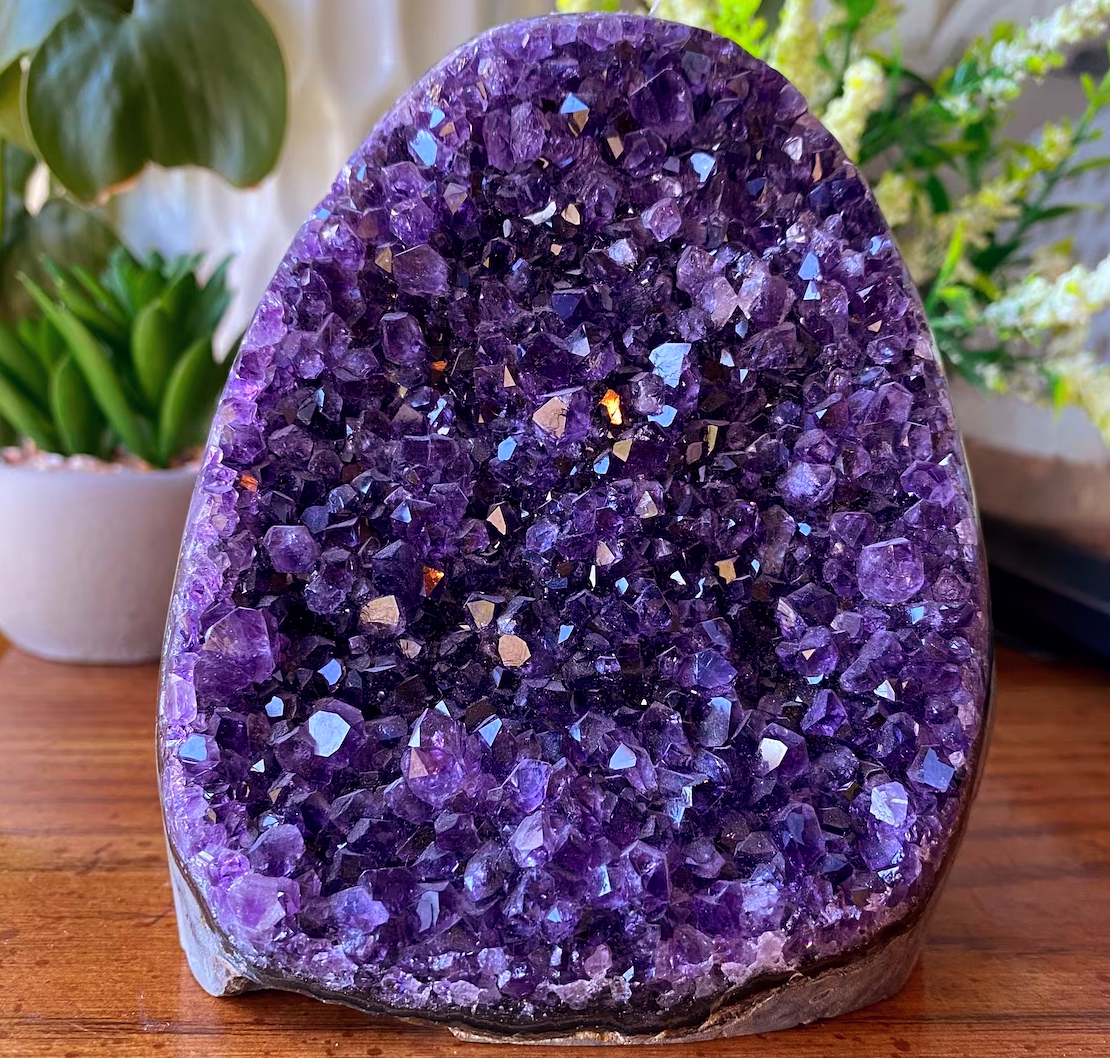
Chapter 1
Amethyst is a popular gemstone known for its beautiful purple hue and rich history. It has been used as a gemstone for thousands of years and is revered for its unique properties, healing abilities and fascinating myths.
Properties
Amethyst belongs to the quartz family and is composed of silicon dioxide. It is a crystalline gemstone that occurs in various shades of purple, from light lavender to deep violet. The hue is determined by the presence of iron and other trace elements during the formation process. Its crystal structure often contains natural inclusions that can add to its beauty and uniqueness.
Hardness
Amethyst has a hardness of 7 on the Mohs scale, making it quite durable. While it is not as hard as diamonds, it is still very strong and scratch resistant. This resistance makes it a good choice for jewelry that must withstand heavy wear.
Healing properties
Amethyst is said to have various healing properties. Some believe it promotes calmness and relaxation, and can help with insomnia and stress relief. Others believe it can promote spiritual growth and improve intuition.
Some healing properties attributed to amethyst are:
1. Promoting intuition and spiritual awareness
2. Calming the mind and reducing stress
3. Promotes restful sleep
4. Help in overcoming addictions
5. Protection from negative energies
Myths
There is an interesting mythology surrounding amethyst. Many of these myths and legends originated with the ancient Greeks, who believed that amethyst was created from the tears of Dionysus, the god of wine and debauchery. According to myth, Dionysus was so enraged by an insult that he vowed to kill the first person he met. Unfortunately, the first person he met was a beautiful maiden named Amethyst, who was on her way to pay homage to the goddess Diana. To spare her life, Diana turned Amethyst into a statue made of quartz. Plagued by remorse, Dionysus doused the stone with wine in honor of Amethyst, creating the gemstone we know today.
Another myth states that amethyst can prevent drunkenness and promote sobriety. In ancient times, it was believed that drinking from an amethyst cup or wearing an amethyst stone could prevent drunkenness. This belief persisted for centuries, and amethyst was often used in rituals related to wine.
Price
The price of amethysts can vary depending on the size, cut, and quality of the stone. In general, the larger and more intensely colored the stone, the more expensive it is. Smaller stones can be quite affordable, while larger stones can be quite valuable. The price of amethysts is also affected by demand, with rare or unusual pieces commanding a higher price.
Chapter 2
How to wear an amethyst
For women
Amethyst is a gemstone that holds a special place in the hearts of gemstone lovers. The deep purple hues combined with its mesmerizing beauty have made it a popular gemstone for women for centuries. However, knowing how to properly wear and style this gemstone can be a challenge.
Choose the right jewelry
Amethyst can be worn in a variety of jewelry, including earrings, necklaces, bracelets and rings. To get the most out of your amethyst jewelry, it is important to choose the right type of jewelry. It is always good to remember that the jewelry should match the outfit you are wearing. Here are some general guidelines for choosing amethyst jewelry:
Earrings
Amethyst earrings come in a variety of designs, sizes and styles, from stud earrings to dangling earrings. When choosing amethyst earrings, consider your facial features, hair color and skin tone. For example, if you have a small, round face, you should not wear large earrings as they may smother your features. Remember that smaller amethyst earrings will fit any face shape.
Necklaces
Amethyst necklaces come in different lengths. Shorter necklaces are perfect for accentuating a plunging neckline, while longer necklaces add drama to an outfit. It is always best not to match the color of the necklace with the outfit, otherwise it might look too overbearing.
Bracelets
Amethyst bracelets are usually more subtle than necklaces or earrings, but they can still make a statement. For a bohemian look, it's best to wear them stacked with other bracelets.
Rings
Amethyst rings are versatile and perfect for everyday wear. If you are looking for an eye-catching ring, opt for a chunkier design. If you are looking for something more modern, opt for a dainty amethyst ring.
Consider the color scheme
One of the reasons amethysts are so popular is that they come in a variety of hues, from pale purple to deep purple. When choosing an amethyst jewelry piece, keep in mind the color scheme of your outfit. If you opt for a monochromatic outfit, an amethyst in a darker shade can add depth to the outfit, while lighter shades go well with bolder or brighter colors.
Highlight the gemstone
Amethyst is an elegant and unique gemstone that deserves to be showcased properly. Here are some ways you can make sure your amethyst piece stands out:
Pair amethyst with neutral colors: Neutral colors like white, gray and black go perfectly with amethysts. When you combine an amethyst piece with these colors, the beauty of the gemstone is highlighted.
Combine your jewelry with multiple layers: When you combine amethyst jewelry with other gemstones or metals, it will stand out even more. Thin gold chains or dainty diamond hoops are the perfect complements to amethyst jewelry.
Wear it with confidence: The key to wearing a gemstone properly is to wear it with confidence. One of the best features of amethyst jewelry is its timeless beauty. It will never go out of style, so embrace its elegance and simplicity.
Wearing amethyst jewelry is a perfect way to add a touch of color and elegance to any outfit. By following these general guidelines for choosing, combining, and styling your amethyst jewelry, you can ensure that you end up with a stunning look. Remember, always wear it confidently and you will stand out wherever you go.

The Emerald is one of the world’s most precious gemstones and is instantly recognizable by its beautiful deep green hue. The name ‘Emerald’ stems from the Greek word meaning ‘green gem’. It is also known as the stone of ongoing love and success. First records about the use of Emeralds dates back further than 5000 years, where the stone was hailed for its spiritual properties. The gem was used as a defense against spells and the dark arts throughout early periods. Warding away evil spirits was a key reason many people wore Emeralds, but the stone was also regarded for its beauty, so much so that many kings, queens, and leaders used the gem when adorning themselves in jewelry.
In fact, Queen Cleopatra of Egypt is known to have been a great admirer of the stone. Egyptian Emerald mines discovered within the past century have uncovered much about how the area near the Red Sea was once a hotbed of precious Emeralds, which signified eternal youth, prosperity, and had alleged healing properties. Other civilizations, such as the Incas and Babylonians, are also believed to have held the stone in, particularly high regard. The emerald is also considered the fourth foundation of the New Jerusalem.
Emerald crystals have been used throughout history for their alleged healing properties. The gem is said to emit a green ray of energy and stimulate the heart chakra, bringing both emotional and physical benefits and assisting with mental health. The stone promotes truth, balance, and harmony, leading to greater positivity and clearer thought processes. It is this reason why many use Emerald to improve their life prospects or to help maintain stability and clarity of vision when undergoing stress and turbulent times.
The stone is renowned for its alleged ability to treat a variety of health conditions, especially concerning the heart and lungs. The gem can assist with detoxification and the treatment of infections. Those with allergies may find Emerald beneficial, especially people who often suffer from headaches and sinusitis. An Emerald eye bath is said to restore eyesight and treat poor vision. People with nervous conditions may benefit from Emerald’s soothing energy rays. The healing properties of the stone are also useful for many other conditions, such as (but not limited to): irritable bowel syndrome, eczema, stomach ulcers, and asthma.
Archives

Ads
SubMeet


Ads

Rose

