
Unraveling the Mystery of Satoshi Nakamoto: The Origins of Bitcoin, Its Rise, and Future Growth Explained from Ivan's blog
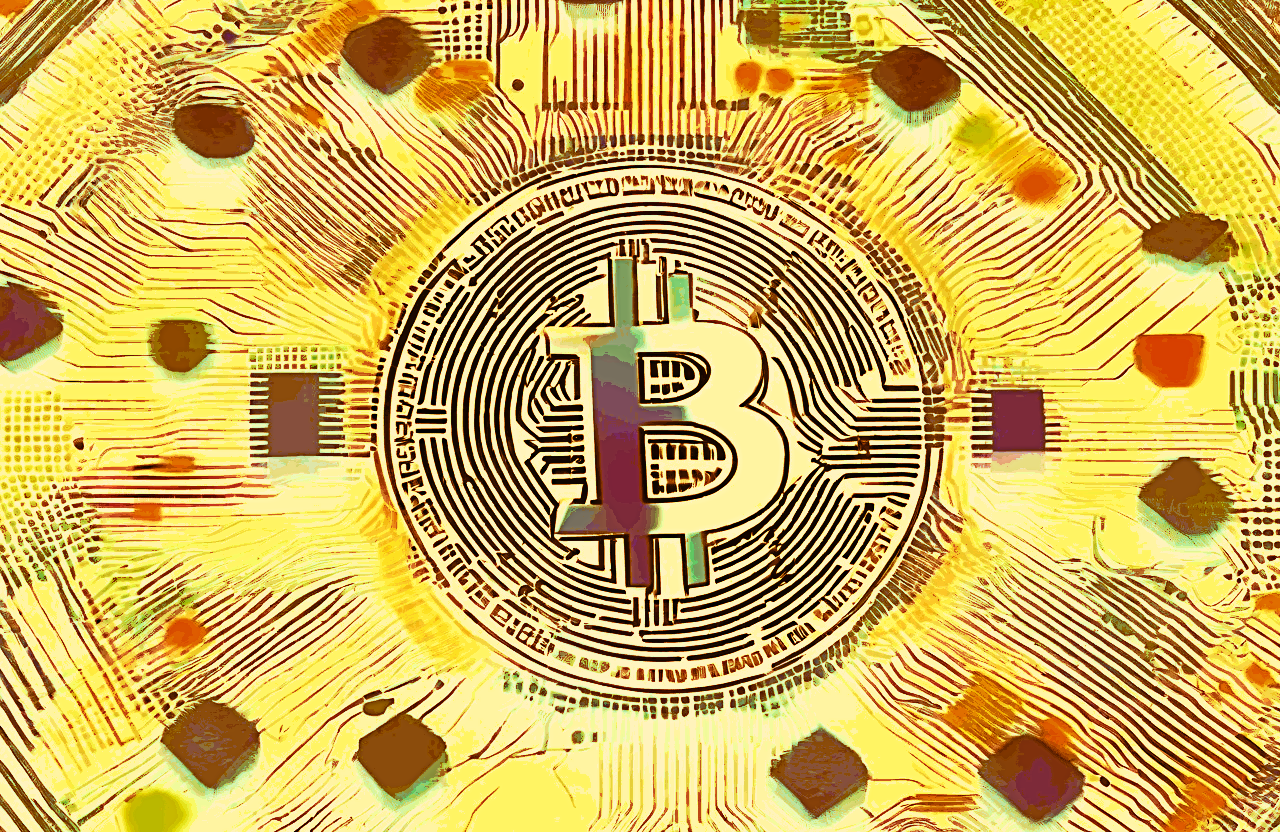
The concept of time travel has long fascinated humanity, but when we think about it in relation to modern innovations, few topics seem as futuristic as the invention of Bitcoin. The mystery surrounding Satoshi Nakamoto, the enigmatic figure or group behind Bitcoin, only adds to the intrigue. Who is Satoshi Nakamoto? Could this person or collective have revolutionized the financial world, seemingly ahead of time? In this article, we'll explore Nakamoto's possible identity, the birth of Bitcoin, the early contributors, and explain Bitcoin's structure and the programming language that powers it.
Who is Satoshi Nakamoto: Person or Group?
Satoshi Nakamoto is a pseudonym used by the person or group who created Bitcoin. Despite years of speculation, the true identity behind this name remains unknown. Nakamoto introduced Bitcoin to the world in 2008 through a whitepaper titled “Bitcoin: A Peer-to-Peer Electronic Cash System.” However, this alias sparked numerous debates: is Nakamoto a lone genius, a team of developers, or even a government organization?
Possible Candidates for Satoshi Nakamoto
Several individuals have been suggested as possible candidates for Satoshi Nakamoto:
1. Hal Finney - One of the earliest Bitcoin developers and a prominent cryptographer, Finney was the first person to receive a Bitcoin transaction from Nakamoto. Some believe he could have been Nakamoto himself, though he denied it until his death in 2014.
2. Nick Szabo - A computer scientist and cryptographer, Szabo developed a precursor to Bitcoin called "Bit Gold" and has been speculated to be Nakamoto due to his extensive work on digital currency.
3. Dorian Nakamoto - This California resident was mistakenly identified as Satoshi by a news outlet due to his last name. However, Dorian Nakamoto strongly denied any involvement with Bitcoin.
4. Craig Wright - An Australian computer scientist who has repeatedly claimed to be Satoshi Nakamoto but has yet to provide conclusive evidence to support his claim.
5. The Cypherpunks - Some speculate that Nakamoto could be a collective of members from the Cypherpunk movement, a group dedicated to privacy and cryptographic technology, which included many of the candidates mentioned above.
How Satoshi Nakamoto Generates Wealth Through Bitcoin: Income Mechanisms Explained
Bitcoin Holdings: Nakamoto is estimated to own around 1 million Bitcoins, mined in the early days of the network. As the value of Bitcoin increases over time, the appreciation of these holdings can lead to significant wealth accumulation.
Mining Rewards: In the early days of Bitcoin, Nakamoto mined blocks and received rewards in the form of new Bitcoins. The mining reward was initially 50 BTC per block, halving approximately every four years. Although Nakamoto hasn’t mined Bitcoins since 2010, the initial rewards contributed to their wealth.
Transaction Fees: Bitcoin transactions incur fees that miners collect as part of the block rewards. Although Nakamoto is no longer actively involved in mining, transaction fees continue to provide income for active miners who verify and add transactions to the blockchain.
Speculative Investment: If Nakamoto were to sell a portion of their Bitcoin holdings, they could realize profits based on market demand and price appreciation. The volatility of Bitcoin's price can create opportunities for strategic trading and profit-taking.
Overall, Nakamoto's income from Bitcoin is tied to its value appreciation, mining rewards from the early days, and potential future transactions or sales of its holdings.
The Beginning of Bitcoin: A Decentralized Revolution
Bitcoin’s journey began in 2008, a time when the world was reeling from a financial crisis that highlighted the fragility and centralization of the global banking system. Satoshi Nakamoto released the Bitcoin whitepaper on a cryptography mailing list, laying the groundwork for the first decentralized digital currency.
Bitcoin officially came into existence on January 3, 2009, with the mining of the Genesis Block, also known as Block 0, marking the birth of the blockchain. Embedded within this first block was a message: “The Times 03/Jan/2009 Chancellor on brink of second bailout for banks”, a subtle commentary on the unstable financial world Bitcoin sought to disrupt.
The City Where Bitcoin Was Founded
While Bitcoin is a digital creation without a specific geographical origin, it was first discussed in cryptography forums predominantly visited by users in the U.S. and Europe. However, most notably, London is considered the informal birthplace of Bitcoin, as Satoshi Nakamoto’s IP address and timestamps from early Bitcoin-related activities suggest that he was working on Bitcoin from within the UK.
The People Initially Surrounding Bitcoin
Several key individuals were involved in Bitcoin's early development:
Hal Finney - As one of the first developers to collaborate with Nakamoto, Finney was instrumental in testing and advancing the Bitcoin protocol.
Gavin Andresen - After Nakamoto gradually withdrew from the project in 2010, Andresen became the lead developer for Bitcoin’s software.
Martti Malmi - A Finnish software engineer, Malmi helped Nakamoto run Bitcoin and manage early versions of its software.
Laszlo Hanyecz - Known for making the first real-world Bitcoin transaction (famously buying two pizzas for 10,000 BTC), Hanyecz played a role in contributing code to Bitcoin’s early development.
Bitcoin's Programming Language: C++
Bitcoin’s core software is written primarily in C++, a general-purpose programming language known for its performance and control over system resources. Nakamoto likely chose C++ for its ability to handle complex tasks efficiently, making it well-suited for a decentralized currency that requires security, speed, and precision.
Other languages such as Python and JavaScript are also used in the broader Bitcoin ecosystem, including applications interacting with the blockchain and building wallets.
The Structure of Bitcoin: Simplified
Bitcoin operates on a decentralized network, meaning no single entity controls it. It relies on a technology called blockchain, a public ledger that records all Bitcoin transactions. Here’s a simplified breakdown of how Bitcoin works:
1. Blockchain - This is the foundation of Bitcoin. It is a distributed ledger made up of blocks. Each block contains a list of transactions. Once a block is full, it is cryptographically linked to the previous block, forming a chain.
2. Mining - Bitcoin transactions are verified by miners who solve complex cryptographic puzzles to add a block to the blockchain. In return for their work, miners are rewarded with newly created bitcoins.
3. Decentralization - Unlike traditional currencies, Bitcoin isn’t issued by a central bank. Instead, it is maintained by a network of nodes (computers) distributed around the world, ensuring that no single entity has control over the entire system.
4. Wallets and Keys - Users store Bitcoin in digital wallets, which contain private and public keys. The private key is essential for signing transactions, while the public key is used as an address for receiving bitcoins.
5. Transactions - Bitcoin transactions are peer-to-peer, meaning they are sent directly from one user to another without intermediaries like banks. These transactions are broadcasted to the network, verified by miners, and recorded in the blockchain.
6. Price - Bitcoin's price rises and falls based on factors like demand, market speculation, regulatory news, and macroeconomic trends. High demand, limited supply, and positive news drive prices up, while uncertainty, negative press, or government crackdowns can cause declines. External factors, such as institutional investment, also play a role.
Conclusion: The Legacy of Satoshi Nakamoto
Though Nakamoto’s identity remains a mystery, the impact of Bitcoin is undeniable. From its beginnings in London-based cryptography circles to its current role as the world's leading cryptocurrency, Bitcoin has revolutionized how we think about money, decentralization, and even trust in institutions. Whether Nakamoto was a time-traveling genius, a group of brilliant minds, or simply an inspired individual, their creation has forever changed the financial landscape.
As Bitcoin continues to evolve, the legacy of Satoshi Nakamoto grows. Understanding its technical foundations-C++, blockchain, mining-and its decentralized nature can help us appreciate how this innovative currency functions and why it has captured the imaginations of millions around the globe.
Post
| By | Ivan |
| Added | October 14 '24 |
Tags
Rate
Archives
- All
- October 2026
- August 2026
- April 2026
- March 2026
- October 2025
- September 2025
- July 2025
- June 2025
- May 2025
- April 2025
- March 2025
- February 2025
- December 2024
- November 2024
- October 2024
- September 2024
- August 2024
- June 2024
- March 2024
- February 2024
- January 2024
- November 2023
- October 2023
- September 2023
- March 2023
- December 2022
- November 2022
- May 2022
- November 2020

Ads
SubMeet


Ads

Rose


The Wall