
Comprehensive Guide: First Aid and Treatment for Animal Bites and Stings from Vinci's blog
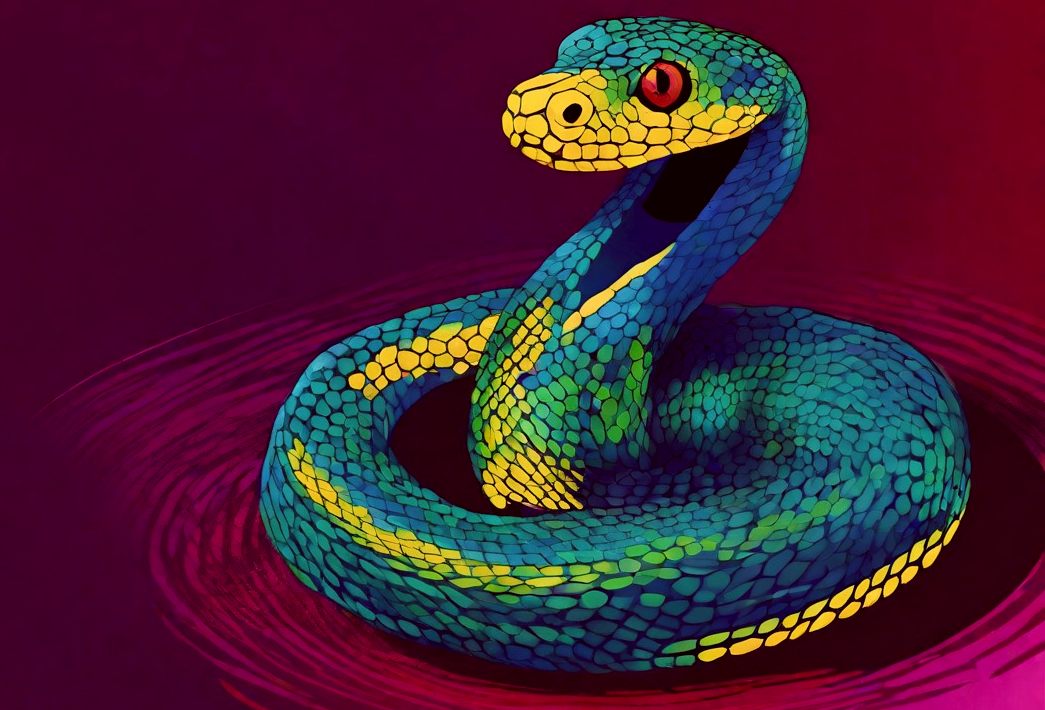
Encountering bites or stings from various animals can be alarming, but knowing proper first aid and treatment techniques can significantly aid in recovery. Here’s how to handle common animal bites and stings effectively:
1. Snakebite
First Aid:
Stay calm and still. Limit movement to prevent venom spread.
Do not suck the venom-this method is ineffective and can cause harm.
Remove tight clothing or jewelry near the bite to prevent swelling.
Position the affected limb below the heart to slow venom circulation.
Bandage the bite firmly, similar to a sprain, but not too tight.
Treatment:
Seek immediate medical help.
Antivenom is crucial for venomous snake bites.
Monitor vital signs and keep the victim calm.
2. Scorpion Bite
First Aid:
Wash the bite area with soap and water.
Do not suck the venom as it does not help and can be harmful.
Apply a cool compress to reduce pain and swelling.
Keep the affected limb elevated to slow venom spread.
Take pain relievers if needed.
Treatment:
Most scorpion stings are not life-threatening but monitor for severe reactions.
Seek medical attention if symptoms worsen or persist.
3. Bee Sting
First Aid:
Remove the stinger by scraping it off sideways with a credit card or fingernail.
Do not suck the venom; instead, focus on cleaning the area with soap and water.
Apply a cold compress to reduce pain and swelling.
Take antihistamines to relieve itching and discomfort.
Treatment:
Bee stings rarely cause serious reactions in most people.
Monitor for signs of severe allergic reactions (anaphylaxis).
4. Dog Bite
First Aid:
Wash the wound thoroughly with soap and water.
Do not suck the wound; this is not effective for dog bites.
Apply an antibiotic ointment and cover with a clean bandage.
Elevate the injured limb if possible.
Seek medical attention for deep wounds or signs of infection.
Treatment:
Medical evaluation is necessary to assess the risk of rabies or infection.
A tetanus shot may be required if not up to date.
5. Mosquito Bites
First Aid:
Clean the bite area with soap and water to prevent infection.
Do not suck the bite; instead, use a cold compress or ice pack to reduce itching and swelling.
Use over-the-counter antihistamine creams or oral medications for relief.
Treatment:
Generally, mosquito bites are not serious unless they lead to severe allergic reactions or transmit diseases like malaria or Zika virus.
Monitor for symptoms if traveling to mosquito-prone areas.
6. Bite of Other Animals (e.g., Cats, Rodents, Bats)
First Aid:
Wash the wound thoroughly with soap and water.
Do not attempt to suck the wound; this is ineffective and can introduce bacteria.
Apply an antibiotic ointment and cover with a clean bandage.
Seek medical attention for deep wounds, puncture wounds, or signs of infection.
Treatment:
Certain animal bites can transmit rabies or other infections.
Medical evaluation and possibly rabies vaccination are essential.
When Alone and Bitten
If alone and bitten by a potentially dangerous animal:
Stay calm and assess the severity of the bite or sting.
Do not attempt to suck the venom or wound; focus on administering appropriate first aid.
Seek emergency medical assistance promptly, especially for venomous bites or signs of severe allergic reactions.
Conclusion
Understanding how to respond to animal bites and stings is crucial for minimizing complications and promoting recovery. Always prioritize safety and seek medical help promptly for serious bites or allergic reactions. By being prepared and informed, you can effectively manage these incidents and ensure the best possible outcome.

Ads
SubMeet


Ads

Rose


The Wall