
trekyaari 's blog
Most people start planning the Everest Base Camp trek with one question: How much will it cost? The honest answer is that the total can vary widely. An Indian trekker flying from Kolkata in October, sharing a guide, and eating dal bhat may spend around ₹80,000. Someone flying from Bengaluru during peak season, choosing upgraded accommodation, and returning by helicopter could spend more than ₹2.5 lakh.
Both trekkers can experience the spectacular Himalayan landscape. What differs is the number of decisions they make along the way.
This guide breaks down the everest base camp trek cost from India, from flights out of your city to the tip you give your guide in Lukla. It is written for Indian trekkers, with costs in rupees, permit considerations for Indian passport holders, and practical advice for planning around Indian leave calendars and booking habits.
All figures are estimates. Prices vary by season, exchange rates, and trekking operator, so confirm important details before making payments.
The Short Answer: Three Everest Base Camp Trek Budget LevelsIf you only read one section, start here.
Lean budget: ₹80,000–₹1,00,000. Book flights early, travel in a group, share a porter, rent equipment, and keep food choices simple.
Comfortable budget: ₹1,10,000–₹1,60,000. Hire a guide, choose decent lodges, carry less luggage, and maintain a buffer for weather delays.
Premium budget: ₹1,70,000–₹2,50,000 or more. Choose a full-service package, upgraded rooms where available, additional acclimatisation days, or a helicopter return.
Many first-time Indian trekkers may find the comfortable budget a practical middle ground. It offers room for essential services and unexpected expenses without paying for luxury you may not need at high altitude.
Everest Base Camp Trek Cost Breakdown from IndiaExpenseApproximate Cost (₹)Return flight from India to Kathmandu10,000–25,000Return flight to Lukla30,000–38,000Trekking permits2,200–3,000Teahouse accommodation for 11 nights9,000–25,000Food and drinks on the trail22,000–35,000Licensed guide, including tip24,000–40,000Porter (optional)17,000–25,000Travel insurance3,500–8,000Kathmandu accommodation and transfers4,000–12,000Gear rental or purchase3,000–25,000Charging, Wi-Fi, showers, and extras5,000–12,000These are indicative ranges, not a guaranteed package price. Check whether your operator's quotation includes flights, permits, meals, accommodation, guide services, porter services, and airport transfers.
1. Flights from India to KathmanduAirfare is one of the expenses you can influence most through early planning. Delhi and Kolkata can be convenient departure points, while flights from Mumbai, Hyderabad, Chennai, and Bengaluru may cost more depending on connections and dates.
Fares often rise around busy travel periods. A return ticket that costs approximately ₹12,000 during a quieter month may rise to ₹25,000 during Diwali week or early October. April can offer another option for spring trekking, although demand remains significant.
Money-saving tip: Aim to book flights around 10–12 weeks before a spring or autumn trip. Compare different departure dates and avoid relying on last-minute discounts.
2. The Lukla Flight and the Ramechhap ConnectionMost trekkers fly to Lukla to avoid a long approach on foot from the road network. Although the flight is short, it can be a substantial part of the budget.
Two factors deserve particular attention.
Ramechhap DeparturesDuring some periods, flights to Lukla operate from Ramechhap (Manthali) rather than Kathmandu. Reaching the airport involves a road transfer and may require an additional overnight stay.
Check your flight departure airport carefully and confirm whether the transfer and accommodation are included in your package.
Weather-Related Flight DelaysWeather around Lukla can disrupt flights. Keep one or two buffer days in your itinerary, where possible, and avoid scheduling your international departure for the same day as your return flight from Lukla.
An extra night in Kathmandu may cost a few thousand rupees, while changing an international ticket can be considerably more expensive.
3. Everest Base Camp Trek Permits: What Indian Trekkers PayThe Everest region has permit requirements that trekkers should confirm before departure. Two commonly discussed charges are the Sagarmatha National Park entry fee and the Khumbu Pasang Lhamu Rural Municipality permit.
The estimated combined cost in this guide is ₹2,200–₹3,000. The actual amount depends on the applicable fees and exchange rate, so verify the current charges with your operator or the relevant authorities.
Permits may be obtained at designated checkpoints or offices along the route, depending on the permit and current arrangements. Your guide or trekking agency can usually help coordinate the process.
Keep these points in mind:
TIMS card: Confirm current Everest-region requirements before paying for a TIMS card, as local permit arrangements differ from those used on some other Nepal trekking routes.
Nepal visa for Indian citizens: Indian citizens generally do not need a visa to enter Nepal. Carry valid, accepted identification and check the current entry requirements before travelling.
Permit fees: Ask for an itemised breakdown so you know which charges are included in your package.
A guide can make your trek easier to manage by helping with navigation, permits, checkpoints, pacing, and decisions when conditions change. Confirm current guide requirements with your operator before departure, as regulations and local enforcement can change.
A guide may cost around ₹2,000–₹3,000 per day. Across a 12-day itinerary, the total may be approximately ₹24,000–₹40,000, depending on the arrangement and whether tips are included.
Why Hire a Guide?A knowledgeable guide does more than lead the way. They can monitor how you are coping with altitude, help you recognise warning signs, and advise when to slow down or descend. These responsibilities are particularly important on a trek where altitude is a major risk.
Is Hiring a Porter Worth It?A porter carries trekking luggage, with weight limits depending on the operator and arrangement. Sharing a porter between two trekkers can reduce costs.
A porter may be particularly helpful if you are new to high-altitude trekking or want to conserve energy during long walking days. Confirm the porter’s weight limit, insurance, and working conditions with your operator.
Guide and Porter TipsTipping is common in the Khumbu region. A suggested benchmark in this guide is NPR 3,000–5,000 each for a guide and porter on a 12-day trek, adjusted for service quality and group size. Confirm a reasonable amount with your operator before departure.
5. Teahouse Accommodation and Food CostsOn the Everest Base Camp trek, you generally stay in family-run teahouses rather than tents. Rooms are often simple, with twin beds, shared bathrooms, and limited heating. The dining room, usually warmed by a stove, becomes a gathering place in the evening.
Teahouse AccommodationRoom rates tend to rise with altitude. Lodges at lower elevations may be relatively inexpensive, while accommodation around Lobuche and Gorak Shep can cost more.
Some lodges offer lower room rates when guests purchase meals there. Ask about the arrangement before booking and budget for both accommodation and food.
Food and Drinks on the TrailFood becomes more expensive as supplies must be carried farther into the mountains. A meal at Gorak Shep can cost substantially more than the same type of meal in Lukla.
Dal bhat is a popular choice because it is filling and often includes refills. Western options such as pizza and pasta are also available at some lodges, but they may be expensive at higher elevations.
Consider packing lightweight snacks from India, such as energy bars, roasted chana, and electrolyte sachets. These can be useful when your appetite decreases at altitude.
Drinking Water CostsBottled water can become expensive at higher elevations. A suitable water filter or purifier can help reduce costs, provided you use it according to its instructions and follow safe water-treatment practices.
6. Travel Insurance for the Everest Base Camp TrekTravel insurance is not an expense to minimise at the cost of safety. Helicopter evacuation from the Khumbu can cost a very large amount without suitable coverage, and serious altitude illness may require urgent assistance.
Before buying a policy, check four important details:
Altitude limit: Confirm that the policy covers the maximum altitude on your itinerary, including Kala Patthar if you plan to visit it.
Emergency evacuation: Check whether helicopter rescue and transport to a hospital are covered.
Altitude-related illness: Verify coverage for altitude sickness and related medical emergencies.
Travel disruption: Check whether flight delays, cancellations, or trip interruption are covered.
A suitable policy may cost around ₹3,500–₹8,000, depending on the insurer, duration, and coverage. Read the exclusions carefully before purchasing.
7. Trekking Gear: Rent, Borrow, or Buy?Equipment can quietly increase your total Everest Base Camp trek cost. Buying a jacket, sleeping bag, trekking boots, poles, and multiple layers from scratch can cost more than ₹25,000.
A practical approach is to divide your equipment into three groups.
Buy Personal EssentialsConsider buying well-fitting trekking boots, socks, base layers, a headlamp, sunglasses, and personal medication. Boots should be broken in before the trek.
Rent in KathmanduDepending on availability and quality, you may be able to rent a down jacket, a suitably rated sleeping bag, and trekking poles.
Borrow Suitable EquipmentDaypacks, rain jackets, and gloves may be borrowed from friends if they fit properly and are in good condition.
Ask your trekking operator which items are provided. Some packages include a duffel bag or sleeping bag, which can help reduce your expenses.
8. Hidden Costs of the Everest Base Camp TrekExtra expenses are easy to overlook when comparing headline package prices. Common examples include:
Hot showers, device charging, and Wi-Fi, especially at higher elevations.
Additional nights in Kathmandu after delayed or cancelled flights.
Snacks, soft drinks, and chocolate at higher trail prices.
Celebration meals and souvenirs.
Laundry, repairs, or replacement equipment.
Additional rest days if altitude or weather affects your itinerary.
Set aside a contingency of around 10–15% of your estimated budget. If you do not need to spend it, that is a good outcome.
9. How Your Itinerary Affects Your SpendingA standard Everest Base Camp trek often takes around 12–14 days, depending on the itinerary, acclimatisation plan, and travel arrangements.
Trekking stageOvernight stopApproximate altitudeFly to Lukla and walk to PhakdingPhakding2,610 mPhakding to Namche BazaarNamche Bazaar3,440 mAcclimatisation dayNamche Bazaar3,440 mNamche to TengbocheTengboche3,860 mTengboche to DingbocheDingboche4,410 mAcclimatisation dayDingboche4,410 mDingboche to LobucheLobuche4,940 mLobuche to Gorak Shep and Everest Base CampGorak Shep5,164 mKala Patthar sunrise and descentPheriche4,240 mEverest Base Camp is approximately 5,364 m above sea level, while Kala Patthar reaches around 5,545 m and is a common high point for trekkers.
Acclimatisation days are essential parts of a sensible itinerary, not optional luxuries. Cutting them to save money can increase the risk of altitude illness and disrupt the entire trek.
10. How the Season Affects Trek CostsThe main trekking windows are March to May and late September to November. These periods often offer favourable trekking conditions, although weather remains unpredictable.
Spring: March to MaySpring is popular with trekkers and climbers. Demand can affect flight prices and room availability, so early booking is useful.
Autumn: Late September to NovemberAutumn is another popular season, with October often seeing high demand. Book flights and accommodation early where possible.
Winter and MonsoonWinter can be quieter and less expensive, but temperatures at altitude can be extremely cold. The monsoon brings rain, cloud, and possible landslide disruptions.
If your dates are flexible, compare prices in April and the second half of November. Conditions and availability vary each year, so check current forecasts and local advice before making a decision.
11. Practical Ways to Reduce Your Everest Base Camp Trek CostYou can manage your budget without compromising safety by planning carefully.
Book flights early: Airfare can make a significant difference to your total spending.
Travel in a group: Sharing eligible guide and porter expenses can reduce the cost per person.
Keep dates flexible: Shifting your trip by several days may help you find better fares.
Rent selected equipment: Avoid buying expensive items you may only use once.
Bring suitable snacks: Lightweight snacks and a safe water-treatment system can help manage trail expenses.
Compare itemised quotes: Check whether permits, airport transfers, meals, accommodation, and Lukla flights are included.
Keep a contingency fund: Weather delays and additional nights can increase your spending.
Do not compromise on safety: Suitable insurance, acclimatisation days, and qualified support are not good places to cut costs.
The 2 PM rule is a turnaround guideline associated with Everest summit attempts. If climbers have not reached the summit by a predetermined cutoff, often around 1–2 PM, they turn back even if the summit appears close. Individual teams may set an earlier cutoff depending on conditions and their plan.
The reasons are straightforward:
Daylight: Descending from the summit takes hours, and a late descent can continue into darkness.
Oxygen: Climbers using supplemental oxygen have carefully planned supplies, and delays can create additional risks.
Weather: Afternoon conditions can deteriorate, increasing exposure to wind and storms.
Decision-making: Extreme altitude and fatigue can impair judgement and make it harder to recognise when to stop.
The rule is widely discussed in connection with the 1996 Everest disaster, when climbers were caught in severe weather after delays and other contributing factors.
You are not climbing Everest on the Everest Base Camp trek, but the principle still applies. Set realistic turnaround times for Kala Patthar and other high points. If symptoms worsen, particularly with confusion or unsteady walking, descend and seek appropriate help. Your health matters more than reaching a viewpoint.
13. Should You Plan the Trek Yourself or Use an Operator?It is possible to arrange parts of the trek independently, but savings may be smaller than expected once you account for guides, permits, transport coordination, and possible disruptions.
A reliable operator can be especially helpful when plans change because of a cancelled Lukla flight, illness, or a missed connection.
When comparing companies, look for one that:
Works with qualified local guides in Nepal.
Explains inclusions and exclusions clearly.
Provides an itemised quotation.
Has a practical plan for flight disruptions and emergencies.
Communicates clearly about permits, equipment, accommodation, and meals.
TrekYaari, a Delhi-based adventure company, helps Indian trekkers plan routes in India and Nepal and works with guides on the Nepal side.
Before booking, ask for an itemised quote so you can compare the full expected cost rather than only the advertised package price.
Frequently Asked Questions About Everest Base Camp Trek Cost1. What is the average Everest Base Camp trek cost from India?Many guided itineraries may cost around ₹1,10,000–₹1,60,000 per person, while a carefully planned lean budget may start around ₹80,000. The final amount depends on flights, season, services, and personal spending.
2. Do Indians need a visa for Nepal?Indian citizens generally do not need a visa to enter Nepal. Carry an accepted identity document and confirm the latest entry requirements before travelling.
3. Is a TIMS card required for the Everest Base Camp trek?Permit arrangements in the Everest region differ from those on some other Nepal trekking routes. Confirm the current requirements with your operator or the relevant authorities before paying for a TIMS card.
4. How many days are needed for the Everest Base Camp trek from India?Plan approximately 12–14 days from Kathmandu, depending on the itinerary. Include acclimatisation days and a buffer for possible flight delays.
5. Is the Everest Base Camp trek difficult?The trek is generally considered moderate to strenuous. Technical climbing is not normally required, but altitude, long walking days, and changing weather make fitness, acclimatisation, and preparation essential.
6. When is the best time to do the Everest Base Camp trek?The main trekking windows are March to May and late September to November. Conditions vary each year, so check current weather and local guidance before travelling.
Plan Your Everest Base Camp Trek with TrekYaariThe numbers are only the beginning. Turning your budget into a well-organised trek is where the right team can make a difference.
Share your travel dates, departure city, and budget with TrekYaari to discuss an itemised plan for your Everest Base Camp adventure.
Toll-free: 1800 889 1805
WhatsApp: +91 93103 36919
Email:info@trekyaari.com
Official Website: www.trekyaari.com
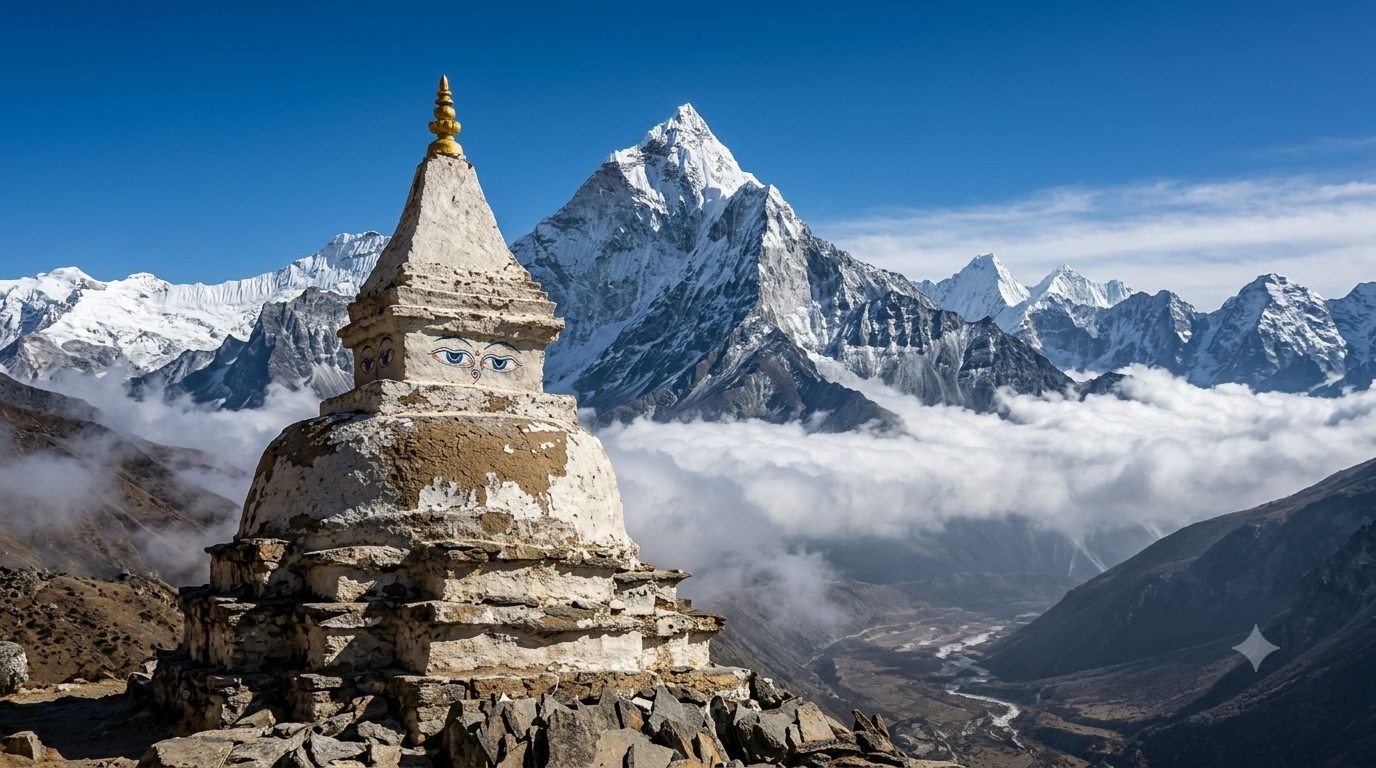
If you are a climber planning your next big Himalayan adventure, choosing between Ama Dablam and Manaslu can feel challenging. Both mountains offer extraordinary experiences, but they test climbers in very different ways.
Ama Dablam pushes technical skills on rock, snow, and ice, while Manaslu takes climbers into the demanding environment above 8,000 metres.
Understanding the differences in height, route difficulty, acclimatisation requirements, physical preparation, and mountain risks is essential before choosing either expedition.
The comparison of ama dablam vs manaslu is not simply about deciding which mountain is harder. It is about understanding which challenge best matches your experience and long-term mountaineering goals.
For Indian climbers, the right choice depends on whether the priority is developing technical climbing skills or preparing for the extreme altitude of an eight-thousander.
Ama Dablam vs Manaslu: Understanding the Two MountainsAlthough both Ama Dablam and Manaslu are located in Nepal, their elevations, climbing styles, and primary challenges are very different.
Ama Dablam: A Challenge for Technical ClimbersAma Dablam rises to approximately 6,812 metres in Nepal's Khumbu region. Its distinctive pyramid-shaped summit and steep ridges make it one of the most recognisable mountains in the Himalayas.
The normal route follows the Southwest Ridge, featuring rock sections, steep snow and ice, fixed ropes, and exposed ridges. Climbers must be comfortable using mountaineering equipment while wearing climbing boots, gloves, and a heavy backpack.
One of Ama Dablam's notable challenges is the Yellow Tower, a steep rock section that requires confidence when moving on fixed ropes. Other exposed sections demand balance, concentration, and efficient movement.
Although Ama Dablam is shorter than Manaslu, its technical demands should not be underestimated.
Best suited for: Climbers with previous experience on rock, snow, ice, and fixed ropes who want to develop their technical mountaineering abilities.
Manaslu: An Expedition Above 8,000 MetresManaslu rises to approximately 8,163 metres in the Nepalese Himalayas. As one of the world's 14 traditionally recognised independent eight-thousanders, Manaslu presents a significantly greater altitude challenge than Ama Dablam.
The normal climbing route involves glacier travel, snow slopes, fixed ropes, high-altitude camps, and a carefully planned acclimatisation schedule. Climbers must manage their energy throughout the expedition while adapting to decreasing oxygen availability.
The challenge is not simply reaching the summit. Climbers must maintain their physical and mental strength in an environment where extreme cold, exhaustion, altitude illness, and changing weather can become serious concerns.
Best suited for: Experienced high-altitude mountaineers preparing for the physical, mental, and logistical demands of climbing an eight-thousander.
Key Differences Between Ama Dablam and ManasluThe following comparison highlights the main differences between these two Himalayan mountains.
FactorAma DablamManasluHeight6,812 metres8,163 metresMountain categoryTechnical Himalayan peakEight-thousanderMain challengeTechnical climbing and exposureExtreme altitude and expedition enduranceTypical terrainSteep rock, snow, ice, and exposed ridgesSnow slopes, glaciers, and high-altitude terrainSkills requiredStrong rock and ice climbing skillsGlacier travel, fixed-rope skills, and high-altitude experienceSupplemental oxygenUsually climbed without supplemental oxygenSupplemental oxygen is used by some climbersPhysical demandsTechnical climbing and careful descentsLong expedition days, acclimatisation, and sustained high-altitude effortPreparationTechnical climbing experiencePrevious high-altitude expedition experienceRoute conditions, expedition logistics, oxygen use, and technical requirements can vary depending on the season and operator. Neither mountain should be attempted without appropriate experience and preparation.
Which Mountain Is Harder: Ama Dablam or Manaslu?The answer depends on what you mean by difficult.
Ama Dablam is generally more technically demanding along its normal route. Its exposed ridges, rock sections, and mixed rock-and-ice climbing require climbers to use equipment confidently at altitude. A climber with excellent endurance but limited rock and ice experience may struggle on Ama Dablam.
Manaslu presents a different challenge. At over 8,000 metres, the body experiences significant physiological stress. Climbers must manage reduced oxygen availability, prolonged exposure to cold, fatigue, and the demands of a lengthy expedition.
The technical difficulty of Manaslu's route is only one part of the challenge. Avalanches, crevasses, weather, and decision-making at altitude also affect the climb.
The key difference is that Ama Dablam places greater emphasis on technical climbing, while Manaslu places greater emphasis on high-altitude endurance and expedition management.
Neither mountain is automatically easier or safer for every climber. Your previous experience, technical abilities, and response to altitude can significantly influence how difficult each expedition feels.
Is Manaslu Harder Than Everest?This is an important question for climbers considering the world's highest mountains.
Manaslu is often considered less technically demanding than Everest on their respective normal routes, but that does not make it an easy expedition. Both mountains rise above 8,000 metres and expose climbers to serious altitude-related risks.
Everest stands at approximately 8,849 metres, while Manaslu reaches approximately 8,163 metres. Everest's greater elevation means less available oxygen near the summit and greater demands on climbers operating in the extreme-altitude zone.
However, comparing mountains by elevation alone does not tell the whole story.
Manaslu has serious hazards, including avalanches, crevasses, severe weather, and the physical strain of climbing above 8,000 metres.
Even a carefully designed acclimatisation schedule cannot eliminate the risk of altitude illness.
Everest presents additional challenges, including the Khumbu Icefall on the standard South Col route, high-altitude camps, and the demanding final ascent.
So, is Manaslu harder than Everest? Everest is generally the greater overall challenge because of its higher altitude and the complexity of its logistics and route.
However, conditions, experience, and expedition planning can make either mountain extremely demanding.
For climbers, the more useful question is whether they have enough high-altitude experience to prepare responsibly for either expedition.
Which Mountain Should Indian Climbers Try First?The choice between Ama Dablam and Manaslu should be based on your climbing experience rather than the reputation of either mountain.
Choose Ama Dablam First If You Want to Develop Technical Climbing SkillsAma Dablam may be an appropriate objective for climbers who already have high-altitude experience and want to improve their technical climbing abilities.
Before considering the expedition, you should be comfortable with:
Moving on rock and ice while wearing mountaineering boots.
Using ascenders, descenders, harnesses, and fixed ropes.
Navigating exposed ridges and narrow sections.
Descending technical terrain while carrying equipment.
Staying focused when tired, cold, and at altitude.
Previous mountain experience can help you prepare, but climbing a less technical mountain does not automatically mean you are ready for Ama Dablam.
If you are still developing your technical climbing abilities, gain additional experience and training before attempting this route.
Choose Manaslu First If You Have Extensive High-Altitude ExperienceManaslu may be a suitable next objective for climbers who have completed demanding high-altitude expeditions and understand how their bodies respond to reduced oxygen availability.
Good preparation includes:
Experience on high-altitude mountains.
Strong endurance for consecutive days of climbing.
An understanding of acclimatisation and the warning signs of altitude illness.
Experience with glacier travel and fixed-rope systems.
The ability to make sound decisions when conditions deteriorate.
Manaslu should not be treated as an easy option simply because its normal route may be less technically demanding than Ama Dablam in certain sections.
Climbing an eight-thousander requires extensive preparation, appropriate professional support, and the willingness to turn around when necessary.
Physical Training and Preparation for Both MountainsPhysical fitness is essential for both expeditions. Your training should reflect the specific demands of each mountain.
Training for Ama DablamFocus on building strength, endurance, balance, and technical climbing skills.
Your preparation can include:
Hiking uphill with a backpack.
Strength training for the legs, core, and upper body.
Regular rock and ice climbing practice.
Practising crampon use, rope techniques, and controlled descents.
Exercises that improve balance, coordination, and confidence on exposed terrain.
Technical training should be conducted under qualified supervision. Reading about rope systems is not a substitute for learning to use them in real climbing situations.
Training for ManasluFor Manaslu, build the strength and endurance required for extended expeditions and repeated climbing sessions at high altitude.
Focus on:
Long hikes and uphill endurance sessions.
Aerobic conditioning and muscular strength.
Training with a backpack appropriate for your expedition.
Practising sustained physical effort over consecutive days.
Learning about acclimatisation, hydration, nutrition, and altitude-illness symptoms.
No training programme can guarantee successful acclimatisation. Good fitness helps with physical performance, but it cannot eliminate altitude-related risks.
Best Time to Climb Ama Dablam and ManasluAutumn is a popular climbing season for both Ama Dablam and Manaslu, but the best dates depend on snowfall, weather, route conditions, and your expedition operator's schedule.
Ama Dablam is commonly climbed in autumn after the monsoon season. Expedition teams plan their summit attempts around weather forecasts and the condition of the Southwest Ridge.
Manaslu also attracts autumn expeditions. Climbers must pay close attention to snowfall, avalanche conditions, wind, and the safety of the route between camps.
Spring may also offer climbing opportunities, depending on the mountain and prevailing conditions. Do not assume that the same season will provide identical conditions on both peaks.
Before booking, review the acclimatisation schedule, expedition duration, guide qualifications, equipment arrangements, and emergency evacuation procedures.
Safety Tips for Indian ClimbersBoth mountains demand careful planning and respect for the risks associated with Himalayan mountaineering.
1. Acclimatise GraduallyFollow a suitable acclimatisation plan and report symptoms of altitude illness promptly. Never ignore worsening symptoms to continue towards the summit.
2. Understand the RouteLearn about glaciers, crevasses, fixed ropes, exposed sections, and other hazards before beginning the expedition.
3. Check Your Expedition TeamReview guide qualifications, the team's experience, communication arrangements, emergency procedures, and equipment standards.
4. Monitor Weather and Snow ConditionsHimalayan weather can change rapidly. Pay attention to forecasts, wind conditions, and snow stability throughout the expedition.
5. Plan Your DescentReaching the summit is only part of the climb. Returning safely requires sufficient energy, time, and careful decision-making.
6. Be Prepared to Turn AroundAbandoning a summit attempt can be the safest and most responsible decision when conditions become dangerous.
7. Choose Your Operator CarefullyBe honest about your previous climbing experience and choose an expedition that matches your abilities. Professional support is important, but no guide or operator can eliminate every mountain risk.
Final Thoughts: Ama Dablam vs ManasluThe decision between Ama Dablam and Manaslu depends on the skills you want to develop and the type of challenge you are prepared to undertake.
Choose Ama Dablam if you have a strong technical background and want to test yourself on steep rock, snow, ice, and exposed ridges.
Choose Manaslu if you have substantial high-altitude experience and are prepared for the physical and mental demands of climbing above 8,000 metres.
Neither mountain should be selected simply because it is popular or considered a stepping stone towards a more famous summit. Your experience, technical skills, acclimatisation history, and ability to manage risk matter far more than a mountain's reputation.
The best expedition is not necessarily the highest or most difficult one. It is the one that matches your abilities, offers an appropriate challenge, and gives you the best opportunity to return safely.
Frequently Asked Questions1. Is Ama Dablam harder than Manaslu?Ama Dablam is generally more technically demanding along its normal route because of steep rock, ice, exposed sections, and fixed-rope climbing. Manaslu presents a greater altitude challenge because its summit is above 8,000 metres. Overall difficulty depends on the climber's experience and abilities.
2. Is Manaslu harder than Everest?Manaslu is often considered less technically demanding than Everest on the normal routes, but both mountains involve serious high-altitude risks. Everest's greater elevation and complex route logistics generally make it the more demanding overall objective, although conditions and individual experience can affect the comparison.
3. Can a beginner climb Ama Dablam?Ama Dablam is not a suitable first mountain for most beginners. Climbers should have previous experience with rock and ice climbing, fixed ropes, technical equipment, and high-altitude conditions before considering the expedition.
4. Should I climb Manaslu before Everest?Manaslu can form part of a climber's progression towards Everest, but completing Manaslu does not automatically mean someone is ready for Everest.
Previous time at altitude, technical abilities, fitness, decision-making, and familiarity with the intended route must all be considered.
5. Which mountain is taller: Ama Dablam or Manaslu?Manaslu is taller, standing at approximately 8,163 metres. Ama Dablam reaches approximately 6,812 metres.
6. Which mountain is better for Indian climbers?Neither mountain is the best choice for everyone.
Ama Dablam may suit climbers seeking a technically demanding objective, while Manaslu may suit experienced mountaineers preparing for an eight-thousander. The right choice depends on your experience, training, technical skills, and altitude history.
Plan Your Himalayan Expedition CarefullyBefore deciding between Ama Dablam and Manaslu, assess your current abilities, consult qualified mountaineering professionals, and choose an expedition that matches your preparation.
Explore the differences between these two Himalayan mountains, evaluate the skills each requires, and plan your next climb with realistic expectations.
Trekyaari Ready to take the next step in your mountaineering journey? Explore Himalayan climbing expeditions with and start planning your next mountain adventure.
Archives

Ads
SubMeet


Ads

Rose

