
Ama Dablam vs Manaslu: Which Should You Climb First? from trekyaari's blog
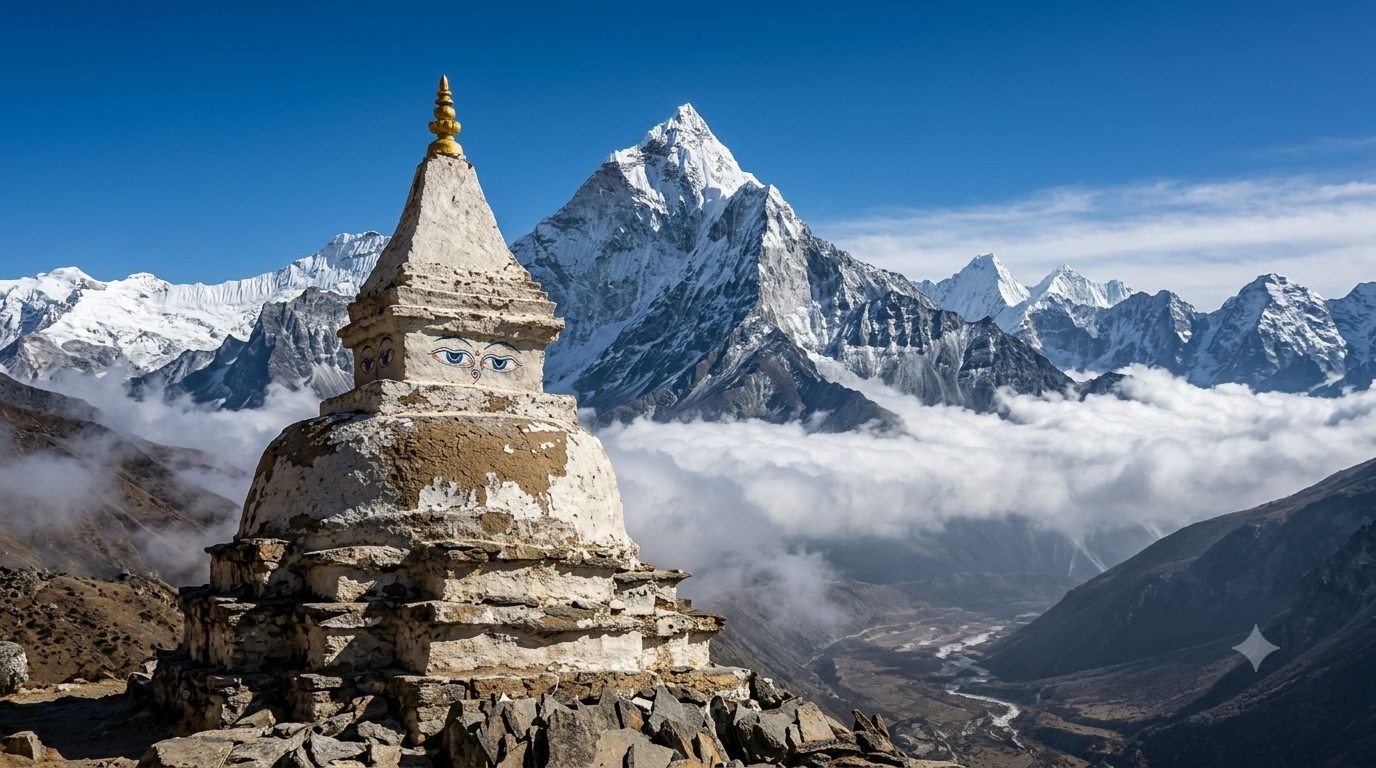
If you are a climber planning your next big Himalayan adventure, choosing between Ama Dablam and Manaslu can feel challenging. Both mountains offer extraordinary experiences, but they test climbers in very different ways.
Ama Dablam pushes technical skills on rock, snow, and ice, while Manaslu takes climbers into the demanding environment above 8,000 metres.
Understanding the differences in height, route difficulty, acclimatisation requirements, physical preparation, and mountain risks is essential before choosing either expedition.
The comparison of ama dablam vs manaslu is not simply about deciding which mountain is harder. It is about understanding which challenge best matches your experience and long-term mountaineering goals.
For Indian climbers, the right choice depends on whether the priority is developing technical climbing skills or preparing for the extreme altitude of an eight-thousander.
Ama Dablam vs Manaslu: Understanding the Two MountainsAlthough both Ama Dablam and Manaslu are located in Nepal, their elevations, climbing styles, and primary challenges are very different.
Ama Dablam: A Challenge for Technical ClimbersAma Dablam rises to approximately 6,812 metres in Nepal's Khumbu region. Its distinctive pyramid-shaped summit and steep ridges make it one of the most recognisable mountains in the Himalayas.
The normal route follows the Southwest Ridge, featuring rock sections, steep snow and ice, fixed ropes, and exposed ridges. Climbers must be comfortable using mountaineering equipment while wearing climbing boots, gloves, and a heavy backpack.
One of Ama Dablam's notable challenges is the Yellow Tower, a steep rock section that requires confidence when moving on fixed ropes. Other exposed sections demand balance, concentration, and efficient movement.
Although Ama Dablam is shorter than Manaslu, its technical demands should not be underestimated.
Best suited for: Climbers with previous experience on rock, snow, ice, and fixed ropes who want to develop their technical mountaineering abilities.
Manaslu: An Expedition Above 8,000 MetresManaslu rises to approximately 8,163 metres in the Nepalese Himalayas. As one of the world's 14 traditionally recognised independent eight-thousanders, Manaslu presents a significantly greater altitude challenge than Ama Dablam.
The normal climbing route involves glacier travel, snow slopes, fixed ropes, high-altitude camps, and a carefully planned acclimatisation schedule. Climbers must manage their energy throughout the expedition while adapting to decreasing oxygen availability.
The challenge is not simply reaching the summit. Climbers must maintain their physical and mental strength in an environment where extreme cold, exhaustion, altitude illness, and changing weather can become serious concerns.
Best suited for: Experienced high-altitude mountaineers preparing for the physical, mental, and logistical demands of climbing an eight-thousander.
Key Differences Between Ama Dablam and ManasluThe following comparison highlights the main differences between these two Himalayan mountains.
FactorAma DablamManasluHeight6,812 metres8,163 metresMountain categoryTechnical Himalayan peakEight-thousanderMain challengeTechnical climbing and exposureExtreme altitude and expedition enduranceTypical terrainSteep rock, snow, ice, and exposed ridgesSnow slopes, glaciers, and high-altitude terrainSkills requiredStrong rock and ice climbing skillsGlacier travel, fixed-rope skills, and high-altitude experienceSupplemental oxygenUsually climbed without supplemental oxygenSupplemental oxygen is used by some climbersPhysical demandsTechnical climbing and careful descentsLong expedition days, acclimatisation, and sustained high-altitude effortPreparationTechnical climbing experiencePrevious high-altitude expedition experienceRoute conditions, expedition logistics, oxygen use, and technical requirements can vary depending on the season and operator. Neither mountain should be attempted without appropriate experience and preparation.
Which Mountain Is Harder: Ama Dablam or Manaslu?The answer depends on what you mean by difficult.
Ama Dablam is generally more technically demanding along its normal route. Its exposed ridges, rock sections, and mixed rock-and-ice climbing require climbers to use equipment confidently at altitude. A climber with excellent endurance but limited rock and ice experience may struggle on Ama Dablam.
Manaslu presents a different challenge. At over 8,000 metres, the body experiences significant physiological stress. Climbers must manage reduced oxygen availability, prolonged exposure to cold, fatigue, and the demands of a lengthy expedition.
The technical difficulty of Manaslu's route is only one part of the challenge. Avalanches, crevasses, weather, and decision-making at altitude also affect the climb.
The key difference is that Ama Dablam places greater emphasis on technical climbing, while Manaslu places greater emphasis on high-altitude endurance and expedition management.
Neither mountain is automatically easier or safer for every climber. Your previous experience, technical abilities, and response to altitude can significantly influence how difficult each expedition feels.
Is Manaslu Harder Than Everest?This is an important question for climbers considering the world's highest mountains.
Manaslu is often considered less technically demanding than Everest on their respective normal routes, but that does not make it an easy expedition. Both mountains rise above 8,000 metres and expose climbers to serious altitude-related risks.
Everest stands at approximately 8,849 metres, while Manaslu reaches approximately 8,163 metres. Everest's greater elevation means less available oxygen near the summit and greater demands on climbers operating in the extreme-altitude zone.
However, comparing mountains by elevation alone does not tell the whole story.
Manaslu has serious hazards, including avalanches, crevasses, severe weather, and the physical strain of climbing above 8,000 metres.
Even a carefully designed acclimatisation schedule cannot eliminate the risk of altitude illness.
Everest presents additional challenges, including the Khumbu Icefall on the standard South Col route, high-altitude camps, and the demanding final ascent.
So, is Manaslu harder than Everest? Everest is generally the greater overall challenge because of its higher altitude and the complexity of its logistics and route.
However, conditions, experience, and expedition planning can make either mountain extremely demanding.
For climbers, the more useful question is whether they have enough high-altitude experience to prepare responsibly for either expedition.
Which Mountain Should Indian Climbers Try First?The choice between Ama Dablam and Manaslu should be based on your climbing experience rather than the reputation of either mountain.
Choose Ama Dablam First If You Want to Develop Technical Climbing SkillsAma Dablam may be an appropriate objective for climbers who already have high-altitude experience and want to improve their technical climbing abilities.
Before considering the expedition, you should be comfortable with:
Moving on rock and ice while wearing mountaineering boots.
Using ascenders, descenders, harnesses, and fixed ropes.
Navigating exposed ridges and narrow sections.
Descending technical terrain while carrying equipment.
Staying focused when tired, cold, and at altitude.
Previous mountain experience can help you prepare, but climbing a less technical mountain does not automatically mean you are ready for Ama Dablam.
If you are still developing your technical climbing abilities, gain additional experience and training before attempting this route.
Choose Manaslu First If You Have Extensive High-Altitude ExperienceManaslu may be a suitable next objective for climbers who have completed demanding high-altitude expeditions and understand how their bodies respond to reduced oxygen availability.
Good preparation includes:
Experience on high-altitude mountains.
Strong endurance for consecutive days of climbing.
An understanding of acclimatisation and the warning signs of altitude illness.
Experience with glacier travel and fixed-rope systems.
The ability to make sound decisions when conditions deteriorate.
Manaslu should not be treated as an easy option simply because its normal route may be less technically demanding than Ama Dablam in certain sections.
Climbing an eight-thousander requires extensive preparation, appropriate professional support, and the willingness to turn around when necessary.
Physical Training and Preparation for Both MountainsPhysical fitness is essential for both expeditions. Your training should reflect the specific demands of each mountain.
Training for Ama DablamFocus on building strength, endurance, balance, and technical climbing skills.
Your preparation can include:
Hiking uphill with a backpack.
Strength training for the legs, core, and upper body.
Regular rock and ice climbing practice.
Practising crampon use, rope techniques, and controlled descents.
Exercises that improve balance, coordination, and confidence on exposed terrain.
Technical training should be conducted under qualified supervision. Reading about rope systems is not a substitute for learning to use them in real climbing situations.
Training for ManasluFor Manaslu, build the strength and endurance required for extended expeditions and repeated climbing sessions at high altitude.
Focus on:
Long hikes and uphill endurance sessions.
Aerobic conditioning and muscular strength.
Training with a backpack appropriate for your expedition.
Practising sustained physical effort over consecutive days.
Learning about acclimatisation, hydration, nutrition, and altitude-illness symptoms.
No training programme can guarantee successful acclimatisation. Good fitness helps with physical performance, but it cannot eliminate altitude-related risks.
Best Time to Climb Ama Dablam and ManasluAutumn is a popular climbing season for both Ama Dablam and Manaslu, but the best dates depend on snowfall, weather, route conditions, and your expedition operator's schedule.
Ama Dablam is commonly climbed in autumn after the monsoon season. Expedition teams plan their summit attempts around weather forecasts and the condition of the Southwest Ridge.
Manaslu also attracts autumn expeditions. Climbers must pay close attention to snowfall, avalanche conditions, wind, and the safety of the route between camps.
Spring may also offer climbing opportunities, depending on the mountain and prevailing conditions. Do not assume that the same season will provide identical conditions on both peaks.
Before booking, review the acclimatisation schedule, expedition duration, guide qualifications, equipment arrangements, and emergency evacuation procedures.
Safety Tips for Indian ClimbersBoth mountains demand careful planning and respect for the risks associated with Himalayan mountaineering.
1. Acclimatise GraduallyFollow a suitable acclimatisation plan and report symptoms of altitude illness promptly. Never ignore worsening symptoms to continue towards the summit.
2. Understand the RouteLearn about glaciers, crevasses, fixed ropes, exposed sections, and other hazards before beginning the expedition.
3. Check Your Expedition TeamReview guide qualifications, the team's experience, communication arrangements, emergency procedures, and equipment standards.
4. Monitor Weather and Snow ConditionsHimalayan weather can change rapidly. Pay attention to forecasts, wind conditions, and snow stability throughout the expedition.
5. Plan Your DescentReaching the summit is only part of the climb. Returning safely requires sufficient energy, time, and careful decision-making.
6. Be Prepared to Turn AroundAbandoning a summit attempt can be the safest and most responsible decision when conditions become dangerous.
7. Choose Your Operator CarefullyBe honest about your previous climbing experience and choose an expedition that matches your abilities. Professional support is important, but no guide or operator can eliminate every mountain risk.
Final Thoughts: Ama Dablam vs ManasluThe decision between Ama Dablam and Manaslu depends on the skills you want to develop and the type of challenge you are prepared to undertake.
Choose Ama Dablam if you have a strong technical background and want to test yourself on steep rock, snow, ice, and exposed ridges.
Choose Manaslu if you have substantial high-altitude experience and are prepared for the physical and mental demands of climbing above 8,000 metres.
Neither mountain should be selected simply because it is popular or considered a stepping stone towards a more famous summit. Your experience, technical skills, acclimatisation history, and ability to manage risk matter far more than a mountain's reputation.
The best expedition is not necessarily the highest or most difficult one. It is the one that matches your abilities, offers an appropriate challenge, and gives you the best opportunity to return safely.
Frequently Asked Questions1. Is Ama Dablam harder than Manaslu?Ama Dablam is generally more technically demanding along its normal route because of steep rock, ice, exposed sections, and fixed-rope climbing. Manaslu presents a greater altitude challenge because its summit is above 8,000 metres. Overall difficulty depends on the climber's experience and abilities.
2. Is Manaslu harder than Everest?Manaslu is often considered less technically demanding than Everest on the normal routes, but both mountains involve serious high-altitude risks. Everest's greater elevation and complex route logistics generally make it the more demanding overall objective, although conditions and individual experience can affect the comparison.
3. Can a beginner climb Ama Dablam?Ama Dablam is not a suitable first mountain for most beginners. Climbers should have previous experience with rock and ice climbing, fixed ropes, technical equipment, and high-altitude conditions before considering the expedition.
4. Should I climb Manaslu before Everest?Manaslu can form part of a climber's progression towards Everest, but completing Manaslu does not automatically mean someone is ready for Everest.
Previous time at altitude, technical abilities, fitness, decision-making, and familiarity with the intended route must all be considered.
5. Which mountain is taller: Ama Dablam or Manaslu?Manaslu is taller, standing at approximately 8,163 metres. Ama Dablam reaches approximately 6,812 metres.
6. Which mountain is better for Indian climbers?Neither mountain is the best choice for everyone.
Ama Dablam may suit climbers seeking a technically demanding objective, while Manaslu may suit experienced mountaineers preparing for an eight-thousander. The right choice depends on your experience, training, technical skills, and altitude history.
Plan Your Himalayan Expedition CarefullyBefore deciding between Ama Dablam and Manaslu, assess your current abilities, consult qualified mountaineering professionals, and choose an expedition that matches your preparation.
Explore the differences between these two Himalayan mountains, evaluate the skills each requires, and plan your next climb with realistic expectations.
Trekyaari Ready to take the next step in your mountaineering journey? Explore Himalayan climbing expeditions with and start planning your next mountain adventure.

Ads
SubMeet


Ads

Rose


The Wall