
Lola 's blog

So, are eggs beneficial or harmful to your health? This article explores both sides of the argument.
Why are eggs sometimes considered unhealthy?
Whole eggs have two main components:
Egg white: the white part, which is mostly protein
Egg yolk: the yellow or orange part, which is rich in nutrients
The main reason eggs were considered unhealthy in the past is that the yolks are high in cholesterol.
Cholesterol is a waxy substance found in food. It’s also made by your body. A few decades ago, large studies linked high blood cholesterol to heart disease.
For several decades, eggs were believed to increase heart disease risk because of their high cholesterol content.
It’s true that whole eggs are high in cholesterol
Whole eggs (with the yolks) are indeed high in cholesterol. In fact, they’re a significant source of cholesterol in the standard American diet.
Two large whole eggs (100 grams) contain about 411 mg of cholesterol. By contrast, 100 grams of 30% fat ground beef has about 78 mg of cholesterol.
Until recently, the recommended maximum daily intake of cholesterol was 300 mg per day. It was even lower for people with heart disease.
However, based on the latest research, health organizations in many countries no longer recommend restricting cholesterol intake.
Despite this change, many people remain concerned about consuming eggs. This is because they’ve been conditioned to associate high dietary cholesterol intake with high blood cholesterol and heart disease.
However, just because a food is high in cholesterol doesn’t necessarily mean it raises cholesterol levels in your blood.
Two large whole eggs contain 411 mg of cholesterol, which exceeds the maximum daily limit that was in place for many decades. However, this restriction on dietary cholesterol has now been lifted.
How eating eggs affects blood cholesterol
Although it may seem logical that dietary cholesterol would raise blood cholesterol levels, it usually doesn’t work that way.
Your liver actually produces cholesterol in large amounts because cholesterol is a necessary nutrient for your cells.
When you eat larger amounts of high-cholesterol foods, such as eggs, your liver produces less cholesterol because more of it is coming from your diet.
Conversely, when you get little cholesterol from food, your liver produces more to compensate.
Because of this, blood cholesterol levels don’t change significantly in most people when they eat more cholesterol foods.
In one long-term, well-designed study, consuming egg yolks daily for 1 year did not significantly change total cholesterol, LDL (bad) or HDL cholesterol, or the ratio of total cholesterol to HDL (an important marker of heart disease) in adults with early signs of age-related macular degeneration.
However, one review of well-designed studies in healthy individuals found that eating cholesterol-containing foods raised both LDL (bad) and HDL cholesterol, but the ratio of LDL to HDL (an important marker of heart disease risk) remained constant compared with the control group.
Likewise, in another study, 30 people who ate 3 eggs per day for 13 weeks had higher total cholesterol, HDL, and LDL (bad) cholesterol compared with those who took only a choline supplement.
However, their HDL to LDL ratio remained the same. The study’s authors concluded that eating foods high in cholesterol regulates the amount of cholesterol your body makes in order to maintain the HDL to LDL ratio.
Also, keep in mind that cholesterol isn’t a “bad” substance. It is actually involved in various processes in your body, such as:
production of vitamin D
production of steroid hormones like estrogen, progesterone, and testosterone
production of bile acids, which help digest fat
Last but not least, cholesterol is an essential component of every cell membrane in your body, making it necessary for survival.
When you eat eggs or other cholesterol-rich foods, your liver produces less cholesterol. As a result, your blood cholesterol levels will likely stay about the same or increase slightly while your HDL to LDL ratio remains the same.
Do eggs increase heart disease risk?
Several controlled studies have examined how eggs affect heart disease risk factors. The findings are mostly positive or neutral.
Studies show that eating one to two whole eggs per day doesn’t seem to change cholesterol levels or heart disease risk factors.
In one well-designed study, eating two eggs per day did not adversely affect biomarkers of heart disease compared with eating oatmeal. Additionally, those who ate eggs for breakfast reported greater satiety than those who ate oatmeal.
Another well-designed study found that eating two eggs per day did not significantly affect total cholesterol, LDL (bad) cholesterol, or glycemic control in people with overweight or obese and who also have prediabetes or diabetes.
Another well-designed study looked at the effects of eating eggs on endothelial function in people with heart disease. The endothelium is a membrane that lines your heart and blood vessels.
Eating 2 eggs for breakfast for 6 weeks did not result in differences in cholesterol, flow-mediated dilation (an assessment of vascular function), blood pressure, or body weight compared with eating Egg Beaters or a high carbohydrate breakfast.
Eating eggs may also help lower the risk of metabolic syndrome.
One large study of adults reported that women who consumed seven eggs per week had a lower risk of metabolic syndrome than those who ate one egg per week.
Similarly, another study associated eating four to six eggs per week with decreased risk of metabolic syndrome, compared with eating one egg per month.
What’s more, consuming eggs as part of a low-carb diet improves markers of heart disease in people with insulin resistance or type 2 diabetes. This includes the size and shape of LDL particles.
One study followed prediabetics who were on a carb-restricted diet. Those who consumed whole eggs experienced better insulin sensitivity and greater improvements in heart health markers than those who ate egg whites.
In another study, prediabetic people on low-carb diets ate 3 eggs per day for 12 weeks. They had fewer inflammatory markers than those who consumed an egg substitute on an otherwise identical diet.
Although LDL (bad) cholesterol tends to stay the same or increase only slightly when you eat eggs, HDL (good) cholesterol typically increases.
In addition, eating omega-3-enriched eggs may help lower triglyceride levels.
Research also suggests that eating eggs on a regular basis may be safe for people who already have heart disease. In fact, eating eggs may be associated with fewer cardiac events.
One large study of healthy adults examined peoples’ egg consumption over almost 9 years. Daily egg consumption (less than 1 egg) was associated with a lower risk of cardiovascular disease, ischemic heart disease, and stroke among middle-aged adults.
Another large study found no link between eating eggs and death from coronary heart disease. In men, eating eggs was associated with a lower incidence of death from stroke.
To top things off, a review of 17 observational studies with a total of 263,938 people found no association between egg consumption and heart disease or stroke.
Studies have shown that egg consumption generally has beneficial or neutral effects on heart disease risk.
Do eggs increase diabetes risk?
Controlled studies show that eggs may improve insulin sensitivity and reduce heart disease risk factors in people with prediabetes.
However, there is conflicting research on egg consumption and the risk of type 2 diabetes.
One recent review of studies determined that eating up to seven eggs per week does not significantly increase markers for cardiovascular disease and type 2 diabetes in both people with and without diabetes.
However, a review of two studies involving more than 50,000 adults found that those consuming at least one egg daily were more likely to develop type 2 diabetes than people who ate less than one egg per week.
A second study in women found an association between high dietary cholesterol intake and increased diabetes risk, but not specifically for eggs.
And a large observational study that found no link between eating eggs and heart attacks or strokes did find a 54% increased risk of heart disease when they only looked at people with diabetes.
Based on these studies, eggs could be problematic for people living with prediabetes or diabetes.
However, it’s important to keep in mind that these are observational studies based on self-reported food intake.
They only show an association between egg consumption and an increased likelihood of developing diabetes. These types of studies cannot prove that the eggs caused diabetes.
In addition, these studies don’t tell us what else the people who developed diabetes were eating, how much exercise they did, or what other risk factors they had.
In fact, controlled studies have found that eating eggs along with a nutritious diet may benefit people with diabetes.
In one study, people with diabetes who consumed a high protein, high cholesterol diet containing two eggs per day experienced reductions in fasting blood sugar, insulin, and blood pressure, along with an increase in HDL cholesterol.
Other studies link egg consumption with improvements in insulin sensitivity and reduced inflammation in people with prediabetes and diabetes.
Studies on eggs and diabetes provide mixed results. Several observational studies show an increased risk of type 2 diabetes, while controlled trials show an improvement in various health markers.
People with familial hypercholesterolemia may need to avoid eggs.
People with certain genetic traits may see a greater rise in their cholesterol levels after eating eggs.
Eggs are loaded with nutrients
Eggs are a particularly nutrient-rich food. They are a great source of high-quality protein, as well as several important vitamins and minerals.
One large whole egg contains:
Calories: 72
Protein: 6 grams
Vitamin A: 10% of the daily value (DV)
Riboflavin: 16% of the DV
Vitamin B12: 21% of the DV
Folate: 9% of the DV
Iron: 5% of the DV
Selenium: 28% of the DV
Eggs also contain many other nutrients in smaller amounts.
Eggs are high in a number of important vitamins and minerals, along with high-quality protein.
Eggs have many health benefits
Studies show that eating eggs can have various health benefits. These include:
Help keep you full. Several studies show that eggs promote fullness and help control hunger so you eat less at your next meal.
Promote weight loss. The high-quality protein in eggs increases metabolic rate and can help you lose weight.
Protect brain health. Eggs are an excellent source of choline, which is important for your brain.
Reduce eye disease risk. The lutein and zeaxanthin in eggs help protect against eye diseases like cataracts and macular degeneration.
Decrease inflammation. Eggs may reduce inflammation, which is linked to various health conditions.
Eggs help you stay full, may promote weight loss, and help protect your brain and eyes. They may also reduce inflammation.
However, people with certain conditions or genetic predispositions may need to limit their egg intake.
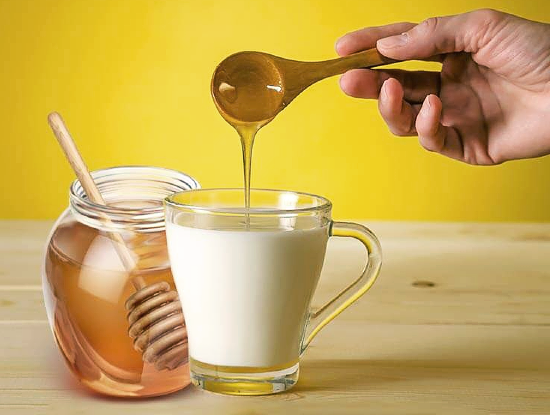
Milk and honey are classic combinations often used in drinks and desserts alike.
Besides being soothing and comforting, milk and honey also add a rich flavor to your favorite recipes.
In addition, these two ingredients have been researched for their medicinal properties and are often used as natural remedies for a variety of health conditions.
In this article, we discuss the pros and cons of honey and milk.
Milk With Honey Benefits
Milk and honey are definitely some powerful components to have in our diet, individually and together. Here are some milk and honey drink benefits:
1) Aids Insomnia:
Anyone suffering from lack of sleep can try a glass of warm milk with honey in it to enjoy a good night’s sleep. This is due to the fact that artificial sugar disrupts the body, but natural sugar dissolved in milk, such as honey, turns off a neurotransmitter called orexin, which aids in restful sleep.
Honey consumption causes the brain to release insulin as well as a substance called tryptophan. Tryptophan is turned into serotonin, a neurotransmitter that promotes emotions of well-being. Melatonin is produced when serotonin is transformed into melatonin, which aids in sleep.
2) Leads to Stronger Bone Structure:
Honey and milk both aid in the development of strong bones. Milk, as we all know, is high in calcium, which helps to build bone density. And honey, on the other hand, with its antioxidant and anti-inflammatory properties, aids bone structure. Apart from that, honey offers you energy and has a delicious taste.
3) Keep the Digestive System Smooth:
Honey and milk form delicious drink that helps a person's digestive system function better. This is because milk's probiotic characteristics promote the growth of beneficial bacteria, while the natural honey in the beverage helps to cleanse the colon and eliminate undigested food. As a result, constipation and cramps are less likely.
4) Boosts Stamina:
When milk and honey are had first thing in the morning, as soon as one wakes up, stamina can be greatly increased. This blend provides all of the necessary carbohydrates and critical proteins to a person's body. Honey is an ergogenic acid that boosts athletic performance by slowly releasing energy over a lengthy period of time. Honey also increases metabolic rate, speeding up the body's processes and providing you with all the energy you need to go through the day.
5) Treats Respiratory Issues:
A mixture of milk and honey is a good home treatment for respiratory difficulties. Coughs and minor respiratory discomforts can be relieved by drinking warm milk with honey before bedtime. Honey and warm milk help to clear mucus by lubricating the airways.
Benefits of Milk With Honey for Skin & Hair:
Apart from providing benefits to health, the powerful and delightful drink can also work magically on your skin and hair. The following are the benefits of milk with honey for skin & hair:
1) Works on Slow Skin Ageing:
Using honey and milk on the skin on a regular basis can help to slow down the ageing process and decrease wrinkles. Their antioxidant qualities protect the skin from free radical damage, which produces wrinkles, blemishes, and general degeneration.
2) Keeps the Skin Moisturised:
Maintaining the softness of the skin necessitates moisturising. Milk and honey keep the skin healthy by protecting it from infections, acne, and pollution damage. Milk cleans and keeps the skin hydrated, while honey moisturises it and gives it a glow.
3) Keeps the Skin Healthy and Alive:
Honey and milk include a number of essential nutrients that help to keep the skin smooth and supple. Proteins, amino acids, vitamins, and minerals help to stimulate healthy tissue formation from the inside out.
4) Strengthens Hair:
A honey-and-milk hair pack improves the vitality of damaged and wrinkled hair, leaving it smooth and lustrous. The hydrating impact of the pack strengthens the hair strands, giving it a smooth texture while maintaining its strength. It has the same effect as using a conditioner, but it is completely natural and free of chemicals.
5) Brings the Shine Back:
Damaged and brittle hair is revitalised with a honey-and-milk hair pack, which leaves it silky and lustrous. The pack's moisturising effect strengthens the hair strands, giving them a smooth texture while keeping their strength. It has the same effect as using a conditioner, but it is 100% natural and chemical-free.
How to Make a Hair Pack Using Honey and Milk?
Combine two tablespoons of honey and one cup of raw milk in a mixing bowl. Apply this combination to your hair and wait 20 minutes. Rinse thoroughly with lukewarm water and repeat once a week.
How to Prepare a Honey & Milk Face Wash?
In a mixing bowl, combine one tablespoon of honey and two tablespoons of milk until they have a cream-like consistency. Apply the cotton pad to your face in circular motions after dipping it into the mixture. Allow 10 minutes for the mixture to rest on your face. Cleanse your face with cool water and gently massage it. If you want, you can use a light cleanser afterwards. After patting your skin dry, use a toner and moisturiser.
Honey Milk Recipe
For this, all you need is pasteurised milk and honey.
Method:
Warm a cup of milk in a saucepan but do not boil it.
Pour it into a cup and let it cool to your desired temperature.
Stir in a teaspoon of honey (you can also add butter with a combination of "1" butter and "2" honey).
If you'd like, you can add more.
Side Effects of Drinking Milk With Honey
While it is always advisable to have milk with honey, it can have some side effects too when consumed in abundance or with health issues. The following are the side effects of drinking milk with honey:
When you consume milk and honey on a regular basis, your body absorbs the lipids in the drink. It is caused by the fat content of both milk and honey.
Lactose-intolerant people should avoid milk and honey drinks. Yoghurt is a decent milk alternative because it has little to no lactose.
Honey's composition of grayanotoxins, a type of nervous system poison, can cause nerve injury if consumed in excess.
Warnings & Considerations
Honey should not be given to children under the age of two since it can cause baby botulism. Despite the fact that it is a rare ailment, it can be fatal to infants, and the risk is not worth taking. It's vital to think about how much honey you're using in your milk and honey drink if you want to get the most out of it. Because too much of anything might cause side effects, stick to tiny doses where you'll get the most advantages and the fewest unwanted effects.
Summing Up on Milk With Honey Benefits
Honey and milk are both powerful ingredients with a variety of health benefits.
In particular, they may enhance bone strength, improve sleep quality, and promote heart health.
It is important to note, however, that these foods may also have some adverse effects and may not be suitable for everyone.
You should therefore moderate your intake and consume this combo as part of a balanced diet.
FAQs
Can We Drink Milk With Honey?
Yes, you can drink milk with honey. Honey and milk are classic combinations that are often found in drinks and desserts alike. Besides being incredibly soothing and comforting, milk and honey can add a rich taste to any recipe.
Does Milk and Honey Increase Sperm Count?
According to studies- honey mixed with warm milk increases sperm count significantly. Honey contains vitamin B, which is essential to the production of testosterone.
Archives

Ads
SubMeet


Ads

Rose

