
US Bonds Explained: A Complete Guide for Investors from Money Minnd's blog
If you're new to the world of fixed-income investing, understanding how government debt instruments work is essential before you put your money on the line. This guide on US Bonds Explained will walk you through everything from the basics of how they function to the different types available, so you can decide whether they belong in your portfolio.
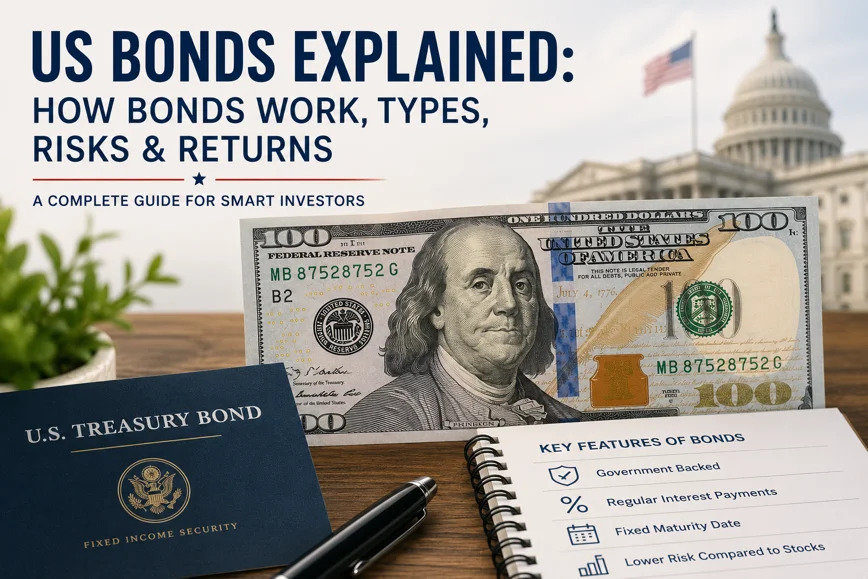
At their core, US bonds are loans. When you buy one, you are lending money to the federal government for a set period of time. In return, the government promises to pay you regular interest, known as the coupon, and to return your original investment (the principal) once the bond matures. Because the US government backs these instruments with its full faith and credit, they are widely considered one of the safest investments available to the public.
This is why so many beginners look into the basics before diving into the stock market. Bonds offer a level of predictability and stability that equities simply cannot match, making them a cornerstone of conservative investment strategies.
How Do US Bonds Work?The mechanics are fairly straightforward. The Treasury Department issues bonds through auctions, and investors can purchase them directly through TreasuryDirect.gov or through a brokerage account. Once purchased, the bondholder receives periodic interest payments, typically every six months, until the bond reaches its maturity date. At that point, the investor receives the full face value back.
The price of a bond can fluctuate before maturity based on interest rate movements. When rates rise, existing bond prices tend to fall, and when rates drop, bond prices typically rise. This inverse relationship is one of the most important concepts to grasp when learning about fixed-income securities.
Types of US BondsThere isn't just one type of government bond. The Treasury offers several varieties, each designed for different investment horizons and goals.
Treasury Bills (T-Bills)These are short-term instruments that mature in a year or less. T-Bills don't pay periodic interest; instead, they are sold at a discount and pay their full face value at maturity, with the difference representing your return.
Treasury Notes (T-Notes)Notes have maturities ranging from two to ten years and pay interest every six months. They strike a balance between short-term T-Bills and long-term bonds, making them popular among moderate-risk investors.
Treasury Bonds (T-Bonds)These are long-term securities with maturities of twenty or thirty years. Because of their extended timeframe, they generally offer higher yields to compensate investors for locking up their money for so long.
Treasury Inflation-Protected Securities (TIPS)TIPS are designed to protect investors from inflation. The principal value adjusts based on changes in the Consumer Price Index, ensuring your purchasing power isn't eroded over time.
Savings BondsSeries EE and Series I savings bonds are popular for gifting and long-term saving goals. They are non-marketable, meaning they cannot be traded on secondary markets, but they offer a simple way for everyday savers to earn interest.
Why Invest in US Bonds?There are several compelling reasons investors turn to government debt securities as part of a balanced portfolio strategy.
Safety: Since these instruments are backed by the government, the risk of default is extremely low compared to corporate debt or equities.
Predictable income: Regular interest payments provide a steady income stream, which can be especially valuable for retirees or those seeking passive income.
Diversification: Bonds often move differently than stocks, so holding both can help smooth out portfolio volatility during market downturns.
Tax advantages: Interest earned on federal bonds is exempt from state and local taxes, though it is still subject to federal income tax.
Risks to ConsiderWhile government bonds are considered low risk, they aren't entirely risk-free. Inflation risk is a real concern, since fixed interest payments can lose purchasing power over time if inflation rises faster than expected. Interest rate risk is another factor; if rates climb after you purchase a bond, its market value will likely decline if you try to sell before maturity. There's also opportunity cost to weigh, since the returns on these conservative instruments are often lower than what stocks might deliver over the long run.
How to Buy US BondsGetting started is easier than many people expect. You can purchase them directly from the government through TreasuryDirect, where you can buy T-Bills, T-Notes, T-Bonds, TIPS, and savings bonds without a middleman. Alternatively, many brokerage platforms allow you to buy and sell these securities, and you can also gain exposure through bond mutual funds or exchange-traded funds that hold a basket of government debt.
Bonds vs. Stocks: Where Do They Fit?A common question among new investors is how bonds compare to stocks. While equities offer higher growth potential, they also come with greater volatility. Government bonds, on the other hand, provide stability and income, making them ideal for balancing riskier holdings. Financial advisors often recommend adjusting your bond-to-stock ratio as you age, shifting toward safer instruments as retirement approaches.
Final ThoughtsUnderstanding the fundamentals covered in this US Bonds Explained overview can help you make more informed decisions about where to place your money. Whether you're saving for retirement, building an emergency fund, or simply looking to diversify away from stock market volatility, government bonds offer a reliable, time-tested option. As with any investment, it's wise to consider your financial goals, time horizon, and risk tolerance before committing your capital, and consulting with a financial advisor can help ensure your bond investments align with your broader financial plan.

Ads
SubMeet


Ads

Rose


The Wall