
Exploring the World of Honey: Types, Benefits, Dosage, Pairings, Quality Checks, Honey-Infused Shampoo and Ideal Consumption Times from Monica's blog
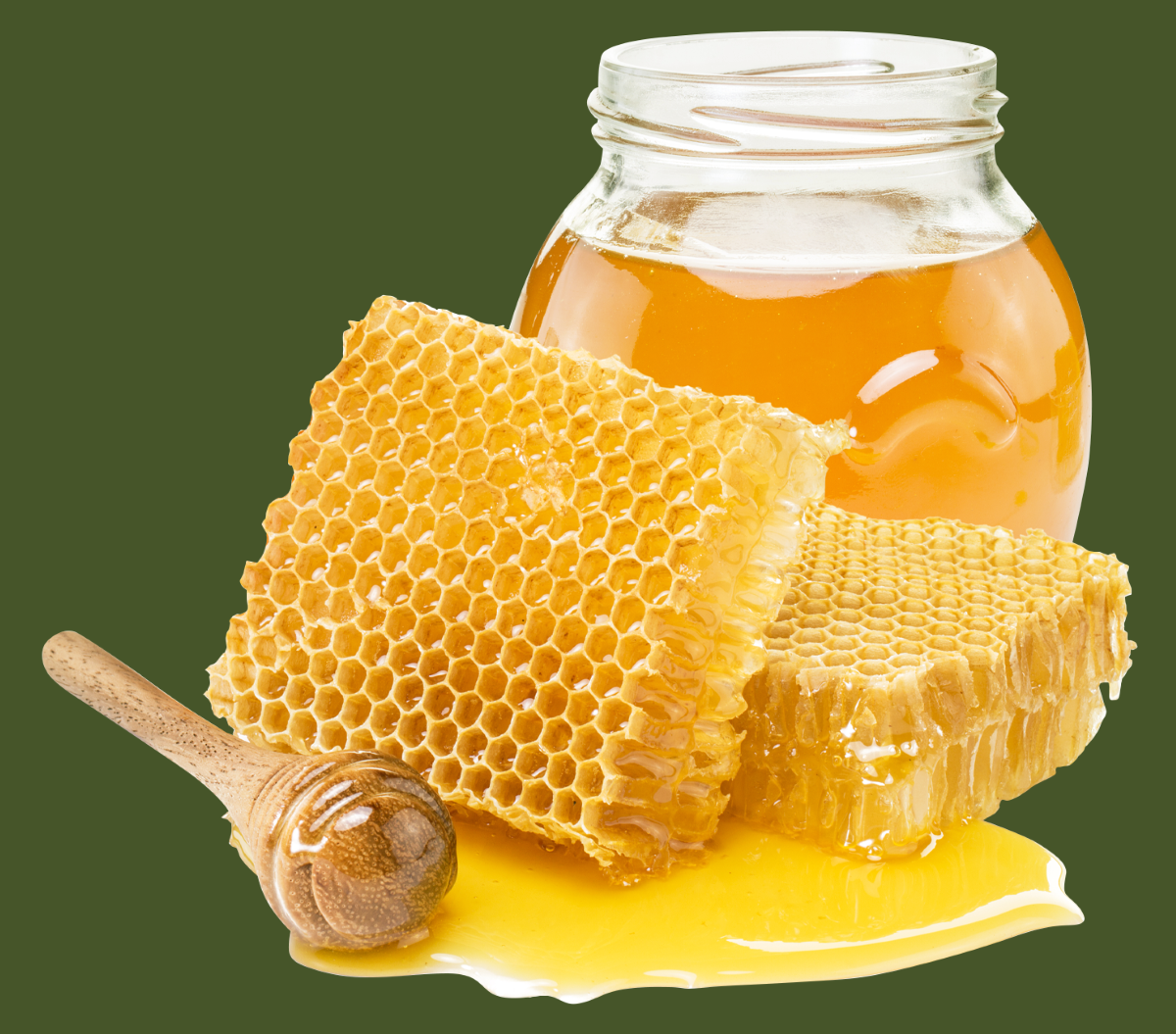
Honey, a timeless treasure created by bees, has captivated our senses for centuries with its rich flavor and golden hue. Beyond its exceptional sweetness, honey boasts a myriad of health benefits and culinary possibilities. In this article, we will explore not only the benefits of honey, daily dosage recommendations, pairing ideas, and quality checks but also the various types of honey and the ideal times of day to enjoy this natural wonder.
Types of Honey:
Honey comes in a variety of types, each with its unique flavors and characteristics:
Wildflower Honey: Harvested from diverse blossoms, wildflower honey exhibits a complex flavor profile, often with hints of floral and herbal notes.
Clover Honey: Derived mainly from clover plants, this honey is mild and sweet, making it a popular choice for general consumption.
Manuka Honey: Hailing from New Zealand, Manuka honey is known for its exceptional antibacterial properties and rich, earthy taste.
Acacia Honey: Acacia honey is celebrated for its light, mild flavor, making it a versatile addition to dishes and beverages.
Buckwheat Honey: With a robust, molasses-like taste, buckwheat honey is prized for its deep flavor and potential health benefits.
Benefits of Honey: Honey is more than just a sweet delight; it offers an array of health advantages:
Antioxidant Powerhouse: Honey is rich in antioxidants that combat free radicals, potentially reducing the risk of chronic diseases.
Respiratory Health: Honey's soothing properties make it an effective remedy for relieving sore throats and coughs.
Wound Healing: Natural antibacterial properties in honey can aid wound healing and reduce infection risk.
Gut Health: Honey can alleviate digestive discomfort and promote beneficial gut bacteria growth.
Energy Boost: A natural source of carbohydrates, honey provides quick energy without the sugar crash.
Skin Nourishment: Topically applied, honey hydrates and rejuvenates the skin.
Recommended Daily Doses:
To harness the benefits of honey without overindulging, follow these recommendations:
General Health: 1-2 tablespoons of honey per day provides a safe and healthy dosage.
Cough and Cold Relief: Mix a teaspoon of honey with warm water or tea as needed.
Wound Care: Apply a thin layer of honey to affected areas as required.
Pairing Honey with Foods:
Harness honey's culinary versatility with these delectable pairings:
Yogurt: Drizzle honey over Greek yogurt for a sweet and creamy breakfast or dessert.
Cheese: Pair honey with cheeses like brie or blue cheese for an exquisite flavor contrast.
Fruit: Sweeten fruit salads or drizzle honey over sliced fruits such as apples and pears.
Tea: Opt for honey to sweeten your tea instead of sugar for a healthier alternative.
Baking: Replace sugar with honey in recipes for a unique flavor and added moisture.
Ideal Consumption Times:
While honey is a versatile treat, the timing of its consumption can enhance its benefits:
Morning: A spoonful of honey in warm water can kickstart your day with natural energy and support digestion.
Afternoon: Enjoy a honey-infused snack to curb afternoon cravings and maintain steady energy levels.
Evening: A warm glass of milk with honey before bedtime can promote a peaceful night's sleep.
Quality Assurance: How to Check Honey at Home:
Ensure the quality of your honey with these simple at-home checks:
The Water Test: Dissolve a tablespoon of honey in a glass of water; pure honey will settle at the bottom without dissolving or forming lumps.
The Thumb Test: Place a drop of honey on your thumb; pure honey will remain intact without spreading or spilling.
The Flame Test: Dip a dry matchstick into honey and strike it; pure honey is flammable due to its low moisture content.
The Crystallization Test: Pure honey tends to crystallize over time; crystallization is a sign of purity.
Read Labels: Look for certifications like "100% Pure" or "Raw Honey" on product labels. Avoid products labeled "honey-flavored" or containing high fructose corn syrup.
Choosing Between Honey with Beeswax and Refined Honey: Benefits and Usage Tips
Honey with Beeswax vs. Refined Honey: The Differences:
Ingredients: Honey with beeswax is a combination of raw honey and natural beeswax, typically from the honeycomb. Refined honey, on the other hand, undergoes processing to remove impurities, such as wax and pollen.
Texture: Honey with beeswax often has a thicker, more viscous texture due to the inclusion of beeswax. Refined honey tends to be smoother and more liquid.
Flavor: Honey with beeswax can have a more complex and earthy flavor profile, with subtle notes of beeswax. Refined honey is known for its milder, straightforward sweetness.
Nutritional Content: Honey with beeswax may retain more of honey's natural nutrients, as it undergoes minimal processing. Refined honey may lose some of these nutrients during the refining process.
Benefits of Honey with Beeswax:
Enhanced Texture: The beeswax in honey with beeswax provides a unique, thicker texture that can be appealing for certain culinary applications.
Rich Flavor: The inclusion of beeswax can impart a distinct and nuanced flavor to the honey, adding depth to dishes and beverages.
Potential Nutrient Retention: Due to its minimal processing, honey with beeswax may retain more of honey's natural nutrients and antioxidants.
How to Use Honey with Beeswax:
Honey with beeswax can be a delightful addition to your culinary repertoire. Here are some usage tips:
Spreading: Use honey with beeswax as a spread on toast, biscuits, or muffins to enjoy its unique texture and flavor.
Tea and Beverages: Add a spoonful of honey with beeswax to your tea or hot beverages for a distinctive, earthy sweetness.
Cooking and Baking: Incorporate honey with beeswax into recipes that benefit from its rich flavor and thicker consistency, such as marinades, glazes, or homemade energy bars.
Skin and Lip Care: Honey with beeswax can also be used in natural skin care products like lip balms or salves, thanks to its nourishing properties.
When choosing between honey with beeswax and refined honey, consider your preferences and the intended use. Honey with beeswax offers a unique texture and flavor, potentially retaining more natural nutrients, making it a valuable addition to your pantry. Whether you use it in culinary creations or skin care products, honey with beeswax can bring a touch of nature's sweetness and richness to your life.
Honey-Infused Shampoo: A Sweet Solution for Healthy Hair
Mixing honey with shampoo can be beneficial for hair care, as honey offers several potential benefits for your hair and scalp. Honey is a natural humectant, meaning it can attract and retain moisture, which can be helpful for maintaining healthy and hydrated hair. Additionally, honey contains antioxidants and antimicrobial properties that can promote a healthy scalp and hair growth. Here's how you can use honey with your shampoo for weekly hair care:
Ingredients:
Your regular shampoo (preferably a mild, sulfate-free one)
Pure, raw honey (avoid processed or flavored honey)
Instructions:
Start with a small amount: In a separate container, mix approximately 1-2 tablespoons of honey with a cup of your regular shampoo. The exact amount of honey you use may vary depending on your hair length and thickness. You can adjust the quantity based on your preferences, but it's best to start with a smaller amount and increase it gradually if needed.
Blend thoroughly: Stir the honey and shampoo mixture well to ensure they are thoroughly combined. You want the honey to be evenly distributed in the shampoo.
Wet your hair: Before applying the honey-infused shampoo, wet your hair thoroughly with warm water. This will help in better lathering and distribution of the mixture.
Apply and massage: Pour the honey and shampoo mixture onto your wet hair and gently massage it into your scalp and hair. Pay special attention to your scalp to benefit from honey's antimicrobial properties.
Let it sit: Allow the mixture to sit on your hair for a couple of minutes. This gives the honey time to work its magic on your scalp and hair.
Rinse thoroughly: Rinse your hair thoroughly with lukewarm water until all the shampoo and honey are washed out. Make sure there's no residue left behind.
Condition (optional): Depending on your hair type and needs, you can follow up with a conditioner. If your hair tends to be dry, consider using a conditioner to restore moisture.
Frequency:
You can use honey-infused shampoo once a week or as needed. Using it too frequently may lead to a sticky residue on your hair. Monitor how your hair responds to find the right frequency for your needs.
Remember that individual results may vary, and what works well for one person may not work the same way for another. If you have any allergies or sensitivities to honey or other ingredients, it's essential to perform a patch test first to ensure that the honey-infused shampoo doesn't cause any adverse reactions on your scalp or skin. If you experience any irritation or discomfort, discontinue use immediately.

Ads
SubMeet


Ads

Rose


The Wall